About Primrose Lodge
Primrose Lodge: residential addiction care in Guildford
Primrose Lodge is a UKAT residential addiction treatment center in Guildford, Surrey. Its current website describes an 18-bed facility with medical detox support, individual counseling, group therapy, and a structured recovery program. The setting includes private en-suite and shared accommodation, communal spaces, a gym, and gardens. Treatment is followed by a year of online aftercare and access to UKAT’s alumni community. The main reason to consider Primrose Lodge is the combination of a relatively small residential community and a defined progression from assessment and withdrawal care into therapy and ongoing support.
The provider’s service overview focuses on alcohol and drug dependence, with treatment inquiries also covering other addiction concerns. A clinical assessment is needed to determine suitability and the required level of care. The presence of a condition in a general website menu or inquiry form does not establish that every presentation can be admitted. People with complex physical health needs, significant psychiatric symptoms, or a specific specialist referral should discuss those details before selecting a room or committing to a treatment duration.
The first assessment and arrival
The admissions pathway begins with a conversation about the person’s situation and treatment options. The team discusses the proposed program and associated cost before arranging admission. On arrival, patients are introduced to the building, staff, therapy areas, and daily routine. A doctor carries out a medical evaluation covering physical and mental health and the specifics of substance use. This is a substantive part of deciding how care should begin, rather than a formality after a room has been reserved.
Within the first few days, the patient meets their assigned therapist and clinical team to develop an individual plan. The provider describes this as collaborative, with attention to personal strengths, difficulties, and meaningful goals. Previous treatment experiences can be useful here: explain what helped, what was difficult to sustain, and what needs to be different this time. Current medication, recent medical care, and any previous withdrawal complications should be disclosed so the receiving team can determine whether the proposed residential service is appropriate.
Medical detox and early support
Primrose Lodge’s detox information describes individualized withdrawal support for alcohol, drugs, and prescription medication. Detox is used where clinically needed; it is not required for every person entering addiction treatment. The admissions page states that a doctor prescribes and monitors medication when necessary, with nursing and clinical staff providing round-the-clock care during detox. The plan responds to the person’s history and symptoms rather than applying one withdrawal schedule to everyone.
The provider describes a gradual introduction to therapy and activity while the person stabilizes. This is different from expecting someone who is physically unwell to follow a full group timetable immediately. Patients should ask how the schedule changes during detox, who is responsible for medical reviews, and how concerns are escalated outside routine appointments. A general statement about continuous care does not answer every question about staffing or hospital transfer arrangements. Those details are particularly relevant if the person has significant medical conditions alongside substance dependence.
The role of individual counseling and group work
Primrose Lodge uses both personal sessions and a shared therapeutic schedule. Individual counseling creates space to discuss private concerns, treatment goals, and patterns that may be difficult to explore immediately in a group. Group work provides contact with others dealing with addiction and opportunities to practice communication and receive feedback. The provider’s published plan also includes workshops and relapse prevention. Someone comparing the center with a wholly individual program should recognize that community participation is an important part of the model.
The therapy directory lists cognitive behavioral therapy and dialectical behavior therapy alongside individual and group counseling. The admissions page additionally names motivational interviewing. These approaches can serve different purposes within the plan, such as examining recurring responses, exploring ambivalence about change, or building skills for emotional and interpersonal difficulties. The useful question is how the assigned therapist intends to apply them to the person’s goals. A list of methods alone does not establish the number of sessions or the depth of a particular intervention.
The provider also lists trauma therapy. Its inclusion should prompt discussion of the specific intervention, clinician training, and readiness for that work, especially when withdrawal or other symptoms still require stabilization. A short residential program may begin a therapeutic process that needs to continue afterward. It should not be assumed that all trauma-related difficulties can be fully addressed within the initial stay. The plan should explain what is realistic during admission and how any continuing treatment will be arranged.
12-step work and complementary activities
A 12-step recovery framework is a visible part of Primrose Lodge’s program. The provider describes guided step work alongside counseling, groups, and practical recovery skills. This is relevant for people who have previous experience of mutual-help groups or preferences about their recovery approach. Discuss how the framework is presented, what participation involves, and how it fits with the individualized clinical plan. The provider’s 90-day description refers to time to work through the early steps, rather than promising completion of the entire process during residence.
Art-based work, mindfulness, meditation, and broader wellbeing activities are also advertised. The therapy directory includes gong-bath sessions among its complementary options. These should be understood as possible additions to the program, not as substitutes for medical or psychological treatment. The website explicitly notes that therapies vary by center, clinical assessment, and program availability. Before booking around a particular method, confirm that it is currently offered at Primrose Lodge and included in the proposed package. Patients with sensory or physical limitations can discuss suitable alternatives.
Duration and the published 90-day return offer
Treatment length is individualized, and the provider advertises a 90-day residential option as its most extensive program. That course includes detox when needed, counseling, group therapies, workshops, mindfulness, and recovery work over a longer period. A three-month stay creates different practical demands from a brief admission, including employment, caregiving, and financial planning. The clinical recommendation should explain the purpose of the proposed duration and how progress will be reviewed, rather than treating a longer package as automatically appropriate for every person.
The website also publishes a conditional return offer: someone who completes the 90-day residential program and experiences a relapse within 30 days of discharge may receive a complimentary 28-day return for further treatment. This is a service commitment with eligibility conditions, not a guarantee that relapse will not occur or that every future admission is free. Request the full current terms in writing, including the assessment and admission process for a return. The patient’s ongoing care plan remains important regardless of whether they qualify for that offer.
Rooms, meals, and the residential environment
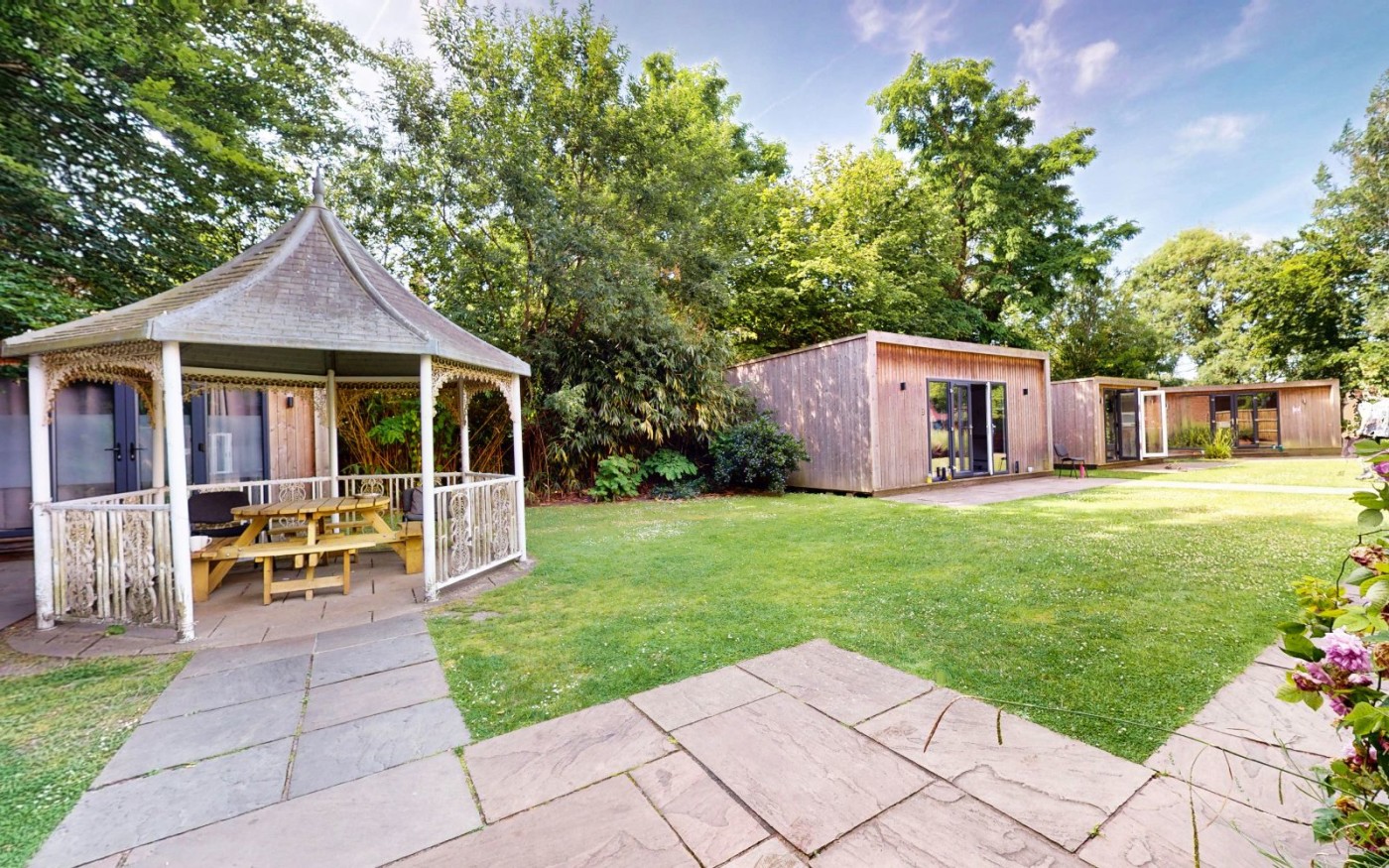
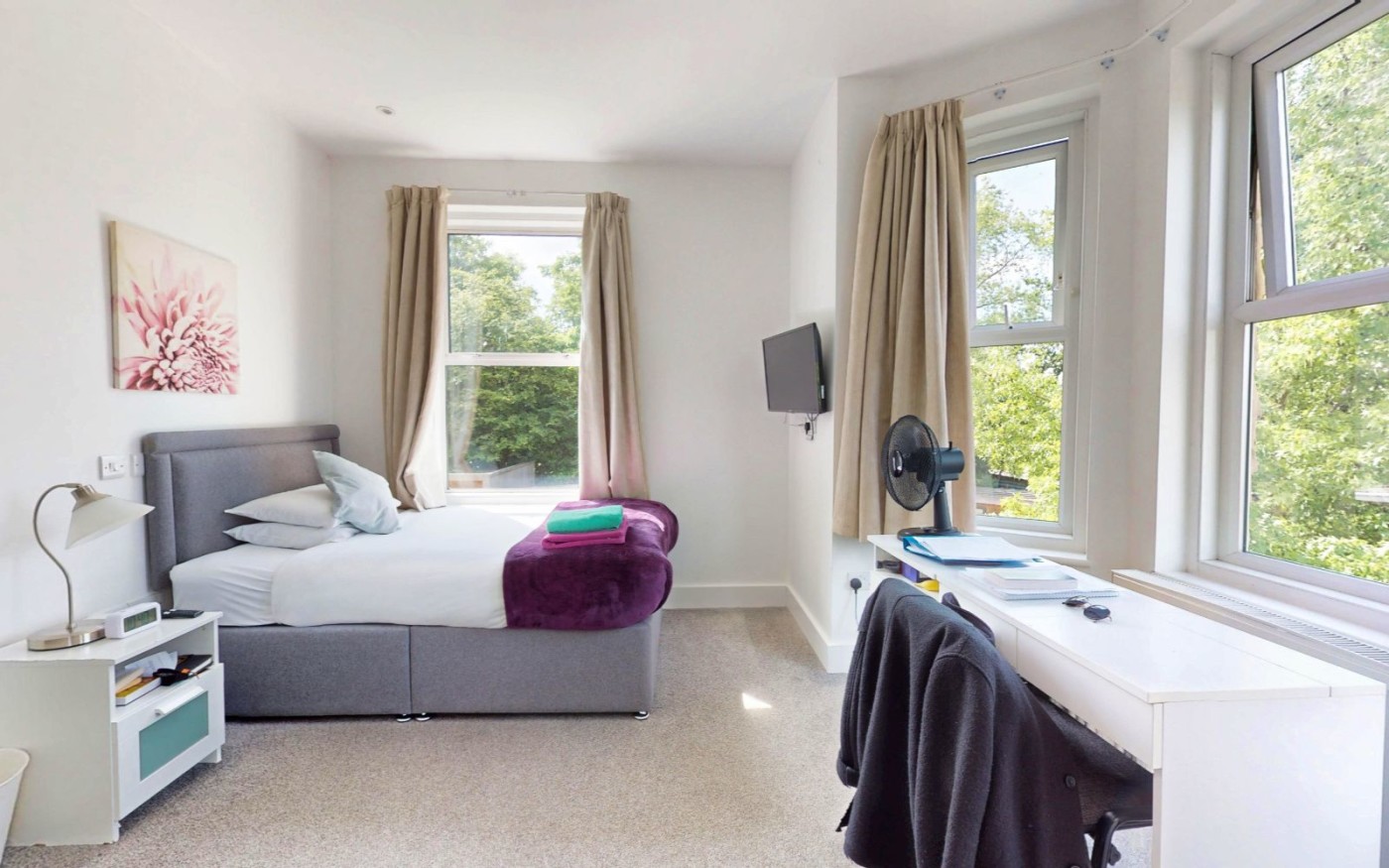
Primrose Lodge’s current overview offers both private en-suite and shared accommodation. A private room should therefore be confirmed as part of the booking rather than assumed from general references to en-suite facilities elsewhere on the site. The center describes communal lounges, therapy rooms, a gym, and maintained gardens. This is a shared treatment environment, even for patients with an individual bedroom. Ask about the allocated room, bathroom arrangement, accessibility, and any practical requirements that could affect comfortable participation in the program.
Meals are prepared on site, and the cost information describes three meals a day from an in-house chef. Housekeeping provides fresh bedding and towels; the main site also advertises laundry services and Wi-Fi. These arrangements reduce some everyday tasks during treatment. If the person has a food allergy, prescribed diet, mobility limitation, or another need that affects daily life, confirm the available support with the team. General descriptions of comfort and catering do not establish that every special requirement can be accommodated without prior planning.
Family meetings and shared expectations
The family program describes a weekly meeting and therapist-facilitated sessions involving the patient and close relatives. The provider uses the term conjoint for meetings held together. The stated purpose is to support communication, understand the effects of addiction, and discuss how recovery may look for everyone involved. Sessions are not intended as an opportunity to assign blame or require a particular reconciliation. Participation should be guided by the treatment team, consent, and the safety of the relationships concerned.
Family work can also address expectations for the period after discharge, including contact, boundaries, practical support, and how to respond if difficulties recur. Relatives may need their own support separately from the patient’s treatment. Before arranging travel, ask who can participate, whether remote attendance is possible, and which meetings are included in the package. The existence of a family program does not mean every relative attends every week or receives unrestricted information about individual therapy.
One year of online aftercare
The dedicated aftercare page states that people completing primary care can access one year of free aftercare. Sessions take place weekly online, allowing former patients to meet with a trained counselor and discuss challenges, progress, and the transition back to daily life. This is a defined group support offer. It should not be interpreted as unlimited individual therapy, continuous clinical monitoring, or automatic access to every service within the wider UKAT network.
UKAT’s alumni community adds longer-term peer contact and events. Optional secondary treatment is also mentioned, but it requires a separate discussion about suitability, location, accommodation, and fees. Before discharge, the patient should know which appointments are booked, how to join the online group, who will manage prescriptions, and where any continuing specialist therapy will take place. A clear handover connects the residential work with the actual support available at home, particularly for someone returning to a different region.
Fees and private medical insurance
The official cost page does not provide a single current tariff for every admission. It states that charges depend on the type and duration of treatment and asks readers to obtain a quote from admissions. Published inclusions describe care, detox when necessary, therapy, accommodation, meals, and the year of aftercare. Any example of spending elsewhere on the page should not be treated as a Primrose Lodge package price. Confirm the selected room, program length, all inclusions, and extension terms in writing.
The insurance page describes arrangements with Bupa and AXA. It says the process includes an approved psychiatrist’s assessment and submission of documents for authorization, typically taking around seven days. Coverage must be arranged before admission rather than requested retrospectively. The actual decision depends on the policy and proposed care, so establish the authorized duration, patient contribution, and review process directly. This timing may differ from a self-pay admission and should be resolved before making travel or work arrangements.
Information checked October 20, 2026 using Primrose Lodge’s official service, admissions, therapy, family, aftercare, detox, cost, and insurance pages. Provider outcome percentages are not presented as independently verified predictions for an individual patient.
Destinations
Conditions
Levels of care
Program approach
Individual and group counseling, CBT, DBT approaches, motivational interviewing, 12-step work, and relapse prevention
Fees & admissions
Confirm current pricing
No universal current tariff is published on the official cost page. Request a program- and room-specific quote covering duration, detox when needed, therapy, meals, and one year of weekly online aftercare. Bupa and AXA treatment requires authorization before admission.
Confirm the current program, duration, accommodation and included services directly with the center.
Clarify detox, family support, aftercare and any secondary-care fees.