
Care at Calabasas Recovery Center — Calabasas
A small residential program in Calabasas
Calabasas Recovery Center describes a six-bed residential addiction treatment setting for adults in Calabasas, California. Its published program combines a place to live with individual and group therapy, support for co-occurring mental health concerns, and wellness activities. The small setting is one of its clearest distinguishing features. Someone considering the program should assess how that scale translates into the daily schedule, access to clinicians, room arrangements, and the kind of peer community they would join.
The provider’s residential page describes an assessment-led approach rather than a single treatment plan for everyone. That matters because adults seeking addiction treatment may arrive with different substances involved, different medical histories, and different experiences of earlier care. The admission process should identify the person’s current needs and the services this particular residence can provide. A small program may appeal to someone seeking a more contained environment, but capacity alone does not establish the appropriate level of care.
The clinical scope and the first assessment
Calabasas Recovery lists treatment for alcohol and drug addiction together with dual diagnosis services. Its therapy information also discusses trauma-related needs. The term dual diagnosis should be connected to the person’s actual situation: which mental health concerns are present, how they are being assessed, and how psychiatric or psychological care fits with addiction treatment. The applicant should not assume that every primary mental health condition can be treated simply because the program offers co-occurring support.
The initial assessment is intended to shape an individualized treatment plan. An accurate account of current substance use, prescriptions, medical conditions, recent clinical care, and earlier treatment can help the team make that plan more specific. The provider should explain the proposed starting point and the reasons for it. If another setting or an earlier medical intervention is needed, that should be identified before the person arrives at the residence.
The provider publishes both a detox service and residential treatment, but its descriptions require careful reading. The homepage refers to a supportive, non-medical detox environment, while the dedicated detox page discusses monitoring and medication-assisted treatment. Those statements do not, by themselves, establish a particular level of on-site medical staffing. The admission team should clarify the actual withdrawal-management service, medical coverage, prescribing arrangements, and criteria for referral to a higher level of care.
That clarification is particularly important for a person who may need medically supervised withdrawal management. The referring clinician and receiving team should agree on what support is required and where it will occur. A residence’s use of the word detox should not substitute for that clinical decision. Once the appropriate starting service is established, the treatment plan should also show how the person will move into continued residential work rather than leaving the next stage undefined.
Individual and group therapy
The official therapy page lists individual counseling, group therapy, family therapy, cognitive behavioral therapy, dialectical behavior therapy, EMDR, and medication-assisted treatment. These are the provider’s published methods, not a promise that every resident receives the full list. The useful detail is the selection and sequencing of the methods for a particular person. An individualized plan should identify the concerns being addressed and how the resident and clinician will review the work over the course of the stay.
Individual sessions provide a setting for personal history, goals, and matters that may be difficult to discuss with peers. Group work creates opportunities for shared learning, communication, and practice within the residential community. In a six-bed environment, the peer group may be small, so the applicant should understand how group sessions are organized and whether any activities involve participants from other services. That practical information helps describe the actual experience without assuming that small capacity means entirely one-to-one care.
The provider’s cognitive behavioral therapy description focuses on recognizing patterns of thinking and behavior and developing alternative coping strategies. A useful admission discussion connects that approach to recognizable situations in the person’s life. The person may want to understand how cravings, difficult circumstances, or established routines will be explored in treatment. It is more informative to identify those goals than to treat the presence of CBT on a website as sufficient evidence of an individualized clinical program.
Calabasas Recovery also describes DBT skills involving mindfulness, emotional regulation, distress tolerance, and interpersonal effectiveness. Those areas can be relevant to the way a resident handles difficult emotions or relationships during recovery. The program should explain how the skills are taught and practiced within its schedule. The description should also distinguish use of DBT-informed skills from a claim that every resident receives a full, specialized DBT program with a particular intensity or duration.
Trauma work, family participation, and medications
EMDR appears among the provider’s trauma-related treatment methods. For someone considering that work, the important details are the clinician’s assessment, readiness, preparation, and how the sessions fit with the rest of treatment. The availability of EMDR does not mean it is appropriate immediately on admission or necessary for every person with a trauma history. The resident should understand the proposed purpose and sequence of the work and have an opportunity to discuss preferences and concerns.
Family therapy is described as a way to address communication, trust, and the effects of substance use on relationships. Participation should reflect the resident’s consent and the circumstances of the people involved. The useful plan identifies who may participate, the purpose of the sessions, and how any work relates to life after discharge. It should not assume that every family relationship has the same needs or that a particular form of reconciliation is the objective for every resident.
The provider also lists medication-assisted treatment as part of its services. Any medication plan needs an individualized clinical decision, including how current prescriptions are reviewed and who is responsible for prescribing. The admission team should explain the arrangements at this specific facility, especially in light of the different descriptions of its detox service. Continuing access after discharge also needs attention so that a medication plan does not end simply because the residential stay has finished.
Accommodation and the residential routine
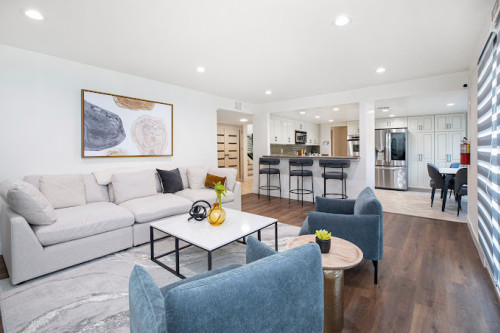
The current residential page describes private rooms, fitness facilities, and outdoor space. Existing directory information also refers to suites with private bathrooms. The actual room and bathroom arrangement should be confirmed before arrival, particularly if privacy is a central reason for choosing the program. A requested room is different from a guaranteed allocation, and photographs may show a selection of spaces rather than the precise room available for a particular admission.
The provider describes a daily balance of individual therapy, group work, and wellness activities. A prospective resident should receive an outline of a typical week that separates clinical sessions from exercise, leisure, meals, and personal time. Those components can all be part of residential life while serving different purposes. The schedule is also a practical way to understand how much of the experience is shared with peers and when there is space for private reflection or direct contact with staff.
A small residence may make the character of the community especially noticeable. Shared living involves routines, boundaries, and interaction with others, even where bedrooms are private. Someone who has particular sensory, mobility, dietary, or communication needs should discuss them during intake. The facility should respond with specific information about what can be accommodated at the property and within the program, rather than relying on a general description of comfort or personalized care.
Preparing for a stay also involves arrangements outside treatment. Work, caregiving, transport, and communication with people at home should be considered alongside the provider’s current rules for devices, visitors, and personal items. The applicant should know what responsibilities need to be managed by someone else while they are in the program. A realistic plan for those matters supports an informed decision about residential care without assuming that a normal daily routine can continue within the treatment schedule.
Duration and the next stage of care
The recommended length of the Calabasas stay should follow the assessment and ongoing clinical review. The directory’s historical pricing information includes a range of possible stay lengths, but that is not the same as an individualized treatment recommendation. Before admission, the provider should explain the initial proposal, how progress is reviewed, and what might lead to an extension or transition. The person should also understand how changes in duration affect any payment or coverage arrangements.
The residential program’s stated work includes coping skills and preparation for managing difficulties after the stay. That planning should become concrete before discharge. It should identify the next therapist or prescriber, appointments that are booked, the intended living arrangement, and any additional support needed. A person returning to the Los Angeles area may have different practical options from someone traveling home to another state, so the plan should fit the actual destination.
Family participation and recovery support can be part of that transition when appropriate, but they should not be assumed to replace ongoing clinical care. A useful discharge outline shows the purpose of each service and who is responsible for arranging it. It also gives the resident a clear way to address changes in the plan. This makes continuing care more specific than a general recommendation to keep attending appointments or remain connected after leaving the residence.
Price evidence and comparison
The directory’s September 17, 2026 record cites a Recovery.com estimate of $45,000 for a stay described as seven to 30 days. The original period matters: the figure should not be automatically presented as a monthly fee or divided into a guaranteed daily rate. It is a third-party estimate, not a current provider quotation. The program’s existing fee display appropriately asks readers to confirm current pricing, and the written proposal should identify the actual duration and services covered.
For a self-pay or insurance-supported admission, the financial explanation should specify the care level, room arrangement, included services, and any separate charges. It should also make clear how extensions or changes in the recommended care are handled. Comparing a clearly defined proposal with another provider’s offer is more useful than comparing headline totals that refer to different durations or different levels of medical and residential support.
Review Calabasas Recovery alongside other treatment centers in the United States and the programs in the California residential treatment guide. Its relevant features include the six-bed setting, published therapy methods, private accommodation options, and residential routine. The medical scope of detoxification should be clarified early, and the final decision should rest on the specific care plan, living arrangements, and follow-up support proposed for the person.
Official sources reviewed October 20, 2026: Calabasas Recovery homepage, residential treatment, therapy programs, and detox information. The Recovery.com profile is cited for the directory’s dated September 17, 2026 price estimate.
Conditions
Levels of care
Settings
Amenities
Treatment approach
Individual and group therapy, CBT, DBT skills, trauma work, family participation, medication-assisted treatment when appropriate, wellness and discharge planning
Fees & admissions
Confirm current pricing
Confirm current provider pricing. The directory’s September 17, 2026 Recovery.com record estimated USD 45,000 for a stay described as 7–30 days. This historical package context does not establish a monthly tariff, a prorated daily rate, or the current fee.
Confirm the current program, duration, accommodation and included services directly with the center.
Confirm the recommended length, detox or medication needs, exact room, services included in the quoted fee, payment terms and aftercare plan.