Care at Pacific Sands Recovery — Santa Ana
A small residential program in Santa Ana
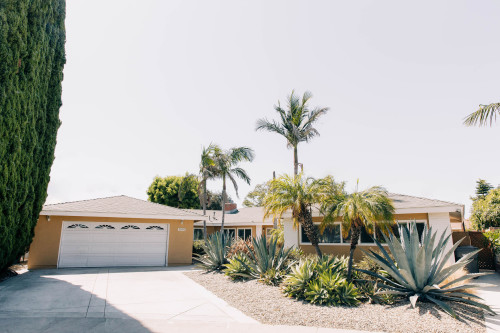
Pacific Sands Recovery is a detoxification and residential addiction treatment provider in Santa Ana, California. Its published information identifies the location as 1909 West Carlton Place and describes a program limited to six clients, with private accommodation options. The small setting is a defining feature of the service. The provider’s contact number is 949-426-7962, and the actual room, clinical pathway, and current availability should be confirmed directly before admission.
The program’s stated approach combines medical support when needed, individual and group therapy, treatment for co-occurring mental health concerns, and planning for care after the residential stage. Its official material describes a focus on each person’s history and goals. A low client count can describe the environment, but it does not by itself establish the precise amount of clinical contact or a guaranteed result. Those details belong in the individual treatment proposal.
Detoxification and the next stage
Pacific Sands publishes separate information about alcohol, opioid, and stimulant-related detoxification needs. The service descriptions emphasize assessment and clinical support, with medication when appropriate. The person’s substance use history, current prescriptions, physical health, and previous withdrawal experiences need to be reviewed before the starting level is decided. A general description of detox services should not replace an explanation of the actual care recommended for the individual.
The provider’s cocaine-treatment information describes a possible transition from detox into residential care without changing beds. That can be useful for someone hoping to reduce physical disruption between stages. The arrangement should still be confirmed for the actual admission, because clinical needs, room availability, or a different recommended service may affect the plan. The detox and residential phases also have different purposes and should remain distinct in the written quotation.
Detoxification concerns immediate stabilization, while the residential plan addresses the continuing therapeutic and practical work. A patient who has already completed withdrawal care may need a different starting point from someone arriving while physically unwell. The intake process should identify that difference. It should also explain whether additional medical evaluation or another level of support is required before Pacific Sands can confirm that its setting is appropriate.
Medication and co-occurring mental health needs
The provider’s official opioid-treatment material describes medication-assisted treatment alongside therapeutic care when clinically appropriate. Medication selection and review should be discussed with the treating professional, including arrangements for continuing it after discharge. The availability of medication support does not imply that every patient receives the same medicine or that all substance use concerns require the same approach. The plan should connect the medical component with the person’s broader care.
Pacific Sands also describes support for co-occurring anxiety, depression, trauma, and other mental health concerns. These are considered alongside substance use rather than ignored during addiction treatment. An applicant should discuss current symptoms, earlier diagnoses, medication, and existing clinicians during intake. The team needs to identify the psychiatric services available for the proposed stay and any limitations related to the person’s current level of need.
A person with more than one concern may need care to continue after the initial residential phase. The program should explain which issues it expects to address during the stay and which require longer-term follow-up. That distinction is particularly useful in a small program where the environment may feel personal but specialist availability still needs to be established. A published condition list is a starting point for assessment, not an automatic admission decision.
One-to-one therapy and an individualized plan
Pacific Sands’ therapy information describes individual appointments focused on the person’s experiences, patterns, and goals. These sessions form part of its residential and intensive outpatient treatment descriptions. A private appointment gives the patient space to discuss matters that may need more attention than a group allows. Applicants should confirm the actual frequency and clinician responsible for the proposed phase rather than assume that every program has the same schedule.
The provider describes a solution-focused outlook in its published material, including consideration of approaches that have helped the person before. That can make earlier experiences of treatment relevant to the next plan. The assessment should look at what was useful, what remained difficult, and what support was available afterward. An individualized approach is most meaningful when those observations shape the priorities and the practical arrangements for continuing care.
Current goals may also change during treatment as the team and patient develop a clearer picture of the needs involved. The resident should know how reviews occur and how to raise concerns about the plan. A small community can make regular discussion possible, but the actual process should be explained. Clear responsibilities and review points help the patient understand what the different clinicians and support staff are doing.
CBT, DBT, and the group setting
Cognitive behavioral therapy and dialectical behavior therapy are named in Pacific Sands’ official clinical descriptions. The provider links these approaches with thinking patterns, coping responses, emotional regulation, and relationships. The specific work should be selected according to assessment. A resident should understand whether a method is delivered individually, through skills groups, or in another format, and how it relates to their own treatment goals.
Group therapy provides a separate setting for shared discussion and learning with others in care. Pacific Sands emphasizes group work within its small-program model. The size and composition of an actual group should be confirmed rather than inferred from a generic description of group therapy. A six-client residential limit does not necessarily describe every outpatient group or every meeting the provider may arrange outside the house.
Skills developed in treatment need a connection with daily life. A person may be working on responding to stress, communicating more clearly, noticing difficult patterns, or seeking help earlier. The clinical plan should identify which of those tasks are most relevant and how they will be practiced. The purpose is to give the resident a clear account of the work involved rather than rely only on a list of therapy names.
Recovery principles and practical support
The provider’s service pages describe 12-step-informed support and connection with recovery communities. These activities can form part of the plan while clinical treatment continues through individual, group, and medical services. Applicants should understand how meetings or recovery principles fit into the schedule and how their preferences are addressed. The community support selected for the residential stage should also be realistic to continue from the person’s next living situation.
Pacific Sands also describes practical work on stress management, communication, and daily functioning. Those topics can help connect the treatment setting with the responsibilities a person will resume. The most useful plan reflects the individual’s circumstances rather than a generic list of skills. Housing, employment, family relationships, and transport may all affect what needs to be organized before a person leaves the residential environment.
Accommodation and the clinical environment
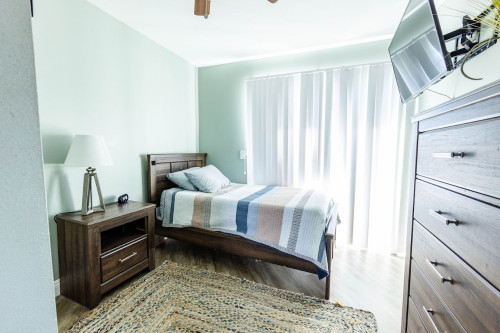
The provider’s published descriptions emphasize a low client count and private rooms. The actual room allocation, bathroom arrangement, and any accessibility needs should be confirmed for the proposed dates and phase of care. A reference to private accommodation does not establish that every configuration is available at all times. Someone choosing the program primarily for privacy should receive a specific description of the room and shared areas included in the offer.
One official service page describes substantial on-site involvement from the clinical director and primary therapist during the working week. That does not mean that those individual professionals are present every hour of every day. Applicants should establish current clinical and medical coverage, including support overnight and between scheduled appointments. Distinguishing the roles and availability of staff provides a clearer picture than relying on a general claim of personal attention.
The residential experience also involves meals, rest, staff contact, and interaction with a small peer community. Prospective patients should receive current guidance about personal items, prescriptions, devices, visitors, and outside appointments. Someone with dietary, mobility, sensory, or other requirements should discuss those needs before arrival. These practical arrangements are part of assessing whether the house and program can support the individual comfortably.
Traveling to Santa Ana for treatment
Pacific Sands’ published travel information describes an individualized program for people considering treatment away from home. Before making that decision, the person should establish the admission date, exact arrival location, transport, and any required medical clearance. The clinical plan should be sufficiently clear to justify the practical commitment. Distance from home may change the available support, so family contact and communication with existing clinicians should also be discussed.
Travel planning needs to include the return journey and the next stage of care. Someone coming from another state may require appointments and medication arrangements in that state after discharge. The provider’s location in Orange County does not establish that the same follow-up services will be accessible from every home community. A useful plan identifies which services are local, which may be remote, and which need an outside referral.
Outpatient care and continuing treatment
Pacific Sands’ official therapy material also describes intensive outpatient treatment. That may be relevant to some people leaving residential care, but the recommended next level should follow assessment and progress. An outpatient service has different expectations for time outside treatment and living arrangements. If housing or transport support is proposed, its relationship to clinical care and its cost should be made explicit.
The discharge plan should identify the next therapist or prescriber, appointment dates, medication arrangements, and the information transferred to the receiving service. It should also record practical support and the contacts the person can use if circumstances change. A small residential setting can be one stage in a longer course of care, with continuity determined by specific arrangements rather than a general promise of aftercare.
Fees and the verification of current arrangements
The exact Pacific Sands Recovery.com profile reviewed on October 20, 2026 displays an estimated residential rate of $1,500 per day and a separate detox estimate of $2,000 per day. These are third-party rates, not official provider quotations. A 30-day residential calculation would be $45,000, but that is an arithmetic comparison rather than a fixed monthly package. The quoted total should identify the assessed phases, duration, accommodation, and any separately charged services.
Program details in this profile draw on the provider’s official material indexed in 2026, while current admission availability and arrangements need direct confirmation. Insurance benefits and patient responsibility should be verified for the actual service proposed. Compare Pacific Sands with other treatment centers in the United States and the California treatment guide, using the confirmed small-program setting and individual care plan.
Sources reviewed October 20, 2026: indexed official information on therapy models, alcohol detox, opioid-related detox and residential care, stimulant-related care, and traveling for treatment; current third-party pricing from Recovery.com. Current operations and room availability should be confirmed with the provider.
Conditions
Levels of care
Settings
Amenities
Treatment approach
Individual and group therapy, CBT, DBT, co-occurring care, medication support when appropriate, 12-step-informed work and continuing-care planning
Fees & admissions
USD 1,500 / day
Recovery.com exact profile displays estimated residential USD 1,500/day and separate detox USD 2,000/day, checked October 20, 2026. Do not combine phases or represent USD 45,000 as a fixed monthly package. Obtain a written provider total.
Confirm the current program, duration, accommodation and included services directly with the center.
Confirm whether the quoted rate applies after detox, bedroom availability, medical and medication needs, included services, minimum stay and continuing care.