Care at Virtue Recovery — Sun City West
Medical detox at Virtue Recovery in Sun City West
Virtue Recovery’s current Sun City West program provides medically monitored detoxification at 13951 West Meeker Boulevard, Sun City West, Arizona. The provider now identifies this address as a detox-only facility. Earlier descriptions of residential eating-disorder and longer-term mental health treatment at this location no longer describe its published service. The present program concentrates on withdrawal management, medical and psychiatric stabilization, and arranging the next appropriate placement. A person seeking ongoing residential therapy should therefore understand the planned transfer beyond Sun City West from the beginning.
The location serves adults whose assessment indicates a need for supervised withdrawal care. Virtue describes nursing on site throughout the day and night, with a medical or psychiatric provider seen daily. Its published model gives the medical stage a distinct purpose: support the patient through the initial period and prepare for continuing treatment elsewhere when indicated. The program’s current admissions telephone is 866-461-3339. Its location in the northwest Phoenix area may be practical for people who want their next placement to remain within Arizona.
Who the current program is designed to assess
The official campus information identifies alcohol, opioids including fentanyl, benzodiazepines, stimulants, and the use of multiple substances among the concerns considered during intake. A substance name alone does not determine admission. The team assesses withdrawal risk, recent use, medical history, medications, and the support required. That distinction matters because two people reporting the same substance may need different levels of monitoring or a different starting service. The receiving clinician determines whether this particular detox setting can meet the person’s needs.
Co-occurring mental health concerns are considered within the detox assessment. The facility describes psychiatric assessment and stabilization alongside medical care, but it does not present itself as an ongoing psychiatric medication-management service for people without a detox need. A person whose main concern is a mental health condition should make that clear during the first conversation. Existing psychiatric records and prescribing information can help the team assess suitability and coordinate the appropriate service, including an alternative placement when the detox program is not the right match.
Sun City West also explicitly distinguishes its service from a standalone Suboxone or methadone maintenance clinic. Medication-assisted treatment may be part of an individual detox plan, but that does not establish continuing maintenance appointments after discharge or the availability of every medication. Someone already receiving a prescribed treatment should discuss that prescription with the clinical team before arrival. The question is how it will be reviewed and coordinated during this admission and where continuing prescribing will occur afterward.
Assessment, arrival, and the initial medical stage
Virtue publishes a round-the-clock admissions service for this location, operating throughout the year. The sequence begins with a telephone conversation, insurance verification when relevant, and a provider’s review of the person’s current use and health history. Nursing assessment follows arrival, with attention to vital signs, withdrawal risk, and immediate medication needs. Although the website describes a rapid process, the actual timing depends on clinical approval and current circumstances. Travel should follow confirmation of the individual admission and receiving address.
The provider describes the first two days as a period mainly devoted to rest and managing symptoms. This is a different rhythm from the full therapy timetable associated with a longer residential rehabilitation program. Nursing checks continue overnight, and the medical plan changes according to the patient’s condition. The clinical team should know about current prescriptions, allergies, earlier withdrawal experiences, and any new health concerns. Those details belong in the assessment rather than being left for the first night in the facility.
A typical detox stay is described as approximately seven to ten days. That is a published orientation, not a fixed course for everyone. Clinical need and the authorized plan affect the actual duration. The team’s explanation should connect the expected stay to the person’s medical needs and to the service that will follow. A longer or shorter stay also changes practical arrangements for transport, family communication, work, and payment, which is why those arrangements should allow for clinical review.
Clinical contact during the stay
As the initial symptoms become more manageable, Sun City West describes process groups, individual check-ins, medication support, relapse-prevention planning, and case-management sessions. These activities sit within a relatively short medical admission. They can introduce or resume therapeutic work while the patient prepares for the next stage. Their presence should not be read as a substitute for an extended residential or outpatient treatment plan when one is recommended. The exact balance of rest, groups, and individual contact follows the person’s condition.
The Arizona clinical team’s published approach includes counseling about substance use, co-occurring concerns, emotional regulation, and relapse prevention. Its staff descriptions also identify cognitive behavioral and motivational interviewing approaches. Within this setting, these methods give clinicians a way to discuss patterns surrounding substance use and the person’s own priorities for change. The useful outcome is a clearer plan for continued work, rather than an assumption that all underlying difficulties can be addressed within a brief withdrawal-management admission.
The facility lists medical and psychiatric assessment, medication administration, intravenous therapy when indicated, and crisis stabilization among its services. These are provider descriptions of available care, not a promise that every patient receives every intervention. The treating professional should explain the purpose of a proposed intervention and how the patient will be monitored. Any need beyond the facility’s scope requires an appropriate clinical response, including transfer or referral. A general website list cannot establish suitability for a particular medical situation.
The environment and practical boundaries
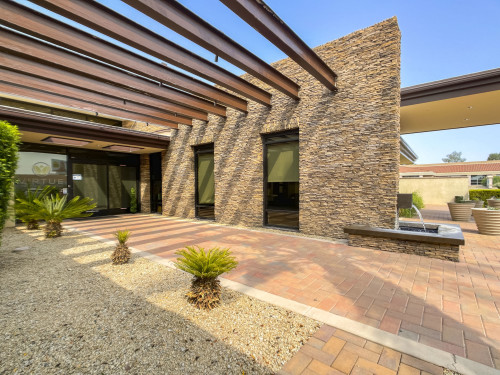
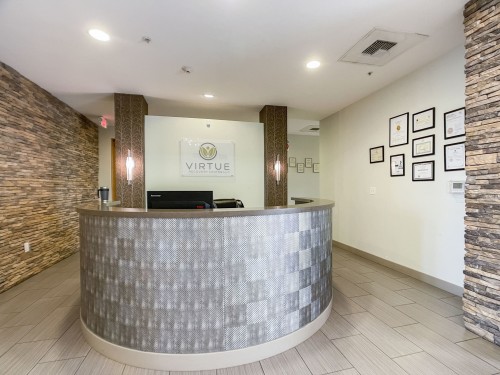
Sun City West’s current description emphasizes a clinical environment for the detox stage. It states that this location does not have a gym or organized outings. Earlier assumptions about a residential retreat, extensive recreation, or a longer eating-disorder program should not be carried into an admission decision. Current photographs can help show the building, but the actual room arrangement and accessibility should be confirmed directly. The inspected primary information does not establish a private bedroom for every patient.
The facility’s visitor policy is particularly specific: routine visits are not offered during the stay. Family and friends may deliver needed items within set hours, and staff can help patients maintain contact. This affects anyone planning to accompany a loved one to Arizona or remain nearby during treatment. Communication arrangements should be agreed before travel so that the patient and supporting relatives know what contact is possible and whom to reach for practical questions during the admission.
Cell phone use also requires approval before admission. The provider identifies this as a stricter policy than at some other Virtue locations, so a general promise about device access across the network should not be applied here. A person relying on a phone for essential family or work communication needs a clear explanation of permitted use and alternatives. The admission process should cover what to bring, how personal belongings are handled, and the arrangements for keeping important contacts available.
Couples may be admitted to Sun City West at the same time when both are clinically suitable, but they are housed separately and receive care as individuals. The option does not mean shared bedrooms or a combined treatment plan. Each person needs their own assessment, medication review, financial arrangements, and continuing-care recommendation. One partner’s next placement may differ from the other’s if their needs differ. That possibility should be part of the conversation before either person assumes an identical treatment sequence.
Planning the next placement while detox is underway
Case management is a prominent part of the current Sun City West model. The provider describes beginning work on the next placement early in the stay and coordinating referrals to residential or outpatient services in the Arizona community. There is no ongoing residential program or outpatient program with housing at this campus. The transition therefore requires an identified receiving service, rather than simply moving to another timetable within the same building. Availability and acceptance by that service still require confirmation.
A useful handoff identifies the destination, appointment or admission date, transport, records transfer, and responsibility for medications. The plan should also address any gap between discharge and the next appointment. Someone returning home may need a different arrangement from a person continuing into another residence. Family involvement can support these logistics when the patient agrees, but the treatment recommendation should remain based on clinical needs. The relatively short detox period makes early coordination especially relevant.
Fees, coverage, and comparing the right service
A current provider tariff for Sun City West detox was not established on the official page reviewed. The earlier directory figure of $30,000 for 45 days concerned a different description of care and should not be presented as the current detox fee. The proposed admission needs a new written explanation of the detox charge, expected duration, included medical services, and any separate costs. Charges for a later residential or outpatient placement should be identified as a separate part of the overall treatment plan.
Virtue offers benefits verification and identifies major insurance and PPO arrangements, with ComPsych employee-assistance coverage also mentioned for this location. Acceptance still depends on the particular policy and service. A benefits check should be followed by an explanation of authorization, expected patient responsibility, and what happens if the clinical stay changes. Private-pay applicants likewise need an individual quotation. The provider’s availability to discuss coverage does not establish that a particular insurer will pay for every recommended day.
Compare this campus with other treatment centers in the United States and the options in the Arizona treatment guide. Sun City West’s current role is medically monitored detox with daily provider contact, continuous nursing, specific visitor and device rules, and early referral planning. A meaningful comparison uses that service scope and the patient’s next treatment stage, with each location and its financial terms clearly identified.
Sources reviewed October 20, 2026: official Sun City West campus information and Virtue’s current locations and levels of care. Clinical services and policies are provider-reported; individual admission, medication decisions, coverage, and current availability require assessment.
Conditions
Treatment approach
Medical and psychiatric assessment, withdrawal monitoring, medication support when appropriate, process groups, individual check-ins, relapse-prevention planning and case management
Fees & admissions
Confirm current pricing
Confirm current detox pricing. The former USD 30,000/45-day eating-disorder estimate describes an obsolete service scope and must not be used for this detox-only facility. Obtain a new quotation for the assessed detox stay and separate onward treatment.
Confirm the current program, duration, accommodation and included services directly with the center.
Confirm diagnosis fit, the 45-day quote, what clinical and accommodation costs it includes, insurance terms and continuing-care recommendations.