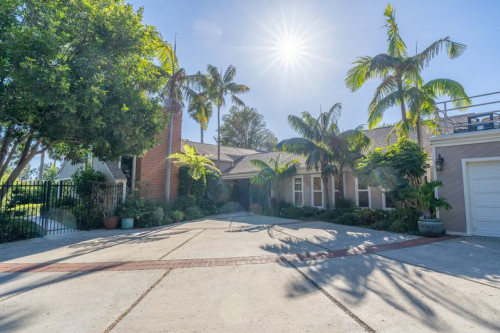

Care at Paradigm Treatment — Malibu Young Adult Program
Young adult mental health treatment in Malibu
Paradigm Treatment’s Malibu young adult program provides residential mental health care for people ages 18 to 26. The provider also operates separate adolescent programs, so this listing concerns the young adult service rather than its 12-to-17 age group. The Malibu page lists 29149 Cliffside Drive and describes an intensive program that combines individual therapy, multiple daily groups, psychiatric assessment, family work, and academic support. The proposed residence and room should be confirmed with admissions because Paradigm operates more than one program and location.
The program is designed for young adults whose emotional, behavioral, or mental health needs require a structured setting with more support than their current arrangements provide. Paradigm names anxiety, depression, grief, trauma, mood and personality concerns, and co-occurring behavioral difficulties among its areas of treatment. Substance use and self-harm may be considered in that broader assessment. The presence of a diagnosis or behavior does not itself establish residential suitability; the clinical team evaluates the person’s needs and the support the program can offer.
A program built around the transition to adulthood
The provider’s young adult model recognizes that treatment occurs alongside decisions about education, employment, relationships, and independent living. A student struggling to remain in college may have different priorities from someone who has started working or moved away from home. These circumstances help shape the plan rather than becoming issues to postpone until discharge. Paradigm describes goal setting, problem solving, stress management, emotional regulation, and practical support for the responsibilities that young adults expect to resume after residential care.
Residential treatment temporarily provides a more structured routine while those difficulties are assessed. It also places the person within a peer community, with opportunities for shared discussion and group work. The young adult age range is relevant to that experience, but a shared age does not imply identical needs or backgrounds. The individual plan should identify the concerns that require private clinical attention and the skills that can be practiced through the wider program. Participation should be connected to the resident’s own goals.
Medical, psychiatric, psychological, and nutritional assessment
Paradigm describes several components of evaluation at the beginning of treatment. The medical assessment considers physical health and conditions that may affect the plan. Psychiatric evaluation examines the mental health presentation, symptoms over time, co-occurring concerns, and relevant treatment history. The provider also discusses psychological testing and nutritional assessment. These components can add different information, but the actual evaluations proposed for an individual should be explained clearly. A broad assessment service is not a guarantee that a diagnosis will be immediate or unquestionable.
The nutritional component considers eating patterns, physical wellbeing, and needs that may affect participation in residential care. It also supports education about practical daily routines. The exact assessment should reflect the person’s history and current concerns rather than assuming every resident requires the same dietary intervention. Existing medical and psychiatric records, current prescriptions, and prior test results may be useful during intake. The receiving team should identify what information is needed and how it will coordinate with established clinicians.
Medication decisions belong within the individualized clinical plan. A person already taking psychiatric or other prescriptions should establish who reviews them during admission and who is responsible for prescribing during the stay. Changes should be explained in relation to the treatment goals and the person’s experience. The discharge plan needs the same clarity about continuing care. A move home, back to college, or to a different state can affect which clinician or service will manage medication next.
Four individual sessions each week
The Malibu young adult page states that the program provides four individual therapy sessions per week, alongside several group sessions each day. That is a concrete feature to discuss when comparing residential programs. Individual sessions give the resident a regular setting to examine personal history, current concerns, and material that may be difficult to raise in a group. The provider should explain the assigned therapist, the typical session length, and how the individual work connects with the rest of the treatment schedule.
Group therapy forms another substantial part of the published program. Paradigm describes groups as a place for connection, reflection, communication, and learning with peers. The value of a group depends on its purpose, facilitation, and fit with the participant’s needs. A useful weekly schedule distinguishes therapeutic groups from education, recreation, and other community activities. It also shows how the resident has time to reflect and rest between sessions, rather than treating every scheduled activity as equivalent clinical contact.
Clinical and expressive approaches
The Malibu program names cognitive behavioral therapy, dialectical behavior therapy, mindfulness-based cognitive behavioral work, psychoeducation, trauma-informed treatment, and Family Systems therapy. These methods provide different ways to address patterns of thought, behavior, relationships, and emotional responses. Selection should follow assessment. The clinician’s explanation should connect a proposed approach to a concern the young adult recognizes, describe what participation involves, and allow discussion of how the work is progressing. The list does not mean that every person receives every modality.
Paradigm also publishes art, music, drama, and recreational therapy among its therapeutic options. Its wider young adult model describes movement, animal-assisted experiences, and other experiential activities. The actual Malibu schedule should identify what is currently available and the role of each activity within treatment. A creative or physical activity can offer a different way to engage, while still needing a clear purpose. It should not be presented as a guaranteed intervention for every resident or as a substitute for necessary clinical care.
Mindfulness is incorporated into the provider’s description of several approaches, including cognitive behavioral work. In practice, the resident should understand how exercises are introduced, what they are intended to support, and how participation can be adapted to their needs. The broader principle is that the program combines several forms of work within an individualized plan. A person’s comfort, prior experience, and clinical presentation remain relevant even when a method is commonly included in the provider’s schedule.
Family involvement with an adult resident
The official Malibu description includes weekly individual family counseling and multi-family groups. Paradigm also describes coaching and support for families as they prepare for the resident’s return. Because this is an adult program, involvement should be organized with the young adult’s participation and appropriate agreement about communication. Family can mean parents, a partner, or other important supporters, and the relevant relationships differ between residents. The program should clarify who is involved and what the sessions are intended to address.
Family work can connect residential treatment with patterns of interaction and the practical environment outside the program. The provider’s model considers communication, relationships, and ongoing support rather than treating family contact solely as a discharge update. Relatives living away from Malibu need to understand which sessions can be attended remotely and whether travel is expected. Clear arrangements also distinguish clinical family meetings from routine practical communication about visits, belongings, finances, or planning for the next stage.
Education, work, and independent living
Paradigm’s young adult information describes academic coaching for people whose mental health difficulties have interrupted study. The aim is to help residents remain connected to educational goals while receiving care. The specific arrangements should account for current courses, the college’s requirements, deadlines, and the resident’s ability to participate during treatment. Academic support within a residence does not establish that every course can continue unchanged or that a particular institution will accept all work completed during the stay.
The provider also lists employment-related support, including exploring career goals, preparing a résumé, practicing interviews, and considering internships or apprenticeships. These are practical services within the wider young adult model, not promises of a job or placement. Their use should follow the person’s goals and stage of treatment. For someone preparing to return to work, the plan may focus on a realistic routine and ongoing clinical support. For someone still deciding on a direction, the immediate task may be identifying manageable next steps.
The residential setting and expected duration
Paradigm describes its treatment environments as residential homes with access to nature, shared community spaces, and opportunities for physical and experiential activity. The inspected current Malibu program information does not establish an exact bedroom allocation for every admission. A prospective resident should confirm the house, room sharing, bathroom arrangements, accessibility, and daily transport if activities take place elsewhere. Existing photographs can show the character of a property, but they should not be used as a guarantee of a particular room or a provider-wide capacity figure.
The current Malibu page describes a 30-to-90-day program. The actual duration is determined through the individual plan rather than simply selecting a calendar package. An admission proposal should explain the expected starting period, how progress is reviewed, and what would lead to an extension or a lower level of care. The young adult and family can then plan education, work, travel, and finances around an assessed recommendation. Changes in those arrangements should be discussed as the clinical plan develops.
Aftercare and fee evidence
Paradigm describes ongoing support after residential treatment, with follow-up contact, group or teletherapy options, and planning for continued care. The specific services available to the individual need confirmation, especially when the person returns outside the area. A useful discharge plan identifies the next therapist or prescriber, appointments, living arrangements, academic or work expectations, and support between sessions. The plan should show how the skills and goals developed in Malibu translate into the resident’s actual circumstances.
The exact Malibu young adult Recovery.com profile inspected on October 20, 2026 displays an estimated cash-pay amount of $57,000 for 30 days. This is third-party pricing, not a tariff published by Paradigm or an individual quotation. The period should remain attached to the estimate. The provider should explain clinical services, assessments, accommodation, academic support, and any additional charges in a written proposal. Insurance benefits and authorizations require a separate individual check; the provider’s network relationships do not establish every applicant’s coverage.
Compare this service with other treatment centers in the United States and the programs in the California treatment guide. The Malibu young adult program’s defining features are its 18-to-26 age range, four weekly individual sessions, frequent group work, family component, and support for education and adult responsibilities. The most useful comparison connects those features with the resident’s assessed needs and a practical continuing-care plan.
Sources reviewed October 20, 2026: official Malibu young adult program, Paradigm’s young adult treatment model, and exact-campus third-party pricing. Program details are provider-reported and subject to individual assessment and current availability.
Conditions
Levels of care
Settings
Amenities
Treatment approach
Four individual therapy sessions weekly, multiple daily groups, psychiatric assessment, CBT, DBT, mindfulness-based work, Family Systems, expressive therapies, family counseling and academic support
Fees & admissions
USD 57,000 / program
Recovery.com’s exact Malibu young adult profile displayed an estimated USD 57,000 for 30 days on October 20, 2026. This is third-party pricing rather than a Paradigm tariff. Confirm the assessed period, residence, evaluations, academic support and additional charges.
Confirm the current program, duration, accommodation and included services directly with the center.
Confirm age and diagnosis fit, exact house assignment, current 30-day self-pay quote, insurance reimbursement and transition planning.