
Care at Legacy Recovery Center — Mesa
Legacy’s residential mental health program in Mesa
Legacy Recovery Center’s Mesa location provides adult residential mental health and co-occurring-condition treatment at 2338 East Minton Street, Mesa, Arizona 85213. The current official campus page emphasizes psychiatric care, medication management, individual and group therapy, and planning for support after discharge. Legacy also operates a Chandler location, so this profile concerns Mesa specifically. An admission proposal should name the East Minton Street residence and identify which services and accommodation belong to that campus.
The Mesa program is intended for adults who need a structured residential setting while working on primary mental health concerns or mental health difficulties alongside substance use. Its current campus information names anxiety, depression, trauma, mood disorders, stress-related concerns, and other psychiatric needs. The appropriate placement follows assessment of symptoms, functioning, medical circumstances, and required support. A broad list of conditions does not establish that the residence can accept every presentation or provide the same level of care as an acute hospital.
Assessment and the purpose of residential care
Legacy describes individualized treatment rather than a single standard program for everyone. The assessment considers the person’s current difficulties, history, strengths, and goals. Existing medical and psychiatric records can help the team understand earlier diagnoses, prescriptions, and treatment experiences. The resulting plan should identify why residential support is being recommended and what will be reviewed during the stay. This gives the time in Mesa a specific clinical purpose rather than defining it only by the length of a quoted package.
Residential care combines scheduled clinical work with support across the day and overnight. The Mesa page describes a supervised setting, medication management, and help with daily functioning. For someone moving from outpatient care, the change involves both greater structure and a shared living environment. The receiving team should explain how staff support is organized, what contact with medical professionals is expected, and how changes in needs are addressed. Those practical arrangements help establish whether the residence is an appropriate match.
Psychiatric care and co-occurring substance use
Psychiatric care and medication management are explicit parts of the Mesa service. A current prescription list, previous responses, side effects, and concerns about medication should be discussed before admission. The plan should identify who prescribes, how the resident participates in decisions, and how questions are raised between appointments. Medication support is one component of care, alongside psychotherapy and daily routines. It should also connect with the next prescriber when the resident leaves the program.
The campus describes dual-diagnosis treatment and identifies several substance-use concerns in its service information, including alcohol, opioids, prescription medications, methamphetamine, and cocaine. These are considered alongside the mental health presentation. The clinical assessment should establish whether withdrawal management or another medical service is needed before residential admission. The inspected Mesa page does not define a separate on-site detox program, so a residential placement should not be assumed to include every form of withdrawal care.
Legacy’s published mental health scope includes bipolar disorder, schizophrenia, trauma-related conditions, and self-harm alongside more commonly described anxiety and depression. These are areas for clinical review rather than blanket admission assurances. Current stability, medical needs, risk, and the level of support required affect suitability. A referring clinician’s information may be especially useful when the presentation is complex. The residential team should identify what it can provide directly and what would require another service or a different level of care.
Therapies described for the Mesa program
The exact Mesa page lists cognitive behavioral therapy, dialectical behavior therapy, rational emotive behavioral therapy, recreational therapy, and art therapy. Individual and group sessions are both part of the program. These approaches can be combined according to the person’s needs rather than delivered as an identical sequence. A useful clinical explanation identifies the concerns being addressed, how the resident will participate, and how progress will be reviewed. The names alone do not establish the amount of treatment contact.
Cognitive behavioral approaches examine links between situations, interpretations, emotions, and behavior. Rational emotive behavioral work also considers beliefs and the way they influence responses. DBT-related skills focus on areas such as distress, emotional regulation, mindfulness, and relationships. In a residential setting, the team can connect those discussions with the routines and interactions that arise during the stay. The plan should make that connection specific to the resident’s priorities, rather than treating skill learning as an abstract lesson unrelated to daily life.
Legacy’s broader therapy overview additionally describes motivational interviewing, Internal Family Systems, Somatic Experiencing, cognitive processing therapy, and EMDR. These are provider-wide methods that may be considered when clinically appropriate; their actual availability and use at Mesa should be established in the treatment plan. Trauma work in particular requires attention to timing, preparation, and support. A published list does not mean that every resident receives intensive trauma processing or that all trauma-related concerns can be resolved within one residential stay.
The provider’s somatic and experiential descriptions emphasize awareness of physical responses and different ways of exploring emotional experience. Art and recreational work can also offer a different setting for participation alongside verbal therapy. The clinician should explain whether an activity is a formal therapeutic intervention or primarily supports recreation and wellbeing. Both may be part of residential life, but they serve different purposes. The distinction helps a prospective resident understand the schedule and the actual amount of clinical care.
Individual work, groups, and family participation
Individual sessions create space for personal history, symptoms, goals, and material that requires privacy. Groups provide a setting for shared learning and interaction, while the wider household routine can bring everyday communication and coping patterns into view. The Mesa page confirms both forms of therapy without publishing a single fixed frequency for every resident. The proposed weekly plan should therefore show the balance of individual appointments, groups, psychiatric contact, and activities outside formal treatment.
Family therapy appears in Legacy’s broader model and is intended to address the relationships surrounding the person in treatment. Its role should reflect the adult resident’s agreement and the needs of the relevant relationships. Some people may involve a partner or parent closely, while others need a different arrangement. The provider should explain who participates, whether meetings can occur remotely, and how family work connects with the transition home. Family participation should have a clinical purpose rather than becoming a general expectation of constant access.
Mesa accommodation and the importance of campus identity
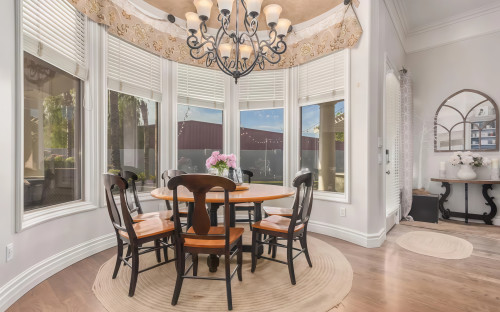
The exact Mesa Recovery.com profile describes five bedrooms, seven bathrooms, full-size beds in semi-private rooms, several living spaces, a pool, a hot tub, and an on-site gym. Those details are secondary campus information and should be confirmed against the actual placement. The official Mesa page provides photographs and the East Minton Street address but does not establish every room arrangement. A prospective resident should verify the bedroom, bathroom access, accessibility, and any particular privacy or dietary needs before arrival.
Legacy’s general accommodation page explicitly describes its Chandler property, including a gated two-acre setting. Those details should not be transferred to Mesa simply because they appear on the same provider website. The distinction is relevant to photographs, grounds, room availability, and travel planning. The admission document should identify the actual residence and its facilities. This allows a person to consider the Mesa clinical program without relying on accommodation claims that belong to a different Legacy campus.
The residential routine includes therapy, shared living, meals, and time outside formal sessions. Legacy’s program information also discusses physical activity, nutrition, and rebuilding everyday habits as parts of care. The availability and purpose of particular activities should be explained for the assigned house. Comfortable surroundings can support daily life, while the treatment plan determines the clinical content. Room privacy, group participation, and the frequency of individual appointments should each be assessed on their own terms.
Length of stay and preparing for discharge
The current official Mesa material emphasizes individualized planning without setting one mandatory duration for all residents. A quoted 30-day period can help describe a financial estimate but does not determine the clinically appropriate length. The team should identify an expected starting period, review points, and the conditions that would support a transition. This is especially relevant when a person has ongoing psychiatric needs or requires additional help with daily functioning. Discharge should connect to the actual support available afterward.
Aftercare planning is explicitly listed among the Mesa program’s services. A practical plan identifies the next therapist or prescriber, appointments, medications, living arrangements, and any additional level of care. The resident may return to an established outpatient team or need new services in another community. The plan should show who arranges each component and how relevant records are transferred. Family or other supporters can participate where appropriate, while the resident remains informed about the next steps.
Fee evidence, insurance, and admissions
The exact Mesa Recovery.com profile inspected on October 20, 2026 displays an estimated cash-pay amount of $35,000 for 30 days. This is third-party pricing rather than an official Legacy tariff or an individual quotation. The amount should remain attached to its stated period and should not be assumed to include every assessment, medication, accommodation request, or subsequent service. A written provider proposal should identify the Mesa campus, expected duration, included care, additional charges, and terms affecting a change in the stay.
Legacy offers insurance verification and describes working with major insurers. The actual policy, residential service, authorization, and patient responsibility require an individual check. The official website publishes several telephone numbers, including 480-568-2805 in its contact links; admissions should confirm the Mesa location when the call is answered. A benefits discussion should make clear what has been verified and what remains subject to approval, so that a general statement about insurance does not become an assumption about the full cost of care.
Compare Mesa with other treatment centers in the United States and the programs in the Arizona treatment guide. Legacy Mesa’s current emphasis is adult residential mental health care with psychiatric support, co-occurring treatment, multiple therapy approaches, and aftercare planning. The most useful comparison names the correct house, explains the clinical plan, and connects the stay to the support needed after residential treatment ends.
Sources reviewed October 20, 2026: official Mesa campus page, Legacy therapy overview, campus-specific accommodation distinction, and exact Mesa secondary profile and pricing. Program details are provider-reported; the Chandler property is not presented as Mesa.
Conditions
Levels of care
Settings
Amenities
Treatment approach
Psychiatric assessment, medication management, individual and group therapy, CBT, DBT, REBT, art and recreational work, family involvement and aftercare; additional trauma methods selected individually
Fees & admissions
USD 35,000 / program
Recovery.com’s exact Mesa profile displayed an estimated USD 35,000 for 30 days on October 20, 2026. This is third-party pricing, not a provider tariff. Confirm the Mesa residence, duration, assessments, medications, accommodation and written total.
Confirm the current program, duration, accommodation and included services directly with the center.
Confirm Mesa placement, diagnosis fit, current 30-day self-pay quote, medication and specialist costs, room availability and aftercare referrals.