
Care at Changes Healing Center — Scottsdale
Changes Healing Center’s Scottsdale residential program
Changes Healing Center describes a Scottsdale residential program for substance use and co-occurring mental health concerns within its wider Phoenix–Scottsdale network. Its current official information combines round-the-clock support, individual and group therapy, medical oversight, family participation, and practical skills for daily life. The Scottsdale-specific page describes a private residential setting with shared living areas, a heated pool, and wellness activities. The assigned house and care level should be confirmed because the provider operates several locations with different arrangements.
The current exact Scottsdale Recovery.com profile describes a program serving up to ten clients at a time. That figure is useful secondary information about the size of the residential community, but the provider should confirm current capacity and the room available for an actual admission. The experience involves both private or shared sleeping accommodation and scheduled work with other residents. A small community does not by itself establish a particular number of individual therapy hours or a private room for every person.
Assessment and the appropriate level of care
Changes describes an intake process that considers personal history, strengths, goals, substance use, and co-occurring mental health needs. Its residential program names alcohol, opioids, fentanyl, cocaine, cannabis, benzodiazepines, heroin, and other substances among the concerns assessed. The level of care depends on the individual’s condition and circumstances. The team should explain whether the Scottsdale residence is the right starting point or whether another medical or clinical service is needed before the residential phase.
The distinction matters when withdrawal risk or other immediate medical needs are present. The current residential information describes medical support and medication management, but a prospective client should establish the precise withdrawal-care arrangements for the assigned location. A general statement that a network provides comprehensive treatment does not specify which services take place in each house. The admission plan should name the receiving site, the recommended first stage, and any expected transfer, using a review of current use, prescriptions, health conditions, and treatment history.
A structured stay with regular review
The provider advertises 30-, 60-, and 90-day residential options and describes 30 to 60 days as a common period, adjusted to progress. These ranges give an orientation to the service rather than a fixed prescription. The published model includes weekly review of goals. The useful admission document explains the expected starting period, the concerns being addressed, and how the team will consider a change in intensity or duration. Work, family, and financial planning should remain connected to that clinical review.
The residential program describes nursing and medical oversight alongside Behavioral Health Technician support. The daily routine includes therapy, groups, meals, peer interaction, and medication support when needed. These roles serve different purposes, so the care plan should explain how residents reach the appropriate professional for a concern. The availability of round-the-clock staff does not mean a therapist or prescriber is continuously meeting one-to-one with each resident. Understanding the actual arrangement makes the level of support easier to assess.
Therapy methods used in the program
Changes’ current residential information names cognitive behavioral therapy, dialectical behavior therapy, rational emotive behavioral therapy, trauma-related work, anger management, and emotional-intelligence skills. The Scottsdale-specific page also identifies EMDR, motivational interviewing, individual therapy, and family work. These are tools within an individualized program rather than a checklist every resident completes. The clinician should connect selected approaches to the person’s difficulties and explain how the work is paced, practiced, and reviewed during the stay.
Cognitive behavioral and rational emotive approaches consider how interpretations and beliefs affect emotional and behavioral responses. DBT-related work emphasizes skills for managing distress, emotions, and interpersonal situations. At Changes, the provider describes practicing tools both in sessions and in daily life. That connection is important in a shared residence, where communication, routines, and reactions to stress can become part of the learning process. The treatment plan should identify the particular situations the resident wants to handle differently.
Motivational interviewing offers a collaborative way to consider personal reasons for change, especially when the person has mixed feelings about treatment or uncertainty about the next steps. Trauma-focused work and EMDR require an individual clinical decision about readiness, timing, and support. The fact that a method is listed does not establish that it begins immediately or that everyone receives it. The resident should have a clear explanation of what a proposed session involves and how it fits the broader plan.
Individual sessions and the residential community
Individual therapy offers room to discuss personal experiences, symptoms, relationships, and goals in greater privacy. Guided groups create a different setting for learning and practicing skills with peers. The provider describes both as central parts of residential care. A current weekly schedule should identify their frequency and distinguish therapy from educational classes, recreation, and personal time. This helps someone compare the clinical commitment of the program without assuming every scheduled activity provides the same type of care.
Changes also emphasizes a supportive community and staff contact as residents work on daily routines. Shared living can create opportunities to practice communication, boundaries, and responses to frustration, while individual sessions can address matters that need private attention. The program should explain how residents raise concerns and how staff respond when participation becomes difficult. The relevant question is how the community supports the clinical plan, rather than whether comfortable surroundings or a small group alone will produce a particular outcome.
Co-occurring needs and medication support
The published program addresses substance use and co-occurring mental health concerns together. Trauma, emotional difficulties, and patterns affecting daily functioning may be part of the assessment. The plan should show how these concerns relate to one another and which clinicians are responsible for the different parts of care. Someone whose primary need is psychiatric treatment without a substance-use concern should make that clear during intake so the provider can identify the appropriate service and setting.
Medication support is described within the residential model, with symptom monitoring and review as the person progresses. Existing prescriptions and any concerns about their effects should be discussed before arrival. The clinical team should explain how medications are managed during the stay, how changes are communicated, and who will prescribe after discharge. Continuing care is especially relevant when a resident returns to another city or state. A transition in accommodation should be matched by a workable plan for ongoing medical or psychiatric contact.
Family work and practical life skills
Changes describes family education, coaching, and therapy when appropriate. These services can address communication, expectations, and the routines that will surround the resident after discharge. Participation should reflect the resident’s agreement and the needs of the relevant relationships. Family members may need support understanding their own role, including how to offer help while maintaining boundaries. The program should explain who attends, whether sessions can occur remotely, and how family work connects with the individual treatment goals.
The provider’s residential information includes financial literacy, career development, problem solving, and effective communication within its practical skills work. Its broader descriptions also cover self-care, time management, nutrition, and managing ordinary responsibilities. The relevant priorities differ by person. One resident may need help establishing a sustainable daily routine, while another may need to plan a return to work or independent housing. The plan should identify concrete tasks and realistic support rather than treating life skills as a generic class title.
Rooms, wellness activities, and the Scottsdale setting
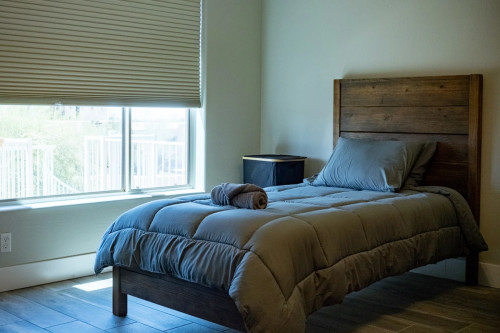
The official Scottsdale page describes a residential environment with common areas, a heated pool, yoga, nutrition classes, meditation, and space for relaxation. The exact-campus secondary profile identifies private and shared bedrooms, a gym, and opportunities for group outings. Those room and activity details should be confirmed for the assigned residence and admission date. A private-room request, mobility need, or dietary requirement should be settled explicitly rather than inferred from photographs or general descriptions of the provider’s properties.
Wellness and recreational activities sit alongside the clinical program. Their purpose may include routine, movement, relaxation, and trying leisure without substance use, while psychotherapy and medical appointments have different roles. The actual schedule should make that distinction clear. The provider’s network includes multiple Phoenix and Scottsdale locations, so an amenity shown for one house should not be assumed at another. The admission proposal should identify the sleeping location, treatment location, and any transport required between activities.
Step-down treatment and planning beyond the residence
Changes offers partial hospitalization and intensive outpatient services within its wider continuum. These may follow residential care when the assessment supports a lower level of treatment. The next stage involves a different balance of structured contact and time outside the program, so housing, transport, and support between sessions become central. The provider should explain the actual schedule and where the person will live. A lower-intensity program should follow clinical need and practical readiness rather than the end of a standard calendar period alone.
Aftercare planning is described as part of the residential stay, with alumni and community connections available for continuing support. A specific plan identifies the next provider, appointments, medication arrangements, living situation, and people involved in support. Those details matter whether the resident remains in Arizona or returns elsewhere. Alumni contact and recovery groups may complement the plan, while clinical follow-up continues when needed. The resident should know who is arranging each component and how to respond if an arrangement changes.
Fee evidence and admission arrangements
The exact Scottsdale Recovery.com profile inspected on October 20, 2026 displays an estimated cash-pay amount of $25,000 for 30 days. This is third-party pricing, not a current tariff published by Changes or an individual quotation. The provider should identify the actual residential location, duration, room, clinical services, and additional costs in writing. The current official admissions number is 855-714-9597. Insurance verification can clarify potential coverage, but authorization and expected patient responsibility depend on the particular policy and recommended service.
Compare Changes Scottsdale with other treatment centers in the United States and the options in the Arizona treatment guide. Its published approach combines a supervised residential setting, several clinical therapy methods, family work, practical skills, and access to a wider outpatient continuum. A meaningful comparison identifies the exact house and evaluates those services against the person’s assessed needs and continuing-care arrangements.
Sources reviewed October 20, 2026: official Scottsdale program, residential treatment model, and exact Scottsdale secondary profile and pricing. Provider-reported services and third-party campus estimates remain subject to confirmation for the actual admission.
Conditions
Levels of care
Settings
Amenities
Treatment approach
Individual and group therapy, CBT, DBT, REBT, trauma work and EMDR when appropriate, motivational interviewing, medication support, family work, life skills and continuing care
Fees & admissions
USD 25,000 / program
Recovery.com’s exact Scottsdale profile displayed an estimated USD 25,000 for 30 days on October 20, 2026. This is third-party pricing, not a Changes tariff. Confirm the actual house, room, recommended duration, clinical services and inclusions.
Confirm the current program, duration, accommodation and included services directly with the center.
Confirm the Scottsdale campus, whether the quote covers a 30-day residential stay, room type, medication and detox costs, and aftercare services.