Care at Magnolia Ranch Recovery — Pulaski
Residential addiction treatment in the Tennessee countryside
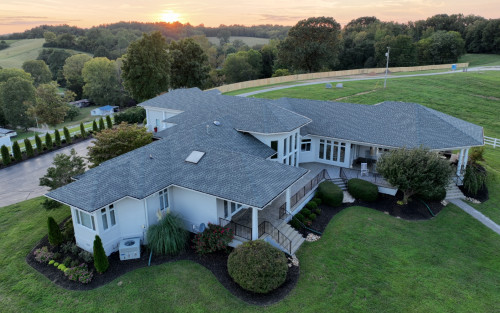
Magnolia Ranch Recovery is a residential addiction treatment program in Pulaski, Tennessee, approximately 75 miles from Nashville according to the provider. Its setting is a country estate with shared accommodation, structured daily programming, and outdoor space. The current official description centers on alcohol and drug treatment, including attention to the emotional, behavioral, and family concerns connected with substance use. The program combines individual and group therapy with a twelve-step framework, experiential activities, and practical case management. This profile describes the Pulaski residential program, rather than assuming every service advertised by an affiliated provider happens on this estate.
The provider currently describes a program lasting up to 45 days, depending on clinical needs. That is a more useful planning reference than treating an older 30-day estimate as a fixed rule for every resident. Magnolia Ranch emphasizes an individually arranged course of care and a plan for the next stage after treatment. A prospective resident still needs an assessment to establish whether this setting can meet their medical and psychiatric needs and whether preliminary withdrawal treatment is required before traveling to the ranch.
A deliberately structured treatment week
Magnolia Ranch publishes a comparatively detailed outline of treatment intensity. Its homepage describes approximately eight hours of programming each day, including weekends, with 25 to 30 weekly hours identified as clinical work. It also states that residents receive three individual therapy sessions per week. These figures describe the advertised program structure and should be confirmed for the actual admission. They do not mean that every hour is private psychotherapy or that each resident follows an identical schedule regardless of health, assessment findings, or the stage of treatment.
The residential page describes a mix of individual meetings, group work, and outdoor activities. Named group topics include nutrition, wellness, relapse prevention, family dynamics, spirituality, moods and thoughts, and recovery skills. On-site twelve-step meetings are part of the published model. The result is a program with relatively little unstructured time compared with simply staying in a supportive residence. Someone who needs substantial remote work time, frequent off-site commitments, or a very different recovery philosophy should clarify those expectations before booking travel or accepting an admission date.
Individual therapy and behavioral methods
Cognitive behavioral therapy and dialectical behavior therapy are explicitly listed among Magnolia Ranch’s clinical methods. The provider also describes experiential therapy, art therapy, and recreational therapy within its weekly program. Individual sessions offer a place to connect these activities with the resident’s own substance use, relationships, stress, and treatment goals. The directory does not treat a therapy list as evidence that every technique will be used with every person. The assigned clinician should explain which methods are appropriate and how they fit together in the individual plan.
Magnolia Ranch’s published approach seeks to address concerns that precede or accompany substance use rather than focusing only on abstinence during the stay. This includes psychological and family issues, coping patterns, and practical difficulties in everyday life. That broad approach should still be translated into specific, achievable treatment goals. A person with a prior diagnosis, ongoing medication, or a recent psychiatric admission should discuss those details openly during assessment so that the program can determine whether additional specialist care or a different clinical setting is needed.
Equine work, creative activities, and the grounds
Equine-assisted work is one of Magnolia Ranch’s most distinctive advertised activities. The homepage describes equine therapy twice weekly, while the residential program page labels equine-assisted psychotherapy as optional. Those details suggest a scheduled opportunity whose suitability and participation should be discussed with the clinical team. The public description should not be read as a promise of riding lessons, unrestricted access to horses, or the same activity in all weather conditions. Residents can confirm the current format and alternatives if mobility, allergies, fear of horses, or another concern affects participation.
The provider also names art, music, yoga, meditation, and recreational activities. These give residents ways to participate beyond seated conversation, while the residential schedule still centers on treatment. Recovery.com describes a walking labyrinth and outdoor areas used for reflection, but the significance of the setting depends on how the individual experiences it. A country estate may feel restorative to one person and isolated to another. Admissions can help clarify accessibility, indoor alternatives, and how outdoor activities are adapted to a resident’s health and comfort.
Accommodation and everyday life at the ranch
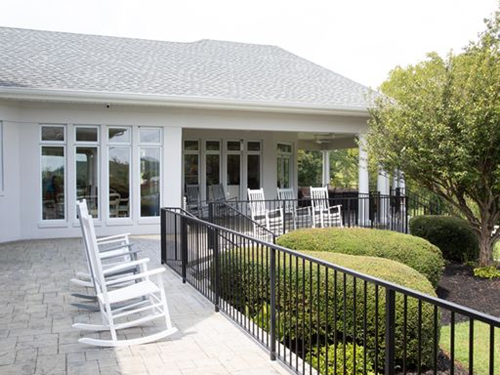
The official website describes more than 38 acres of grounds and a residential mansion of approximately 7,000 square feet. It lists ten semi-private rooms and 25 beds, so a private bedroom should not be assumed from the estate’s size or the directory’s images. The residential page describes dual-occupancy accommodation, while the overall bed count indicates that the actual arrangement should be confirmed for the available room. Recovery.com additionally describes gender-separated residences. The relevant accommodation details are the assigned house, room occupancy, bathroom arrangements, and accessibility at the time of admission.
Magnolia Ranch advertises an in-house chef, prepared meals, on-site activities, and transportation arrangements. Its residential information says computers can be used when designated computer time is arranged. That supports limited planned access rather than an unrestricted business-working program. Residents should clarify the policy for personal phones and laptops separately, because the computer statement does not establish that all devices are permitted throughout the day. Dietary requirements, allergies, mobility needs, and any equipment used for an existing health condition are best discussed before accepting a room.
Family sessions with remote participation
The family program has a defined clinical component. Magnolia Ranch encourages a weekly session involving the resident and a licensed therapist, with relatives attending at the clinical offices or by telephone or video. Its official description refers to an hour-long session for families able to attend in person. This is useful for relatives who live outside Tennessee: participation need not depend entirely on travel to Pulaski. The timing, participants, and information shared still need to be agreed within the resident’s treatment and consent arrangements.
Topics described by the provider include communication patterns, boundaries, family distress, and experiences that may affect the household’s response to addiction. The goal of including relatives should be a workable and respectful plan, rather than assuming that every family has the same difficulties or that blame belongs with a particular person. Where returning home is being considered, family sessions can connect treatment with practical decisions about support, living arrangements, and continued appointments. The public program description does not require reconciliation with an unsafe or unwanted relationship.
Case management and responsibilities outside treatment
Magnolia Ranch gives unusual prominence to case management on its homepage. Its listed areas include employee advocacy, legal case management, union and employer coordination, career coaching, and professional guidance. These services may be relevant when a person’s treatment overlaps with work leave, employment concerns, or an existing legal process. They should be understood as coordination and support within the program’s role. The website does not establish that the center provides legal representation, guarantees a particular employment outcome, or can determine what an outside agency will accept.
A practical admission discussion can identify which responsibilities need attention during the residential stay and what consent is required before staff contact anyone else. For example, an employer may need documentation of attendance, while a continuing therapist may need a clinical handover. Those are different forms of communication and should not be treated as interchangeable. The value of case management is the specific work agreed for the individual resident, with clear limits on what the team can arrange and what remains the responsibility of another professional or organization.
Withdrawal care and the transition into residence
The current residential program should not automatically be described as on-site medical detoxification. Recovery.com states that people who need detox may begin at a sister program in Kentucky and then travel to Magnolia Ranch. The reviewed official residential page contains broader language about supervised treatment, but does not clearly establish the current location and staffing of a separate detox service at the Pulaski estate. Anyone with possible withdrawal needs should ask admissions to identify the exact first treatment site, the clinical handover, and transport arrangements before traveling.
This distinction also affects the quoted duration and cost. A preliminary stay at another facility may be a separate admission with its own insurance authorization and charges. A resident should not assume that a ranch package automatically includes a particular detox service, transport distance, or medical consultation. The clinical assessment needs to determine the appropriate sequence of care. The directory’s description of an affiliated pathway is intended to make that sequence clearer, not to prescribe a withdrawal plan or suggest that a person can determine their required care from symptoms alone.
Aftercare, fees, and planning an admission
Magnolia Ranch describes post-treatment planning and an alumni community. Recovery.com reports alumni meetings by video, events, and support from an alumni coordinator. These are useful continuing connections, but they do not replace any therapy, medication follow-up, or other clinical care recommended at discharge. A concrete plan should identify where the resident will live, which appointments have been arranged, and whether outpatient treatment or another step-down setting is appropriate. The advertised up-to-45-day residential period is one part of that plan rather than a guarantee that all treatment needs will be completed within it.
Recovery.com lists an estimated cash-pay price of $24,500 for 30 days. That is a third-party estimate and should not be extended automatically to a 45-day stay or a separate detox admission. Magnolia Ranch’s official admissions number is +1 888-992-7955, and the provider offers individual insurance verification and a treatment recommendation. Request a written explanation of the planned duration, accommodation, included services, and financial responsibilities. For broader comparisons, see United States treatment destinations and the directory’s Tennessee treatment guide.
Sources and verification
Reviewed October 20, 2026: Magnolia Ranch Recovery’s current program and accommodation overview; residential treatment; family program; and Recovery.com’s campus listing, affiliated detox pathway, alumni information, and estimated price. Secondary details are attributed and require confirmation with the admitting provider.
Conditions
Levels of care
Settings
Amenities
Treatment approach
CBT, DBT, three advertised individual sessions weekly, structured daily groups, twelve-step meetings, optional equine work, art and recreation, weekly family sessions, case management and aftercare
Fees & admissions
USD 24,500 / program
Recovery.com estimated USD 24,500 for 30 days, checked October 20, 2026. This is not an official tariff and does not establish the cost of the current up-to-45-day program or a separate detox admission. Confirm duration, room, transport and insurance responsibilities.
Confirm the current program, duration, accommodation and included services directly with the center.
Ask which services are included in the cash estimate, room arrangements, detox coordination, medication support, family participation and the step-down plan after discharge.