Care at Allure Detox & Residential — West Palm Beach
Detox and residential care in West Palm Beach
Allure Detox provides medical detoxification and residential addiction treatment in West Palm Beach, Florida. Although detox remains prominent in the name, the current official service list includes a residential phase, dual-diagnosis care, medication-assisted treatment, and continuing support. The provider is part of the Recreate Behavioral Health Network. Its published approach combines medical stabilization with counseling and a structured environment in which people can begin addressing the behavioral and emotional concerns connected with substance use.
The program welcomes men, women, and young adults, and its official background page explicitly includes the LGBTQ community. It also advertises a military and veterans program. These statements describe the intended population, while individual assessment determines whether the facility can meet a particular person’s needs. The directory profile concerns the West Palm Beach program; location pages for other Florida communities should not automatically be interpreted as evidence that Allure operates an identical residential campus in each place.
Medical detoxification as an initial phase
Allure’s central service is medically supervised withdrawal care for alcohol and a range of drugs, including opioids, benzodiazepines, stimulants, and prescription medications. The provider describes monitoring, medical support, and protocols tailored to the person’s circumstances. The intake assessment needs to establish the substance use history, current medications, previous withdrawal experience, and relevant physical and mental health concerns. Those details help the clinical team decide whether this setting is appropriate and what care should be planned before arrival.
The program’s public information describes access to doctors and nurses during detoxification and counseling support alongside medical care. This is an advertised treatment capability, not a guarantee that every medical situation can be managed at the facility. Someone with significant medical complications or recent hospital treatment should have the proposed admission reviewed by the relevant clinicians. The directory does not provide withdrawal timelines or medication instructions; the duration and treatment plan need to be determined for the individual rather than inferred from a listed daily fee.
The residential phase after stabilization
Allure’s current residential page describes a typical residential range of seven to thirty days, adjusted according to assessment, progress, and goals. That differs from treating thirty days as a universal stay. The purpose of this phase is to provide continuing structure after medical stabilization, with therapy, medical check-ins, wellness activities, rest, and contact with peers. A person may need a different sequence or duration, so the recommended plan should explain how the detox and residential phases relate to each other.
The residential setting provides overnight accommodation and supervision while the person participates in treatment. An admission proposal should distinguish the clinical recommendation from the days actually authorized by insurance, and explain how the plan will be reviewed. For someone arranging leave from work or support for family responsibilities, those review points can be important. A program range on a website helps with initial planning, but the actual stay should be based on the person’s needs and the agreed course of care.
Counseling and behavioral treatment
Cognitive behavioral therapy and dialectical behavior therapy are explicitly included in the current residential description. Individual counseling, group therapy, and family therapy are also named. These methods provide different settings for addressing substance use, emotional distress, relationships, and practical recovery goals. Their inclusion on the website establishes the advertised approach, while the individual treatment plan should identify which methods are being used and why. The reviewed pages do not promise a fixed number of private psychotherapy appointments for every resident.
Individual sessions give the resident a place to discuss personal concerns with a clinician. Group work adds shared discussion and opportunities to practice communication within the treatment community. The residential program also describes relapse prevention and preparation for continuing care. Those elements are most useful when they connect with the circumstances the person expects to face after discharge, such as returning to work, managing relationships, or resuming care with an existing therapist. The directory does not infer a particular outcome from the presence of several therapy methods.
Co-occurring mental health concerns
Allure advertises dual-diagnosis care for people with substance use and accompanying mental health needs. This can bring psychiatric concerns into the same treatment plan as addiction care rather than treating them as an unrelated issue to address later. The assessment should identify the actual symptoms, current diagnoses, prescribed medications, and previous treatment experience. A broad dual-diagnosis label does not mean that every primary psychiatric condition or level of acuity is appropriate for this facility.
For someone already receiving mental health treatment, continuity deserves attention during the admission process. The proposed plan should identify who manages psychiatric medication, how records are obtained with consent, and how care will return to the existing clinician or another provider afterward. A resident can also clarify what psychiatric review is included during the stay. The provider’s published service list supports coordinated care, but it does not establish that every specialist service or outside treatment can be delivered in the same way within residence.
Medication-assisted treatment and recovery options
Medication-assisted treatment is a stated part of Allure’s program where clinically indicated. The residential page names options such as buprenorphine and naltrexone within a broader combination of medication and counseling. These references describe possible medical approaches, not a prescription for a prospective patient or a commitment that any particular medication will be used. Someone with an established regimen can discuss how it will be assessed and what follow-up would be needed after discharge.
The official service list also includes a twelve-step treatment program. This is one element to discuss when assessing the overall recovery approach, especially for someone with prior experience or specific preferences. The program’s clinical therapies and medical care should be understood alongside, rather than replaced by, peer-support activities. The relevant admission information is the actual schedule, which activities are expected, and how the resident’s goals and previous recovery supports are taken into account in the individual plan.
Military and family support
Allure’s residential page describes a military and veterans option that includes trauma-informed care, peer support, and counseling related to military experience. It identifies active-duty personnel, veterans, and military families within that program’s intended scope. This should not be taken as automatic eligibility for any particular funding arrangement or confirmation that every family member will enter the same residential pathway. The admitting team should clarify the appropriate service, referral requirements, and individual clinical needs.
Family therapy and family-support services are also part of the wider program. The provider identifies a family-services role within its team and describes helping relatives understand the treatment process. A family can clarify the format of participation, the timing of sessions or visits, and how remote involvement is handled when travel is difficult. Clinical participation depends on the resident’s consent and treatment plan. A relative’s need for education or practical guidance can be considered separately from access to private treatment information.
Accommodation and daily comfort
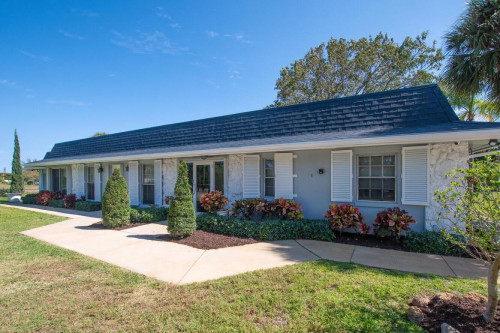
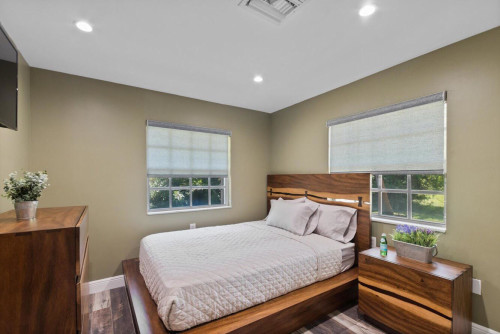
The current residential page describes private or semi-private rooms with air conditioning, private bathrooms, television, Wi-Fi, and housekeeping. It also identifies common areas, shaded outdoor spaces, and catered meals. These details give a concrete picture of the environment while making clear that a private bedroom is an option rather than the only published arrangement. The offered room, accessibility, and any relevant dietary needs should be confirmed before admission, especially when those details materially affect whether the stay is suitable.
Allure advertises yoga, meditation, massage, acupuncture, chiropractic care, and other selected wellness services. These activities complement the medical and therapeutic program, with participation determined by the person’s circumstances and the current schedule. The availability of Wi-Fi or television does not establish an unrestricted device or remote-work policy. Someone who needs essential contact with family, an employer, or another clinician should discuss the practical arrangements in advance, including any limits during stabilization and scheduled treatment.
Continuing care and the wider network
The current website includes aftercare and telehealth services, and the residential page describes possible transitions into outpatient care, sober living, or community support. These are separate stages that should be specified in the discharge plan. The Recreate network relationship may offer additional options, but a referral to another program should identify the actual operator, location, clinical service, housing arrangement, and financial responsibility. A network name alone does not establish that a later placement is included in the residential fee.
Allure also describes alumni support and ongoing contact after formal treatment. Such connections can supplement the resident’s continuing plan, while any recommended therapy, medication management, or other clinical follow-up still needs to be arranged. For a person returning outside Florida, local availability and coordination may be particularly important. A useful handover identifies the next appointments and providers, along with the information to be shared with the resident’s consent, rather than relying only on a general statement that aftercare is available.
Daily price estimates and admissions
Recovery.com lists estimated cash-pay rates of $900 per residential day and $1,000 per detox day. These are third-party estimates, not official fixed tariffs. The earlier $27,000 figure represents thirty residential days multiplied by the daily estimate; it is not a verified monthly package or necessarily the planned length of care. The actual proposal should state the expected duration of each phase, medical and medication charges, accommodation, any optional services, and the financial responsibility after insurance review.
The current official admissions number is +1 561-475-3505. Allure offers benefits verification and an assessment of the appropriate treatment pathway. Before arranging arrival, confirm the West Palm Beach placement, the recommended initial level of care, room arrangements, and the transition plan. Readers comparing regional options can explore the directory’s United States treatment destinations and Florida treatment guide. The most useful comparison is the actual clinical sequence and confirmed services for the person seeking care.
Sources and verification
Reviewed October 20, 2026: Allure Detox’s current services and contact information; residential program; provider background and population; and Recovery.com’s estimated daily prices. Current official phone and residential duration replace the older third-party contact line and implied fixed monthly stay.
Conditions
Levels of care
Settings
Amenities
Treatment approach
Individual and group counseling, CBT, DBT, family therapy, medication-assisted treatment when indicated, twelve-step options, wellness activities, discharge planning and alumni support
Fees & admissions
USD 900 / day
Recovery.com estimated USD 900 per residential day and USD 1,000 per detox day, checked October 20, 2026. These are separate third-party estimates, not an official package. The former USD 27,000/30-day comparison was arithmetic, not a provider-published monthly tariff. Confirm all clinical and optional charges.
Confirm the current program, duration, accommodation and included services directly with the center.
Confirm planned residential length, whether the $900 daily rate is constant, detox billing, medication charges, room arrangement, military-track eligibility and alumni support.