
About Hidden Oaks — Chatfield
Hidden Oaks’ residential ranch near Chatfield
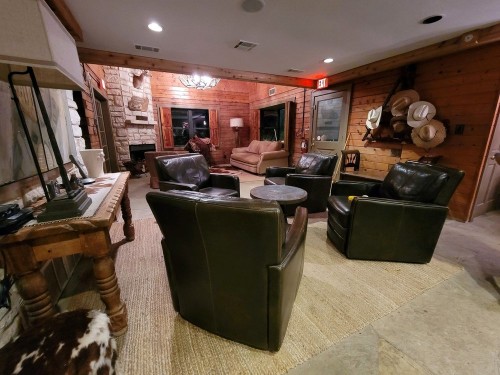
Hidden Oaks is Resolutions Healthcare’s detox and residential ranch in Chatfield, Texas. The official site describes a secluded 46-acre property approximately an hour from Dallas, with treatment organized around the provider’s mind, body, and spirit philosophy. It is the network’s inpatient setting, while other locations support different stages of care. For people comparing treatment programs in the United States, Hidden Oaks offers a rural alternative to a city-based residence, with a distinctive trauma-focused model and a combination of clinical work, outdoor activity, and structured daily living.
The program describes addiction treatment with attention to co-occurring difficulties and unresolved experiences that may be relevant to a person’s substance use. Its own Resolution Focused Therapy model is central to the published approach. This gives a prospective client something concrete to evaluate: whether the philosophy, clinical schedule, and ranch environment match the way they want to engage in treatment. The provider’s explanation of its model should be considered alongside an individualized assessment, especially for someone with significant medical needs, recent psychiatric instability, or a history of difficult experiences in previous programs.
Detox, residential care, and expected duration
Resolutions Healthcare’s current FAQ describes traditional inpatient stays of 30, 60, or 90 days, including detox and residential care, with shorter individualized arrangements considered when appropriate. It also describes detox-only admissions that may last approximately five to ten days before a possible transition to outpatient treatment. These are examples of pathways rather than a guaranteed timetable. The actual recommendation should explain the starting level of care, how medical and psychiatric needs will be reviewed, and what conditions need to be met before someone moves into the next phase.
The official FAQ states that nursing support is available around the clock and that medical and psychiatric nurse-practitioner support is on call. It also describes medication used to help manage withdrawal symptoms. That information is useful, but a prospective client should distinguish continuously present staff from a clinician who is available when contacted. Before arrival, clarify the monitoring appropriate to the person’s withdrawal risk, the review of existing prescriptions, and the procedure for transfer if hospital services are needed. A clear account of staffing and escalation is more informative than a general reference to medical care.
Resolution Focused Therapy and trauma-related work
The provider describes Resolution Focused Therapy, abbreviated RFT, as its proprietary model with a cognitive behavioral foundation. Its stated focus is the relationship between present difficulties and unresolved past or current experiences. The official philosophy page identifies the model’s developer as co-founder and executive Vinnie Strumolo. These are descriptions of the organization’s own approach, not independent evidence that this proprietary model is superior to other treatment methods. A client can ask how the model is applied in sessions, how progress is reviewed, and what alternatives or adaptations are available when a particular exercise is not useful.
The Hidden Oaks material explicitly recognizes that a short residential stay cannot resolve every traumatic experience. Instead, the program describes beginning that work and teaching grounding skills that clients can continue practicing after discharge. This is an important limit in understanding the offer. Someone considering the ranch for trauma-related concerns should ask how initial stabilization is handled, how the pace is agreed, and how follow-up therapy will continue. The goal of a residential period should be defined in achievable terms rather than as a promise to complete all trauma work before returning home.
Grounding and the recognition of triggers are emphasized in the official FAQ. In practical terms, a client may want to understand which situations tend to disrupt their ability to remain present, make decisions, or use available support. The treatment plan should connect any skills taught at the ranch to circumstances likely to arise after discharge. That could include family conflict, reminders of difficult experiences, or stressful changes in routine. The useful question is how the client will practice and review those responses with a clinician, rather than simply receive information about them in a group.
Daily programming and the therapeutic community
The inpatient description advertises daily recovery-focused groups as part of the Hidden Oaks schedule. The ranch setting provides a shared environment in which clients participate in treatment and ordinary routines together. Prospective residents should ask for a sample week identifying group topics, individual appointments, medical reviews, and activities. This is particularly important when comparing a program with a proprietary clinical philosophy, because a description of the model does not reveal how much time a person will spend in different kinds of sessions or who will deliver them.
The mind, body, and spirit framework also shapes the way Resolutions discusses recovery support. Its FAQ names Alcoholics Anonymous, Narcotics Anonymous, SMART Recovery, Celebrate Recovery, and other organizations as possible choices aligned with a client’s beliefs and needs. That range suggests the peer-support plan can be discussed rather than assumed to follow one route. A person with a strong preference for secular or faith-based support should explain it early and ask how the choice is reflected during treatment and in the actual meetings or resources recommended after leaving the ranch.
Wilderness activities, exercise, and the rural environment
Hidden Oaks advertises a supplementary wilderness and survival component intended to connect treatment skills with practical challenges. The official FAQ describes it as additional to regular substance use programming. It should therefore be evaluated as one part of the experience, with its purpose, supervision, and physical demands explained before participation. Someone with mobility limitations, chronic pain, anxiety about outdoor activities, or little experience in a rural setting can ask about alternatives. Participation should fit the individual’s health and treatment plan rather than become an assumption based solely on the program’s ranch identity.
The property also has a 6,000-square-foot indoor gymnasium with basketball space, weights, and other exercise equipment, according to the official inpatient and FAQ pages. Outdoor recreation is part of the broader campus presentation. These facilities can add variety to a residential routine, but their availability does not mean that exercise is prescribed in the same way for every client. Ask how activities are scheduled, whether supervision is provided, and how physical restrictions are accommodated. The distinction between a therapeutic session and recreational time helps clarify what is included in a typical day.
The official packing guidance reflects the setting: casual clothing for groups, exercise clothing for the gym, and suitable outdoor clothing for ranch activities. The property is described as peaceful and relatively removed from city distractions. That may appeal to someone who wants distance from familiar routines, while others may need to consider travel access, visitors, and the experience of a more secluded environment. Confirm the arrival location and transportation arrangements in advance, particularly if medical detox is the first phase and a client may be uncomfortable or tired on arrival.
Accommodation, communication, and personal needs
The current official material establishes overnight care at the ranch but does not provide a clear universal room specification for every resident. A private bedroom should therefore not be assumed. The admissions agreement should explain room sharing, bathroom access, accessibility, meal arrangements, and storage of medication or valuables. These details can materially affect comfort and participation, especially for someone with sleep difficulties or a need for a particular accommodation. A general description of a private, secluded property refers to the setting and is not the same as confirmation of a private room.
Resolutions’ FAQ describes restrictions on cellphone use, with exceptional circumstances available for discussion before admission. It does not publish unrestricted access or a single detailed timetable in the material reviewed here. People with essential family or work responsibilities should arrange a communication plan with admissions rather than assume they can remain continuously available. This can include how urgent messages are passed on, whether scheduled calls are possible, and what arrangements are needed before travel. Establishing those expectations in advance reduces the chance of a practical conflict during the first days of care.
Planning the next level of care
The wider Resolutions network describes partial hospitalization and intensive outpatient services in addition to the Chatfield ranch. Its published inpatient page outlines PHP attendance on five days per week and IOP attendance on at least three days, with different daily clinical hours. Those descriptions belong to the network’s continuum and should not be taken as proof that all outpatient services occur at Hidden Oaks itself. A discharge plan should identify the actual next location, transport requirements, housing arrangements, and responsible clinicians, particularly for a client who intends to remain in Texas after residential treatment.
For someone returning home elsewhere, continuity may require referrals outside the Resolutions network. The RFT philosophy itself emphasizes that work on past experiences can continue beyond a brief stay, making the follow-up plan especially relevant. A client should leave knowing which skills to keep practicing, who will provide ongoing therapy or medication management, and how to access appropriate peer support. Family or trusted supporters can be included with consent when they have a practical role in that transition, but the plan should remain usable even if a particular relative cannot participate.
Current fee evidence and what to confirm
Recovery.com’s visible pricing table lists an estimated $25,500 for a 30-day inpatient program and a separate $8,700 for six days of detox. The same listing includes outpatient session estimates, which should be treated as different services and confirmed for the relevant location. These are secondary cash-pay figures reviewed on October 20, 2026, not official provider tariffs. The 30-day inpatient amount is retained as a program estimate rather than converted into a general monthly charge or assumed to include every stage of a longer stay.
A current quotation should clarify whether detox is included in the proposed residential arrangement or billed separately, the expected length, accommodation, medication charges, and any later outpatient or housing costs. If insurance will be used, obtain the program’s explanation of authorization and the client’s financial responsibility. The provider’s FAQ permits individualized lengths, so an estimate for one 30-day course cannot determine the cost of a shorter detox-only admission or a 60- or 90-day plan. The financial discussion should follow the actual clinical recommendation.
The official Resolutions Healthcare contact number is 214-764-0086. Specify Hidden Oaks in Chatfield when requesting information so the proposed campus and level of care are clear. The Texas treatment guide can provide context for comparing other rural and urban programs. Hidden Oaks’ distinguishing features are its 46-acre residential ranch, proprietary trauma-focused model, and activity-based environment. Its fit depends on how those features translate into an individualized schedule, suitable medical support, and a workable plan after the ranch stay ends.
Sources reviewed
Reviewed October 20, 2026: official Chatfield campus, inpatient services and network care levels, Resolution Focused Therapy philosophy, duration, medical support, activities, and phone policy, official contact, and secondary campus and estimated fees. No unverified gender restriction, private-room entitlement, or outcome guarantee is asserted.
Destinations
Conditions
Levels of care
Settings
Program approach
Daily recovery groups, proprietary cognitive-behavioral-based Resolution Focused Therapy, trauma grounding skills, medical and psychiatric support, supplementary wilderness activities, exercise, individualized peer-support choices and continuing-care planning
Fees & admissions
Estimated USD 25,500 / program
Recovery.com visible table estimated USD 25,500 for 30-day inpatient care and separately USD 8,700 for six-day detox, checked October 20, 2026. PHP USD 400/session and IOP USD 125/session are separate secondary network estimates, not an all-services package or proof of Chatfield outpatient delivery. Confirm current written quote and inclusions.
Confirm the current program, duration, accommodation and included services directly with the center.
Confirm the Chatfield campus, detox needs, room arrangement, services included in the inpatient quote and the step-down plan.