Care at St. John’s Recovery Place — Crescent City
Adult addiction treatment in Crescent City
St. John’s Recovery Place, usually shortened to SJRP, provides detox and residential treatment for adults whose primary concern is alcohol or drug use. Its Crescent City campus is at 1125 North Summit Street, Florida, and serves men and women age 18 and older. The organization also addresses co-occurring mental health conditions within addiction treatment. That distinction matters when comparing programs: this is an addiction-focused residential service, and a person seeking treatment for a psychiatric condition without substance use should ask whether a different setting is appropriate. The official campus description establishes the location and population; an individual assessment determines whether the available care matches a particular person’s needs.
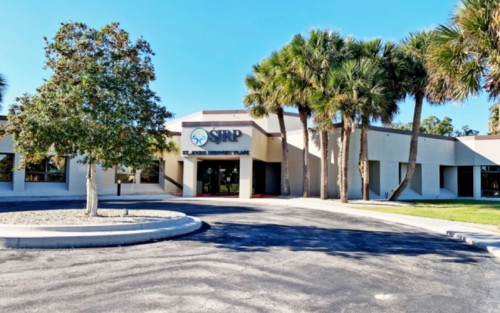
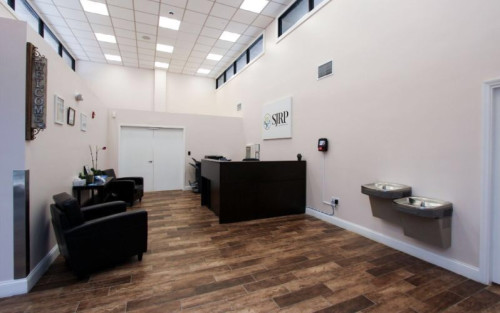
The provider describes a renovated facility on 30 acres near Crescent Lake, with semi-private bedrooms, a commercial kitchen, an on-site chef, and space for outdoor activities. Its wooded setting is one of the practical differences between this program and an urban treatment residence. Shared accommodation and a structured treatment community remain central to the experience, however. The property is intended for people living through an organized clinical program, with staff involvement and scheduled activities. Someone who needs an accessible bedroom, dietary accommodation, or a particular bathroom arrangement should have that requirement assessed before accepting a bed, because a general description of the grounds cannot establish those details.
Assessment and the transition from detox to treatment
SJRP’s admissions process starts with a telephone screening. Staff ask about substances used, previous treatment, medical history, mental health concerns, eating and sleeping patterns, and the person’s circumstances at home. Insurance and financial arrangements are considered alongside clinical suitability. The information is reviewed before an admission time is scheduled. For the person calling, the useful preparation is an accurate medication list and a clear account of recent use and earlier withdrawal experiences. The purpose is to help the receiving team plan the right level of support, including whether additional medical evaluation is needed before residential admission.
On arrival, the published process includes identification and insurance documentation, admission paperwork, securing valuables, and an introduction to nursing. The inpatient program page describes nursing involvement in checking vital signs, medication management, and ongoing health monitoring, alongside counseling and individualized treatment planning. Detox and residential rehabilitation have different immediate tasks even when they occur within the same organization. Early care focuses on assessment and stabilization; participation in the fuller therapy program develops as the person becomes able to engage. The exact medical coverage, prescribing arrangements, and thresholds for transfer to a hospital should be explained for the individual admission.
Residential length is reviewed against the treatment plan rather than inferred from the size of the campus or an advertised day rate. SJRP discusses a common thirty-day residential starting point, while its directory listing describes a typical twenty-eight-day program. Neither number establishes the duration needed by every resident. A proposed stay should identify how detox is counted, what goals will be reviewed during residence, and what support is expected afterward. It is also useful to distinguish the team’s clinical recommendation from the period an insurer initially authorizes; those are separate decisions that may be reconsidered during treatment.
Counseling and co-occurring mental health needs
The provider’s clinical descriptions combine individual counseling, group work, relapse-prevention planning, and support for mental health symptoms that accompany substance use. Its cognitive behavioral therapy page explains that therapists select and adapt approaches for the resident’s circumstances and the changing composition of treatment groups. CBT focuses attention on relationships among thoughts, feelings, and actions. In an addiction program, that creates a way to examine situations associated with use and rehearse a different response. The number of individual sessions and the balance between individual and group treatment should be discussed as part of the actual weekly plan.
SJRP identifies depression, anxiety, bipolar disorder, and post-traumatic stress among the concerns it may encounter alongside addiction. A listing of conditions is not a promise that every degree of psychiatric or medical complexity can be managed in this setting. Someone already receiving psychiatric care should describe that treatment during screening and ask how records, medications, and follow-up decisions will be coordinated. For trauma-related work, the immediate goal may be establishing stability and a tolerable daily routine before more demanding therapeutic tasks. The assessment should make clear which concerns will be addressed during residence and which require continuing specialist care.
Equine work and other experiential activities
Equine-assisted therapy is a specific part of SJRP’s published program. The current equine page names a partnership with Healing Hearts Therapies & Equine and describes most residents attending sessions twice weekly. Its introduction also uses the broader word “weekly,” so the actual schedule should be confirmed. The described work involves guided interaction, communication, boundaries, and attention to responses during an activity. It is a therapeutic opportunity rather than an automatic riding entitlement. The source also describes time outside the treatment center; families should not assume the Crescent City grounds contain the equine facility.
This part of the program may appeal to a person who wants ways to participate beyond seated discussion. Practical suitability still matters: mobility needs, comfort around animals, transport, and the availability of an alternative activity should be considered. SJRP also lists mindfulness, recreation, art, music, and other wellness-oriented opportunities across its treatment materials. Their role is best understood through the resident’s schedule and clinical goals. A broad therapy menu does not show how often every service is available, whether each is included in the quoted fee, or whether a particular person will be medically cleared to participate.
Understanding the NeuroIntegration option
The provider calls one of its additional services NeuroIntegration Therapy. Its description combines an EEG-based recording presented as a brain map with sound and vibration sessions. Participation is elective and requires medical clearance. The published sequence includes an initial recording during detox and a later recording after at least two weeks of residential treatment. Those details help a prospective resident understand what is being offered; they do not establish that the service diagnoses addiction, repairs the brain, or produces a particular recovery outcome. SJRP’s promotional explanations should be discussed with the treating clinician in that context.
Someone considering this option can ask who interprets the recordings, what clinical decisions they inform, what limitations apply, and how the results are explained. A useful discussion would also establish whether the service carries an additional charge and whether declining it changes access to the core treatment program. These are questions about the proposed service, not a requirement to select it. Counseling, medication decisions, and a practical continuing-care plan still need to be understandable in their own right, without relying on a colorful recording or a percentage change as proof of lasting improvement.
Family contact and the residential routine
The published communication policy is more specific than a general promise of family involvement. Residents receive an initial call during admission. Later personal calls are scheduled through the case manager or primary counselor and take place with a staff member present. Family members can leave a voicemail message rather than calling the resident directly. The same FAQ says in-person visits are not currently available. Virtual family sessions may be considered after at least two weeks, subject to the primary therapist’s clinical approval and scheduling. These arrangements should be reconfirmed when arranging admission because house policies can change.
For a parent, partner, or working adult, those restrictions affect planning before arrival. Essential household responsibilities, emergency contacts, and any necessary communication with an employer can be organized in advance. The provider asks residents to bring contact information for people who may need documentation of treatment, and it does not offer off-campus transport for ordinary shopping or personal errands. A person who expects frequent unrestricted device use should discuss that expectation directly with admissions. Family participation also needs to follow the resident’s agreed permissions and therapeutic plan; the existence of a support relationship does not automatically establish access to clinical updates.
Fees, insurance, and care after discharge
As checked on October 20, 2026, Recovery.com’s campus listing shows an estimated cash rate of USD 850 per day. Its FAQ also contains a separate USD 18,500 figure without a clearly matching episode, so neither should be treated as a current individualized quotation. The daily figure is attributed here as a third-party estimate rather than multiplied into an invented monthly package. SJRP’s own payment information describes insurance verification and self-pay options without publishing a fixed tariff on the reviewed page. A written estimate should specify detox, residential days, medications, additional services, and financial responsibility if the stay changes.
SJRP’s FAQ describes an initial insurance authorization followed by progress reviews at intervals set by the insurer. This explains why benefits verification and a proposed admission date do not themselves settle the funding for an entire stay. The person responsible for payment can ask when the next review is expected, how a change in authorization will be communicated, and what choices would be available if funding changes. The provider says counselors keep residents informed about insurance status. A useful admission discussion identifies who will also communicate financial updates to an authorized family member and how any self-pay extension would be agreed.
The provider’s aftercare description gives case management a practical role: coordinating documentation, arranging follow-up medical appointments, and considering outpatient treatment or sober living. These are individualized discharge arrangements, not evidence that every subsequent service operates at the Crescent City campus. Before departure, the useful result is a clear receiving provider, an appointment date, medication continuity where relevant, and a realistic plan for work and home responsibilities. Families comparing this approach with other treatment programs in the United States can use the campus’s adult addiction focus, shared rooms, contact rules, and proposed continuing care as concrete comparison points. The official admissions number is +1 833-397-3422.
Reviewed October 20, 2026. Campus, program, admissions, communication, therapy, and payment details come from the linked SJRP pages. The daily price is an attributed third-party estimate with a conflicting directory FAQ noted. Availability and individualized clinical arrangements require confirmation with the provider.
Conditions
Levels of care
Settings
Treatment approach
Individual/group counseling, CBT, nursing and medication management, co-occurring support, relapse prevention, partner equine work, mindfulness and creative/recreational activities; elective medically cleared NeuroIntegration with EEG-based mapping and sound/vibration sessions
Fees & admissions
USD 850 / day
Recovery.com exact-campus estimate USD 850/day, checked October 20, 2026; its FAQ also gives USD 18,500 without a clearly corresponding episode. Third-party guidance, not an official tariff or guaranteed package; no monthly multiplication retained. SJRP quotes self-pay options and verifies insurance individually. Confirm detox/residential duration, medications, optional services, extensions and aftercare costs.
Confirm the current program, duration, accommodation and included services directly with the center.
Ask whether medical detox is needed, what the daily rate includes, how room assignments work and which outpatient or community supports are arranged at discharge.