
Care at Point Break Recovery – Ventura
Point Break Recovery provides residential addiction and mental health services in Ventura, California, with its published contact address at 2100 Pierpont Boulevard. The current official website describes medical detox, residential treatment, integrated care for co-occurring conditions and continuing-care pathways. Its coastal setting is near the beach, but the treatment offer is defined by assessment, clinical programming and support rather than by the location alone.
The service has both substance-use and mental health program information. This matters because a person may be seeking withdrawal support, help with a primary mental health condition, or treatment for both. These are different clinical starting points. The admissions team should identify the specific program, residence, professional support and level of care appropriate to the individual rather than treating all published services as one interchangeable package.
Assessment and clinical fit
Point Break’s residential mental health material describes an evaluation of symptoms, treatment history, trauma, medications, physical health and any substance use. Its dual-diagnosis program adds psychiatric and psychological assessment to understand how the person’s concerns interact. The purpose is to establish a coordinated plan, including what can be managed within the residence and whether another setting is needed first.
The published mental health scope includes depression, anxiety, bipolar presentations and trauma-related difficulties. The provider also discusses people whose symptoms interfere substantially with daily life or who need more support than outpatient appointments provide. These descriptions should not be taken as a guarantee of admission for every severity. A residential program’s advertised support is distinct from an acute psychiatric hospital or emergency department.
The current secondary profile identifies men and women, including young and midlife adults. An individual should confirm age eligibility and any needs that affect safe participation directly with admissions. A broad directory population label does not establish specialized care for a particular developmental, medical or accessibility need. Those details belong in the assessment before a place is accepted.
Medical detox and the transition into treatment
The official drug-detox page describes screening for substance-use history, health risks and current withdrawal symptoms. It reports medical supervision, medication support and scheduled monitoring of symptoms, blood pressure, heart rate and hydration. Mental health assessment and psychiatric support may be added where relevant. This is a clinical withdrawal service, not a suggestion that someone should change or stop medication without an agreed medical plan.
Point Break identifies alcohol and several drug categories across its detox information, including opioids, benzodiazepines and stimulants. The substance involved, use pattern, other medications and physical or mental health concerns can change the appropriate setting and monitoring. The team should explain the proposed care and what happens if needs exceed its capabilities. No universal detox duration can be inferred from a general list of substances.
The provider describes continuous supervision during detox and scheduled clinical checks. That language should not be expanded into a claim that a physician remains physically at the bedside throughout the stay. Prospective clients can establish who is present, who directs prescribing and how urgent changes are handled. The assessment and staffing arrangement are more informative than simply labeling the service inpatient.
Once medically ready, a client may move into residential programming or another appropriate next step. Point Break’s detox page says discharge and step-down planning begin early, with links to ongoing care. Completing withdrawal management does not by itself define the rest of treatment. The next plan should address the person’s psychological needs, living situation, medications and continuing support.
Individual therapy and coordinated mental health care
The residential mental health program names cognitive behavioral therapy, dialectical behavior therapy, acceptance and commitment therapy, trauma-informed work and solution-focused approaches. These methods are used within individualized care rather than promised in equal amounts to everyone. A proposed schedule should identify the individual sessions and groups relevant to the person’s goals, with room for the clinical plan to change.
Individual appointments provide a setting to examine symptoms, patterns, personal experiences and coping responses. In co-occurring care, the provider describes addressing mental health and substance use together rather than leaving one outside the plan. The practical question is how the different clinicians communicate and how the individual understands their treatment goals across the two areas.
Medication management is part of the published clinical offer when appropriate. Psychiatric providers may evaluate medication needs, monitor the response and review side effects while therapy continues. The program should clarify who will prescribe and how information from existing clinicians is incorporated. The availability of medication support does not establish that every person will be prescribed medication or that all medical needs can be met on site.
Groups and the residential community
Point Break describes therapist-led groups as a core element of its program. Its group-therapy page identifies CBT- and DBT-informed work, trauma-informed groups, relapse-prevention discussions and mindfulness or grounding sessions. This gives residents opportunities to practice communication and boundaries in a shared setting. Group participation should be understood alongside private appointments, rather than counted as individual therapy.
The provider also describes experiential and adventure-oriented group activities. These may create opportunities to practice coping, cooperation and responses to unfamiliar situations, but they do not establish one fixed activity calendar. A person with physical limitations, concerns about group participation or a strong preference about an activity should discuss that before arrival. The clinical team can explain the relevant alternatives.
Residential treatment provides a structured day with clinical sessions, ordinary routines and time with other residents. The secondary listing describes shared bedrooms and bathrooms. This current description does not support the older implication of guaranteed private accommodation. The exact room, bathroom arrangement, access needs and any available alternatives should be confirmed as part of the proposed admission.
Yoga, mindfulness and the coastal environment
The official yoga program emphasizes adapted movement, breathing and grounding, with sessions described as suitable for different experience and mobility levels. It also includes restorative practices and meditation. These activities are presented as part of the wider residential approach. They should not be confused with a promise of a particular medical result or a substitute for the individualized clinical plan.
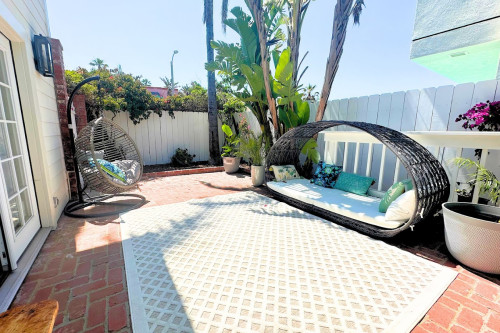
The Ventura location gives the program access to a coastal setting, and its public information references nearby beaches and recreation. The secondary profile lists beach walks, fitness and other outings. Actual participation depends on the current schedule, clinical suitability and the person’s abilities. Proximity to the ocean does not guarantee surfing instruction, unrestricted independent beach access or an ocean-view bedroom.
Military and veteran support
Point Break has a dedicated military and veteran program page for active-duty personnel, veterans, reservists and people transitioning from service. Its stated focus includes military culture, trauma, reintegration, relationship strain, sleep difficulties and co-occurring substance use. The regional outpatient material calls this track Operation Recovery. A prospective participant should confirm how that specialty is delivered within their proposed level of care.
The published approach includes trauma-informed therapy, CBT, DBT-informed emotional-regulation work, acceptance and commitment therapy, and support for family relationships. These are clinician-led options rather than a requirement to discuss particular service experiences in a group. An individual plan should consider what support the person needs and how treatment connects with existing military, veteran or community clinicians.
The provider states that it is in network with TriCare and TriWest. That statement should be checked against the individual’s plan, referral requirements, authorization and exact service. It does not guarantee that every residential or outpatient charge will be paid. People coordinating treatment around service obligations should also establish the relevant communication and return-to-duty arrangements with the appropriate professionals.
Family therapy
Point Break’s family program addresses communication, boundaries, conflict and understanding of addiction and mental health. The official page describes clinician-guided family sessions, education and opportunities to discuss the effects of the situation on different relatives. The focus is on making participation constructive and informed, with the client’s consent and circumstances considered rather than assuming every relationship should be handled in the same way.
Family involvement can also help make plans for life after residential treatment more concrete. Relatives may need to understand the agreed support, communication and household boundaries. Before arranging a visit or session, they should confirm the format, who will attend and what information can be shared. Family therapy is a clinical service; it is separate from general visiting arrangements at the residence.
Duration, fees and accommodation costs
The current secondary profile describes a stay of thirty days or longer, while the official pages emphasize assessment and individualized planning. Neither establishes a universal discharge date. Detox, residential treatment and later outpatient work have different purposes and may have different lengths. The proposed course should identify the starting service, review points and the basis for deciding the next step.
A fixed official self-pay tariff was not established from the reviewed pages. Recovery.com displays a broadly formatted $15–56,000 estimate beside a thirty-plus-day length description, without a verified mapping of the price to a specific program and duration. That should not be converted into a guaranteed monthly rate. Current numeric fee fields are therefore left unconfirmed while an itemized quotation is requested.
The financial explanation should separate detox, residential services, room arrangements, medication, outside medical care and any continuing treatment. If insurance is involved, the relevant benefits, authorization and personal financial responsibility should be explained for the exact program. A quoted range from a secondary listing is useful only as attributed background; it does not replace a current written agreement with the provider.
Outpatient and continuing-care pathways
The current official website describes PHP, intensive outpatient and evening IOP options for people in the Camarillo area. These are different levels within the wider service network, intended for people able to live outside a twenty-four-hour residential setting. The program page does not establish that every outpatient session takes place inside the Pierpont Boulevard residence. The actual clinic address and schedule should be confirmed separately.
The regional description gives PHP a more substantial daytime commitment and presents IOP or evening IOP as options with fewer scheduled hours. Suitability depends on clinical needs, recent treatment, home support and outside responsibilities. A transition should identify the responsible team and the first appointment rather than merely recommending that the person find more support after leaving residential care.
Point Break also describes aftercare and continuing follow-up as part of its broader approach. The practical plan should identify which services are arranged through the provider, which require an outside referral and how payment works after discharge. Professional treatment, peer meetings and recreational alumni activities serve different roles. The applicable support should be clear before the residential stay ends.
The current official telephone number is +1 805 889 9662. The United States treatment directory can help compare other settings. For Point Break Recovery, the important admission details are the assessed clinical pathway, actual residence and shared-room arrangement, medical coverage, individual fee agreement and confirmed transition into the next level of care.
Sources and verification
Reviewed October 20, 2026: Point Break Recovery’s addiction and residential overview, medical detox program, residential mental health program, co-occurring care, groups, yoga, family therapy, military and veteran program, and regional outpatient pathway. The current claimed secondary profile supplies the attributed shared-room description and unconfirmed price range; these are not an independently verified accommodation guarantee or official tariff.
Conditions
Levels of care
Settings
Treatment approach
Psychiatric/psychological assessment, medication management, CBT, DBT, ACT, solution-focused and trauma-informed work, individual and group therapy, relapse prevention, family sessions, yoga/mindfulness, experiential activities and continuing-care coordination
Fees & admissions
Confirm current pricing
No official numerical tariff was verified. The current Recovery.com page displays the shortened estimate "$15-56,000" beside "30+ days" without an exact price-to-program/duration mapping. Do not present it as a guaranteed USD 15,000–56,000 monthly tariff. Numeric fee fields are cleared pending a written quote for the actual detox/residential course, room, medication, outside care and aftercare. Insurance authorization and cost sharing are individual.
Confirm the current program, duration, accommodation and included services directly with the center.
Call +1 805 889 9662 for clinical assessment, withdrawal/medical screening, current residence and room arrangements, military/veteran track availability, payment details and the exact location of any outpatient step-down program.