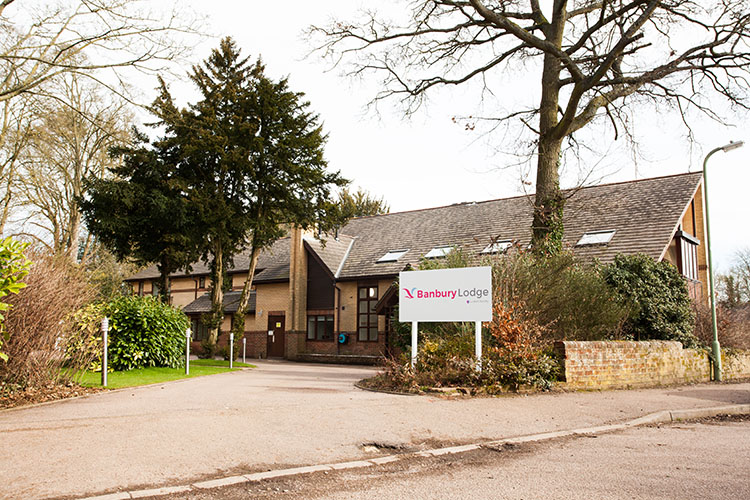
About Banbury Lodge
Banbury Lodge is a residential treatment service at The Hawthorns in Banbury, Oxfordshire, within the UK Addiction Treatment Group. It provides treatment for alcohol and drug problems, eating disorders, and co-occurring mental health difficulties, with admissions available from age 16 following assessment. The current provider website describes an individual care plan combining psychological treatment, medically supported detoxification when appropriate, and continuing support after the residential stay. Its eating-disorder and young-person services are notable parts of the same campus, rather than separate facilities.
The Care Quality Commission listing identifies Sanctuary Banbury Limited as the operator and currently displays a Good overall rating, with the latest assessment report published on September 29, 2025. The regulator describes a residential substance-misuse service, not an acute hospital. That distinction helps explain who can be appropriately treated there and why the admissions assessment must consider physical health, mental health, personal care needs, and the degree of medical supervision required.
Clinical scope and medically monitored detox
CQC’s assessment summary describes a medically monitored detoxification model and says the service is for clients who do not need 24-hour medical intervention, can manage their own personal care, and have capacity to participate. The provider describes nurse-led detox and clinical oversight. These statements should be understood together: support is available within a residential program, but the service should not be assumed to provide the same capacity as a hospital ward managing unstable or complex withdrawal.
Assessment therefore needs to establish whether detox is required, what monitoring and medication are proposed, and whether any condition needs treatment elsewhere first. The presence of an eating-disorder or mental-health program does not mean every severity can be managed on site. For someone with several overlapping concerns, the proposed care plan should identify which needs Banbury can address directly and how other professional services will be involved. This is more useful than choosing solely on the basis of a condition appearing on the website.
How the treatment approaches are used
Banbury Lodge names cognitive behavioral therapy, dialectical behavior therapy, motivational interviewing, trauma-informed work, and 12-step approaches in its model of care. Individual appointments provide space for personal concerns, while groups offer opportunities to work with peers and practice new ways of responding. The methods are intended to be selected around the person rather than delivered as an identical package to every resident. A clear weekly plan should explain the main therapeutic goals and the role of each type of session.
Cognitive behavioral work can examine the relationship between situations, thoughts, feelings, and actions. Dialectical behavior skills may focus on managing strong emotions and relationships, while motivational interviewing gives room to explore uncertainty about change. The 12-step component introduces a recovery framework and mutual support. The useful question for a prospective resident is how these approaches will address their own difficulties, not simply how many therapy names appear in the brochure.
The provider also lists art, mindfulness, meditation, and other complementary activities. These can sit alongside the more structured psychological program, but availability depends on the care plan and current schedule. A resident should know which sessions are core, which are optional, and how treatment will be adapted if concentration, fatigue, or distress initially makes participation difficult. The public information does not establish a universal timetable or identical session count for every addiction pathway.
Eating-disorder treatment
The eating-disorder page describes support for conditions including anorexia, bulimia, binge eating, and other eating-related difficulties. Its published program includes two individual therapy sessions a week, a weekly group session, cognitive and dialectical behavioral approaches, nutritional guidance, family work, and relapse-prevention planning. These are the stated features of the eating-disorder pathway. They should not be assumed to describe the total group schedule or individual-session allocation for every other Banbury resident.
The same page says the chef plans meals alongside nutritional input to meet individual needs. The practical assessment should clarify the type and frequency of dietetic involvement, meal support, physical monitoring, and criteria for transfer to a hospital if required. Eating disorders should not be reduced to the idea of a behavioral addiction simply because the provider uses that terminology elsewhere. A person needs an appropriate diagnosis and a setting capable of managing their particular psychological and medical needs.
Support for people aged 16 and over
Banbury Lodge advertises care for young people from age 16 as well as adults. Its teen treatment page describes individual work, groups, cognitive behavioral therapy, motivational interviewing, family sessions, and activities such as games or film evenings. It recognizes that peer pressure, family relationships, and concerns about returning to education can be important to a young person’s treatment. Admission remains an individual clinical decision rather than an automatic consequence of meeting the age threshold.
Families considering a place for a 16- or 17-year-old should discuss the actual age mix, safeguarding arrangements, consent, communication with parents or carers, and how education will be addressed. The reviewed material does not establish an on-site accredited school or a separate adolescent campus. The provider discusses family sessions, including joint meetings, but the timing and participants should be agreed around the young person’s needs and applicable consent arrangements.
Family work and the treatment team
The family therapy page discusses communication, relationship patterns, conflict, and practical support for recovery. It lists several possible approaches, including cognitive behavioral, systemic, structural, and solution-focused work. This is a menu of methods subject to clinical assessment and availability, not a promise that every family will receive all of them. A useful family plan identifies the issues to work on, the people involved, and how conversations during treatment will connect with life after discharge.
The team page names Dimitra Theofili as lead therapist and describes her background in social work, family approaches, addiction, and eating-disorder work. It lists Laura Ene as a nurse and Nick Dunkley in a regional operational role. These are published provider biographies, rather than a guarantee that any particular practitioner will be assigned to every resident. The admissions team can clarify the main therapist, nursing arrangements, medical review, and the process for raising a concern during the stay.
Bedrooms, shared spaces, and the daily environment
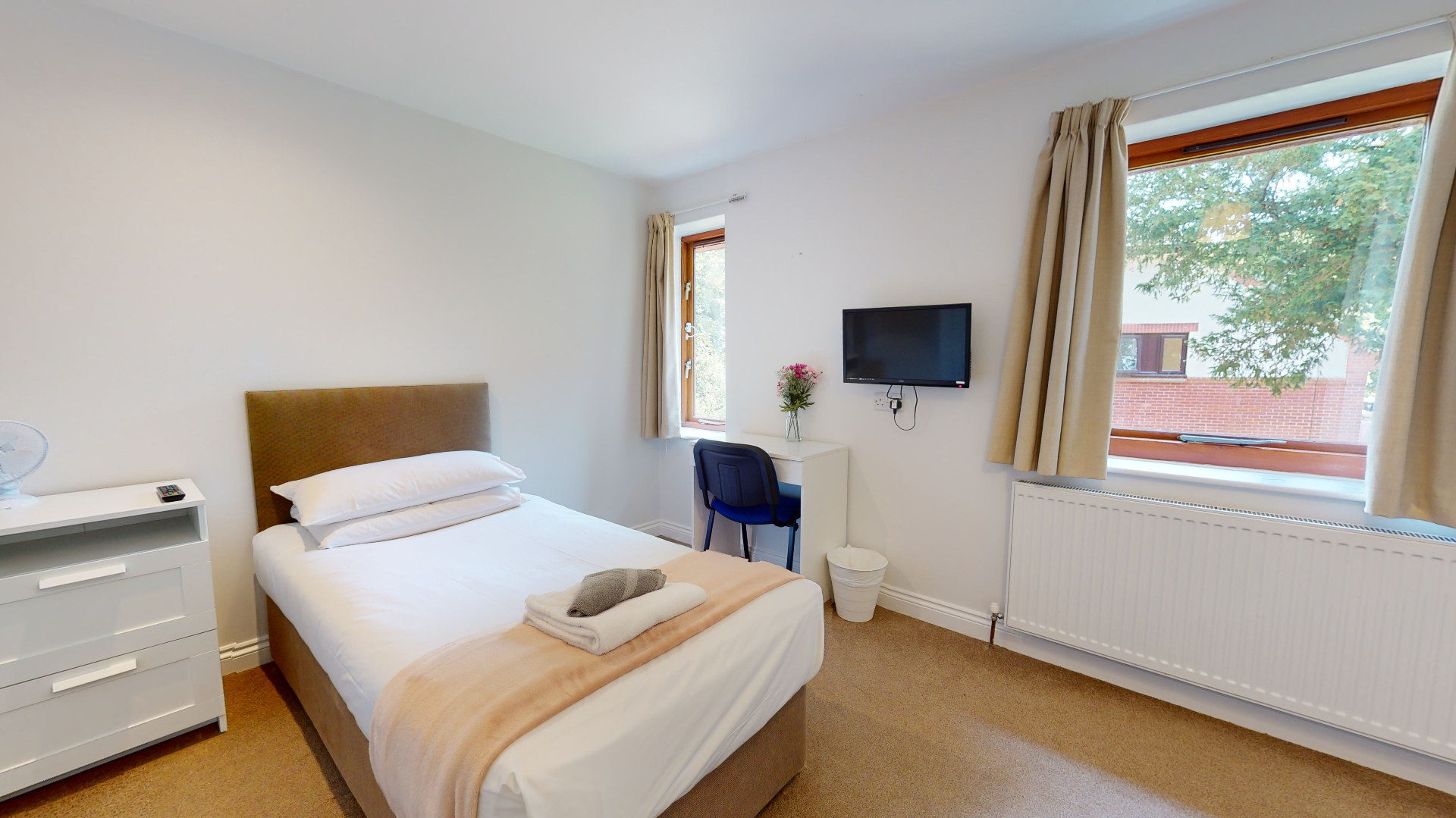
The current homepage and facilities page both describe 22 private bedrooms with en-suite bathrooms. This resolves the older inconsistency between private and shared accommodation descriptions in the previous directory entry. The clinic also lists dedicated rooms for individual and group therapy, communal lounges, quiet outdoor grounds, an on-site gym, and an in-house chef. A private bedroom offers personal space, while much of the treatment day still takes place within the residential community.
The facilities should be considered in relation to the care plan. Exercise may need adaptation, particularly during early recovery or eating-disorder treatment, and a gym should not be interpreted as unrestricted exercise access for every resident. The same principle applies to meals and rest: the program’s clinical priorities should guide the routine. Someone with mobility, sensory, or dietary needs should discuss them before admission so the actual accommodation and support can be checked.
Admission, fees, and duration
The admissions process starts with a confidential discussion of the person’s circumstances, health history, substance use, risks, and goals. The provider says admission can sometimes be arranged within 24 to 48 hours, depending on assessment and availability. Once a place is agreed, a deposit secures it and the remaining balance is payable on arrival. Written information should explain the program, fees, terms, and packing requirements before the person travels.
The facilities page asks residents to arrange their own transport where possible, ideally with a family member or trusted friend. Admissions can help plan alternatives, including sober transport when appropriate. That support should be discussed before the journey, particularly if the person needs assistance traveling. It is an arrangement to confirm, not an established free transfer included with every stay.
No current numerical residential tariff was established on the official pages reviewed. Banbury discusses private insurance, including Bupa and AXA, during the admissions process, but any coverage needs to be confirmed for the individual policy and proposed stay. The quotation should specify accommodation, detoxification if needed, psychological sessions, medical reviews, medication, and any additional services. A general statement that insurance can be discussed is not a guarantee of authorization or full reimbursement.
Length is assessed individually. CQC’s published summary describes admissions ranging from two weeks to three months, while the provider recommends a 90-day option for some people seeking extended treatment. That is the provider’s program recommendation, not a universal clinical requirement. The plan should explain the reason for the proposed duration and how progress will be reviewed if more or less time is appropriate.
Secondary care and aftercare
Banbury’s secondary-care page discusses a further stage of supported recovery, but its detailed example is at Providence Projects in Bournemouth. That location matters. A reader should not assume that the housing, coastal activities, or extended-care routine described there takes place at the Banbury campus. If a transfer is recommended, the next setting, duration, accommodation, transport, and separate costs should be made explicit.
The aftercare page is more specific about the standard post-residential offer: one year of free weekly group sessions, generally around 90 minutes over Zoom, totaling 52 sessions for graduates. This provides a continuing peer and counselor contact point. It does not mean unlimited individual psychotherapy, medication management, or emergency care. Residents should confirm eligibility and access arrangements and identify any additional local clinical support they need after leaving.
The website also advertises a limited return-to-treatment offer for people who successfully complete its 90-day program and experience a relapse within 30 days of discharge: a complimentary 28-day return, subject to the written terms. That is a defined service promise, not a guarantee of lifelong recovery. Banbury Lodge is best assessed through the suitability of its residential model, the proposed therapy and medical plan, and the continuity arrangements that will remain practical once the person returns home.
Reviewed October 20, 2026 using Banbury Lodge’s official service, facilities, admissions, team, young-person, eating-disorder, family, secondary-care, and aftercare pages, together with the CQC facility record and September 2025 assessment. Program availability and individual funding require confirmation.
Destinations
Conditions
Levels of care
Settings
Amenities
Program approach
Individual and group therapy, CBT, DBT skills, motivational interviewing, trauma-informed work, 12-step approaches, family and nutritional support
Fees & admissions
Confirm current pricing
Individual quotation required; no current numerical tariff verified. Provider discusses Bupa/AXA funding subject to individual authorization. A deposit secures the place and the balance is payable on arrival; obtain written inclusions and terms.
Confirm the current program, duration, accommodation and included services directly with the center.
Individual assessment from age 16. CQC describes medically monitored detox for clients who can self-care, have capacity, and do not require 24-hour medical intervention. Confirm eating-disorder medical suitability, adolescent arrangements, and funding before admission.