
Care at CooperRiis – Asheville Residential
Short-term residential mental health care in Asheville
CooperRiis at Asheville provides adult residential mental health treatment at 85 Zillicoa Street in the Montford neighborhood of Asheville, North Carolina. It is the organization’s most clinically intensive residential program, with a focus on establishing a foundation for recovery and developing skills for the next stage of life. The provider explicitly distinguishes this service from inpatient or hospital-level care. Residents live on site and take part in a structured therapeutic community, while their clinical plan addresses symptoms, medication, coping, relationships, and the practical skills needed beyond the residential setting.
The current Asheville program page describes care for adults eighteen and older who are in an early stage of recovery or experiencing a setback in their mental health. The broader CooperRiis service includes people with mood, anxiety, trauma-related, personality, and thought disorders, as well as some neurodivergent adults with mental health needs. A diagnosis alone does not determine whether Asheville is the appropriate starting point. The assessment considers the person’s current functioning and support needs, including whether a different level of care is required first.
A defined level of support within CooperRiis
CooperRiis separates the intensive Asheville program from its longer-term Farm campus and its transitional living services. Its explanation of the campuses describes Asheville as a setting where psychiatry and twenty-four-hour nursing can support medication management and stabilization while residents build coping skills. That does not make it a hospital unit. The program’s stated level of care remains residential, and its admission team needs an accurate account of recent symptoms, physical health, substance use, and the person’s ability to participate in the setting.
The organization’s admission guidance and FAQ say that alternative services are suggested for people at imminent risk of harming themselves or others, those needing constant monitoring for an eating disorder, or people currently abusing drugs or alcohol. These are meaningful limits on the program’s scope. The presence of dual-diagnosis support does not establish an acute detoxification service. Someone with overlapping psychiatric and substance use needs should clarify what level of stability is expected before arrival and how continuing support for both concerns will be coordinated.
Clinical treatment and learning usable skills
Published Asheville services include individual psychotherapy, psychiatry, medication review, psychoeducation, and experiential group work. The group approaches named by the provider include cognitive behavioral therapy, dialectical behavior therapy, acceptance and commitment therapy, mindfulness, relapse prevention, and continuing recovery. The program also describes groups addressing trauma, psychosis, grief, and loss. These options provide a range of ways to work on symptoms and functioning, but the actual schedule should reflect the resident’s assessment. A person should understand which groups are relevant and how they connect with individual clinical goals.
Daily living skills are part of the therapeutic work rather than an activity postponed until discharge. Managing time, maintaining routines, communicating needs, and taking an active role in treatment can be difficult when symptoms have disrupted ordinary life. Practicing within the community gives the resident and team a more concrete picture of what support is useful. The aim is to connect what happens in appointments with the decisions and tasks the person encounters between sessions, while adjusting expectations to their current capacity.
CooperRiis uses a person-centered approach in which a resident develops a statement of the life they hope to build. Its program philosophy connects those personal goals with clinical care, community participation, and wellness. A goal might concern education, work, relationships, or greater independence. Such a statement provides direction for planning; it is not a promise that every goal will be achieved during a short residential stay. The team can help translate broad hopes into manageable steps and review what is changing over time.
Community, creative work, and wellness
The Asheville program supplements clinical groups with expressive arts, horticultural activities, movement, and wellness practices. These can give residents different ways to participate and to notice how they respond to ordinary challenges. Gardening or creative work may involve concentration, cooperation, or tolerating an imperfect result, while movement activities can support a more consistent daily routine. The provider does not describe these activities as a replacement for psychiatric or psychological care. Their usefulness depends on how they fit the individual’s plan, interests, and physical needs.
A shared residential community also involves meals, common spaces, and contact with other residents outside formal treatment sessions. For someone who has become isolated, those ordinary interactions may form an important part of practicing communication and participation. The balance still needs to allow personal space and rest. A quiet bedroom and access to shared activities serve different purposes, and a prospective resident can discuss how the staff helps people join the community without assuming that everyone will be comfortable with the same level of social contact immediately.
Rooms and facilities at Zillicoa Street
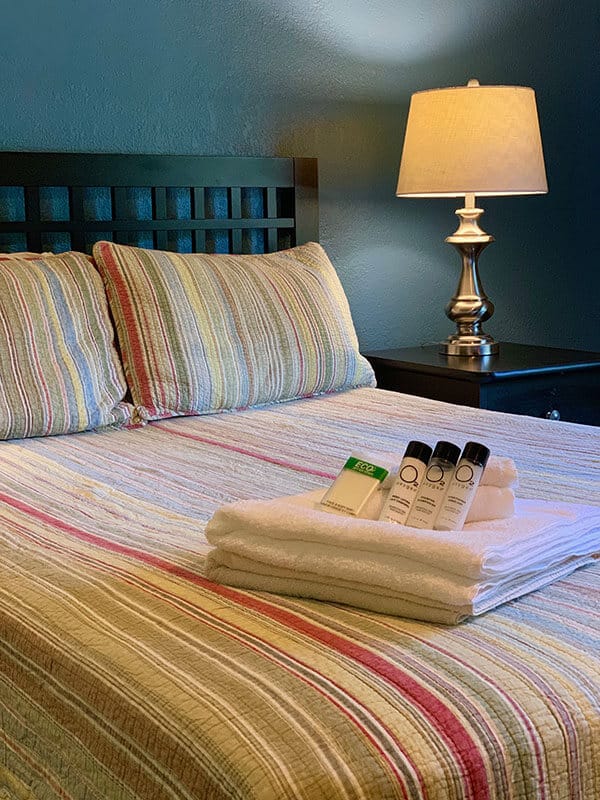
The campus occupies four wooded acres near downtown Asheville and the University of North Carolina at Asheville. The provider describes a four-story building with twenty-four private bedrooms, an art studio, exercise facilities, a room for centering activities such as yoga or meditation, and a diner-style dining area. There are also gardens and outdoor spaces. The setting is the Asheville residential campus, not the ninety-four-acre working Farm in Mill Spring. That distinction matters for travel, daily activities, and expectations about how much time will be spent in an urban neighborhood or rural environment.
Bedrooms are private, but bathrooms are not identical across the building. The campus page specifies either a private bathroom or an adjoining arrangement shared with one neighbor. Other general descriptions use broader en-suite language, so the exact room should be confirmed before admission. A private bedroom should not be taken to guarantee a bathroom used by only one resident. Anyone with mobility or sensory needs should also review the proposed room, access within the four-story building, and how the daily schedule can accommodate those needs.
How admission is assessed
The official admissions process begins with a conversation about the potential resident and which program may be appropriate. The team then collects completed forms and previous mental health records. Clinical staff review the material to decide whether to proceed to a virtual assessment, after which an admission decision can be made. This sequence helps distinguish a preliminary inquiry from acceptance into the program. Relevant records and a clear account of recent events are especially useful when several clinicians or treatment settings have been involved.
The admissions number is +1 828-771-9001, with published weekday office hours. Families and referring professionals can help provide information, while the resident’s own goals and participation remain important. Before arranging travel, the plan should confirm the start date, correct Asheville address, medication arrangements, room type, and financial terms. CooperRiis has multiple locations, and some general website directions refer to the Farm. The Zillicoa Street residential address should therefore be used with arrival instructions supplied for this specific program.
Length of stay and planning for the next step
Current public duration descriptions vary. The Asheville page introduces a forty-five-to-ninety-day program, while a feature list on the same page gives an average of thirty to forty-five days. The broader approach page also uses forty-five to ninety days. These examples do not establish a single fixed stay for every resident. The appropriate discussion concerns the initial clinical plan, review points, expected funding, and readiness for the next level of support. Insurance authorization for a shorter period should not automatically be treated as the clinically recommended discharge date.
Possible next steps include the longer-term CooperRiis Farm program in Mill Spring, transitional living, another provider, or a return home with continuing care. Each option requires its own assessment and practical arrangements. The Farm emphasizes purposeful activity and community participation at a different level of clinical intensity. Transitional living focuses more on education, work, and independent living. A recommendation to move within CooperRiis does not mean that the next placement, its fee, or a particular schedule has already been agreed.
Published daily fees and additional costs
The official fee page, checked October 20, 2026, lists Asheville at US$950 per day, or the allowable insurance rate if higher. It also describes a one-time US$1,000 incidental amount that is refunded to the extent it is unused. The fee includes accommodation, dining, wellness, and fitness elements of the program. It excludes outside physician charges, medication, supplements, transport, and personal spending. Those exclusions should be considered alongside the daily rate when planning the actual cost of a stay.
The fee page lists in-network participation with Aetna, Cigna, and Blue Cross Blue Shield for Asheville and also describes out-of-network arrangements. Exact plan eligibility still requires confirmation. For out-of-network funding, CooperRiis says it charges the full amount upfront every thirty days and reconciles covered days at discharge. A possible reimbursement therefore does not remove the need to understand the initial payment obligation. The provider also cautions that authorization does not guarantee payment of the full amount, and families may remain responsible for deductibles, coinsurance, and other costs.
Family education and continuity after the stay
The Family Education Program offers monthly clinician-facilitated live events, recorded content, and written materials. Topics include understanding emotional health, communication, family problem-solving, and navigating difficult periods. It is available to residents, alumni, and their family or support people through the program’s access process. Educational participation is distinct from the sharing of a resident’s personal clinical information, which depends on appropriate permission. Families can use the material to understand their role without assuming responsibility for providing professional treatment.
For the resident, a useful ending to the Asheville stay includes an agreed next setting, continuing appointments, medication responsibility, and practical support for daily life. The intensity that was helpful at admission may need to change as the person becomes more able to use community resources. Readers comparing Asheville with care elsewhere can explore treatment providers in the United States. The important comparison is the match between the person’s needs and the actual residential support, financial arrangement, and transition plan.
Conditions
Levels of care
Amenities
Treatment approach
Individual psychotherapy, psychiatry, medication management, CBT, DBT, ACT, experiential and skills groups, trauma/psychosis/grief support, creative and horticultural work, wellness and coordinated transition planning
Fees & admissions
USD 950 / day
Official fee checked October 20, 2026: USD 950/day or the allowable insurance rate if higher, plus a one-time USD 1,000 incidental amount refunded if unused. Outside physician charges, medication, supplements, transport and personal spending are excluded. Exact Aetna, Cigna or BCBS eligibility requires confirmation. For out-of-network funding the provider charges the full amount upfront every thirty days and reconciles covered days at discharge; authorization and reimbursement are not guaranteed.
Confirm the current program, duration, accommodation and included services directly with the center.
Complete the initial call, forms and records review, followed by a virtual clinical assessment when approved. Confirm suitability for residential care, exact Zillicoa Street arrival details, medication arrangements, bathroom type, duration, upfront payment and the planned next level of support.