Care at BNI Treatment Centers — Lobo Canyon, Agoura Hills
Teen residential treatment at BNI’s Lobo Canyon home
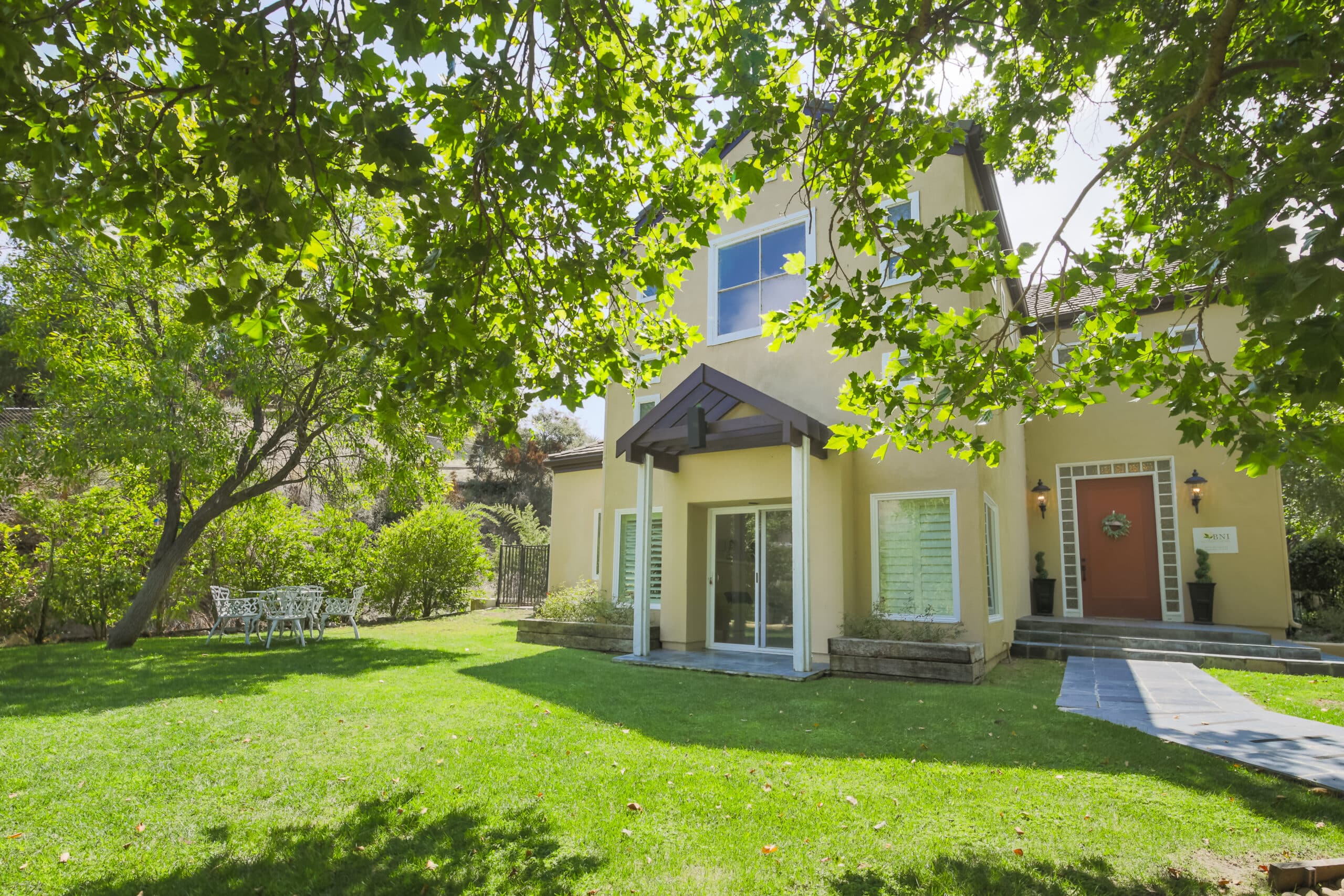
BNI Treatment Centers’ Lobo Canyon location provides residential care for adolescents in Agoura Hills, California. The current official location page identifies the residence at 30954 Lobo Canyon Road and describes mental health, behavioral, substance use, and co-occurring treatment. The program combines psychiatric involvement, nursing, individual and group therapy, school support, and a structured daily routine. This profile concerns the Lobo Canyon residence. BNI also has other locations and levels of care, so a family should confirm the exact site and program proposed for their teenager before arranging admission.
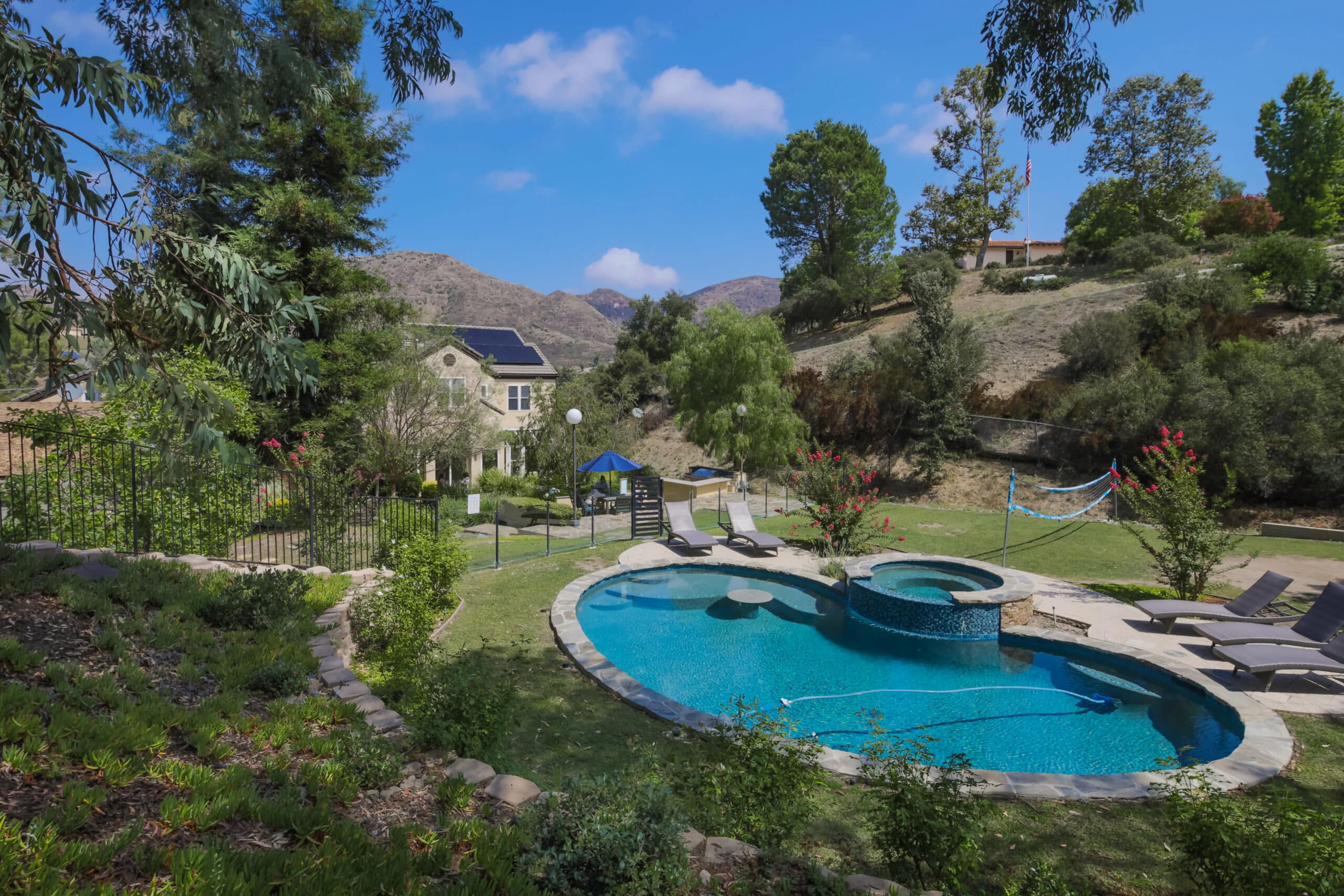
The current Lobo location page describes a natural setting near the mountains and within reach of the Malibu coast. The residence is intended to provide a contained environment in which a young person can receive treatment while remaining connected to educational and family goals. Its location and amenities are secondary to the match between the teenager’s needs and the available clinical support. The assessment should explain why residential care is appropriate and what the team hopes to address during the stay.
Psychiatric leadership and continuous nursing support
BNI describes itself as a physician-owned and operated adolescent treatment provider. Its current team page lists psychiatrists Arastou Aminzadeh and Oliver Ahmadpour among its founders and clinical leadership. The homepage says the founders attend on site each week to oversee treatment plans, and the Lobo page describes twenty-four-hour nursing. These are distinct roles and schedules. Psychiatric leadership and continuous nursing do not mean that a psychiatrist is physically present in the residence at every hour.
The advertised care is residential. Although BNI also uses the phrase residential inpatient in some material, the reviewed Lobo information does not establish admission to a hospital unit. This distinction matters when a young person needs a particular degree of medical or psychiatric supervision. The admission team should consider recent symptoms, previous hospital care, current medication, substance use, and the family’s ability to support the next stage of treatment. It should also explain what happens if the teenager’s needs exceed what can be provided at the residence.
Understanding the teenager’s full situation
The official program overview identifies anxiety, depression, trauma, ADHD, behavioral difficulties, substance use, and dual-diagnosis concerns among the reasons families seek care. The clinical plan should connect these concerns with the teenager’s functioning at home, in school, and in relationships. A change in attendance or behavior may be important information, but it is not by itself an explanation of what is happening. Assessment can bring together the young person’s experience, previous records, family observations, and the perspectives of existing clinicians.
Co-occurring care is a particular emphasis on the Lobo page. When substance use and mental health concerns overlap, the plan needs to address both rather than treating them as unrelated problems. Psychiatric assessment may inform medication decisions, while therapy and daily support focus on coping, relationships, and behavior. The family should understand which concern requires immediate attention and how the team will review the wider picture as treatment progresses. A list of possible diagnoses should not become a fixed assumption about the individual teenager.
Substance use and medical detoxification
The Lobo location advertises support for alcohol, opioids, prescription drugs, stimulants, and other substance use concerns. Its alcohol-treatment description specifically refers to medical detoxification supported by psychiatrists and nursing staff. Whether that stage is required depends on assessment. The family should establish what withdrawal support can be provided at this location, what monitoring is planned, and whether any preliminary medical care needs to occur elsewhere. The published description does not establish one identical detoxification process or timetable for all substances and levels of use.
After initial medical needs are addressed, the residential program can focus on the circumstances surrounding use and the skills needed to respond differently. This may involve individual sessions, group work, family communication, and planning for return to school or the community. The financial agreement should distinguish medical detoxification from the remainder of the stay when they are billed differently. A monthly residential estimate should not be assumed to include every medical service or an unlimited extension if the treatment plan changes.
Therapy methods and a structured daily routine
BNI’s published approaches include cognitive behavioral therapy, dialectical behavior therapy, mindfulness-based work, solution-focused therapy, and family systems treatment. Its broader program also describes expressive and experiential activities. The specific combination should follow the teenager’s needs. A skills group may address how to manage distress or communicate more effectively, while an individual session can focus on personal experiences that are not appropriate for a group setting. The admission team should explain the expected balance of these formats and how psychiatric review fits into the week.
The provider also advertises activities such as art, music or dance, yoga, equine work, and surf therapy. These should be understood as components of an individualized program, with availability and participation subject to the clinical plan. A teenager does not need to be an athlete or comfortable with every activity to have meaningful treatment goals. The team can explain how options are adapted, what takes place on site, and what requires an outing. An attractive list of activities should not obscure the frequency and purpose of the core clinical sessions.
A predictable residential routine can provide repeated opportunities to practice the skills discussed in therapy. Getting ready for the day, joining a group, completing schoolwork, and managing disagreements are ordinary situations with clinical relevance. Staff support should help the teenager understand what is expected and how to ask for help. Progress is more informative when it is connected to the person’s actual goals than when it is reduced to whether they simply followed a schedule without difficulty.
School coordination while the teenager is in treatment
BNI’s academic-support page describes daily school time, on-site tutors, and computer stations for educational use. Its staff coordinates with the teenager, parents, and the home school to obtain assignments and return completed work. This is a practical support for a student spending time away from ordinary classes. It should not be interpreted as a guarantee of a particular grade, credit award, or school placement. The home school’s policies and the student’s individual situation remain relevant.
Before admission, the family can identify the school contact who will coordinate assignments, deadlines, and any approved adjustments. Existing educational plans or accommodations should be shared through the appropriate process. The treatment team also needs to consider how much academic work is realistic during different stages of care. A student who is initially concentrating on stabilization may need a different workload from one preparing to return to class. The aim is to connect educational continuity with the clinical plan rather than make them competing schedules.
Family participation and preparation for returning home
BNI describes family support as part of its adolescent treatment model. For parents or caregivers, useful work can include understanding the treatment goals, reviewing communication patterns, and preparing for the changes that will be needed at home. The teenager’s perspective should remain part of those discussions. A plan developed only around adult expectations may miss the difficulties the young person is experiencing. The team should explain how family sessions are arranged and how relatives who live at a distance can participate when appropriate.
Return planning should address more than the date of discharge. The family needs a clear understanding of continuing appointments, medication responsibility, school reintegration, and the supports available if difficulties reappear. BNI operates partial hospitalization and intensive outpatient services within its wider system, but a recommendation for one of them does not establish that it is delivered at the Lobo residence or included in the residential price. The next service, location, schedule, and funding should be confirmed individually.
Semi-private rooms and shared residential spaces
The official Lobo page lists semi-private rooms with en-suite bathrooms, prepared meals, a pool, games, and group activities. The bedroom description is important: it does not promise a private room for every teenager. Families should confirm the actual sharing arrangement and any individual accommodation needs before admission. Shared living also involves expectations about personal belongings, privacy, and interaction with peers. These practical details can be discussed with the team alongside the clinical reasons for choosing a residential setting.
Computer access described for schoolwork does not establish unrestricted personal-device use. Similarly, a pool or an advertised outing should not be assumed to be available at any time regardless of treatment stage or supervision. The family should receive current guidance about communication, visiting, belongings, and activity participation. Clear expectations can reduce avoidable uncertainty when the teenager arrives and help relatives understand how contact with home will fit into the program.
Monthly estimate, insurance, and admission details
The current Recovery.com Lobo Canyon listing, checked October 20, 2026, gives an estimated cash-pay rate of US$60,000 to US$75,000 per month. This is a third-party estimate rather than an official provider tariff. The reviewed primary pages do not establish one fixed residential duration for every teenager. A current quotation should identify the room, clinical services, medical care, academic support, and any charges outside the main residential agreement.
The official admissions page describes benefits verification for private and commercial insurance. It states that Medi-Cal, Medicaid, and Medicare are not accepted; other current program pages also exclude IEHP, Kaiser, and state or county-funded plans. Acceptance of a carrier or completion of a verification form does not guarantee that every service is covered. Families should establish the exact policy benefits, authorization requirements, deductibles, and expected out-of-pocket costs before treating insurance as confirmed funding.
The official Lobo page and admissions materials publish +1 888-522-1504. The discussion should confirm the teenager’s age eligibility, current needs, the Lobo Canyon placement, expected duration, room arrangements, and the next level of support. Readers comparing other locations can use the directory of treatment providers in the United States. For this program, the most useful comparison centers on adolescent psychiatric involvement, continuous nursing, family and school coordination, and the specific support the teenager needs after residential care.
Conditions
Levels of care
Settings
Treatment approach
Psychiatric assessment and medication management, individual/group/family work, CBT, DBT, mindfulness and solution-focused approaches, expressive and experiential therapies, daily school support and coordinated discharge planning
Fees & admissions
USD 60,000–75,000 / month
Recovery.com estimated cash-pay USD 60,000–75,000/month for the Lobo Canyon residential listing, checked October 20, 2026. This is a third-party estimate, not a provider-published tariff or a fixed duration. Obtain a program-specific quote covering accommodation, medical care, therapy, academic support and exclusions. Verify the exact private/commercial insurance plan and patient responsibility; public-program exclusions apply.
Confirm the current program, duration, accommodation and included services directly with the center.
Confirm age eligibility, clinical and withdrawal needs, the specific Lobo Canyon placement, school records and coordination, semi-private room arrangements, expected duration, insurer authorization and the continuing-care plan. Current official number is 888-522-1504.