Care at Beach House Center for Recovery — Juno Beach
Residential addiction care in Juno Beach
Beach House Center for Recovery provides residential substance-use treatment in Juno Beach, Florida, with support for co-occurring mental health concerns. Patients live on a campus that brings together accommodation, clinical spaces, dining, and recreational facilities. The provider places the campus approximately one mile from the coastline; beach meditation is an organized activity rather than evidence that every bedroom is beachfront. This profile concerns overnight residential care. The wider treatment continuum includes other levels of care, whose schedules, accommodation, and fees should be confirmed separately.
The official residential page uses inpatient and residential terminology together while describing a non-hospital treatment setting. It outlines assessment, therapy, medical support when needed, and planning for the next stage of recovery. People comparing options in the United States should therefore distinguish this campus from admission to an acute medical or psychiatric hospital. The choice depends on the person’s current needs and the services the team can provide, rather than the use of the word inpatient in a program title.
Assessment and the sequence of care
Beach House describes an initial assessment of substance use, physical health, psychiatric concerns, and previous treatment. The resulting plan may include withdrawal management, stabilization, individual and group therapy, education, skills practice, and transition planning. Those elements do not necessarily occur in a rigid sequence for every patient. Someone arriving after treatment elsewhere may have different needs from someone who is still using substances. A useful admission plan should identify the initial priorities and explain how the team will review progress and adjust care.
The medical detox program describes ongoing clinical oversight, monitoring of withdrawal symptoms, and changes to the plan when required. The service advertises care for withdrawal involving alcohol, opioids, benzodiazepines, and other substances, with individual assessment rather than one universal timetable. The presence of detox on a service list does not establish that every combination of medical conditions can be managed at the campus. Admissions needs accurate information about recent use, prescriptions, previous withdrawal experiences, and other health concerns before deciding on an appropriate placement.
Current materials describe around-the-clock medical support and access to licensed providers, but they do not supply a complete shift roster for every profession. The residential page also explains that the team can coordinate transfer when a patient needs medical care beyond the services available at Beach House. That is an important limit to understand before admission. It would be misleading to infer that the residential campus can replace every hospital service or that a named nearby hospital has already accepted a future patient under a guaranteed transfer agreement.
Co-occurring care and therapeutic methods
The dual-diagnosis program describes coordinated treatment of substance use and mental health difficulties. The provider discusses concerns including anxiety, mood disorders, trauma-related symptoms, attention difficulties, and obsessive-compulsive symptoms. These examples define areas for assessment, not a guarantee that every severity or diagnosis is appropriate for this residential setting. Care should establish how the problems interact for the individual and which clinician is responsible for each part of the plan. Treating co-occurring symptoms should not be confused with assigning every patient the same explanation for their substance use.
Beach House identifies clinical and psychiatric assessment, cognitive behavioral work, EMDR, individual counseling, groups, and case management among its services. These components address different needs. Individual therapy can allow detailed discussion of personal concerns, while groups create opportunities to practice communication and learn from others. A therapy such as EMDR requires an individual clinical decision; its inclusion in the provider’s materials does not mean it is delivered to every resident or scheduled immediately on arrival. The actual plan should specify the intended work and the professional responsible for it.
Medication-assisted treatment is described as an option when clinically appropriate, alongside counseling and behavioral therapies. This should be understood as a prescribing decision based on the person’s situation, not a standard medicine included for everyone or an instruction to change existing treatment independently. The medication review also needs to address continuing prescriptions, refills, and any care managed by an outside clinician. Medication used during detox, ongoing treatment for a substance-use disorder, and medication for a co-occurring condition may serve different purposes and may have different billing arrangements.
Daily structure and participation
The residential program combines therapy with education, practical skills, peer support, and preparation for life after discharge. Topics described by the provider include coping with triggers, stress, emotions, relationships, and situations that may challenge recovery. Twelve-step groups are available, and the campus offers wellness and recreational activities. A prospective patient should understand how much of the day involves formal clinical work and how the remaining activities connect with their goals. A broad activity list does not replace a schedule showing the actual expected participation and individual appointments.
The official residential page currently advertises a seven-to-one patient-to-therapist ratio. That is a provider-reported staffing measure, not a promise of a fixed number of private therapy hours or an independently verified outcome. The more practical discussion is how residents contact their clinicians, how concerns are addressed between appointments, and how the plan changes when additional support is needed. The current duration FAQ says length varies with need and progress; it no longer establishes the earlier fixed thirty-five-day average used in this listing.
Family support during and after treatment
The Family Wellness Program is open to relatives of current patients and alumni with the patient’s signed consent. Its described services include guidance from wellness coordinators, referrals to family support resources, and an ongoing line of communication that can begin early in admission. A private online community is also offered. This is a defined support program for families; it should not be converted into a guarantee that every relative receives a set number of individual psychotherapy sessions.
The family program can address concerns such as communication, boundaries, expectations, and the transition home. Its continuing availability may be useful when a family is trying to understand how to offer support without taking over the resident’s treatment. The specific participants and information shared should follow the patient’s consent and the clinical plan. Relatives should also know how to raise a concern, what the wellness team can answer, and when a question needs the treating clinician. Those arrangements are more concrete than a general promise that families will remain involved.
Rooms and the campus environment
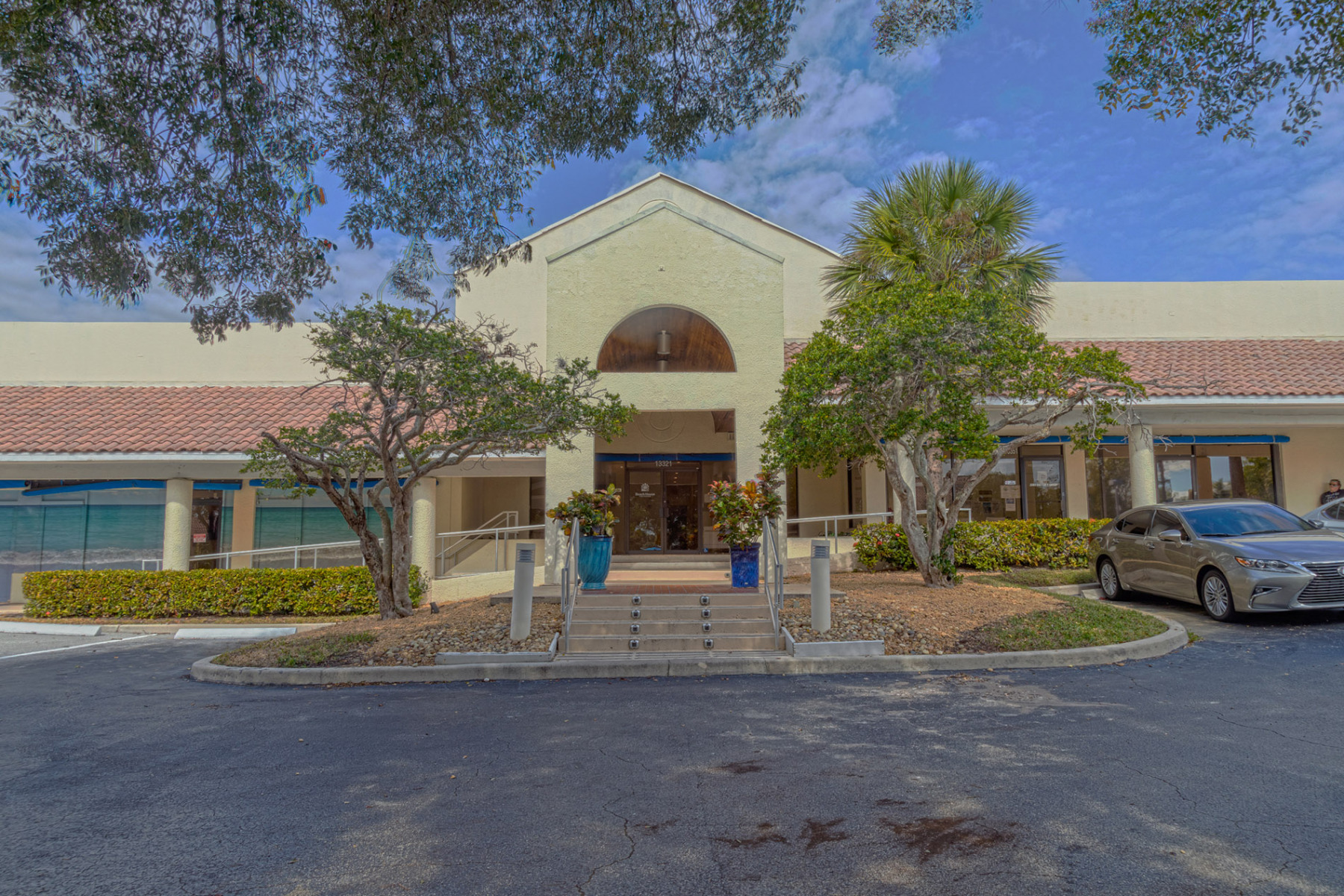
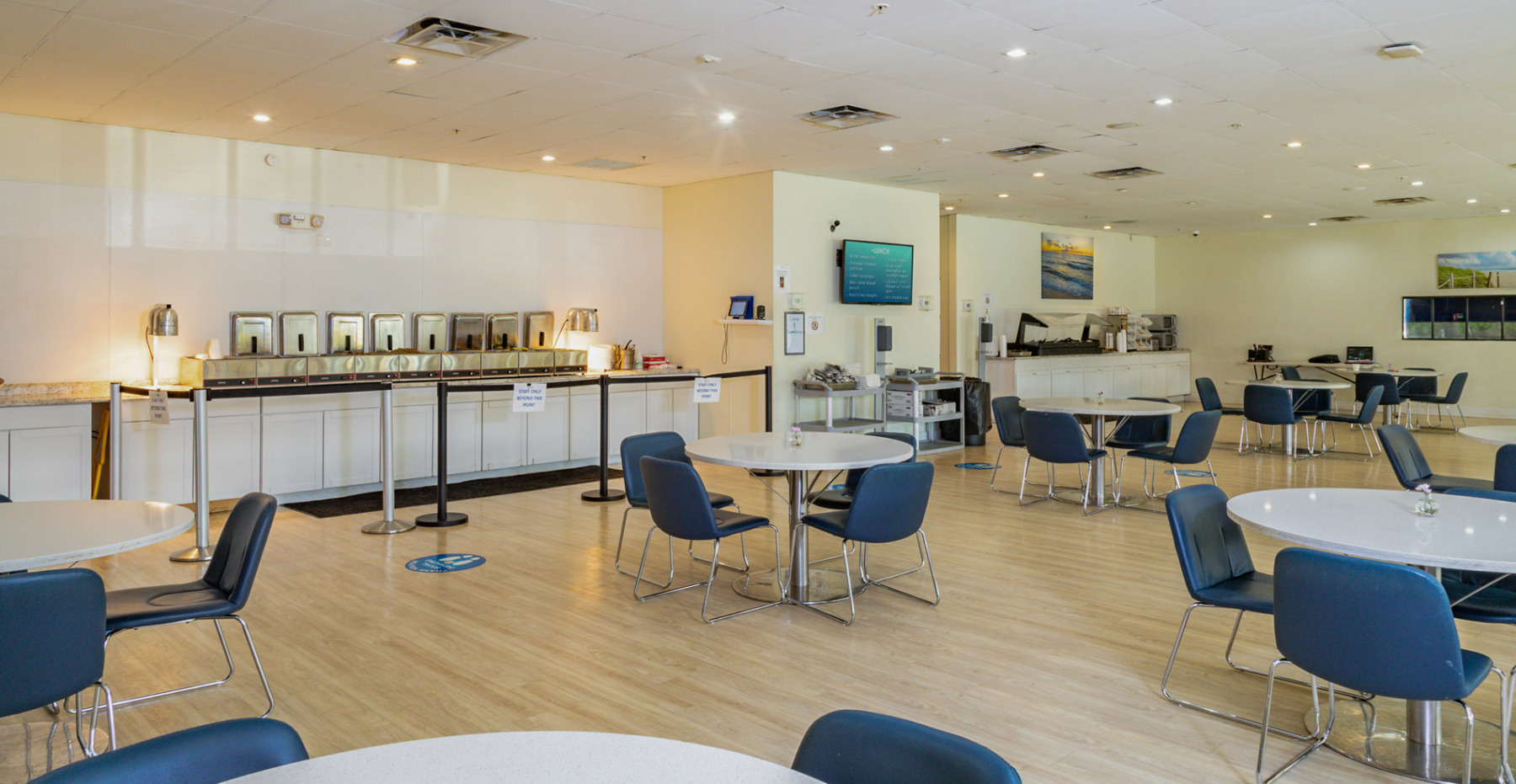
The current campus page describes both semi-private and private rooms. It says residential suites have their own bathrooms, but that does not establish a bathroom exclusively for one patient when a suite is shared. The precise bedroom, bathroom use, and any private-room charge need confirmation before arrival. The campus also advertises a fitness center, yoga space, pool, sports courts, and a bistro. Availability and use should follow the person’s health, program rules, and the current operating schedule.
Complementary offerings listed by Beach House include massage, acupuncture, yoga, sound-based relaxation, nutrition support, chiropractic care, and sunrise beach meditation. These activities have different aims and should not all be presented as equivalent evidence-based addiction treatments. Residents can ask how any selected activity supports their care and whether it is optional or included within the quoted package. A comfortable environment can make an extended stay more manageable, but the clinical plan, staffing, and coordination of care remain central to judging whether the program is suitable.
The provider’s current website gives 13211 US-1, Juno Beach, while Recovery.com lists 13321 US-1. This profile uses the provider’s address as the current contact reference and recommends written arrival instructions identifying the actual building. A campus may involve several spaces, and a directory address should not be assumed to identify the room reserved for admission. Anyone with mobility or accessibility needs should obtain specific information about the assigned accommodation and routes to treatment areas, rather than rely on photographs of the general campus.
Monthly estimates and included services
Recovery.com currently lists a third-party estimated cash-pay rate of USD 24,500 per month. It also gives a typical duration of thirty-five days or more. Neither figure is an official complete-stay quote, and the monthly amount should not be treated as the total for an individualized admission. The provider’s own current duration description is variable. A written estimate should define the billing period, planned stay, extension terms, and any change in charges when the level of care changes.
The official cost page says primary residential charges generally cover accommodation, meals, laundry, initial clinical and psychiatric assessment, detoxification, core individual and group therapies, and case management. It also identifies possible extra costs, including medical care or prescriptions outside the program’s scope and additional services beyond the included allowance. These general inclusions should be confirmed for the actual admission. The word inclusive does not settle the price of every medication, outside consultation, additional massage session, or later stage of treatment.
Beach House offers insurance verification and discusses self-payment arrangements. Coverage depends on the particular plan, the approved service, and any authorization or benefit limits. Before committing, the patient should know the insurer’s expected contribution, personal liability, and how excluded services are approved and billed. The website currently displays +1 844-662-8117 for treatment inquiries; its contact page separately gives +1 561-337-3200 for reaching staff or leaving a message for a current patient. Those functions should remain distinct when contacting the campus.
Planning beyond the residential stay
Discharge planning should identify the next clinical appointments, medication responsibility, living arrangements, and recovery support appropriate to the individual. Beach House describes a wider continuum and alumni or family resources, but later outpatient treatment or housing is not automatically included in the monthly residential estimate. Someone returning outside Florida needs follow-up that can operate where they live. The aim is a documented handoff from the structure of the campus to practical support in everyday life, with the person and their chosen supports understanding what is arranged and what remains to be booked.
Conditions
Levels of care
Settings
Amenities
Treatment approach
Individual and group therapy, clinical/psychiatric assessment, CBT, EMDR when indicated, medication-assisted treatment when appropriate, education, case management, twelve-step participation and a consent-based Family Wellness Program, with selected complementary activities
Fees & admissions
USD 24,500 / month
Recovery.com third-party estimated cash-pay rate checked October 20, 2026: USD 24,500/month, not a complete individualized stay quote. The official cost page generally includes accommodation, meals, laundry, initial clinical/psychiatric assessment, detoxification, core therapies and case management. Additional medical care, prescriptions outside the program scope and extra services beyond included allowances can cost more. Confirm billing period, duration, room, insurance authorization and all exclusions in writing.
Confirm the current program, duration, accommodation and included services directly with the center.
Confirm current clinical suitability and medical needs, the actual arrival building, private or semi-private room allocation, accessibility, duration and a complete written quote. Clarify consent for family participation and separately arrange the next level of care and medication follow-up.