Care at Amend Malibu — Wildlife House
Residential mental health care at Wildlife House
Wildlife House is Amend Treatment’s residential mental health setting at 6758 Wildlife Road in Malibu, California. The provider describes a six-client home with private bedrooms, private bathrooms, and a small residential community. It is one of two Amend properties in Malibu, with a separate campus at Portshead Road. Someone considering Wildlife House should receive an admission offer that names this residence so the proposed room, surroundings, and practical arrangements are clear from the outset.
The program is intended for adults seeking intensive support for mental health concerns. Amend’s official program describes psychiatric leadership, individual and group therapy, and a residential routine that supports the work undertaken with clinicians. Wildlife House’s coastal location and private accommodation contribute to its setting, while the clinical plan determines the substance of care. Privacy within a bedroom and the opportunity for shared treatment activities are both parts of the experience.
The focus of treatment
Amend identifies depression, anxiety, post-traumatic stress disorder, complex trauma, bipolar disorder, personality disorders, and other mental health difficulties among its areas of focus. Its residential service welcomes adults from different backgrounds and identities. Those broad categories describe the provider’s program; they do not establish whether a particular person is suitable for admission. The assessment needs to consider the current presentation, earlier treatment, medication, physical health, and the level of support required throughout a stay.
For someone whose difficulties affect several areas of life, the value of the assessment is in connecting those concerns. Sleep disruption, strained relationships, changes in daily functioning, and distress may need different forms of attention even when they occur together. A proposed plan should explain which difficulties will be addressed first and how progress will be reviewed. It should also make clear where the resident’s own goals fit within the clinician’s recommendations.
The provider also publishes information about co-occurring substance use concerns. An applicant should describe current alcohol or drug use and any previous withdrawal problems during intake. A residential mental health program should not automatically be treated as a medical detoxification service. Amend needs to identify which needs it can manage at Wildlife House and whether assessment, stabilization, or another level of care is required before arrival.
How the residential plan is organized
According to Amend’s current program page, admission includes a comprehensive assessment followed by an individualized four-week treatment plan. This gives the initial work a defined structure. It does not mean that every resident has an identical schedule, reaches the same milestones, or leaves after exactly four weeks. The team and resident should discuss the proposed length, review points, and the circumstances that could change the recommendation.
The program describes daily sessions that include both one-to-one counseling and group therapy. Private sessions can address experiences that need individual attention, while group work offers a setting for interaction, reflection, and learning alongside others. The small house size does not make every activity private therapy. Understanding the balance between individual appointments, groups, and time outside sessions helps a prospective resident compare the actual treatment commitment with other programs.
Amend describes a team of licensed therapists, counselors, and support personnel coordinated under a lead psychiatrist. The most useful information for an incoming resident is how that team will be involved in the proposed plan. This includes the clinician responsible for overall care, the arrangements for psychiatric review, and how concerns are raised between scheduled sessions. If medication changes are being considered, their purpose and follow-up arrangements should be explained by the treating team.
Somatic and experiential approaches
The provider places particular emphasis on somatic and experiential work within its residential model. Its program describes these approaches as ways of exploring the connection between emotional experience, bodily awareness, and behavior. They are presented alongside psychotherapy and psychiatric input. Someone unfamiliar with these methods should receive a practical explanation of the activities, the intended role within their care, and how participation is adapted to comfort, preference, and clinical need.
Amend’s published explanation of residential mental health treatment names EMDR, Internal Family Systems, mindfulness, creative work, and trauma-informed movement among the approaches it may use. These are examples of its wider clinical offer rather than a fixed package delivered to everyone. The assessment should determine which methods are suitable, who provides them, and when they fit into the course of treatment. A long list of modalities alone does not describe the intensity or sequence of an individual’s care.
Trauma-related work may involve preparation and stabilization before more demanding exploration. The provider’s emphasis on the body and experience should be translated into a clear plan that the resident understands. A clinician should explain the goals of proposed sessions and how difficult reactions will be handled. That conversation also gives the resident an opportunity to discuss earlier experiences of treatment, cultural preferences, boundaries, and approaches they have found helpful or unhelpful.
Creative, movement, and mindfulness activities can also form part of the rhythm of residential life. Their purpose may differ from a scheduled psychotherapy appointment. The program should explain which activities are clinical interventions and which mainly support routine, recreation, or wellbeing. A resident comparing schedules can then understand the time devoted to each component without assuming that every activity is interchangeable or carries the same therapeutic purpose.
A closer look at the Wildlife Road residence
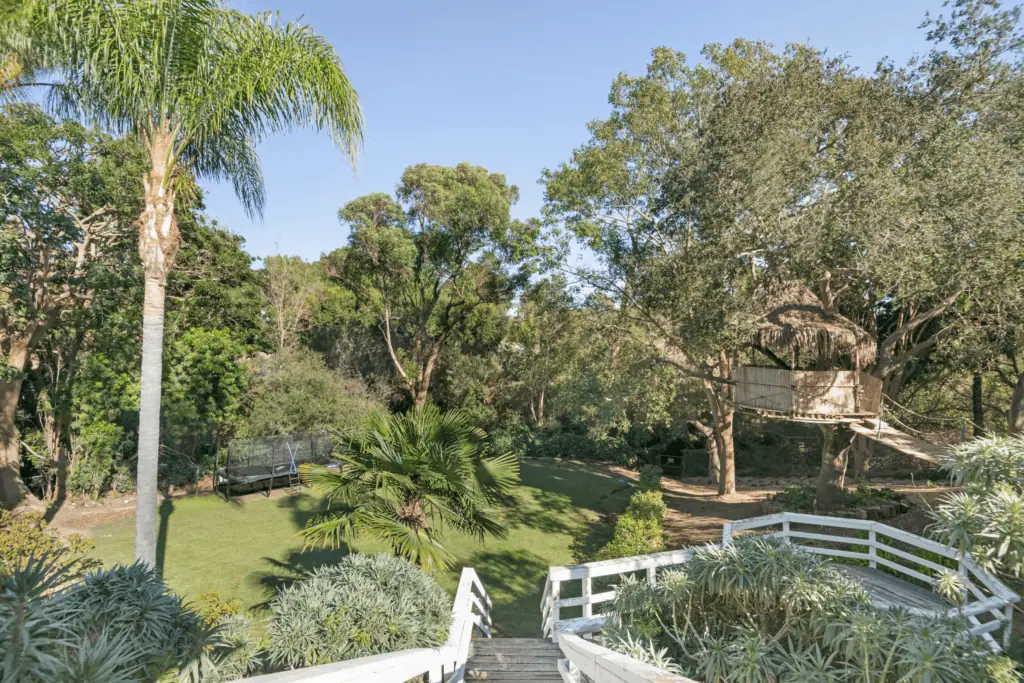
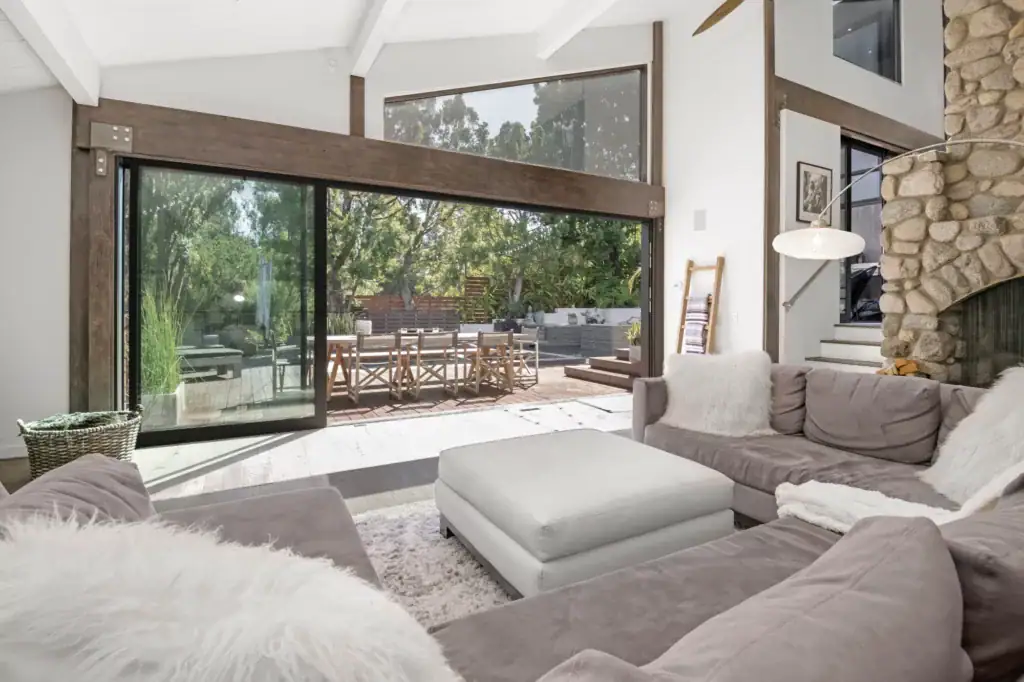
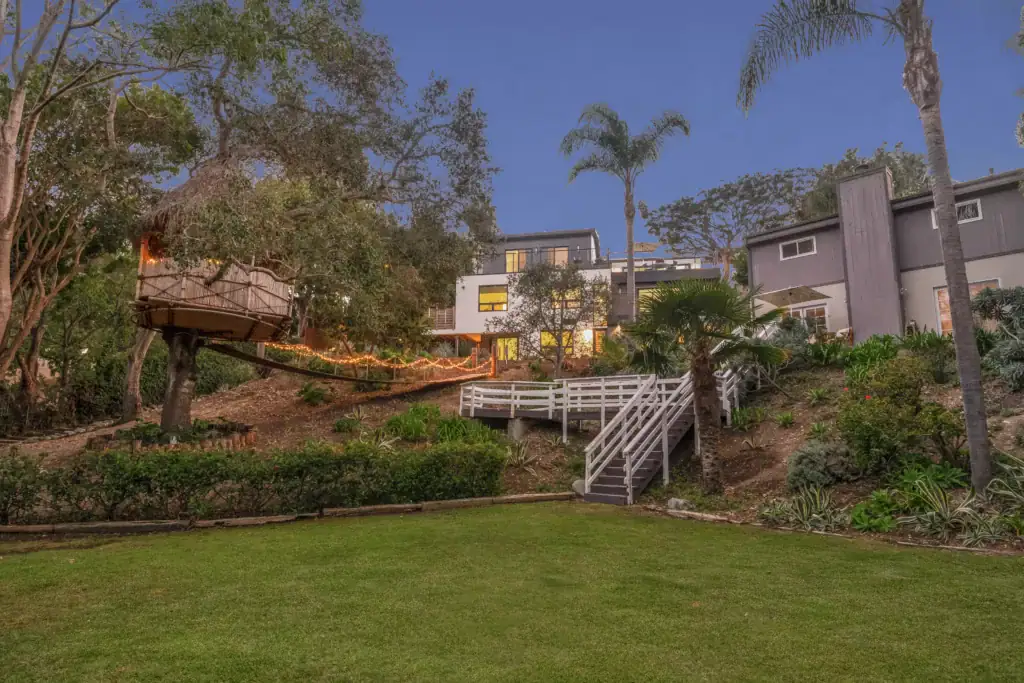
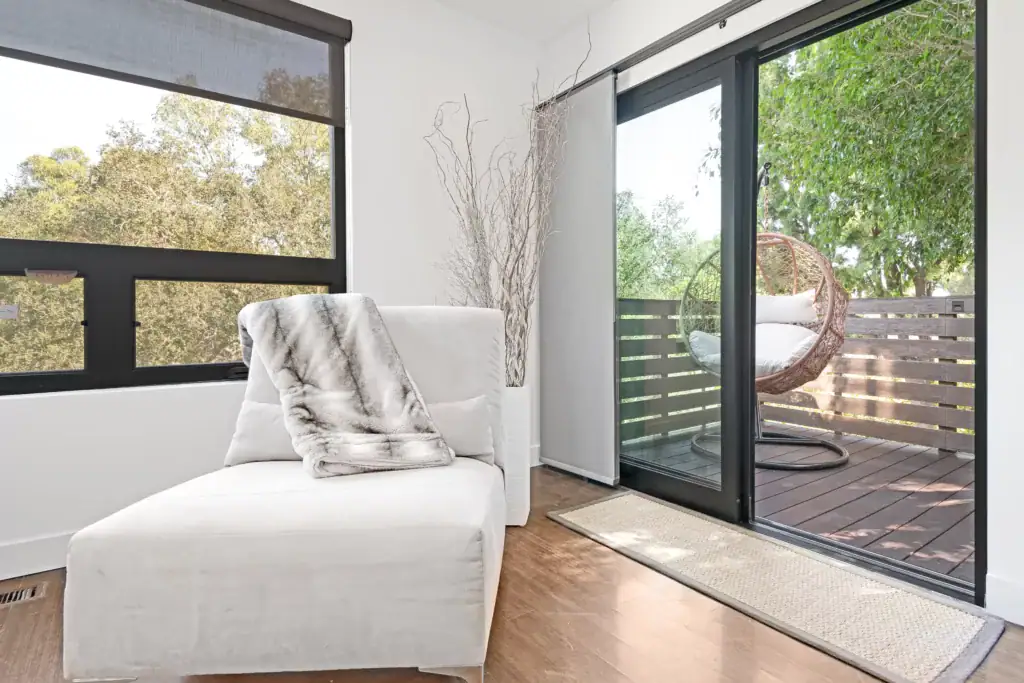
The official campus page describes Wildlife House as a three-story home with bright, private bedrooms and private baths. The room descriptions include balconies, patios, garden views, and varying bathroom features. The primary bedroom is described with a walk-in closet, soaking tub, rainfall shower, and a balcony overlooking trees. Other rooms have their own layouts and outdoor connections. These details provide a more precise picture than a general promise of luxury accommodation.
Room assignment still matters. Someone requiring a particular bathroom arrangement, easier access, a quieter location within the house, or space for specific personal needs should discuss that before committing to admission. The three-story layout makes it especially useful to clarify stairs and access between bedrooms and treatment spaces. A photograph or description of one room does not establish that all six have the same layout or accessibility.
Wildlife House’s published outdoor facilities include a full-sized tennis court with a basketball hoop. The property also has patios and decks that connect the residence to its surroundings. These spaces can be relevant to someone who values physical activity or time outdoors during a structured stay. The actual availability of recreation, supervision, and any restrictions should be understood as part of the daily schedule rather than inferred from the presence of an amenity.
Private accommodation can offer room to rest between sessions, but a residential home also involves shared spaces, staff contact, and the routines of a small community. Applicants should understand expectations around meals, quiet time, devices, visitors, and participation in groups. Dietary preferences and other practical needs should be discussed early. The aim is to establish that the household arrangements support the person’s treatment needs as well as their preferred level of comfort.
Admission, communication, and practical preparation
Amend’s admissions process begins with an informational conversation about the person’s needs and the available program. The provider encourages prospective clients and families to visit, meet the team, and ask about the environment before deciding. Its current primary telephone is 833-912-6363. A tour can help someone understand Wildlife House’s particular layout, while the clinical assessment establishes whether it is an appropriate placement.
The official admissions information says required documents are completed electronically before admission. Once a date is confirmed, the team provides guidance about what to bring, travel, and arrival. Applicants should use that stage to coordinate existing prescriptions, treatment records, contact with outside clinicians, and responsibilities at home. A clear arrival plan is especially useful for someone traveling to Malibu from another part of California or another state.
Support from relatives or other trusted people can be considered within the resident’s preferences and consent. The purpose of their involvement may be to provide background, support communication, or prepare for the transition home. An adult’s care should not assume that every family relationship is supportive or that the same level of disclosure suits everyone. The proposed boundaries and communication arrangements should be understood before a stay begins.
What happens after the residential stage
Amend describes individualized continuing-care planning and also offers a virtual intensive outpatient program. A virtual service may be one possible next step, but its suitability depends on the person’s needs and the rules governing care where they will be living. It should not be presented as an automatic continuation for every resident. Some people may return to existing clinicians, while others may need a different local program or a combination of services.
The aftercare plan should connect the residential work to practical arrangements outside the house. That includes appointments, prescribing responsibility, the living situation, support between sessions, and the information transferred to the next clinicians. For someone returning to a demanding job or a family role, the transition plan should consider the pace of return and the support available. The useful outcome of planning is a set of specific arrangements rather than a general recommendation to continue therapy.
Pricing and insurance for Wildlife House
A current fee specific to Wildlife House was not established on the official campus page reviewed. Recovery.com’s broader Amend Treatment Malibu profile displays an estimated $88,500 for 30 days, but that page discusses the provider’s two-house program and contains other differing price and length descriptions. It therefore does not establish an exact Wildlife House quote. A prospective resident should request current pricing that names this campus and the proposed duration.
The written proposal should explain accommodation, clinical appointments, medication-related charges, any additional assessments, and the terms for extending or shortening the stay. Amend’s official insurance information says it accepts plans with out-of-network PPO benefits and offers private-pay arrangements. It lists Medicare, Medicaid, Kaiser, HMO, and EPO plans as outside its accepted options. Even with an eligible plan type, the particular service and expected patient responsibility need to be verified before admission.
Wildlife House can be compared with other treatment centers in the United States and the programs in the California residential treatment guide. Amend’s Portshead House has its own campus profile. Keeping the two settings clear allows an applicant to compare the actual room and residential environment while discussing the shared provider’s clinical approach.
Sources reviewed October 20, 2026: official Wildlife House page, Amend residential program, Amend’s residential mental health treatment explanation, admissions, and the broader Recovery.com Amend profile. Clinical and accommodation statements are provider-reported; third-party pricing is not an exact-campus quotation.
Conditions
Levels of care
Settings
Amenities
Treatment approach
Psychiatric assessment and oversight, daily individual and group therapy, somatic and experiential work, EMDR and Internal Family Systems when appropriate, mindfulness, family participation and aftercare
Fees & admissions
Confirm current pricing
Confirm current Wildlife House pricing. The official campus page reviewed October 20, 2026 does not publish a fee. Recovery.com’s broader two-house Amend profile contains differing amounts and duration descriptions and does not establish an exact Wildlife House quotation; clear the old USD 88,500 amount.
Confirm the current program, duration, accommodation and included services directly with the center.
Confirm placement at Wildlife House, diagnosis and medical suitability, room, included services, written price, extensions and continuing care.