Care at Sabino Recovery — Tucson
Sabino Recovery in Tucson
Sabino Recovery is a residential mental health and addiction treatment provider on a 140-acre property in Tucson, Arizona, near the Catalina Mountains. Its published model places trauma at the center of assessment and treatment, with medical, psychological, nutritional, and experiential services coordinated around the individual. The current residential program describes 30 beds, private and semi-private rooms, and a minimum stay of 35 days, with extensions toward 90 days when clinically appropriate. The program is designed for a sustained period of treatment, rather than a brief retreat or a single outpatient consultation.
The provider describes care for people whose difficulties involve trauma, mental health, substance use, or a combination of these concerns. Its trauma-focused philosophy is relevant for someone who wants treatment to explore experiences and patterns beyond the most visible symptoms. That philosophy should not be interpreted as a claim that trauma is the sole explanation for every addiction or mental health condition. The actual formulation needs to consider the person’s full history, current functioning, medical needs, and goals. Admission depends on review by the medical and clinical team, rather than acceptance based only on a broad diagnosis listed online.
Individual treatment intensity and methods
Sabino publishes an offer of more than ten one-to-one sessions each week across the care team. The distinction between those sessions is important: the total includes contact with therapists, medical providers, dietitians, and integrative specialists. It should not be presented as ten individual psychotherapy sessions with the same clinician. The residential page says the plan is reviewed daily and adjusted weekly with the resident. A written timetable can show how those appointments are distributed, which clinician provides the central therapy, and how other services support the agreed treatment objectives.
The provider lists cognitive behavioral therapy, dialectical behavior therapy, and eye movement desensitization and reprocessing among its available approaches. These are different methods, selected for different purposes within a treatment plan. CBT-related work can examine relationships between thoughts, feelings, and behavior, while DBT-related work develops skills for distress, emotions, and relationships. EMDR is a trauma-focused therapy that requires assessment and appropriate preparation. A person considering Sabino can ask which method is proposed for their main difficulties and how the therapist will judge readiness and progress.
Sabino’s broader published therapy range includes approaches such as Deep Brain Reorienting, Accelerated Resolution Therapy, Brainspotting, and NeuroAffective Relational Model therapy. Listing these options describes the provider’s offer; it does not mean that every method has the same evidence base or is necessary for every resident. The useful question is how a particular intervention fits the person’s formulation, preferences, and response to treatment. Someone who has had an unhelpful or overwhelming experience with trauma work can discuss that history during assessment and ask how pacing, consent, and stabilization will be handled.
Choice also appears in the provider’s recovery-support approach. Sabino says residents are not required to use one traditional 12-step pathway and names alternatives including SMART Recovery and Recovery Dharma. Its pages also recognize that some people prefer a spiritual recovery community. This makes the fit between a person’s beliefs and their support network part of the planning process. It is useful to distinguish the professional therapy delivered during residential care from mutual-aid meetings that may become part of life after discharge; the two can serve complementary roles.
Medical care, sleep, and integrative services
The current team page identifies Dr. Kristine T. Norris as medical director and describes her as a psychiatrist with experience in psychotherapy and medication management. Shara Turner is named as clinical director. The page presents a wider team of therapists and medical professionals working together, with individual trauma therapy supported by attention to co-occurring conditions. These are provider-published roles and credentials, not an independent credential audit. Prospective residents should confirm who will manage their care, how medical reviews are scheduled, and which professionals are available for concerns outside routine appointments.
Sleep assessment is a specific element of Sabino’s residential description. The provider says it uses a sleep history and wearable monitoring, with results reviewed by its medical team and sleep medicine doctor; further sleep-laboratory testing may be considered when needed. This is more detailed than simply offering a quiet bedroom. A person with longstanding insomnia, suspected sleep apnea, or disrupted sleep can ask what assessment is included, whether additional testing has a separate cost, and how findings will connect with ongoing medical care. The page does not establish that every resident requires a sleep study.
The residential page also describes an initial brain map, ten neurofeedback sessions, and a follow-up brain map. These are provider-stated program components. They should not be treated as a guarantee of symptom improvement or as a stand-alone diagnostic answer to complex mental health concerns. Sabino combines conventional medical care with naturopathic and other integrative services, so it is sensible to identify the purpose, responsible practitioner, expected benefit, and any additional cost of each proposed intervention. Existing medicines and supplements should be reviewed together to support a coherent treatment plan.
Equine work and the desert setting
Equine-assisted psychotherapy is a prominent part of Sabino’s offer. The provider describes work with a master’s-level, EAGALA-certified equine therapist, including groundwork and opportunities for riding in the surrounding landscape. Its admissions information also mentions grooming, caring for horses, and spending time at the on-site equestrian center. These activities can provide a different context for exploring responses, communication, and trust alongside conventional therapy. They should be matched to physical ability, comfort around animals, and clinical goals. A person who does not want to ride can ask how groundwork or alternative activities fit their plan.
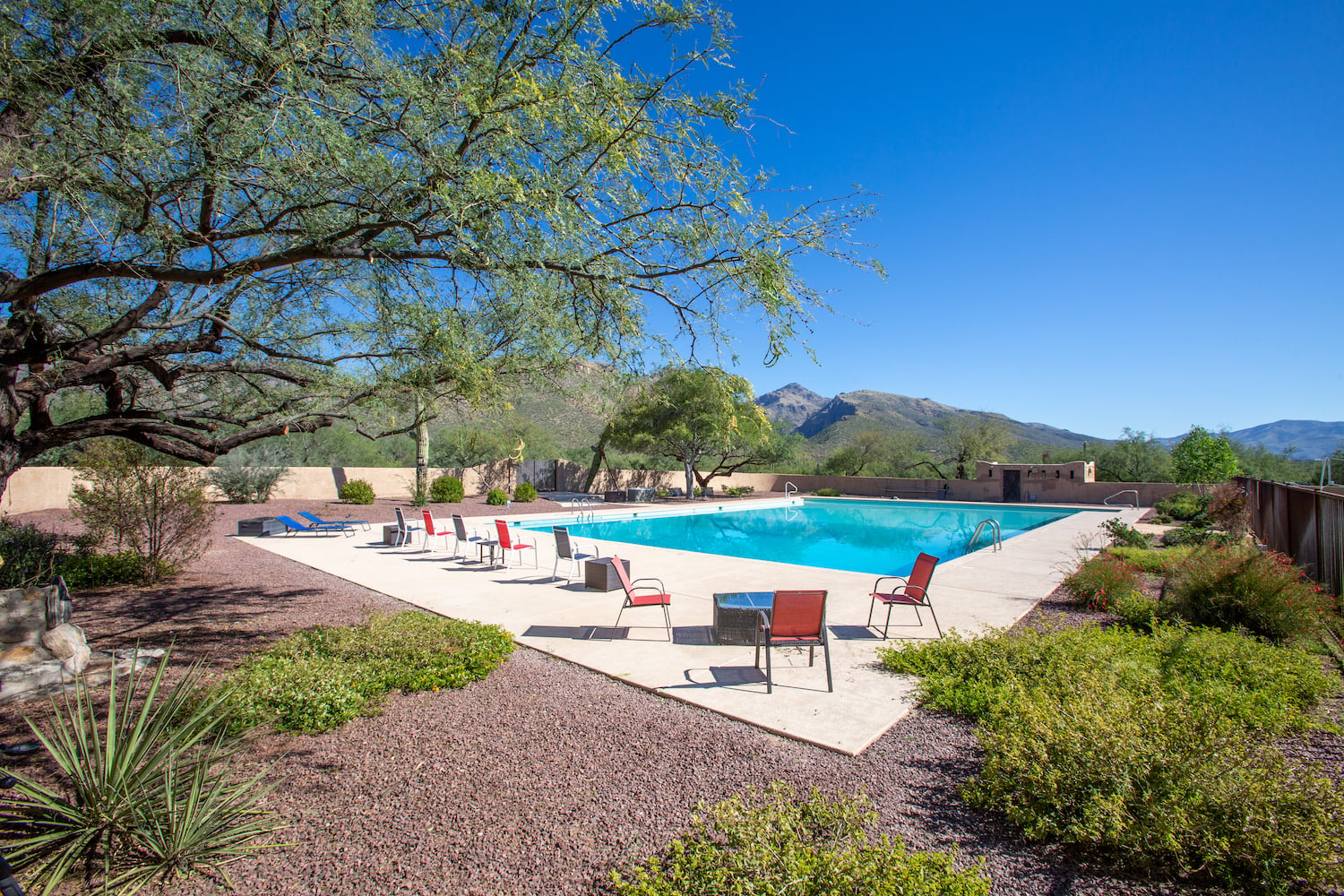
The published campus amenities include a fitness center, yoga space, sports areas, hiking and biking trails, an art studio, music space, a library, and meditation areas. The setting therefore offers several ways to spend time between scheduled appointments. Outdoor activities in a desert environment also need to be adapted to health, fitness, and conditions on the day. The admissions page says the pool is seasonal, so year-round swimming should not be assumed from photographs. The role of recreation is to support a manageable residential routine alongside the clinical program.
Rooms, meals, and contact with home
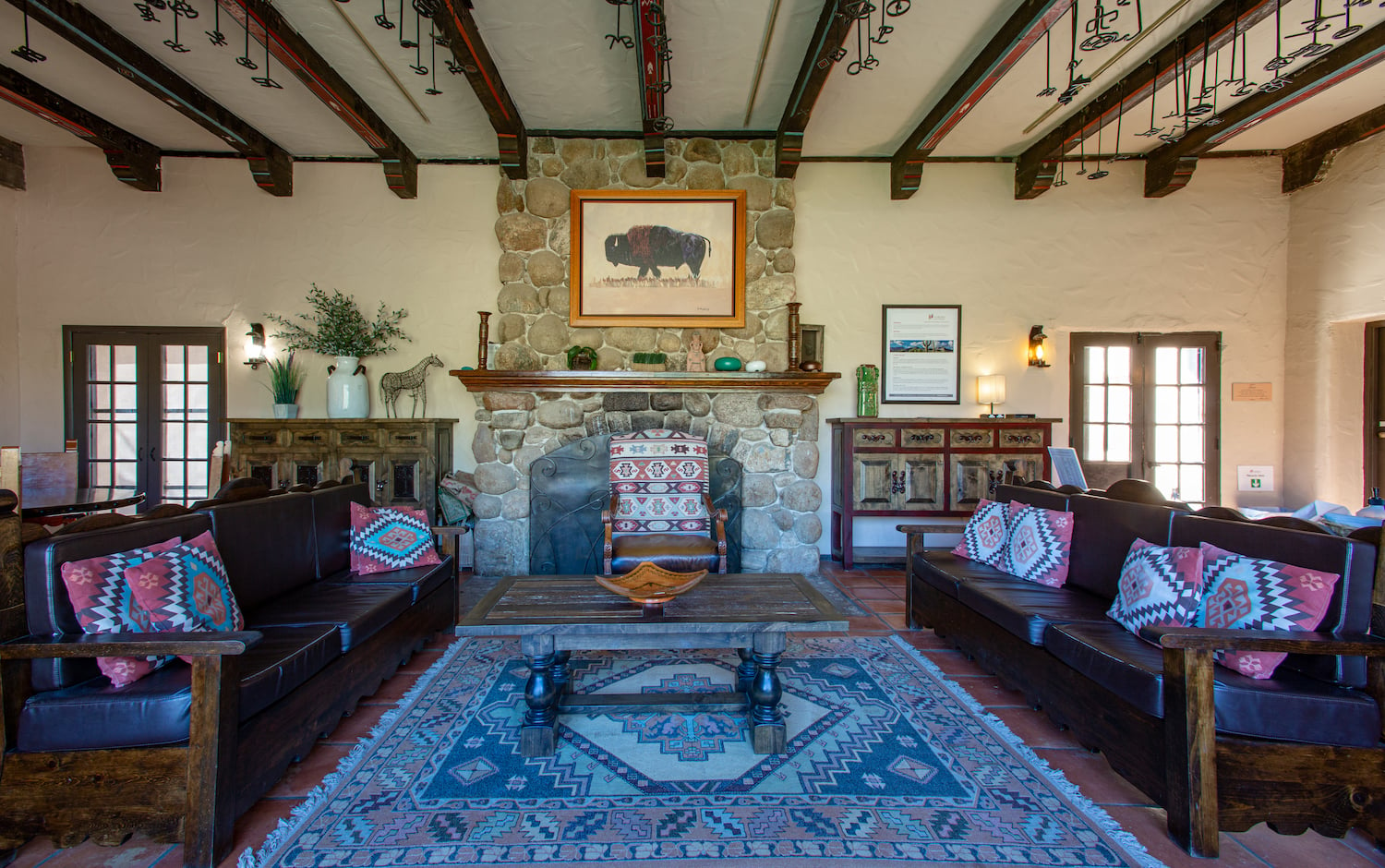
The current residential description offers both private and semi-private rooms, with features including individual climate control, walk-in showers, and private entrances. Mountain views are listed for selected rooms, rather than every room. The admissions page also describes private-room availability. A reservation should specify the actual room category, whether any accommodation upgrade is charged separately, and any accessibility requirements. This is especially useful when choosing a longer stay: privacy, sleep, and the ability to rest between sessions can affect the practical experience of treatment even though they do not replace clinical care.
Meals are prepared on site, and the provider describes collaboration between the chef, dietitian, and medical team when residents have dietary needs. That is a useful point for someone whose eating routine has become disrupted, or who needs an allergy or medical diet considered. Nutritional support should be distinguished from admission to a specialist eating-disorder service, which requires its own assessment of medical and behavioral needs. The food and accommodation described in the published program are part of the residential environment; any particular dietary arrangement should be confirmed before arrival.
Sabino provides an internet café and ways to contact loved ones, but personal electronic devices are subject to a separate policy. Its admissions information says cell phones, smart watches, and other connected devices may be secured on arrival, with access considered by the therapist. This is relevant for people who expect to continue working remotely throughout treatment. A 35-day or longer residential stay requires planning around work and family responsibilities. Clarify agreed communication times, necessary exceptions, and the level of availability that can realistically coexist with the therapy schedule.
A defined family program
The family program is an on-campus, three-and-a-half-day component that brings loved ones into structured therapeutic work. Sabino describes individual and group sessions, psychoeducation, communication exercises, boundaries, family reintegration, and equine activities. Its family therapists use techniques such as role-play, letters, and guided conversation to help people articulate experiences and practice different responses. This is more substantial than an ordinary visiting period. Participation, timing, consent, and clinical suitability should be agreed with the treatment team, particularly when relationships themselves involve distress or safety concerns.
Relatives should also understand the practical arrangements around attendance. The program’s description does not make travel, accommodation for family members, or every additional session automatically part of the resident’s fee. Ask who may attend, how much of the program is included, and how family work continues when a relative cannot travel to Tucson. The goals should be specific to the household’s circumstances, such as communication, realistic expectations, boundaries, or a plan for returning home. Participation should support the resident and family members without making relatives responsible for guaranteeing an outcome.
Duration, funding, and continuing care
The current residential page specifies a 35-day minimum and the possibility of continuing toward 90 days as clinically appropriate. Some broader website articles refer generally to 30–90-day residential programs, but the campus-specific minimum is the more useful planning figure. Sabino says there are no separate fixed tracks based simply on length; the plan evolves with the individual. Before committing, clarify the initial authorized period, review points, extension charges, and what happens if the recommended stay changes. The length of admission should be considered together with the plan for treatment afterward.
No current numeric treatment tariff was verified in the official pages reviewed. Sabino’s insurance page says it is not in network with insurers, although some costs may be recoverable through available benefits. The admissions page describes a private-pay model and states that Medicaid, Medicare, TRICARE, and Arizona’s Medicaid program are not accepted. Obtain a written account of expected personal payment, any out-of-network reimbursement process, and services the insurer may exclude. General language about insurance partnerships should not be read as a promise that the entire residential program is covered.
Sabino’s continuing-care process begins during treatment, with weekly meetings involving the primary therapist and a continuing-care specialist. The aim is to identify appropriate services where the person will live and, when possible, arrange appointments before discharge. Plans may include individual therapy, medication management, outpatient treatment, support groups, and practical activities. The provider also describes alumni contact and help adjusting a plan that proves unsuitable after departure. These services should be distinguished from the ongoing clinical care and fees charged by outside professionals.
For someone comparing residential providers, Sabino’s strongest differentiators are its trauma-focused model, substantial individual contact across several disciplines, recovery-support choices, defined family program, and early planning for continuing care. The decision still depends on an individual assessment and a clear understanding of the proposed interventions. A useful treatment offer will identify the central clinical goals, assigned professionals, actual weekly appointments, room, total cost, and realistic next steps after discharge. Those details make the program easier to evaluate than broad descriptions of holistic or luxury treatment alone.
Provider information checked October 20, 2026. Official residential, admissions, therapy, staff, insurance, and continuing-care pages are cited above. Ten-plus weekly individual contacts include several professional disciplines, not ten psychotherapy appointments. The current residential minimum is 35 days; current prices, individual eligibility, and financial arrangements require direct confirmation.
Conditions
Levels of care
Settings
Treatment approach
Individualized trauma-focused care, CBT, DBT-related skills, EMDR and other assessed trauma methods, psychiatric and medical input, equine-assisted work, family therapy, and recovery-support options including non-12-step pathways
Fees & admissions
Confirm current pricing
No current numeric tariff verified. Provider describes private-pay, out-of-network arrangements; some insurer reimbursement may be possible. Medicare, Medicaid, TRICARE, and Arizona Medicaid are not accepted according to admissions information. Confirm fees, room, extensions, and family-program travel costs.
Confirm the current program, duration, accommodation and included services directly with the center.
Medical, trauma, and substance use history reviewed by clinical and medical teams before admission. Confirm the proposed interventions, medication plan, length, device policy, and financial arrangements.