Care at Sanctuary Lodge — Halstead
Residential addiction treatment in Halstead
Sanctuary Lodge is an adult residential addiction service on Hedingham Road in Halstead, Essex. It belongs to the UK Addiction Treatment network and combines withdrawal support, where indicated, with a structured rehabilitation program at the same location. Its official service description emphasizes drug and alcohol dependence, behavioral addictions, and associated mental health needs. The setting may suit someone who needs time away from substance use and a daily therapeutic routine. Admission still depends on whether the team can safely meet that person’s medical and psychological needs; membership of a larger treatment group does not make every specialist service available at this particular house.
The distinction between detoxification and rehabilitation matters here. Withdrawal support addresses the immediate transition away from physical dependence. The longer residential work examines patterns of use, relationships, coping, and the circumstances someone will return to. Sanctuary Lodge describes a connected pathway rather than treating completion of detox as the end of care. For a person comparing treatment in the United Kingdom, that makes the planned time devoted to therapy and preparation for discharge as important as the first days of medical assessment.
Assessment, withdrawal support, and clinical boundaries
The admissions page describes a pre-arrival questionnaire, a medical history, and an assessment on arrival by a psychiatrist specializing in detoxification. It says nurses and medical professionals provide support around the clock, with medically assisted withdrawal used when appropriate. Its published booking options include seven, 14, and 28 days. Those are available program lengths, not a clinical recommendation that every substance or medical history can be managed within one of those periods. The agreed plan should specify which part of the stay covers withdrawal monitoring and what rehabilitation follows.
The Care Quality Commission describes Sanctuary Lodge as providing medically monitored detoxification and rehabilitation. This is the more precise description to use when comparing services. Neither that registration nor a provider’s use of the word inpatient establishes that the building has the capabilities of an acute general hospital. Someone with significant physical illness, complex medication needs, or a recent psychiatric crisis should discuss those needs during assessment and establish the arrangements for specialist input or transfer if the residential setting becomes unsuitable.
How the therapeutic program is organized
Sanctuary Lodge’s rehabilitation overview describes individual counseling, group work, educational classes, activities, and personal time within a planned timetable. It specifically includes cognitive behavioral therapy and creative therapeutic work. Group sessions provide a place to examine recurring behavior and learn from other residents, while individual sessions allow more private concerns to be addressed. The site does not give a reliable fixed number of individual psychotherapy appointments for every admission. A useful treatment plan therefore identifies the resident’s own goals and scheduled clinical contacts rather than relying on a long list of available activities.
The therapy directory lists cognitive behavioral therapy, dialectical behavior therapy, and a 12-Step approach. In practical terms, these descriptions point to work on unhelpful thought and behavior patterns, skills for managing emotions and relationships, and a recovery framework that can continue through community fellowships. They do not establish that every resident receives a complete specialist DBT program. The directory also lists yoga, acupuncture, and gong sessions. These are presented here as complementary activities, without assuming that relaxation-based treatments provide the same function or evidence as medical withdrawal care and structured psychotherapy.
Sanctuary Lodge qualifies its therapy menu: availability depends on clinical assessment, the individual plan, and what the chosen center is providing at admission. That distinction is useful for someone seeking a particular approach because of previous treatment experience. Ask how the proposed methods will be combined around your priorities, who provides them, and how progress is reviewed. A person whose main concern is trauma, depression, or another mental health condition should also establish whether that concern will receive direct treatment at Halstead or require additional specialist care.
People delivering care
The published team roster names Dr. Mateen Durrani as the group’s managing psychiatrist and as a consultant psychiatrist at Sanctuary Lodge. His stated areas of work include dependence, withdrawal, co-occurring mental health problems, and medication used in relapse prevention. The same roster names Jade Clark as center manager, with a background in integrative therapy, and Michael Cook as a therapist with integrative and transpersonal training. Recovery support workers, catering staff, and housekeeping staff have separately described roles. These distinctions help a prospective resident understand who provides clinical treatment and who supports the daily residential environment.
A public roster shows the service’s stated team structure, but it does not establish an individual’s appointment schedule or that every named professional is physically present throughout the day. Before admission, establish who will be responsible for psychiatric review, prescribed medication, primary counseling, and day-to-day support. Someone already taking medication should bring an accurate list and discuss the proposed plan with the treating professionals. Prescribed treatment should not be changed simply to match assumptions about what an abstinence-oriented program might require.
Bedrooms, shared spaces, and communication
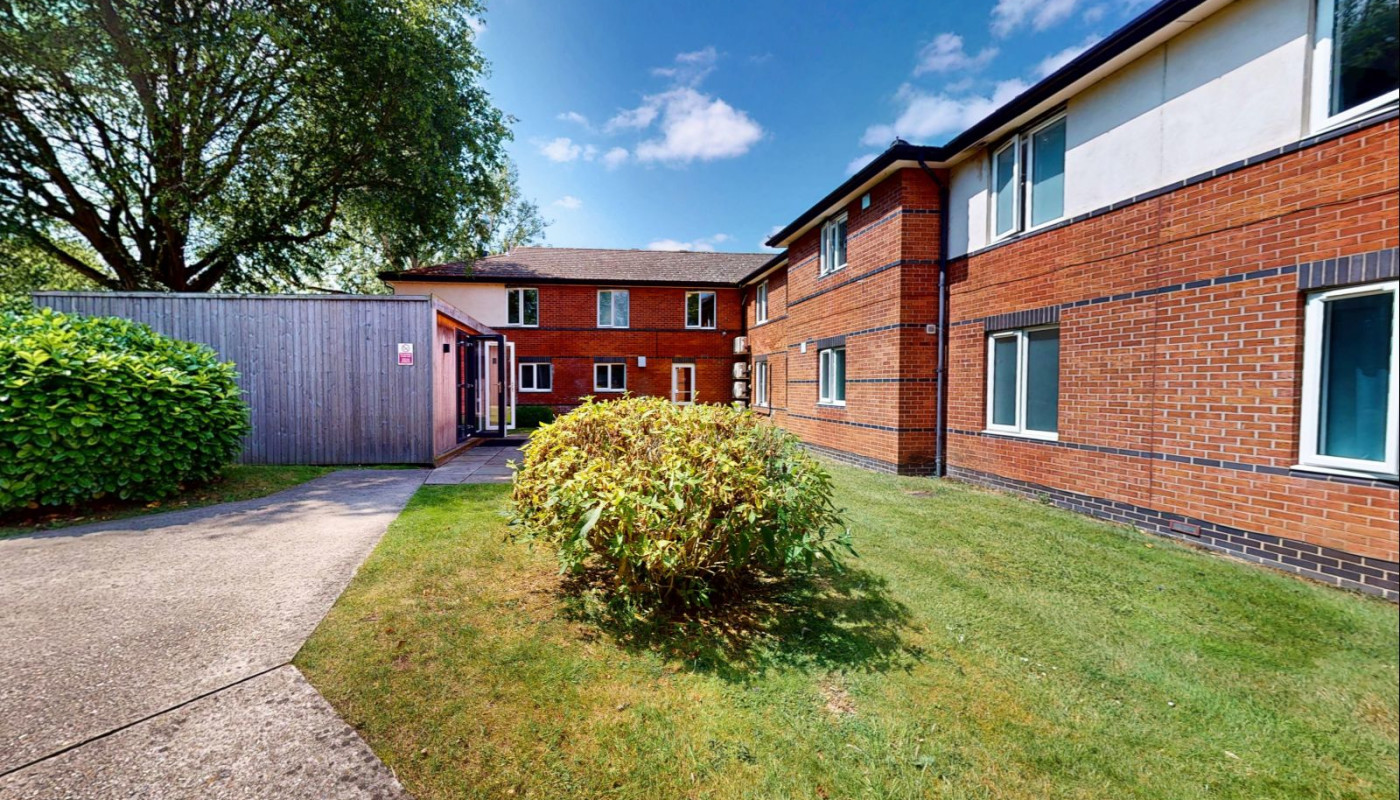
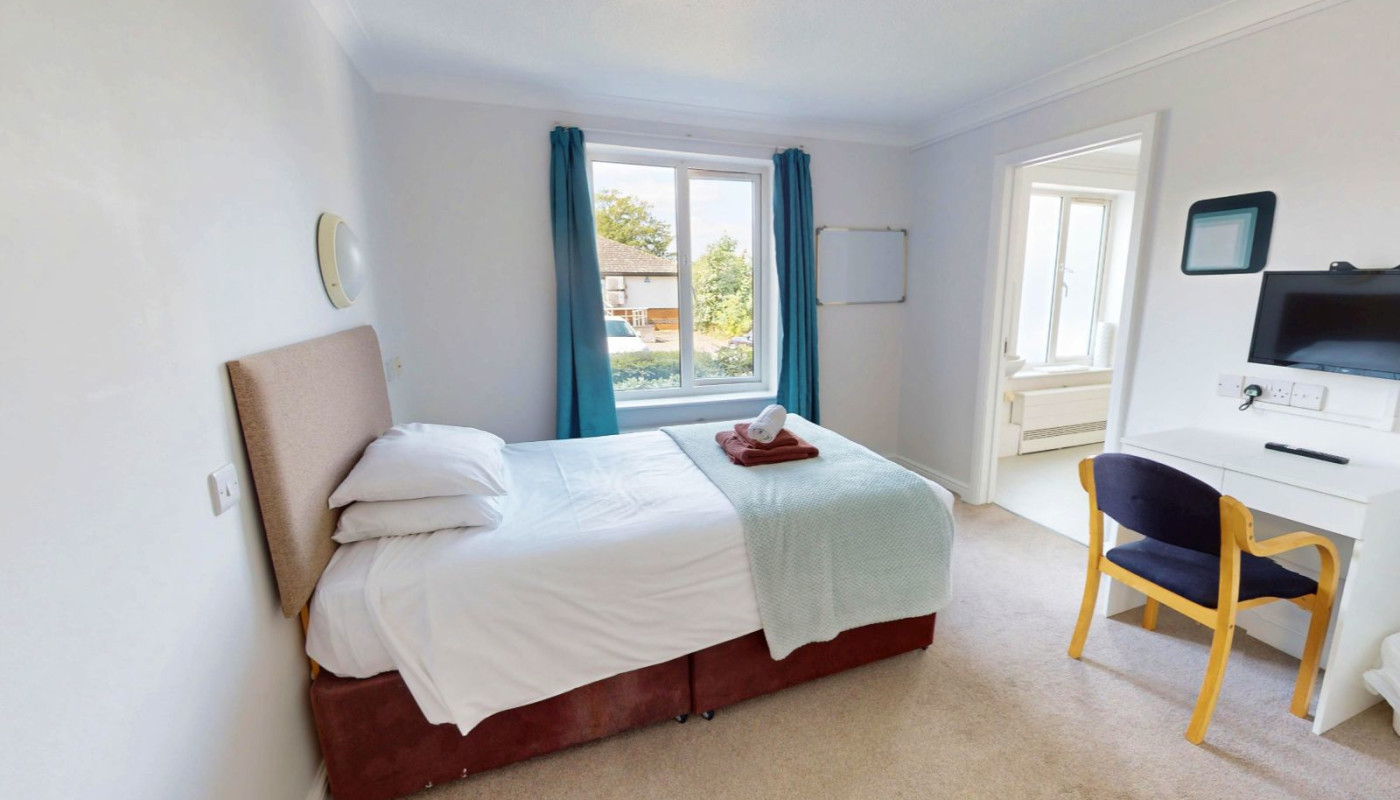
The facilities page, updated in April 2026, describes 19 en-suite bedrooms and five shared rooms, along with gardens, separate counseling and group rooms, and in-house catering for dietary requirements. These are room descriptions rather than a verified current bed total. The 2024 CQC summary refers to capacity for 22 clients, while other provider wording uses a different total. Because these figures are not directly consistent, confirm the current arrangement and the exact room offered. The available material does not justify promising that every resident has a private bedroom and bathroom.
Sanctuary Lodge provides Wi-Fi during specified periods under clinical oversight. Its admissions guidance also describes restricted phone access initially and later limited use, with laptops considered individually. This is relevant for someone who needs to arrange childcare, coordinate with an employer, or maintain necessary contact with home. Agree those arrangements before arriving. The gardens and communal spaces provide places to rest between sessions, but photographs cannot establish step-free access, bathroom adaptations, or the level of personal assistance available to a particular resident.
Family involvement
The family program describes weekly support offered in person or by video. It also describes the possibility of a joint meeting with the resident, facilitated by a counselor. The subjects include communication, the emotional effects of addiction on relatives, and ways of supporting recovery without overlooking the relatives’ own needs. The provider attaches the same assessment and availability qualification used for its wider therapy program. Family support should therefore be discussed as part of the proposed admission rather than assumed to be an unlimited package of private family therapy.
Involving relatives can be useful when discharge will mean returning to a shared home or rebuilding strained relationships. It should be planned with the resident’s consent and with clear boundaries about what information may be shared. A family session is also an opportunity to agree practical responsibilities: who will help arrange follow-up appointments, how concerns can be raised, and what support relatives can seek independently. Participation should not make family members responsible for guaranteeing another person’s recovery.
Aftercare and the return home
The dedicated aftercare page offers one year of free aftercare following successful completion of treatment, together with access to the wider UKAT alumni community. It lists Sanctuary Lodge’s group at 11:30 a.m. to 12:45 p.m. on Fridays and says aftercare can be attended through other UKAT facilities. Published timetables can change, so confirm the current session and eligibility before traveling. Alumni activities described on the page include telephone contact, newsletters, a private online community, and recovery events. Those community connections are distinct from an entitlement to unlimited individual clinical treatment.
For someone living a long distance from Essex, the practical value of aftercare depends on access after discharge. Establish which groups can realistically be attended and which local clinical services will continue medication or mental health care. The discharge plan should also identify a response to renewed substance use or other deterioration. Where a longer residential stage is proposed elsewhere in the UKAT network, ask for the location, admission requirements, and separate price; a network relationship does not automatically include another residential stay.
Fees and independent oversight
Sanctuary Lodge’s combined pathway is most useful when its components fit together: the admission assessment informs withdrawal support, the therapy plan identifies the problems to work on, and discharge preparation translates that work into arrangements at home. Ask to see that sequence in the proposed plan. Choosing a longer package without knowing what additional treatment it provides is less informative than understanding the purpose of each stage, the responsible professional, and the point at which progress will be reviewed together.
A current, clearly defined numeric Sanctuary Lodge tariff was not verified in the official material reviewed. Its rehabilitation overview says cost depends on the stay and personal requirements and describes accommodation, meals, treatment, and medication among the costs involved. Request a written quotation identifying the room, duration, clinical services, medication arrangements, and any transport charges. The admissions page requires a deposit, with the remaining balance paid on arrival. Confirm cancellation, early discharge, and extension terms before payment, and obtain policy authorization separately if seeking insurance funding.
The current CQC listing displays a report published February 16, 2024, with an overall Good rating and Good ratings in all five assessment areas. The inspection praised care planning, risk management, and staff compassion, while also recording concerns about organization and staffing continuity at that time. These are dated inspection findings, not a new assessment of conditions in October 2026. For a final decision, combine that independent record with a current clinical assessment, a clear room and fee quotation, and a specific plan for treatment after leaving Halstead.
Conditions
Levels of care
Settings
Treatment approach
Individual and group counseling, CBT, DBT-related skills, 12-Step work, educational and creative activities, family sessions, and relapse prevention; specific therapies depend on assessment and availability
Fees & admissions
Confirm current pricing
No current defined numeric provider tariff verified. Request a written quotation for the room, duration, clinical care, medication, transport, and extension or cancellation terms; insurance eligibility requires separate confirmation.
Confirm the current program, duration, accommodation and included services directly with the center.
Pre-booked admission following questionnaire and medical history, with psychiatric assessment on arrival. Deposit required and balance due on arrival; confirm suitability, capacity, and written terms.