
About Shore Point Recovery — Wareham
Shore Point Recovery in Wareham
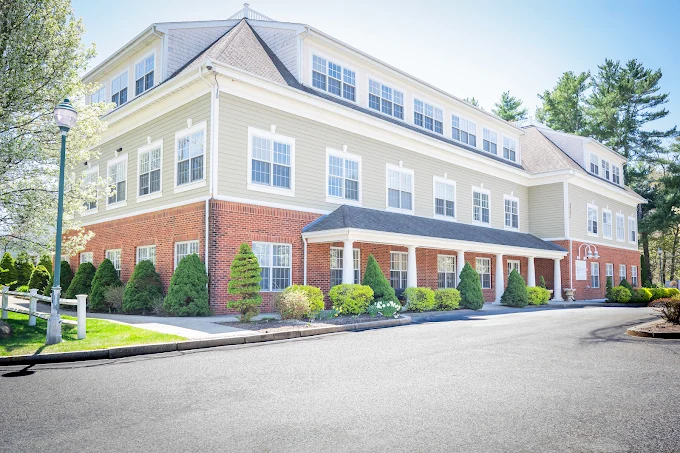
Shore Point Recovery provides addiction treatment in Wareham, Massachusetts. Its official website identifies the service as acute treatment services and residential treatment and gives the address as 2523 Cranberry Highway, Wareham, MA 02571. That address matters when planning an admission: although the organization markets many of its services using Boston, the listed facility is in Wareham. Use the actual arrival location when discussing transportation, family visits, nearby accommodation, or a return journey. An admissions conversation should establish which building and treatment program will receive you, with written directions supplied before travel.
This profile focuses on the residential and detox service associated with that Wareham address. It is one option in the United States treatment directory. The relevant comparison is between programs that can meet the same clinical need and provide a realistic transition home. A pleasant setting, a recognizable metropolitan service area, and a prompt telephone response do not establish that a particular admission is suitable. Ask the team to explain its recommendation in relation to your assessment, current health, previous treatment experiences, and the support available where you will live afterward.
Clarifying detox and residential care
Shore Point’s residential service is described as a staffed, nonhospital environment in which clients live onsite while receiving treatment. The official residential page outlines an initial medical and psychiatric evaluation, individualized planning, and ongoing medical and psychiatric oversight. It names individual and group therapy, CBT, DBT, EMDR, medication management, and family involvement among its approaches. These are descriptions of the provider’s program, rather than a promise that every resident receives each intervention or the same number of individual appointments. Ask which components would actually be included in your proposed stay.
The first practical question is whether the proposed admission begins with withdrawal management, residential therapy, or a transfer from another service. Ask which professional reviews medical suitability before arrival, what information they need from current prescribers, and whether an outside hospital assessment is required. The answer should identify who is responsible during each stage. If a relative is arranging care, obtain the patient’s consent for the information that can be shared. Avoid arranging travel around an assumed detox length or making medication changes based on a directory description; those decisions belong with the clinicians assessing the individual.
Twenty-four-hour support also deserves a precise explanation. Ask what staff are physically present overnight, how a prescribing clinician is reached, and what happens if someone needs care beyond the facility’s capabilities. A residence, an acute treatment service, and a hospital can have different staffing and transfer arrangements even when their websites use similar language. For comparison purposes, record the answers beside the provider’s written admission criteria. Someone needing a specific observation level, assistance with everyday activities, or management of a significant physical illness should have that need addressed explicitly before the admission date is agreed.
Mental health needs alongside substance use
The provider also publishes a co-occurring disorders service. If anxiety, depression, trauma symptoms, or another mental health concern is central to the reason for seeking help, ask how that concern changes the care plan. It is useful to distinguish diagnostic assessment, regular psychotherapy, medication review, and support offered within addiction groups. Those activities involve different expertise and appointment time. Clinical Recovery’s co-occurring disorders directory can help identify comparable programs, but individual eligibility still needs to be confirmed by the receiving service.
Bring a short account of what has and has not helped in previous care. That might include a treatment approach that felt useful, a medication side effect, a difficult group experience, or an appointment schedule that was impossible to maintain. This information makes a planning conversation more concrete than simply asking whether care is personalized. You can also ask how progress is reviewed with the resident and what happens when the initial plan needs to change. A useful answer explains the review process and the patient’s involvement without promising a particular outcome or implying that one approach suits everyone.
Daily life and accommodation
Room arrangements are a separate consideration from the clinical program. The current Recovery.com listing for Shore Point describes shared rooms and bathrooms. Its URL still contains the earlier Legacy Healing Center Boston wording, while the displayed listing identifies Shore Point Recovery. This profile uses the current displayed provider name and the address on the official website; it does not infer an ownership history from the directory URL. If a private room, a particular bathroom arrangement, or a specific building is essential, ask admissions to confirm availability for the actual dates under discussion.
Request a practical orientation to living at the residence. Useful details include where personal belongings are stored, how laundry works, what dietary accommodations can be arranged, and whether stairs or shared facilities would create difficulties. Photographs can introduce the setting, but they do not establish which bedroom a new resident will occupy or whether an accessibility modification is available. Be specific about needs that affect daily participation. Hearing support, mobility limitations, sleep disruption, sensory preferences, or food allergies are easier to plan for when they are discussed before the team allocates a room and schedule.
Ask for an example week that separates individual clinical appointments, groups, educational sessions, optional activities, and unstructured time. This makes it easier to understand what the advertised program means in practice. A resident returning to treatment may want more individual time to work on issues that were difficult to discuss previously. Another person may need help joining groups or balancing the schedule with medical appointments. Discuss these concerns as part of the admission assessment. The existence of a modality on a website does not tell you when it will be offered or whether the clinician considers it appropriate immediately.
Privacy, employment, and family involvement
Shore Point emphasizes privacy and support for people with professional responsibilities on its residential page. Translate those broad statements into practical arrangements if employment is a concern. Ask about access to a phone or laptop, whether limited work contact is permitted, and who can help with documents requested by an employer or insurer. Establish the boundaries before assuming that a full work schedule can continue during residence. It may be more useful to agree a small number of necessary administrative tasks than to arrive expecting to manage normal responsibilities around an unfamiliar treatment timetable.
Family participation should also have a defined purpose and consent process. Ask whether the available support consists of education, meetings with the resident, separate support for relatives, or referrals outside the program. People close to a resident may need guidance on communication, financial boundaries, or the arrangements for returning home. Those needs are different from receiving updates about attendance. Discuss who the resident wants involved and how disagreements will be handled. Where a family relationship feels unsafe or contact is unwanted, that should be communicated to the treating team rather than treated as an automatic part of recovery.
Fees and insurance
At the October 20, 2026 review, Recovery.com displayed an estimated cash-pay rate of US$1,000 per day for Shore Point. This is a third-party estimate, not a current written tariff verified with the provider. It should not be read as a fixed monthly package or as the amount an insured patient will owe. Request a dated quotation identifying the treatment level, expected length, room arrangement, and included services. If the program changes from detox to residential care, ask whether the billing rate also changes and how extensions or early departures are handled.
The official residential page offers insurance verification and payment discussions. Verification is a useful starting point, but it does not by itself settle the patient’s final share. Ask both the provider and insurer about the exact facility, network status, authorization requirements, deductible, and any separately billed professional services. Keep a written record of the explanation and the person who provided it. For families comparing several programs, use the same proposed duration and treatment level in each quotation. A low daily estimate can be difficult to compare with an inclusive package until the services and likely additional charges are clear.
Preparing for the transition out of residence
Shore Point’s aftercare information describes planning for outpatient care, partial hospitalization, intensive outpatient programs, and continuing support. Ask which next steps would be arranged by Shore Point itself and which require a separate provider. If you live outside Massachusetts, the key issue is how the team will coordinate with services where you are returning. Obtain names, appointment dates where available, and a clear route for transferring the relevant records with consent. A general recommendation to continue treatment is less useful than a plan tied to your actual location and circumstances.
Think through the first week after departure while there is still time to resolve practical gaps. Where will you sleep, who can help with transport, and which professional will handle prescriptions or emerging concerns? If returning to work immediately creates a scheduling conflict, discuss it before accepting an outpatient timetable. A family member can help write down decisions if the resident wants that support. The aim is to leave with understandable responsibilities and contact details, not a list of services whose availability has not been checked. These preparations also provide useful questions when assessing other residential options.
Making an informed inquiry
For the most useful first conversation, describe the care you are seeking and ask Shore Point to identify the proposed clinical pathway, confirmed arrival address, current room arrangement, and financial terms. Its published contact number is (508) 938-8079. Allow the assessment to determine whether this service is an appropriate fit rather than treating an available bed as the deciding factor. If a particular need falls outside the program’s scope, ask the team to explain suitable alternatives. The final decision should rest on a clear understanding of the actual Wareham service, its responsibilities, and the continuing care available after the stay.
Destinations
Conditions
Levels of care
Program approach
Provider-described medical assessment, individual and group therapy, CBT, DBT, EMDR, and co-occurring care; plan subject to assessment
Fees & admissions
Estimated USD 1,000 / day
Recovery.com displayed an estimated cash-pay rate of USD 1,000/day on 2026-10-20. Not a provider-verified tariff; confirm treatment level, inclusions, and duration in writing.
Confirm the current program, duration, accommodation and included services directly with the center.
Clinical assessment and written financial confirmation before arrival