Care at ReCreate Behavioral Health of Ohio — Gahanna
ReCreate Behavioral Health of Ohio in Gahanna
ReCreate Behavioral Health of Ohio is an adult addiction and mental health provider at 349 Olde Ridenour Road, Gahanna, Ohio 43230. Its official website identifies Gahanna as its location near Columbus and describes medical detox, residential treatment, and further treatment options. This profile concerns the Ohio service, rather than another location in the wider ReCreate Behavioral Health Network. When arranging care, use the Ohio address and ask which part of the program will admit you. A network can share a name and approach while individual facilities differ in accommodation, staffing, eligibility, and available treatment levels.
ReCreate is listed among treatment providers in the United States. Its combination of detox and residential care may be relevant to someone comparing a sequence of services, but the appropriate starting point depends on an assessment. Describe current substance use, mental health concerns, medical conditions, and the reasons previous arrangements have been difficult. Those details help the receiving team explain what it can offer at Gahanna and whether another setting is needed first. If a family member makes the initial inquiry, ask how the prospective patient will participate in the assessment and decisions that follow.
How the treatment stages fit together
The official site describes medically supervised detox followed by residential treatment and planning for less intensive care. Its residential treatment page discusses substance use alongside concerns including anxiety, depression, and trauma. Ask admissions to identify the proposed sequence for the individual, including the criteria for moving between stages. A program description is not a fixed timetable. The length of withdrawal management, the recommended residential stay, and the arrangements after discharge should be explained separately, with an opportunity to ask how the plan might change as assessment continues.
If detox is being considered, obtain clinical advice before traveling or altering medication. Tell the assessing professional about prescribed medicines, recent substance use, previous withdrawal experiences, and any physical health problems. Ask whether the facility can manage those needs and how it works with outside medical services when necessary. A useful plan identifies who has reviewed the information, what to bring, and where to arrive. It also makes clear who to contact if health changes before the admission date. A telephone discussion about bed availability should not be mistaken for medical clearance to begin a journey.
Discuss the staffing model in concrete terms. Who provides routine medical and psychiatric reviews, who is onsite overnight, and what arrangements apply when urgent outside assessment is needed? If a particular treatment or medication matters to you, ask whether it is available at this location and under which clinician’s supervision. Avoid relying on a network-wide list of services without that local confirmation. Written answers are especially useful when transferring from a hospital or another treatment program, because the sending and receiving teams need to agree the person’s needs and the responsibilities at handover.
Addressing mental health during addiction treatment
ReCreate’s public information includes both mental health and substance use treatment. Someone seeking primarily psychiatric care should ask which diagnoses and levels of acuity the Gahanna program currently accepts, rather than assume that every mental health presentation fits a residential addiction setting. A person with both concerns can ask how the clinical team coordinates assessment, psychotherapy, and medication decisions. The co-occurring disorders directory provides other programs to compare, while the receiving clinicians determine eligibility. Explain which symptoms interfere most with daily life and which supports need to continue during a stay.
It can help to bring previous treatment summaries instead of trying to recount a long history during one call. Include the goals you want to work toward and the circumstances in which earlier treatment did not meet your needs. For example, a resident may want more help practicing skills outside a session, coordinating with a prescriber, or discussing difficult experiences at a manageable pace. Ask how the plan is reviewed with the patient and how feedback can be raised. This turns an advertised individualized approach into a conversation about decisions, appointments, and the resident’s role in shaping care.
Bedrooms, bathrooms, and everyday comfort
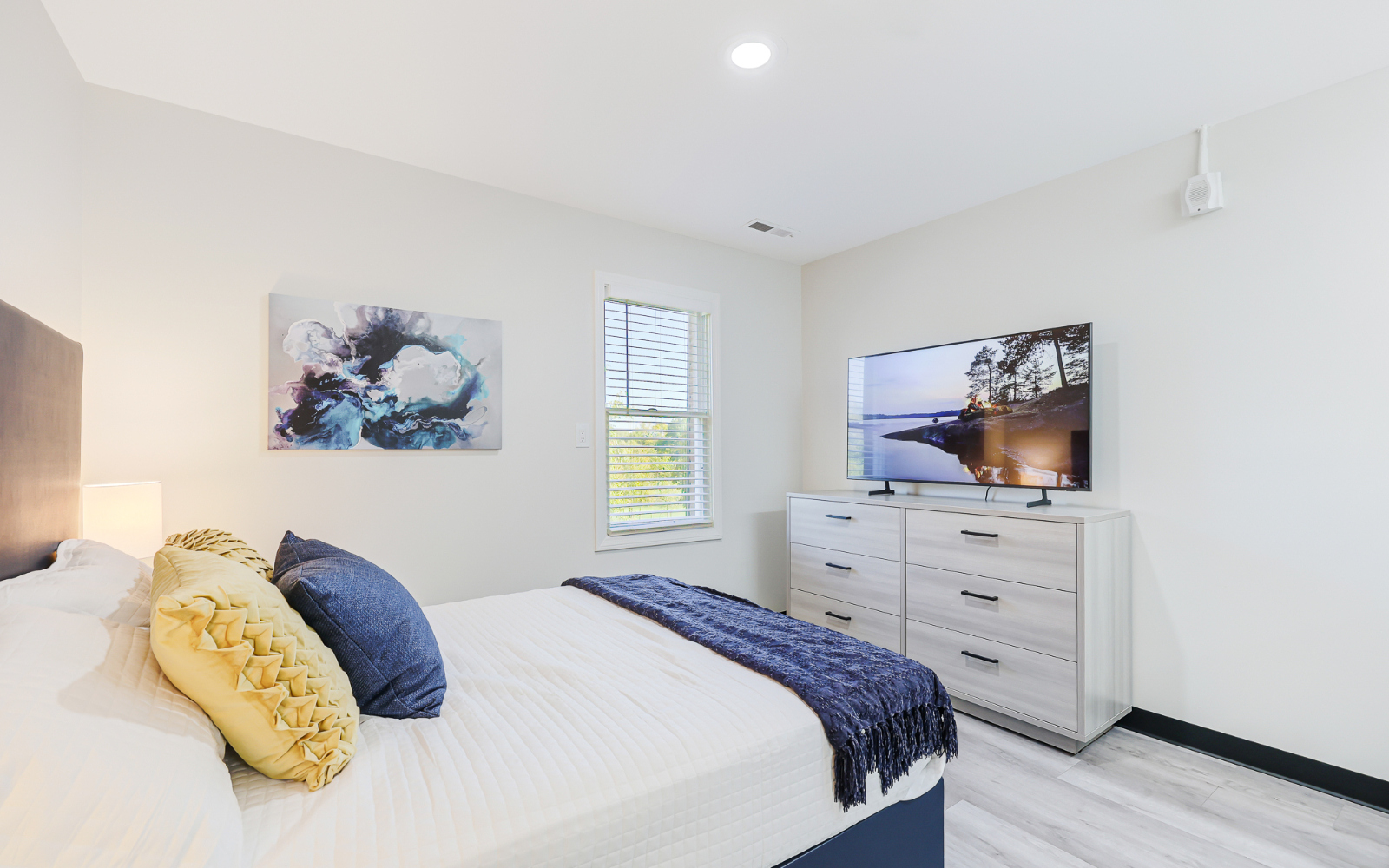
The official residential page states that residents have their own rooms, with shared bathrooms and personal televisions. That is a useful distinction: a private bedroom does not mean an ensuite bathroom. Confirm the room arrangement available for the planned admission, particularly if accessibility, overnight observation, or other clinical needs affect placement. Ask whether the same arrangement applies during detox and residential treatment. An accommodation preference should be recorded clearly so that the team can explain what is available and whether any difference carries an additional charge.
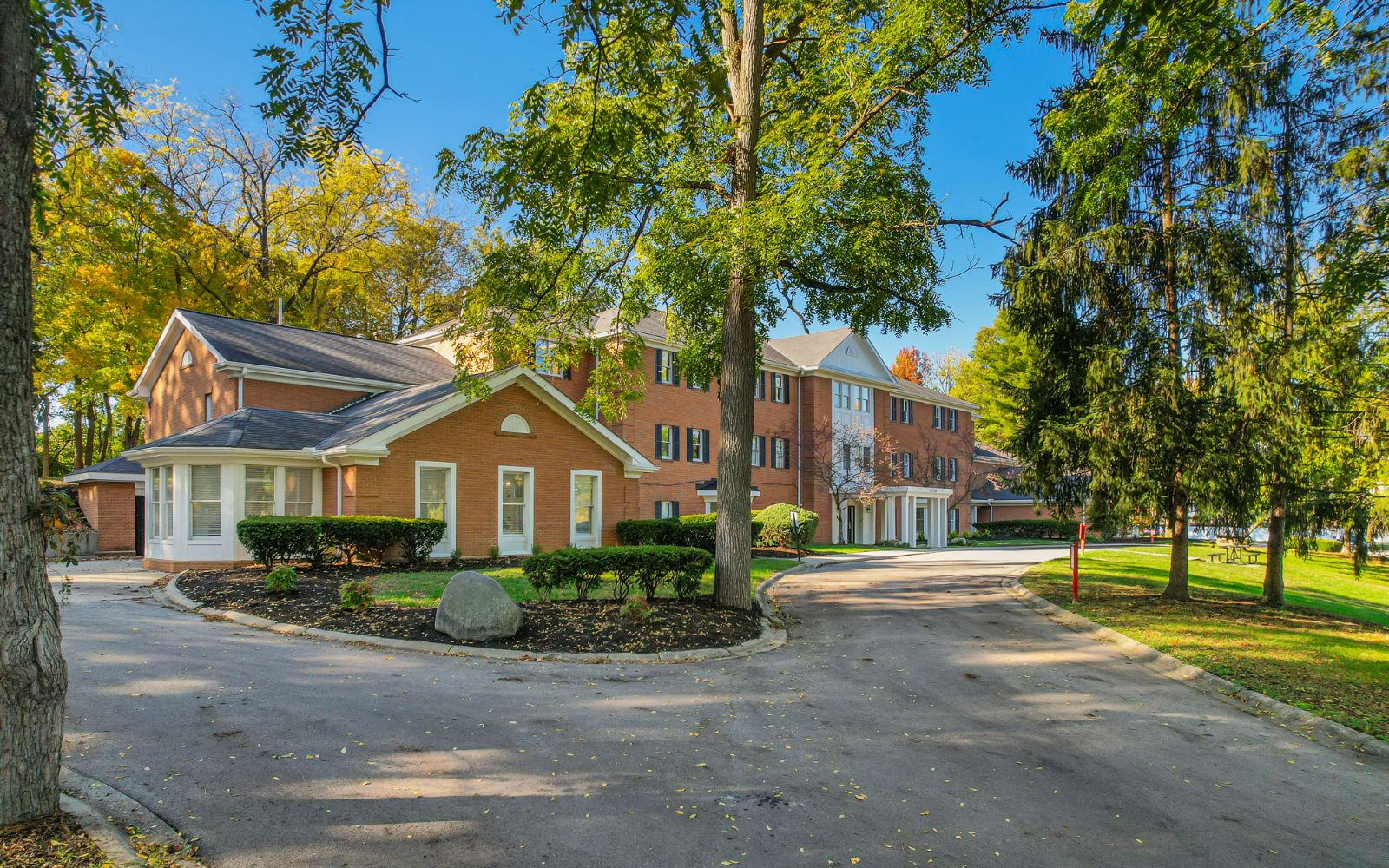
The official facility tour shows residential suites, shared living and therapy spaces, dining areas, a gym, a game room, and outdoor grounds. Treat the tour as an introduction to the premises, then ask about how the spaces are actually used. For example, exercise access may depend on the daily schedule and an individual’s health needs. Someone who finds communal spaces difficult may want to know where quiet time is possible. Someone with a food allergy or mobility limitation should ask the team to confirm practical accommodations before arrival.
Living in a program involves more than having a room. Request information about laundry, permitted belongings, tobacco rules, internet access, visiting arrangements, and how staff handle interruptions to sleep. If you use a medical device or need help with everyday tasks, describe it in advance. The aim is to understand whether the setting supports participation without discovering avoidable obstacles after admission. A photograph cannot answer questions about assistance, storage, bathroom access, or the expectations placed on residents. These details can be particularly important when someone is exhausted or unfamiliar with living in a shared therapeutic environment.
Understanding the weekly program
Ask for a representative weekly schedule and an explanation of what changes between detox and residential care. Separate scheduled groups, individual therapy, medication appointments, educational sessions, and optional recreation. This helps you see where time is spent and how the plan would address the concerns that brought you to treatment. If a particular therapy is discussed during the inquiry, ask about the clinician delivering it and when it might be appropriate. A long list of available approaches is less informative than knowing how decisions are made and which appointments are realistically part of your proposed admission.
Consider how you prefer to learn and participate. Some people want written information to review between sessions; others need help organizing tasks or expressing concerns in a group. Tell the team about any relevant learning, communication, sensory, or language needs. You can also ask how missed sessions are handled when a resident is unwell and how treatment goals are revisited. The purpose is to establish a workable plan rather than to seek a guaranteed result. Meaningful participation includes understanding the program’s expectations and having a clear route to raise questions about the experience.
Admissions and family communication
ReCreate’s admissions page describes an initial inquiry, assessment of medical and substance use history and mental health, treatment planning, a financial discussion, and orientation. It also describes aftercare planning and contact with intensive outpatient programs. Use that sequence to prepare: gather relevant records, establish who can authorize information sharing, and ask which arrangements must be complete before travel. The published Ohio telephone number is (614) 300-3214. A scheduled admission should include a confirmed location and an explanation of what happens on arrival.
Relatives may have questions that differ from the patient’s own priorities. Discuss how the team supports family involvement with the resident’s consent, what updates are available, and whether separate education or counseling is offered. Agree practical communication arrangements rather than assuming unrestricted calls or visits. If a relative will help with transport, payment, or the return home, identify the details they need without sharing more clinical information than the resident authorizes. Clear expectations can prevent a situation in which family members believe they are receiving a service that was never included in the treatment plan.
Keeping fees and treatment lengths separate
As checked on October 20, 2026, the Recovery.com listing displayed estimated cash-pay figures of US$7,000 for seven days of detox and US$27,000 for 30 days of residential treatment. These are third-party estimates for different services and durations. They are not a single price range, a provider-verified tariff, or a guarantee that either duration is suitable. The residential figure is a 30-day program estimate, even though a separate FAQ on that directory uses monthly wording. Request a written quotation for the actual sequence proposed by ReCreate.
For an insurance-funded admission, verify the specific facility and program with both the provider and insurer. Ask about authorization, network status, cost sharing, and separate professional or laboratory bills. If the recommended plan changes, find out who seeks any additional authorization and how you will be told about charges. For private payment, ask which services are included and what happens financially if the stay is extended or ends early. Keeping detox, residential treatment, transportation, and later outpatient care on separate lines makes it easier to compare an estimate with another program’s quotation.
Planning care after Gahanna
Discuss the transition home early enough to check the proposed appointments and practical arrangements. ReCreate’s website describes a pathway toward outpatient services, but ask which care will be delivered directly, which will involve another location, and which requires an outside referral. A person returning to another state may need a different plan from someone living near Gahanna. Identify where prescriptions will be reviewed, who receives the discharge summary with consent, and how the outpatient schedule fits work or family commitments. An alumni contact can be helpful, but it should be distinguished from ongoing clinical treatment.
Before choosing the program, ask the team to summarize the care pathway, current bedroom arrangement, assessment requirements, and expected financial responsibility in plain language. Record unresolved questions and who will answer them. This makes the decision easier to discuss with existing clinicians or trusted supporters. ReCreate’s combination of detox, residential care, and continuing-care planning provides a basis for inquiry, while the suitability of the actual Gahanna service depends on the person’s needs. The most useful admission plan is specific enough that the resident understands both what will happen during the stay and who will take responsibility afterward.
Conditions
Levels of care
Amenities
Treatment approach
Provider-described individualized addiction and mental health treatment, medical assessment, counseling, and continuing care
Fees & admissions
USD 27,000 / program
Recovery.com estimates checked 2026-10-20: USD 27,000 for 30-day residential treatment and separately USD 7,000 for 7-day detox. Different services and durations, not a range or calendar-month tariff. Obtain provider quotation.
Confirm the current program, duration, accommodation and included services directly with the center.
Inquiry, clinical assessment, financial review, and orientation