Care at Complete Rehab Plus — Bacău
Complete Rehab Plus in Bacău
Complete Rehab Plus is a clinic in Bacău, Romania, with a residential detoxification and recovery program and a separate outpatient service offering. Its official contact page gives the address as Arcadie Șeptilici 82, Bacău, 600234. This profile concerns the admitted addiction program at that location. Before arranging care, confirm which service has assessed the prospective patient and whether the proposed appointments include an overnight stay. The website presents a broad range of activities across the clinic, so a service appearing in its outpatient menu should not automatically be treated as part of a residential package.
The clinic appears in the Romania treatment directory. Its combination of medical, psychological, and complementary approaches makes it particularly important to understand the actual care plan. Ask which components are proposed for the individual’s needs, who is responsible for clinical decisions, and how the evidence and limitations of each intervention will be explained. A long treatment menu can describe very different activities. Comparing programs becomes more useful when the discussion focuses on the assessment, professional responsibilities, appointment schedule, and continuing care rather than the number of methods advertised.
What the residential program says
The official detox and rehabilitation page describes a 30-day admitted program for alcohol and drug concerns, with gambling treatment also mentioned. It outlines multidisciplinary assessment, medical and psychological review, psychotherapy, and other activities, with medical and nursing support described as available around the clock. These are provider-published details. The 30-day label applies to its overall program description and should not be read as a prediction of how long acute withdrawal lasts for every patient. Ask the clinician to distinguish stabilization, ongoing therapy, and preparation for discharge in the proposed individual plan.
Before an admission is scheduled, describe recent substance use, prescribed medicines, previous withdrawal experiences, physical health conditions, and relevant psychiatric history. Ask whether the clinic can meet those needs directly or requires assessment or treatment elsewhere first. The answer should identify which doctor reviews suitability and what information is needed from existing clinicians. If someone is transferring from a hospital, the services should coordinate the handover. Do not change medication or arrange a withdrawal plan based only on this profile or a program brochure; those decisions require advice from the professionals assessing the person.
Medical assessment and the proposed schedule
Ask for a clear account of the assessment process and how it determines the care plan. Which examinations are clinically indicated, who interprets the results, and how will findings be discussed with the patient? A person may already have recent tests or specialist reports that help avoid repeating information. Explain any difficulties with communication, consent, sensory needs, or previous healthcare experiences so they can be considered in advance. The useful outcome is an understandable plan, with a named clinical lead and a route for asking questions when the recommendation or a test result is unclear.
The published residential description includes individual and group psychotherapy, but a prospective patient should ask about the current frequency and availability for the planned stay. A list of modalities does not establish how much appointment time is allocated to each person or whether a particular clinician is available on the admission dates. Request a representative schedule separating medical reviews, psychotherapy, group activities, complementary interventions, and rest. If psychological work is the main reason for seeking treatment, discuss that priority directly. It should be possible to understand how the proposed appointments relate to the goals agreed during assessment.
Complementary methods require separate questions
Complete Rehab Plus also advertises methods including ozone therapy, homeopathy, and frequency-based approaches. Their inclusion on a clinic website does not establish effectiveness for addiction or make them equivalent to every other service in the program. Ask the responsible clinician what each proposed intervention is intended to do, what evidence supports that specific use, what risks or limitations are known, and whether participation is optional. The explanation should distinguish supportive activities from interventions presented as medical treatment. A patient should be able to discuss alternatives without feeling obliged to accept every item in a package.
For example, the US National Center for Complementary and Integrative Health reports little evidence supporting homeopathy as an effective treatment for specific health conditions. This general evidence resource is not an inspection of Complete Rehab Plus, but it is relevant when assessing claims made for homeopathic treatment. Review proposed complementary care with an independent clinician familiar with your situation. Do not replace or delay established treatment simply because a method is described as natural, innovative, or part of an integrated approach.
Ask how the team handles consent and follow-up if someone declines a particular method or experiences an unwanted effect. A useful written plan identifies what is essential to the agreed care, what is optional, and whether charges change when an optional component is omitted. It also explains how concerns reach the responsible doctor and when the plan will be reviewed. These questions are especially important in a program combining several approaches, because the patient needs to understand which professional is accountable for each intervention and how decisions are coordinated across the team.
Residential rooms and practical support
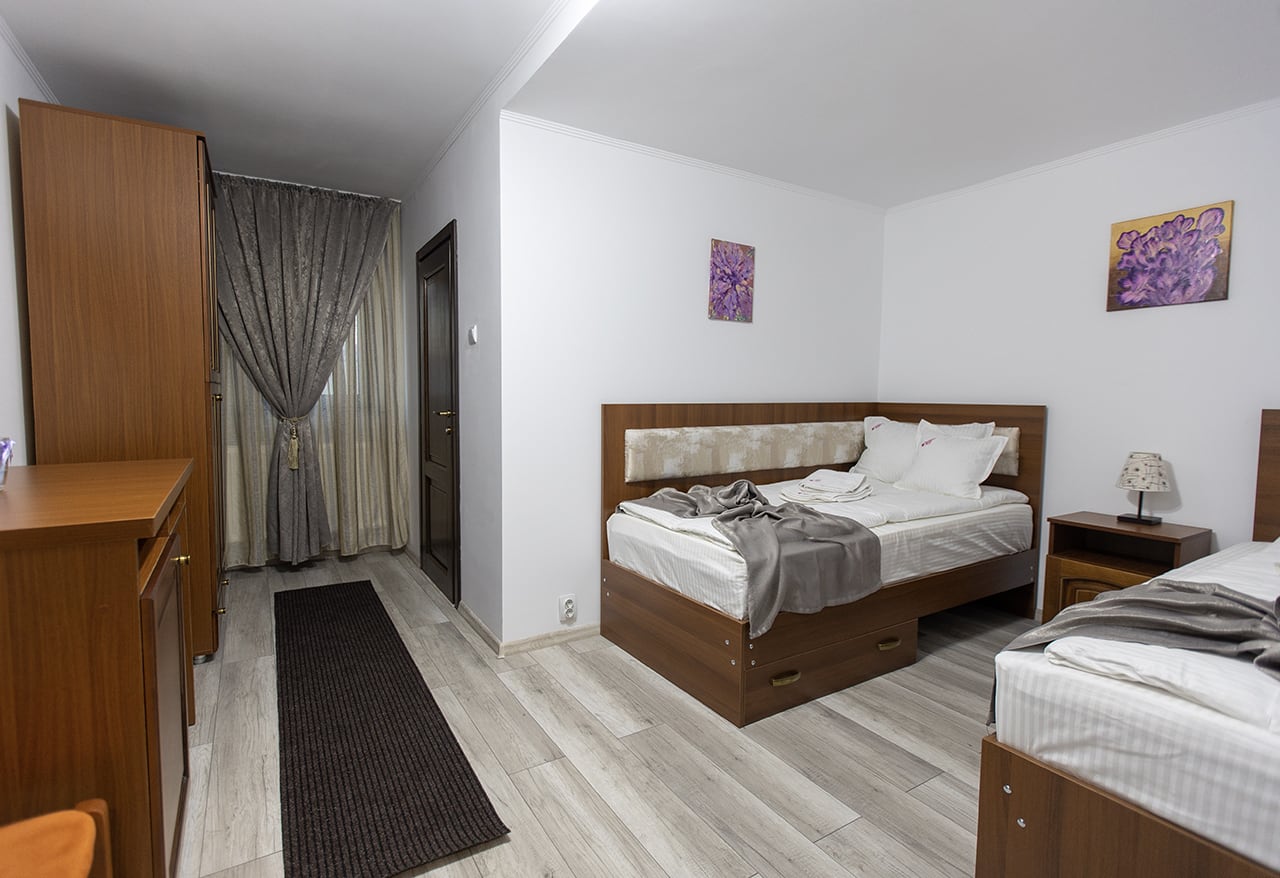
The official residential page describes eight bedrooms with bathrooms: seven rooms with two beds and one with three beds. That supports a description of shared accommodation; it does not establish that every patient receives a private bedroom. Ask which room is available for the actual admission and whether a different arrangement can be requested. The distinction matters for someone comparing private accommodation across programs. It is also sensible to confirm bathroom access, stairs, mobility assistance, and any overnight needs before assuming that the property can accommodate a particular health condition or disability.
Discuss daily living arrangements alongside the clinical program. Ask about laundry, permitted belongings, dietary requirements, internet access, visiting hours, and opportunities for quiet time. If the patient uses medical equipment or needs assistance with personal care, explain exactly what support is required. A pleasant room description cannot answer those questions. The receiving team should clarify what it can provide and what would need a different arrangement. Written practical information can also help a family member prepare for the stay without borrowing assumptions from another clinic or from an outpatient appointment at the same organization.
Age eligibility and the difference between services
The residential admission page primarily describes adults over 18 but also contains a clause referring to certain admissions above age 16 through a representative. That wording requires direct clarification. This profile does not treat the residential addiction program as a general children’s service. Ask the clinic to confirm the minimum age, legal consent arrangements, safeguarding, and age-specific clinical capabilities for any adolescent inquiry. The presence of child or autism services elsewhere on the clinic website is not evidence that the residential addiction setting is suitable for that child or that the same team delivers both services.
The outpatient clinic page lists services that include psychiatry, clinical psychology, gambling-related care, and autism services, alongside complementary methods. These should be assessed as distinct offerings. If outpatient care is recommended after a residential stay, ask which service and clinician will provide it and whether appointments need to be booked separately. If the initial inquiry is for an outpatient assessment, confirm that admission to residence is not being assumed. Keeping the service types clear helps families compare the intended care and avoid attributing the entire clinic’s scope to one program.
Language and travel arrangements
The provider publishes an English-language website, but that alone does not establish the language used in every appointment or group. An international patient should ask which clinicians can work in the preferred language, whether interpretation is available, and how medical documents will be translated when needed. Consider informed consent and day-to-day communication as well as the initial sales conversation. Someone may be comfortable arranging travel in English but need greater language support when discussing symptoms, medication, or difficult personal experiences. Confirm the actual arrangement before a booking is made.
Ask the clinic to identify the arrival address, planned admission time, and any transport it has specifically agreed to provide. Discuss fitness to travel with the appropriate treating clinician and obtain advice on bringing prescribed medication lawfully. If a relative accompanies the patient, clarify whether family accommodation is separate and when participation in appointments is appropriate. A treatment booking does not automatically include flights, transfers, a companion’s stay, or later changes to travel plans. Those details belong in the written agreement so that medical and practical arrangements can be considered together.
Fees and the limits of published price information
A current numeric tariff could not be verified in the official program information or the pricing section of the current Recovery.com listing reviewed on October 20, 2026. Earlier package labels or converted estimates should therefore not be treated as the current price. Request a dated quotation for the exact proposed program, stating the payment currency, duration, room arrangement, and included appointments. Ask whether investigations, medication, outside consultations, optional interventions, and emergency care generate additional charges. A written estimate is particularly useful where different combinations of services are offered.
Before paying a deposit, establish which organization issues the contract and how cancellation, early departure, extensions, and refunds are handled. If an insurer or another funder is involved, confirm authorization for the specific service before assuming reimbursement. Families paying privately should also discuss who receives financial information and how the patient’s clinical privacy is maintained. The financial plan should match the treatment plan that has actually been assessed. A broad description of a 30-day program is insufficient if the patient does not know which services will be provided or what changes might alter the final bill.
Preparing for discharge and ongoing care
Ask how discharge planning begins, which clinician decides the next steps, and what records the patient and future treating professionals will receive. Someone returning to another country may need a locally appropriate prescription plan, translated information, and appointments with an existing doctor or therapist. Clarify whether Complete Rehab Plus provides ongoing clinical contact, a separate outpatient booking, or referrals only. If part of the proposed treatment will not continue at home, discuss how that transition is managed. Continuing care needs to fit the person’s actual location and available services rather than remain a general recommendation.
The official contact numbers are +40 334 425 999 and +40 733 966 566. Use an inquiry to confirm the admitted program’s scope, responsible clinicians, room allocation, current fees, and the evidence and consent process for any complementary intervention. A clear response should help the patient understand both the proposed medical care and the practical experience of staying in Bacău. The decision is best made using those specific answers, with input from existing clinicians where appropriate, rather than relying on the range of methods advertised across the broader clinic.
Conditions
Levels of care
Treatment approach
Provider describes medical and psychological care with complementary methods; evidence and optional components require explicit discussion
Fees & admissions
Confirm current pricing
No current numeric tariff verified on official program or current Recovery.com pricing section as of 2026-10-20. Clear stale Standard Recovery/Advanced Therapy/VIP Executive figures and FX conversions; request written quote.
Confirm the current program, duration, accommodation and included services directly with the center.
Clinical assessment and documentation; adult program with ambiguous 16–17 eligibility requiring direct clarification