
About Simonds Recovery Centers — Granada Hills
Simonds Recovery Centers in Granada Hills
Simonds Recovery Centers describes adult addiction detoxification and residential treatment in Granada Hills, Los Angeles. Its official contact page lists 17810 Simonds Street, Granada Hills, California 91344, and 833-781-8338. The program is associated with several nearby Simonds Street addresses, so prospective clients should confirm the residence and room attached to an offer. Granada Hills is the relevant neighborhood; descriptions of other Los Angeles districts or regional attractions should not be mistaken for the location of the treatment house.
One point needs direct clarification before admission: current official pages describe medical staffing differently. The homepage says behavioral health technicians are onsite continuously and nursing triage is available around the clock by telehealth. The detox page instead describes nurses and physicians onsite at any hour. This review does not resolve that difference. Ask which professionals are physically present at the assigned property, which are available remotely, and how the team handles a change requiring an in-person medical assessment.
If the proposed plan includes remote clinical contact, ask who helps arrange it, how privacy is provided, and what happens if a connection is unavailable. Clarify who performs any required physical observations and how those findings reach the responsible clinician. These are questions about the actual care arrangement, and the answers should be considered alongside your individual medical needs.
The houses and the available licensing record
The available California DHCS facility data list Simonds Detox under two entries. Application 191267AP covers 17810 and 17808 Simonds Street with 12 places in total. Application 191267BP covers 17800 Simonds Street with six places. Both are recorded as licensed residential-detox services with incidental medical services marked “Yes.” Together they account for 18 listed places across three addresses, rather than establishing one 18-bed residence. Ask which property provides the proposed care and how movement between properties works.
The dataset’s underlying edit date is August 17, 2026. It lists expiration dates of October 31, 2027 for the AP entry and July 31, 2028 for the BP entry. These records help identify the licensed services and locations in the available data; they do not answer every question about current staffing, room availability, or suitability. If a particular clinical need is important to admission, ask for a direct explanation of how it will be managed at the assigned address. Licensing terminology should not replace that practical discussion.
Assessment and the first stage of care
Simonds describes detoxification and residential treatment as connected parts of its program. Ask the clinical team to assess whether withdrawal management is needed before deciding the starting point. Explain current prescriptions, recent substance use, previous withdrawal experiences, significant medical concerns, and any existing treatment relationships. A broad list of substances on a website does not establish the same monitoring needs for everyone. The recommendation should identify the appropriate setting and the staff responsible for assessment, prescribing, reviews, and any outside medical coordination.
The official website gives different illustrative detox periods: approximately four to seven days on the homepage and five to ten days on the dedicated page. Those differences reinforce the need for an individual estimate rather than a fixed departure date. Ask what determines the transition to residential treatment, whether the room or house changes, and whether medical charges are included in the next stage. If you need to travel afterward, discuss when the team can reasonably advise on arrangements and what would happen if the plan changes.
Before admission, request the practical sequence for the first day. It should explain arrival, assessment, belongings, medication handling, orientation, and how to contact a staff member with a concern. If a relative is helping, agree on whether they receive arrival confirmation and who can discuss clinical information with them. Ask which decisions can be settled during the initial call and which require review by a clinician. An advertised possibility of same-day placement is not the same as a confirmed bed, clinical acceptance, or completed financial authorization.
Residential work and co-occurring needs
The official residential page describes a course of about 30 days for many clients, adjusted to clinical need. It lists individual and group therapy, CBT, DBT, family sessions, psychiatric support, and medication-assisted treatment when appropriate. These are provider descriptions of the program. Ask how the proposed week is organized and which methods are recommended for your particular concerns. The length and content of the plan should be explained separately from a third-party price associated with a 30-day stay.
If anxiety, depression, trauma, or another mental health concern accompanies substance use, ask who assesses it and how the different clinicians communicate. A useful plan identifies the person responsible for each area, the expected review frequency, and what support is available between appointments. You can discuss previous therapies that helped, approaches that were difficult, and preferences about group or individual work. A list of methods does not establish that all are appropriate at once, and it should not prevent an open discussion about the pace of treatment.
It can help to ask how progress will be reviewed in terms you understand. For example, the team can explain the goals for the residential period, how those goals relate to daily life, and what would support a move to a less intensive setting. Ask what happens if the first approach is not helping or if your priorities change. The purpose is to understand how the program responds to the person, rather than expecting a fixed schedule or a particular number of days to produce a guaranteed result.
Accommodation, devices, and pets
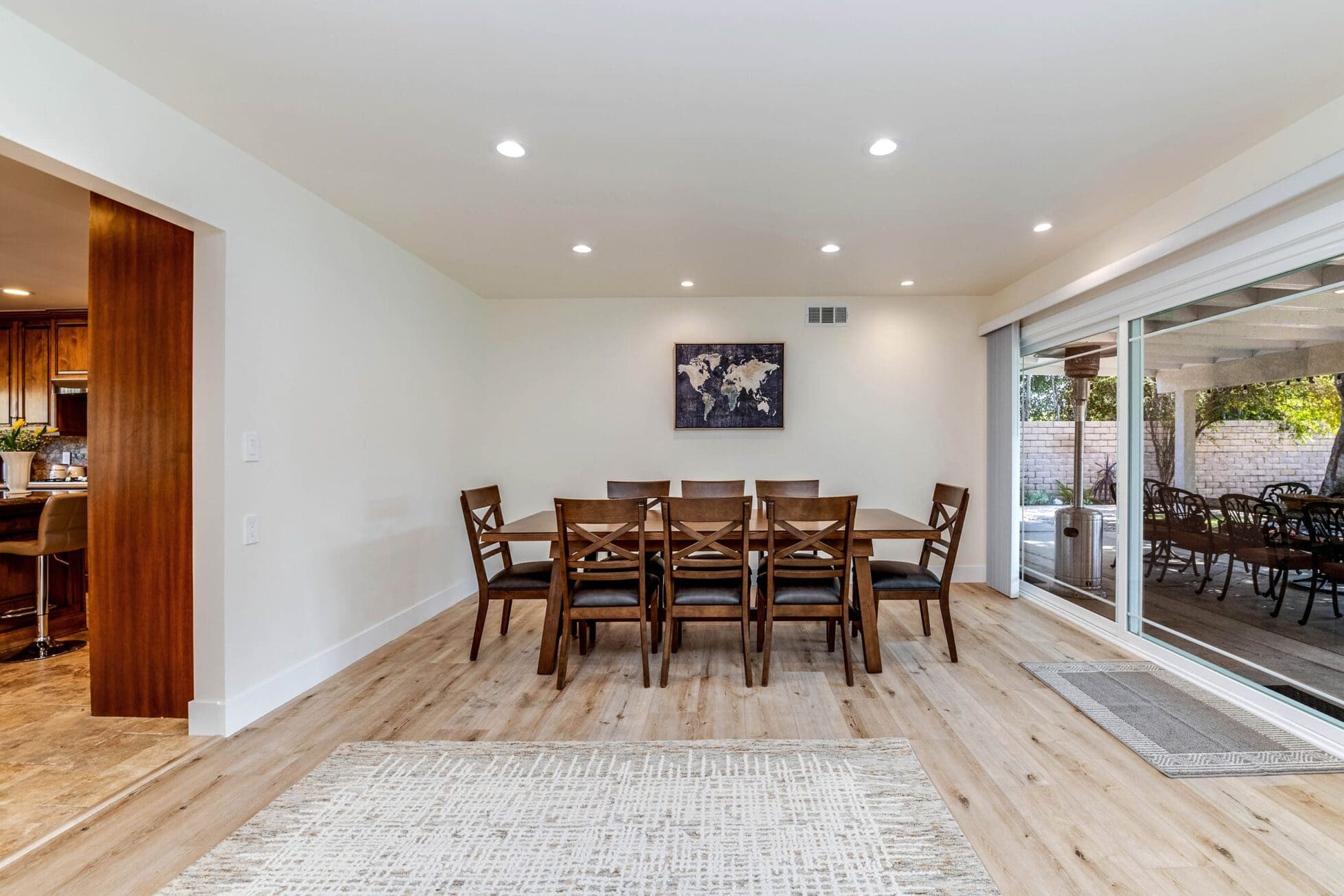
The residential page advertises private rooms, chef-prepared meals, a pool, fitness facilities, and outdoor space. The secondary profile describes both private and shared accommodation. Ask which room is available at the assigned house, what the bathroom arrangement is, and whether a private option changes the rate. The difference between a private residence and a private bedroom matters here. Photographs and a network-wide bed count do not establish the exact arrangement that will be available on the day of admission.
Simonds advertises phone and laptop access, and Recovery.com’s profile describes access from the first day, subject to review if it interferes with treatment. Confirm the current rule for your stage of care, including calls, video meetings, recordings, and secure storage. If you need to maintain an essential responsibility, ask what time can realistically be set aside without conflicting with appointments. Access to a device should not be interpreted as a promise that full-time work will fit the residential schedule.
Provider material also advertises pet-friendly and couples accommodation. Each person and animal still needs an explicit arrangement. Ask about approval, room allocation, any additional charges, care of the animal during sessions, and alternatives if the planned room is unavailable. For a couple, establish how individual assessment, consent, and treatment goals are handled. The accommodation option does not mean that both people will necessarily be recommended the same level or duration of care. Confirm what happens if their clinical plans diverge after arrival.
Family support and the next treatment setting
The official family program describes therapy, education, and support sessions for partners, parents, adult children, siblings, and other close caregivers. It presents family involvement alongside the individual’s treatment. Ask which sessions would be available during your stay, whether remote participation is possible, and how you agree who can attend. Support for relatives can have a different purpose from individual therapy, so the responsibilities, boundaries, and information-sharing arrangements should be explained rather than assumed.
For people preparing to return to a shared home, discuss practical expectations as well as communication. That may include transport, appointments, work responsibilities, finances, and the kind of contact each person wants. Ask the clinician to help distinguish support that is realistic from commitments someone cannot sustain. If family participation is unwanted or unsuitable, raise that privately and ask what alternatives are possible. A trusted support person or another arrangement may be more relevant than a standard assumption about who should be involved.
Current official material advertises PHP, IOP, sober living, and alumni support, while the secondary profile describes outpatient partners. Confirm the actual provider and address for any next stage before treating it as an extension of the residential room. Ask whether the same clinicians continue, what housing costs separately, and how attendance and transport work. This review does not establish that every outpatient service is delivered inside the Simonds Street residences. A written handover should identify the organization accepting responsibility and the first scheduled appointment.
Price evidence and the complete agreement
Recovery.com lists an estimated USD 30,000 for 30 days, checked October 20, 2026. This is a third-party estimate rather than an official Simonds tariff. The original 30-day period is retained; it is not relabeled as a calendar month. Ask which program and room the figure describes and whether detoxification, physician services, medications, testing, outside appointments, transport, and additional days are included. Separate stages or optional services should be identified individually so that the overall financial commitment is understandable.
The provider describes work with major insurers and in-network participation through TriWest. Verify the exact policy, service, authorization, and dates with both the center and insurer. The secondary listing says Medicare, Medicaid, Medi-Cal, and state-funded policies are not accepted; confirm current options directly. Ask what personal payment is required if authorization changes, how extra days are discussed, and what cancellation or refund terms apply. An insurance logo or a rapid benefits check is not a binding guarantee that every part of a stay will be covered.
When comparing Simonds with other United States providers, prioritize a clear answer about the staffing discrepancy, exact house, clinical plan, room, price, and next stage. Our residential directory can help structure the comparison. Keep the assessment recommendation, room confirmation, financial agreement, and discharge planning expectations together. They should refer to the same placement and explain which services are confirmed, which remain conditional, and whom to contact if any arrangement changes.
Reviewed October 20, 2026. Sources: Simonds’ contact, homepage, detox, residential and family pages; available DHCS data last edited August 17, 2026; and Recovery.com’s exact listing. Official medical-staffing descriptions conflict and require direct clarification. No guarantee of onsite physician or nursing coverage is made here.
Destinations
Conditions
Levels of care
Settings
Amenities
Program approach
Provider-described individualized CBT/DBT, individual/group and family work, psychiatric support, medication-assisted treatment when appropriate and continuing care
Fees & admissions
Estimated USD 30,000 / program
Recovery.com estimate checked 2026-10-20: USD 30,000 for 30 days. Not a current provider tariff or calendar-month rate; confirm exact detox/residential stage, room, medical charges, inclusions and additional stages.
Confirm the current program, duration, accommodation and included services directly with the center.
Clinical assessment, exact property/room and written staffing clarification, benefits, current price and confirmed next-stage provider