About Harmony Hills — Altoona
Harmony Hills in Altoona, Florida
Harmony Hills describes residential mental health treatment at 18121 Boys Ranch Road in Altoona, Florida, with support for co-occurring substance use concerns. Its official contact information publishes 352-269-9113. The provider’s homepage identifies a 67-acre campus and a program combining clinical treatment with wellness activities. Altoona is the actual location; a broad reference to Central Florida or proximity to Orlando should not be treated as a city-center setting or a guaranteed journey time.
This listing is most useful as a starting point for discussing a residential mental health placement. Ask which concerns the team can manage at the campus and how any substance use needs would be addressed within that plan. If medical withdrawal management may be required, obtain a separate explanation of where and by whom it would be provided. A website describing both mental health and addiction services does not establish that every person can begin at the same level of care or that medical detoxification is available onsite.
Understanding the residential recommendation
The official residential page describes full-time living at the facility, individual and group sessions, psychiatric medication management when appropriate, education, and practical skills work. It uses residential and inpatient language in its general explanation. This review treats the setting as residential and does not infer hospital-level resources from that wording. Ask what supervision is physically present, how clinical professionals are reached, and what needs would require a separate medical or psychiatric service.
The decision to live onsite should be explained in relation to your present situation. Discuss what is difficult to manage, what has already been tried, current medication, other health conditions, and the support available at home. Ask which goals the residential period is intended to address and how those goals will be reviewed. If an existing clinician knows your history, ask whether information can be shared with your permission. A useful assessment should connect the recommended environment with specific needs rather than relying only on a diagnosis label.
Harmony Hills’ admissions page describes medical, psychiatric, diagnostic, functional, and nutritional assessment as part of planning. It gives 30 to 60 days as an average residential stay, with some people requiring longer, up to about 90 days. These are provider descriptions of typical planning, not fixed terms or a guaranteed result. Ask when the first review occurs, how changes are discussed, and what criteria guide a move to another level of support.
Therapy and medication coordination
The official approach page describes CBT, DBT, motivational approaches, medication management, and wellness activities. The homepage also identifies EMDR among its trauma-related services. Ask which methods are recommended for your circumstances, who provides them, and how often appointments take place. A treatment-method list does not mean every method is delivered to every resident. The plan should explain the purpose of each element and how the team responds if an approach or pace needs to change.
If you take psychiatric or other prescribed medication, ask who reviews it, how the prescriber communicates with therapists, and how follow-up is arranged after leaving. Bring an accurate list and the information requested by admissions. This is also a useful time to discuss previous experiences, including benefits, unwanted effects, or difficulty obtaining prescriptions. The aim is to understand clinical responsibility and continuity, without treating a residential program description as an instruction to start, stop, or change medication independently.
For trauma-related concerns, ask how the team decides when particular work is appropriate and what support is available between sessions. You can discuss preferences about individual or group formats and the amount of personal information you feel ready to share. If a group is a significant part of the schedule, ask about its size, purpose, and approach to participation. The daily routine should leave you understanding who to approach with a concern and how your feedback is considered during treatment.
The Heroes Program and individual eligibility
Harmony Hills advertises a Heroes Program for active-duty military personnel, veterans, first responders, and their families. Its homepage describes trauma-informed clinical work, individual treatment, family therapy, practical skills, and attention to the transition into civilian life. These are provider statements about the program. Ask which elements are available during the proposed admission, whether there is a dedicated group or track, and how eligibility is assessed. The program name does not itself establish an insurance authorization or a particular accommodation arrangement.
Someone considering this track may have existing military, VA, employer, or community clinicians involved. Ask how those relationships can be coordinated with consent and which practical documents are needed. You can also ask whether service-related experiences are discussed individually, in a group, or only when relevant to your goals. Not every participant has the same background or wants the same form of peer contact. A useful plan should reflect your own priorities and current responsibilities rather than assuming that the program label explains them.
Campus, rooms, and daily living
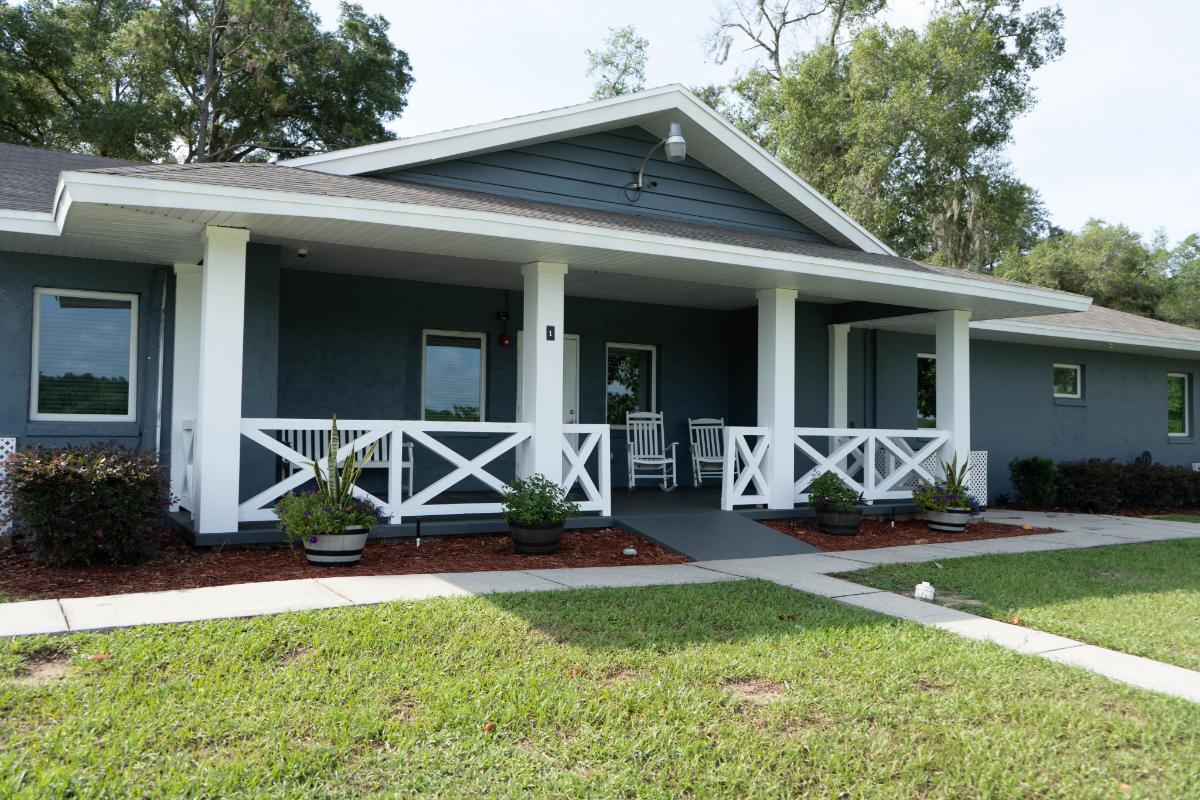
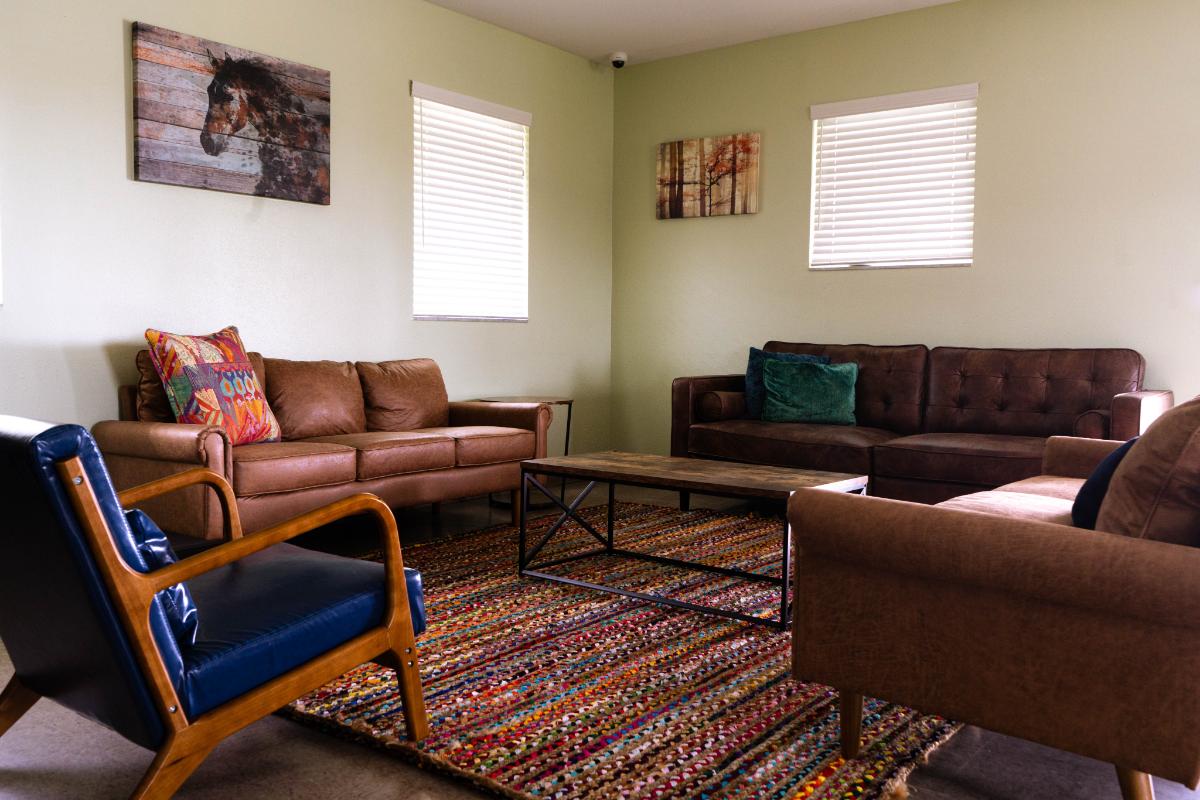
The approach page describes four residential units with 24 rooms in total, along with laundry facilities, an indoor basketball gym, a pool, and volleyball courts. Room count is not the same as bed capacity or group size. The homepage advertises private rooms as an available option. Ask which unit and room are being offered, whether the bedroom and bathroom are shared, and whether a private option changes the cost. Current occupancy and room availability should be confirmed for the intended admission date.
A large property may offer different ways to spend time outside formal sessions, but the actual routine depends on the program and individual needs. Ask which spaces and activities are available during your stay, how supervision works, and what alternatives are possible if an activity is unsuitable. If mobility, fatigue, sensory needs, or another health concern affects access, discuss the routes between bedrooms, dining, and treatment areas. Photos can help frame questions, but they do not replace confirmation of the room and facilities you will actually use.
Daily practicalities are worth settling before arrival. Request the current packing list and ask about laundry, dietary requirements, medication storage, visits, phone access, and internet use. If you need contact at a specific time for caregiving, employment, or another essential responsibility, explain it during planning. Ask who can approve an arrangement and whether it can be sustained alongside the treatment schedule. A residential stay should have understandable expectations so that routine responsibilities can be handed over or rescheduled with fewer surprises.
Family work and communication choices
The official family therapy page describes work on communication, relationships, problem-solving, and support. Ask which sessions are available during the residential period, who facilitates them, and whether remote participation is possible. The form of involvement should fit the individual’s circumstances and consent. A relative may be helpful with planning or transport without needing access to every clinical conversation. Clarify the different permissions for treatment updates, participation in sessions, and financial information.
If family relationships are strained or contact is not helpful, raise that privately with the team. Ask what alternatives exist and whether another trusted support person can take part. The purpose of family work should be clear enough that participants understand what they are agreeing to do. For a return to a shared home, the conversation may include practical arrangements, appointments, boundaries, and the help each person can realistically provide. It should not depend on an assumption that all relatives have the same capacity or role.
Cost evidence and insurance verification
No current provider tariff is established by the sources reviewed here. Recovery.com displays USD 28,000, checked October 20, 2026, but does not attach a fee-specific duration to that amount. A separate program-length field says 30 days; the two fields are not combined here into a verified 30-day price. Ask Harmony Hills for a current estimate identifying the exact program, duration, room, clinical services, and any medical or outside-service charges.
The official site offers benefits verification and says it works with major private and employer-provided insurance plans. Confirm the specific policy, network participation, authorization, deductible, coinsurance, and any separate professional charges with the center and insurer. If the proposed clinical duration is longer than the approved period, ask how that will be communicated and what the choices are. An insurer name on a website does not establish coverage for every service, a preferred room, or additional days.
The financial agreement should also explain deposits, payment timing, cancellation, early departure, and any refund provisions. If another person is funding care, clarify which documents they sign and what information they can receive. Keep the benefits explanation and the provider’s estimate together, because they answer different questions. Comparing the complete expected responsibility is more useful than comparing an unexplained directory number with a fully itemized quote from another program.
Planning the transition from residential care
Harmony Hills describes aftercare planning, alumni contact, and possible outpatient steps after residential treatment. Ask whether the next service is delivered by Harmony Hills at this address, another location, or an independent provider. The reviewed descriptions do not establish a specific onsite outpatient timetable. A practical plan should identify the next clinician, appointment date, medication follow-up if needed, accommodation, and transport. If you are returning to another state, confirm that the proposed arrangement can actually be provided where you will live.
When comparing Harmony Hills with other United States providers, consider the actual residential resources, clinical schedule, room, total cost, and continuing-care arrangements. The mental health directory can help organize alternatives around the reason for seeking support. Before committing, ask who remains responsible if a referral or travel plan changes. The decision should leave you with a current, understandable plan for both the stay and the period immediately afterward.
Reviewed October 20, 2026. Sources: Harmony Hills’ official contact, homepage, residential, admissions, approach and family pages, plus Recovery.com for the qualified price reference. Current clinical eligibility, medical resources, licensing, room assignment, coverage and costs require direct confirmation.
Destinations
Conditions
Levels of care
Settings
Amenities
Program approach
Provider-described individual/group CBT/DBT and motivational approaches, psychiatric medication management, family work, trauma services and wellness activities
Fees & admissions
Confirm current pricing
Recovery.com checked 2026-10-20 displays USD 28,000 with no fee-specific duration. Separate 30-day program field is not a verified 30-day tariff. Numeric price/currency cleared pending current provider quote for exact program, room and inclusions.
Confirm the current program, duration, accommodation and included services directly with the center.
Clinical, medical/psychiatric and practical assessment; current program/room, benefits and written estimate; Heroes track eligibility confirmed individually