About Heartwood Recovery for Men — Austin
Heartwood Recovery for Men: residential care and continuing treatment in Austin
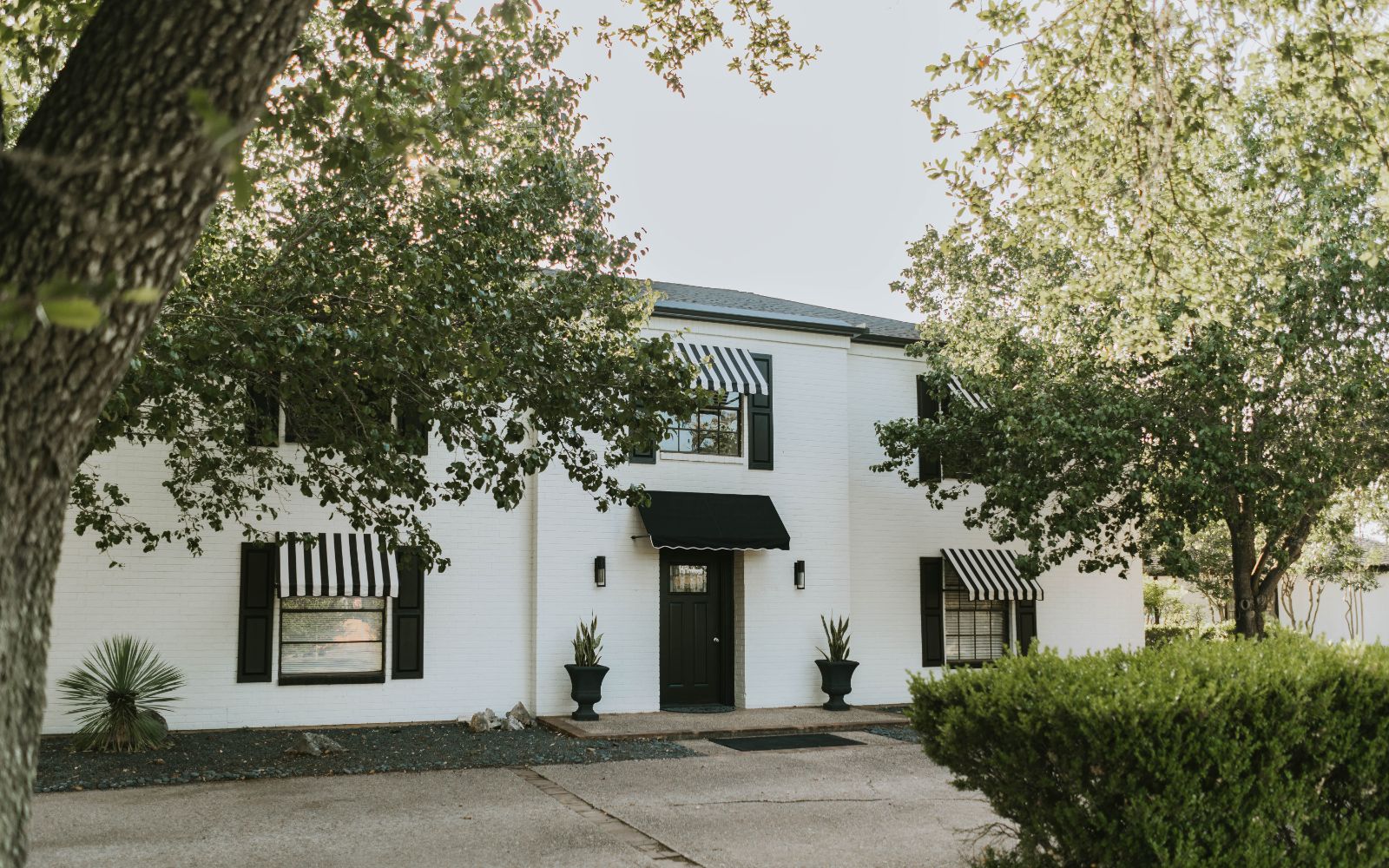
Heartwood Recovery provides addiction treatment for adult men in Austin, Texas. Its official Austin program page identifies a residential campus at 6404 Ridge Oak Road, Austin, Texas 78749, and describes a progression through residential treatment, PHP, IOP, outpatient care, and transitional living. The live-in campus is described as three acres with a maximum census of 18 clients. These features may suit someone looking for a smaller men’s program, but a placement decision also needs to address medical stability, mental health needs, the approach to recovery, and whether the later stages fit the person’s home and work responsibilities.
Medical detox is arranged elsewhere
Heartwood states clearly that it does not provide medical detox on site. When detox is needed, admissions coordinates an outside provider before the person enters residential treatment. This is an important distinction because the website uses inpatient language for its live-in program; that wording should not be read as an on-site withdrawal-management service or an acute hospital. Ask which outside service would assess and treat you, whether it has accepted the referral, and how transfer to Heartwood would be confirmed. Each organization’s clinical assessment and billing arrangements should be understood before travel.
During the initial assessment, describe your recent substance use, current prescriptions, previous treatment, medical concerns, and any difficult withdrawal experiences. Ask the team what information it needs from your existing clinicians and who will review the records. If a detox referral is recommended, request a practical handoff plan that includes transport, medications, and the conditions for residential admission afterward. A tentative Heartwood bed date is not a substitute for acceptance by the outside service. Do not adjust a prescribed medication simply to fit a general program description; discuss the actual situation with the clinicians responsible for the assessment.
Who the program is designed to serve
The official admissions page describes men aged 18 and older whose primary concern is substance use, including those with mild to moderate co-occurring mental health needs. It says clients should be able to enter safely and be willing to engage in treatment. If the main concern is a severe psychiatric episode, an unstable medical condition, or a need for continuous hospital care, discuss that explicitly rather than assuming the program’s mental health language establishes suitability. Ask admissions to explain both its acceptance criteria and the circumstances in which it would recommend another service.
A men’s program can have different meanings in practice. Ask how Heartwood defines eligibility and how it approaches a person’s identity, relationships, cultural background, and preferences. It is also useful to discuss previous experiences in gender-specific groups and anything that made participation easier or more difficult. These conversations need not wait until a bed is assigned. The goal is to establish whether you can take part comfortably in the actual community and treatment format. You can compare the proposed arrangement with other United States treatment options without assuming that a small census or a men’s-only setting guarantees a particular experience.
Clinical contact and the daily residential program
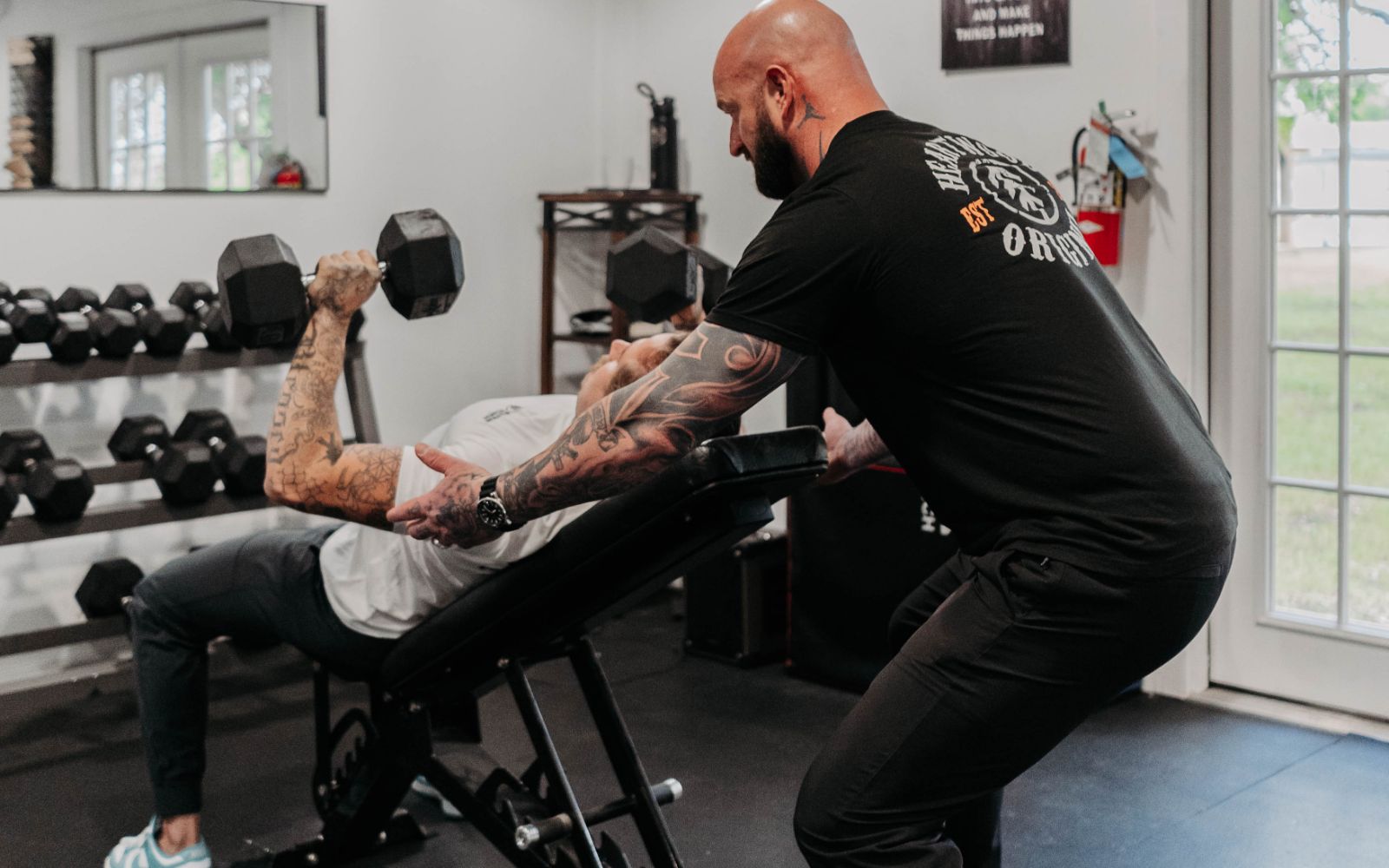
Heartwood advertises two to three individual therapy sessions per week for residential clients, alongside groups, family therapy, twelve-step work, and fitness activities. Ask about the length of those individual appointments, the clinician responsible for your plan, and how the frequency changes between stages. A smaller census is useful information, but it is not itself a staffing ratio. Ask how absences are covered, whom you can approach between appointments, and what clinical support is available outside scheduled sessions. A current sample week can help you understand how treatment, meals, rest, meetings, and personal time fit together.
The provider describes cognitive behavioral, dialectical behavioral, motivational, and trauma-informed approaches, with EMDR where appropriate. Ask which approaches the team would use for your own goals, how readiness for trauma work is assessed, and whether the practitioner delivering a specialist intervention is available throughout your proposed stay. The current website also describes psychiatric medication management. Clarify how appointments are arranged, what happens if symptoms change, and how communication with an existing prescriber works. A menu of techniques should lead to an understandable individual plan rather than an expectation that every client will receive every advertised intervention.
Twelve-step participation and recovery preferences
Twelve-step immersion is a prominent part of Heartwood’s stated approach. Ask how meetings, sponsorship, and step work are incorporated into the residential week and later outpatient stages. Someone familiar with twelve-step recovery may want to know how the program supports a return to existing community connections. Someone new to it may need an explanation of the activities and expectations. If the spiritual language or format creates a concern, raise that before admission and ask how the team responds. A clear discussion of preferences is more useful than assuming either that every activity is optional or that all participants hold the same beliefs.
Consider how the recovery approach will fit your life after the most structured stage. Ask whether the team helps locate meetings near your eventual home, how you can explore groups that feel appropriate, and how those activities connect with ongoing professional care. A meeting schedule does not answer questions about medication follow-up, housing, transportation, or a return to work. Request a plan that addresses those practical needs alongside peer support. The strongest comparison between programs is a concrete account of what you will do next and who will help arrange it, rather than the number of approaches named on a website.
PHP, IOP, and the actual outpatient timetable
The current IOP page publishes sessions on Monday, Wednesday, and Friday from 9 a.m. to noon, with typical tracks of eight to twelve weeks and individual appointments scheduled separately. It also contains an isolated reference to evening programming, so confirm the current timetable directly; the stated schedule is a morning one. Ask whether the South Austin program address is the same place used for your other appointments, which additional weekly commitments apply, and whether the group has an opening. IOP should not be assumed to fit a full daytime work schedule without checking those details.
The provider describes IOP as an option both after more intensive care and for suitable men living in the community. Its page states that housing is not included. A Downtown Austin transitional home is described as one possible arrangement, alongside living at home or another sober living option. Establish the separate address, rent, house rules, transport, and availability before relying on that pathway. PHP and IOP are clinical programs; a housing arrangement has its own terms. A person returning outside Austin should ask how the team would instead arrange suitable local follow-up and medication continuity.
Family work and chosen support
Heartwood’s family therapy information describes therapist-led sessions that may involve parents, spouses, siblings, or other important relationships. The stated focus includes communication, boundaries, and planning for life after treatment. Ask how participants are selected, whether remote attendance is available, and how sessions are scheduled around work or childcare. Your wishes and the clinical context should be part of that discussion. Family involvement does not mean every relative receives access to private treatment information, and someone with unsafe or complicated relationships should have an opportunity to discuss those concerns separately.
Use the admission period to agree on practical communication arrangements. Ask about personal calls, device access, visits, and the staff contact for urgent logistical questions. If a relative is helping with payment, establish what financial information can be shared and keep that separate from consent for clinical discussions. Family sessions can then focus on specific concerns rather than becoming the only place to solve travel or billing problems. It may be helpful to identify a few concrete goals in advance, such as a return-home agreement, a realistic contact schedule, or a way to discuss concerns without repeatedly interrupting treatment.
Rooms, cost, and insurance
For a shared living arrangement, discuss sleep, accessibility, privacy, and any equipment you use before the room assignment is made. Ask how roommate concerns are raised and whether changes are possible when a practical issue affects participation. These questions are about the accommodation being offered, rather than an assumption that the maximum census determines the number of people in a bedroom.
Recovery.com’s exact-campus profile describes shared bedrooms and bathrooms and displays an estimated USD 27,000 per month. That is third-party pricing checked on October 20, 2026, not a provider-published tariff. The stated period is a month; it should not be silently converted into a 30-day program price. Ask Heartwood for the offered room, the proposed residential duration, and a current itemized estimate. Also establish whether detox elsewhere, later outpatient treatment, transitional housing, prescriptions, and outside medical appointments would be billed separately.
The provider lists several commercial insurance relationships and offers benefits verification during admission. Confirm the specific program, provider entity, network status, authorization requirements, deductible, and coinsurance with the insurer as well as the admissions team. Approval for one level of care may not resolve the cost of a later stage or housing. If the plan changes during treatment, ask how you will be informed of the financial effect before incurring additional charges. A written estimate should also explain deposits, payment dates, and the terms that apply if treatment ends earlier or later than originally expected.
Making an informed inquiry
Heartwood’s current official admissions contact is 737-279-7505, with [email protected] also published. Before calling, write down your immediate needs, current care, preferred timing, and the responsibilities that might affect attendance. Ask for an explanation of the recommended starting level, confirmation of any outside detox referral, and a realistic account of the subsequent stages. Review the proposal against the distinctions in Clinical Recovery’s residential and outpatient care guides. The useful outcome is a specific, clinically assessed plan with clear locations, appointments, costs, and transitions that you can discuss with your existing clinicians and the people supporting you.
Destinations
Conditions
Levels of care
Settings
Program approach
Two to three individual sessions weekly in residential, groups, twelve-step immersion, family work, psychiatric medication review and appropriate trauma interventions
Fees & admissions
Estimated USD 27,000 / month
Recovery.com exact-campus estimate checked 2026-10-20 explicitly USD 27,000/month. Not a provider tariff; do not change to 30 days. Confirm room, duration and inclusions; outside detox, later outpatient stages and housing can have separate terms.
Confirm the current program, duration, accommodation and included services directly with the center.
Men 18+ with substance use primary and suitable mild/moderate co-occurring needs; outside detox coordination, clinical assessment, benefits and separate stage/housing costs