About St. Joseph Institute for Addiction — Port Matilda
St. Joseph Institute in Port Matilda: residential treatment with an optional spiritual track
St. Joseph Institute provides residential addiction treatment at 134 Jacobs Way, Port Matilda, Pennsylvania 16870. Its official website describes a mountain setting near State College and Altoona, medical detox, mental health services, and an approach that considers physical, emotional, and spiritual needs. The residential campus is distinct from the organization’s outpatient office in Wexford. This profile focuses on Port Matilda and the questions that matter when considering a live-in admission: whether the program can meet your current needs, how its treatment approach fits your preferences, and how the next stage will be arranged where you expect to live.
What the admission criteria mean in practice
The official admissions guide says the clinical team reviews each application. It describes a program for people who can move around the campus and do not need constant physician care in a hospital. It also identifies psychiatric or behavioral needs requiring close supervision, and certain specialized treatment needs, as reasons another setting may be more appropriate. Those limits matter alongside the website’s use of inpatient language. Before arranging travel, explain your mobility, medical, psychiatric, and daily-living needs in enough detail for the team to determine whether this particular campus can support them.
The guide also emphasizes an individual’s motivation to engage in treatment. If the inquiry began because of a family request, employment concern, or legal situation, describe the circumstances honestly and ask how they affect the assessment. A referral source does not tell the team what the person seeking care wants or is able to do. It is useful to separate practical pressures from personal goals, such as improving relationships, managing symptoms, or returning to a stable routine. Ask what participation is expected each day and how the team responds when someone is uncertain, discouraged, or struggling to engage.
Detox and medical arrangements
The provider’s detox page describes withdrawal management supervised by its medical director and nursing team, with continuous monitoring and medication when appropriate. Ask what this means for the actual admission proposed to you: who is present overnight, how a prescriber responds to changing symptoms, and what circumstances require transfer. The same page includes general descriptions of treatments used in different settings; these should not be read as confirmation that every medication or intervention is offered to every Port Matilda client. Your existing prescriptions and clinical history need an individual review.
Clarify how detox connects with the residential course. Ask whether both stages take place in the same accommodation, whether the anticipated program length includes withdrawal management, and how the team decides when someone can participate in the fuller daily schedule. Someone coordinating a hospital discharge should ask who receives the records and confirms the transfer. Someone arriving from home should obtain clinical acceptance before treating a suggested arrival date as final. A plan with named contacts, an agreed destination, and instructions about prescriptions is more useful than a general assurance that admissions can arrange everything later.
Individual treatment and mental health support
The institute describes individual and group counseling, recovery education, relapse-prevention work, fitness, yoga, and meditation. Its mental health program page includes cognitive behavioral groups, mindfulness, emotional-wellness work, and Seeking Safety among the approaches offered. Ask which services are recommended for your own goals and how frequently you will see the clinician responsible for your plan. If mental health concerns are the main reason you are seeking care, clarify the available program and its admission criteria directly. A broad list of diagnoses does not override the limits described in the admissions guide.
For a person living with both substance use and mental health difficulties, the practical question is how the clinicians coordinate the two areas. Ask who reviews medications, how therapists share relevant observations, and how progress is discussed with you. If you already work with a clinician at home, ask whether that person can be involved with your permission and what information will be provided at discharge. Clinical Recovery’s guide to co-occurring conditions can help organize these questions. The individual care plan should explain which needs the residential team can address and which require another service.
Spiritual preferences and the optional faith-based track
St. Joseph describes itself as non-denominational and faith-based, while stating that it does not impose specific beliefs. Its homepage identifies Bible study and a weekly non-denominational chapel service as features of an optional track. Ask how that optional element is organized alongside the main schedule and what alternatives are available during those times. Someone who values spiritual support may want to know whether their own tradition can be accommodated. Someone who prefers a secular approach may want a clear account of how everyday groups and recovery activities are delivered outside the optional track.
It is worth discussing these preferences before arrival because a program’s name alone does not describe the experience of participating in it. Ask how staff respond to questions about belief, how twelve-step activities are used, and whether different community support options are considered when planning discharge. A useful conversation connects your preferences to specific activities rather than relying only on labels such as holistic or spiritual. If a previous treatment experience involved unwanted pressure, explain what happened and ask what would be different in the program being offered. The aim is an informed agreement about participation.
Tactical Recovery for veterans and first responders
The institute’s Tactical Recovery page describes veteran-specific programming and peer groups five times per week, together with trauma-informed care and a series addressing pain. It also discusses support for military and first-responder communities. Ask whether the relevant track is running during your proposed stay, which groups you would attend, and how eligibility is established. A specialist program name does not guarantee the same peer group or staffing every week. Explain the aspects of service experience that matter to you so that admissions can describe the actual support available.
The Tactical Recovery page also describes Bridge Care for veterans when VA services are not immediately available, subject to proper authorization and coordination. Do not assume that an inquiry creates an authorized placement or guarantees payment. Ask who obtains approval, which facility is receiving the person, and how any later transfer will be organized. If the intended next step is a VA service, request an identified contact and an agreed handoff process. Family members and other supporters can help with logistics, but clinical participation and information sharing should be discussed separately with the person receiving care.
Mountain campus and shared accommodation
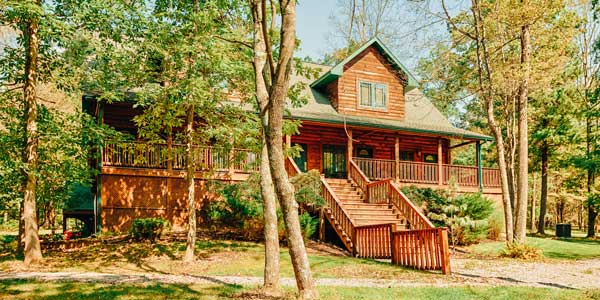
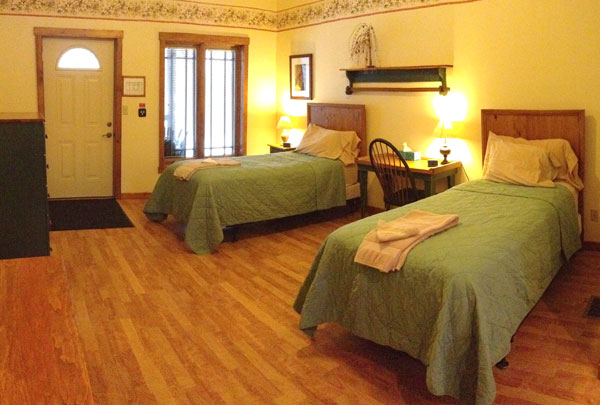
Recovery.com’s exact-campus profile describes a 207-acre property with eight log-and-stone buildings, wooded trails, and rooms shared by two clients with a bathroom for the room. These are third-party details and should be confirmed against the accommodation currently offered. A private bathroom for a shared room is not a private bedroom. Ask about the route between lodging, therapy, and meals, especially if stairs, slopes, fatigue, or weather could affect your participation. The provider’s admissions criteria make practical mobility an especially important subject to discuss before accepting a place.
The official site describes a wellness center, gym, library, chapel, and walking areas. Establish which facilities are open, supervised, or restricted during your particular stage of care. Recreation can help shape a daily routine, but its availability should not determine the clinical placement. If a pool, gym, or outdoor activity is important to you, ask how it fits into the actual schedule and whether there are suitable alternatives. Also discuss dietary requirements, room temperature, sleep, laundry, and contact with home. Details that seem small before admission can become significant during several weeks in a shared residential setting.
Thirty-day pricing and the terms of payment
The provider’s cost page says its fee is based on a 30-day residential program with continuing-care support, including accommodation, meals, and treatment. It does not publish a numeric tariff. Recovery.com’s narrative gives an average of USD 26,500 for 30 days, checked here on October 20, 2026. That is secondary evidence, even though the stated period matches the provider’s description of its fee structure. The listing records it as a 30-day program estimate, not a calendar-month rate. Obtain the current amount and inclusions directly before making a payment.
Ask the financial team whether detox, medication, laboratory work, outside appointments, and any extended stay are included in the quotation. The official cost page says self-pay treatment normally requires payment on arrival unless another arrangement has been agreed, and it describes financing assistance. Request the actual terms in writing, including deposits, payment dates, refunds, and charges for a change in length or level of care. A third-party reference to a scholarship or a financing option is not confirmation that it is available to you now. Evaluate the program quote and any separate finance agreement as distinct documents.
Insurance, arrival, and continuing care
The institute offers benefits verification and lists commercial insurance relationships. Ask both the center and the insurer to confirm the exact residential program, network status, authorization requirements, and your expected share of the bill. An estimate can change if approved days or services change, so establish how you will be notified. The current official residential contact is 814-228-8881. Its admissions guide describes a telephone interview and clinical approval before an arrival time is set. Use that process to confirm medication instructions, requested records, packing rules, transport, and the people who should be contacted if plans change.
Continuing care should be planned around your actual destination after Port Matilda. The organization separately lists a Wexford outpatient office at 11269 Perry Highway, Suite 430, and advertises virtual care; neither should be assumed to be an on-site Port Matilda outpatient program. Ask about eligibility, location, schedule, and availability for the specific follow-up proposed. Someone returning elsewhere may need local clinicians and community support instead. Compare the plan with other United States programs, focusing on a clinically appropriate starting point and concrete next appointments, transport, housing, and medication arrangements after residential care ends.
Destinations
Conditions
Levels of care
Settings
Program approach
Individual/groups, recovery education, medical and mental health assessment, fitness and mindfulness; optional non-denominational faith track and Tactical Recovery
Fees & admissions
Estimated USD 26,500 / program
Recovery.com narrative checked 2026-10-20 explicitly averages USD 26,500 for 30 days. Official cost page independently describes a 30-day fee including accommodation, meals and treatment but no numeric tariff. Not a month; current quote, detox inclusion and extensions require confirmation.
Confirm the current program, duration, accommodation and included services directly with the center.
Clinical review of motivation, ambulatory access, medical/psychiatric suitability and required supervision; benefits, current quote and approved arrival