About BriteLife Recovery at Lexington — West Kill
BriteLife Recovery at Lexington: the West Kill campus
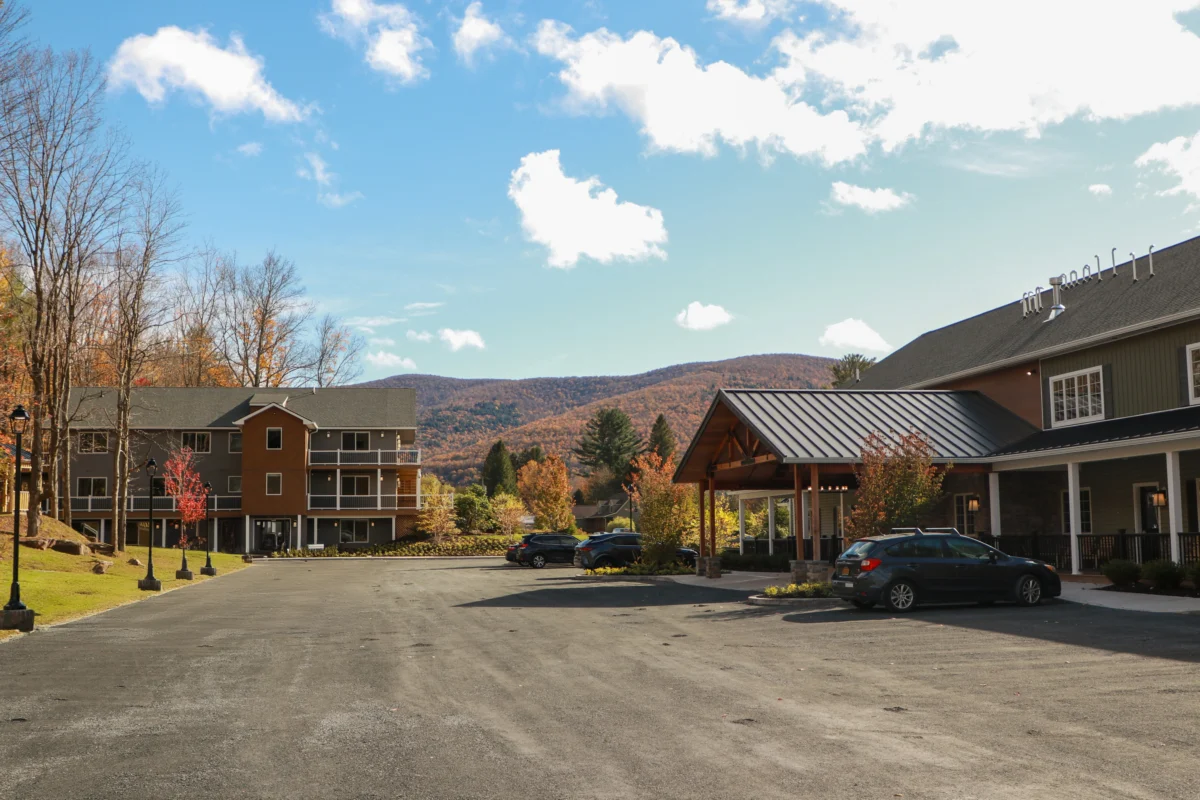
BriteLife Recovery at Lexington is a treatment program in West Kill, New York, in the Catskill Mountains. The official New York location page identifies the address as 2774 NY-42, West Kill, New York 12492, and describes detox and residential treatment for substance use with co-occurring mental health support. Some secondary listings use a different street number or Albany as the locality, so confirm the current arrival instructions using the provider’s West Kill address. A search for a New York treatment program should distinguish this mountain campus from an urban facility or another BriteLife location.
Detox capacity and the wider campus
The provider describes a 40-bed campus overall. A New York OASAS operating certificate, effective January 29, 2025, identifies Windham Falls Recovery, LLC doing business as BriteLife Recovery at Lexington at 2774 Route 42. It records 16 beds for medically supervised inpatient withdrawal and stabilization services. These figures describe different scopes; the overall campus number should not be presented as 40 detox beds. Ask about the current program allocation, availability, and medical resources for the admission proposed to you rather than assuming an overall capacity figure determines the care available in every unit.
The published certificate is useful evidence of the named service and address at its issue date. It includes an anticipated recertification review date, which should not be treated as a closure notice or a simple expiration date. If current licensing or program status is central to your decision, ask admissions for the current documentation covering the specific service. Also clarify who is present overnight, how a prescriber responds to a change in symptoms, and how urgent hospital evaluation is arranged. The term inpatient in a withdrawal-management service does not explain every medical capability of the wider residential program.
The clinical starting point
BriteLife’s residential program information describes assessment, detox when indicated, and a transition into therapy and daily residential activities. It gives an average stay of approximately 28 to 30 days while emphasizing individual variation. Ask whether a proposed duration includes detox and how progress is reviewed. Before admission, provide the team with an accurate account of current substance use, prescribed medication, previous withdrawal experiences, and medical or psychiatric concerns. If another service is needed first, ask who confirms that referral and how the transition to West Kill would be arranged.
Medication planning deserves its own discussion. The New York page advertises medication-assisted treatment, but a list of medicines does not establish an individual regimen or guarantee that an existing prescription can continue without review. Ask who will assess your medications, how relevant records are obtained with permission, and how proposed changes are explained. If a clinician at home is already involved, clarify how the teams will communicate. A discharge plan should also identify who will prescribe afterward and how appointments and medication supplies are coordinated, especially if you will return to a different part of New York or another state.
Individual therapy and co-occurring needs
The West Kill page describes cognitive behavioral and dialectical behavior approaches, motivational interviewing, trauma-informed work, and a team addressing substance use alongside mental health needs. Ask which clinician will coordinate your goals, how frequently you will meet individually, and what psychiatric input is available for your particular needs. If mental health symptoms are the main reason for seeking treatment, clarify the proposed program and its admission criteria. A provider’s broad descriptions of addiction and mental health services should lead to a specific plan, rather than an assumption that every severity or presentation is suitable for the same campus.
For co-occurring conditions, ask how therapists and medical professionals coordinate their work and how you will participate in decisions. Discuss previous treatment that was helpful, approaches that did not suit you, and any concerns about group participation. If trauma work is recommended, ask about the practitioner’s training, the pace, and how readiness will be assessed. Someone arriving after a destabilizing period may need the first stage to focus on immediate functioning and safety. The care plan should make the priorities understandable and explain how they can change during treatment.
Nature-Informed Therapy and outdoor activities
BriteLife publishes a Nature-Informed Therapy program with a 14-week curriculum of themes and clinician-led outdoor sessions. A curriculum of that length is not a statement that every residential stay lasts 14 weeks or that every client completes all modules. Ask which sessions are currently offered at West Kill, how they relate to your treatment goals, and what training the facilitating clinician has. The practical value of this information is understanding the activity and its place in care, without assuming that time outdoors produces a guaranteed clinical result.
The New York page also describes a partnership with Adventure Recovery, marked trails, a fire pit, a gazebo, and outdoor activity spaces. Ask whether an outing involves travel, what physical demands it has, and how staff assess suitability. The nature-program page says activities can be adapted to abilities and comfort, so explain mobility limitations, fatigue, sensory concerns, or discomfort with particular activities before arrival. Weather and season can affect what is practical in the Catskills. Request an account of indoor alternatives and the ordinary weekly schedule rather than choosing on the basis of one appealing photograph.
Consider how an outdoor activity connects with the rest of the clinical day. Ask whether a session includes preparation, guided participation, and an opportunity to discuss what it brought up with a clinician. Recreation, a wellness activity, and a structured therapeutic session can serve different purposes. BriteLife also lists yoga, music, creative activities, and other wellness options; verify which are running and whether participation is optional. An extensive activity menu should support your individual plan and leave room for rest, medical appointments, and the approaches selected by the treating team.
Accommodation and practical access
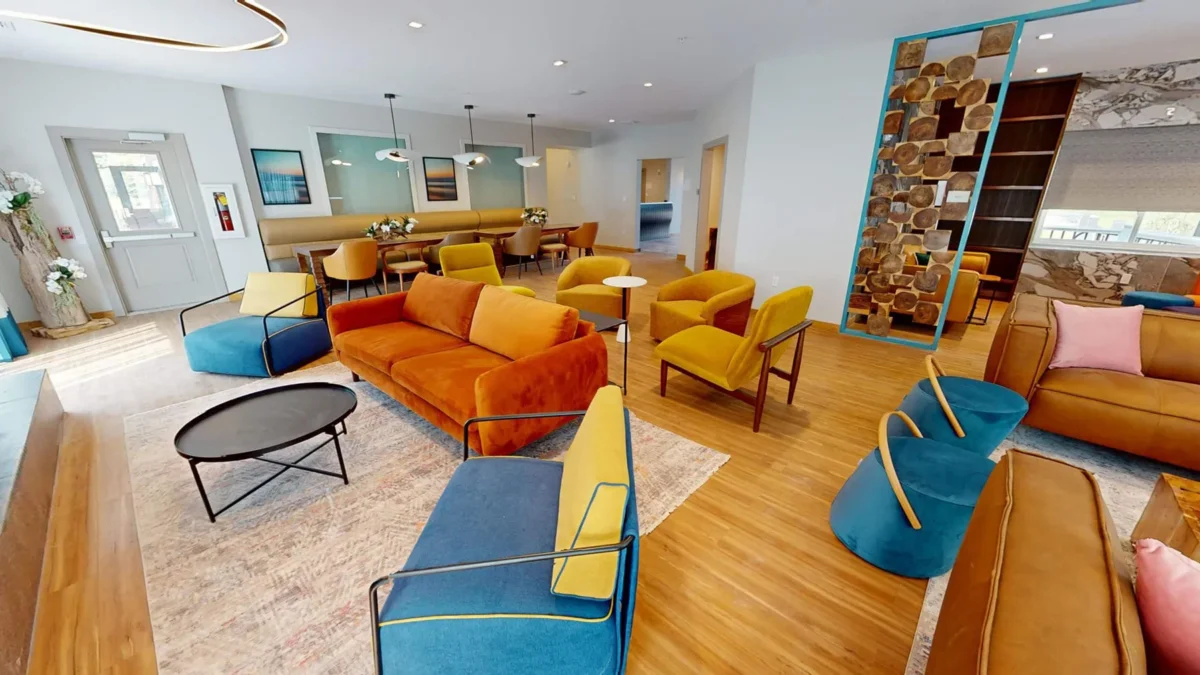
The provider describes common areas, a gym, movie theater, music and game rooms, and outdoor recreation. The current sources reviewed do not establish a guaranteed private-bedroom option for the proposed admission. Ask for the actual room type, number of roommates, bathroom arrangement, and whether you move rooms between detox and residential care. Also discuss stairs, bathing, sleep, diet, allergies, and any equipment you use. The 40-bed campus description is a capacity statement, not a description of the bedroom layout or a promise of a particular staff-to-client ratio during every shift.
Because this is a mountain setting, arrival and access deserve practical attention. Confirm the receiving street number, check-in time, transport arrangements, and a contact for delays. Ask which spaces are used for meals and therapy and whether weather changes the route from your accommodation. A supporter traveling with you should know whether they need to remain for intake and how visits are arranged later. These details are more useful than a broad claim of convenience from Albany or another city. The relevant journey is the one you will actually make, with the support your condition requires.
The Village family program
BriteLife’s family services page describes The Village, including a free five-week virtual education series, family therapy, and alumni-family workshops. It states that family participation is voluntary and based on the patient’s choices. Ask how registration works for supporters of a West Kill client, which activities are educational rather than individual therapy, and how consent for sharing clinical information is handled. A person who wants support from a partner, friend, or another chosen relationship can ask whether that person may participate rather than assuming the program is limited to a particular family structure.
The family page publishes weekly alumni workshops on Tuesdays from 4 to 5:15 p.m. and Thursdays from 6 to 7:15 p.m.; confirm the current schedule and time zone before making arrangements. Virtual access can help supporters who cannot travel to West Kill, but it still needs a workable plan around employment and caregiving. Ask what happens if a family member misses a session and whether another resource is available. Family education should also be distinguished from permission to discuss your individual treatment. Agree on those boundaries early so the different forms of support remain clear.
Thirty-day price estimate and financial planning
Recovery.com’s BriteLife at Lexington profile explicitly lists an estimated USD 24,000 for 30 days, checked here on October 20, 2026. This is third-party evidence, not an official provider tariff. The period is a 30-day program, not a calendar month. Obtain a current quote using the correct West Kill service and address, and ask whether detox, the offered room, prescriptions, laboratory work, outside appointments, and any extension are included. A general residential average of 28 to 30 days does not answer which specific services are included in the quoted amount.
If you plan to use insurance, confirm the provider entity, program, network status, prior authorization, deductible, and coinsurance with both the insurer and admissions. The presence of an insurer’s name on a brand website does not guarantee payment for every stage or location. Ask how changes in authorization are communicated if further care is recommended, and obtain deposit, cancellation, early-departure, and refund terms in writing. The current official contact number is 866-470-1464. Keep the financial explanation with the clinical plan so that the proposed admission can be assessed as a complete arrangement.
Preparing to leave the Catskills
The New York page identifies detox and residential care as its concrete on-campus levels, while discussing outpatient and other follow-up options more generally. Ask where the next recommended service would occur, whether an appointment is available, and who coordinates it. Someone returning home may need local therapy, medication follow-up, housing support, and community connections. Compare this plan with other United States treatment programs and the practical distinctions in the residential care guide. The mountain environment and family resources are meaningful features when they form part of a clinically suitable course with concrete next steps.
Destinations
Conditions
Levels of care
Settings
Program approach
CBT/DBT, motivational and trauma-informed work, psychiatric medication review, Nature-Informed Therapy, Adventure Recovery activities and voluntary Village family support
Fees & admissions
Estimated USD 24,000 / program
Recovery.com BriteLife at Lexington estimate checked 2026-10-20 explicitly USD 24,000 for 30 days. Third-party evidence, not a provider tariff or calendar month. Secondary street number differs from primary/state source; confirm exact receiving service, room, detox and all inclusions in current provider quote.
Confirm the current program, duration, accommodation and included services directly with the center.
Exact West Kill service and current status, clinical/medication assessment, room layout and accessibility, benefits and current 30-day quote; arrival at primary/state-supported 2774 Route 42