About ARCH Academy Ridgeview Campus — Pegram
ARCH Academy’s Ridgeview Campus is a residential program for adolescent girls in Pegram, Tennessee. It is part of Cumberland Heights’ adolescent services and addresses substance use alongside co-occurring mental health concerns. The provider identifies Ridgeview as a ten-acre campus at 686 Ridgeview Drive, separate from its boys’ residential campus in Kingston Springs and outpatient services in Nashville. Families considering Ridgeview should ask about the current admission criteria, the proposed treatment phases, school continuity, and the practical commitments expected of caregivers.
A girls’ campus within ARCH’s adolescent services
The official ARCH history dates the opening of Ridgeview to 2025, following the earlier development of its Harpeth program for boys. That distinction matters when researching the center: older descriptions of ARCH may concern a different campus or an earlier version of its programming. Ask for information specifically about Ridgeview, including the current clinical team, where school takes place, and which activities and appointments involve travel away from the residential property.
Recovery.com’s exact-campus profile describes the population as girls ages fourteen through seventeen. The primary site describes adolescent girls without resolving every age or admission exception. Confirm eligibility directly, particularly if a teenager is approaching eighteen, has recently left school, or needs accommodations related to disability or gender identity. An admissions conversation should address the individual’s circumstances respectfully rather than assuming that an age band or a campus label answers every question about appropriate placement.
ARCH’s stated focus includes alcohol and other substance use with co-occurring mental health difficulties. That is different from assuming admission for every primary psychiatric condition. Share the main reason for seeking treatment, existing diagnoses, recent evaluations, current medications, and previous experiences in care. Ask which needs Ridgeview can manage within its residential setting and which require another service first. Our guide to co-occurring conditions provides a framework for comparing how programs coordinate these needs.
Understanding the treatment environment
The provider’s campus description emphasizes trauma-informed care, therapeutic programming, and community activities at Ridgeview. These descriptions help establish the intended environment but do not specify how often an individual receives each intervention. Ask for a sample week and clarify the balance of individual counseling, therapy groups, education, recreation, rest, and family work. A schedule should make it possible to distinguish clinical appointments from other structured activities.
ARCH’s residential overview describes licensed counselors, recovery mentors, group work, and a shared recovery culture across its campuses. Families can ask how responsibilities differ between these staff roles and who directs their daughter’s treatment plan. Find out who will communicate progress, how often the plan is reviewed, and how the teenager participates in setting goals. These questions are particularly useful when concerns extend beyond substance use into relationships, school confidence, or emotional regulation.
The organization’s published values place substantial emphasis on the Twelve Steps, spirituality, and family involvement. Discuss that orientation openly with the adolescent before admission. Ask how staff work with young people who are uncertain about spiritual language, have different religious beliefs, or have had uncomfortable experiences in previous recovery groups. A family can explore compatibility without assuming that everyone will interpret the same approach in the same way or that accepting a particular belief is a guaranteed route to recovery.
Medical eligibility needs a separate conversation. The residential pages reviewed do not establish every on-site withdrawal-management capability, overnight medical resource, or psychiatric admission limit. Ask whether medical stabilization must occur elsewhere, who assesses withdrawal risk, and what happens if symptoms exceed the campus’s resources. Bring an accurate medication list and recent medical records. Do not change prescribed treatment or attempt to manage a potentially serious withdrawal situation simply to fit an anticipated admission date.
School continuity and realistic academic expectations
ARCH’s academics page describes an on-site school, certified teachers, individualized educational planning, and coordination with home schools. It also reports Cognia accreditation and arrangements for eligible students to pursue the HiSET. These are provider-published descriptions, not a promise that every credit, course, examination, or graduation plan will transfer automatically. Ask the academic team how the specific teenager’s school record and current coursework would be handled during a Ridgeview stay.
Before enrollment, gather a current transcript, course schedule, outstanding assignments, and any existing learning plan or accommodation documentation. Ask who contacts the home school and who obtains agreement about credit. A student taking advanced courses, vocational classes, or specialized electives may need a different arrangement from a student rebuilding attendance after prolonged absence. The most useful academic plan identifies actual subjects and responsibilities instead of relying on a broad assurance that the adolescent will stay on track.
Timing also matters. A residential stay may overlap with examinations, application deadlines, or a change of school term. Discuss these dates with both clinical and academic staff before making commitments. Ask what happens when treatment needs and school deadlines conflict, and how progress is reported to caregivers. For a student considering a high-school equivalency pathway, explore eligibility and future educational goals carefully; that route should be an informed individual decision rather than an automatic substitute for the original school plan.
Rooms, supervision, and everyday life
The Recovery.com Ridgeview listing describes private and shared bedrooms with shared bathrooms. This is secondary information, and it does not establish which room is currently available or whether a private bedroom would be included in the quoted fee. Ask about the proposed arrangement, overnight supervision, personal storage, and bathroom access. A private bedroom, where offered, should not be confused with a private bathroom or continuous individual supervision.
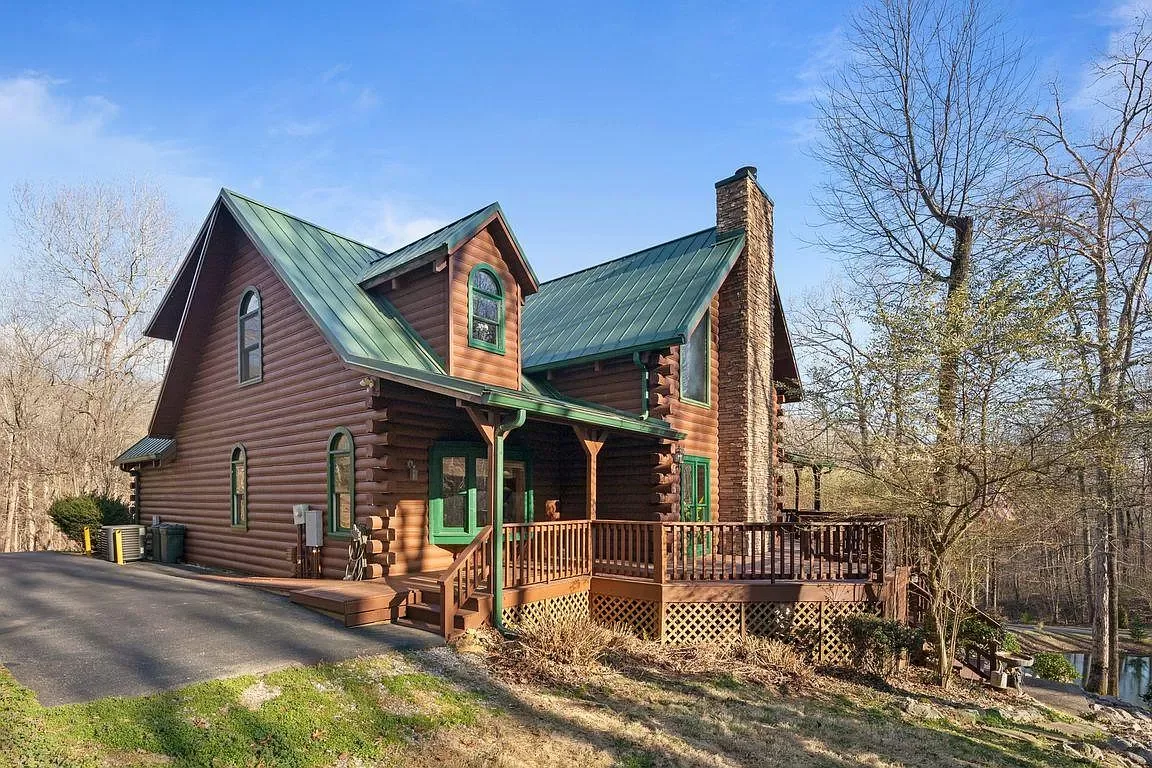
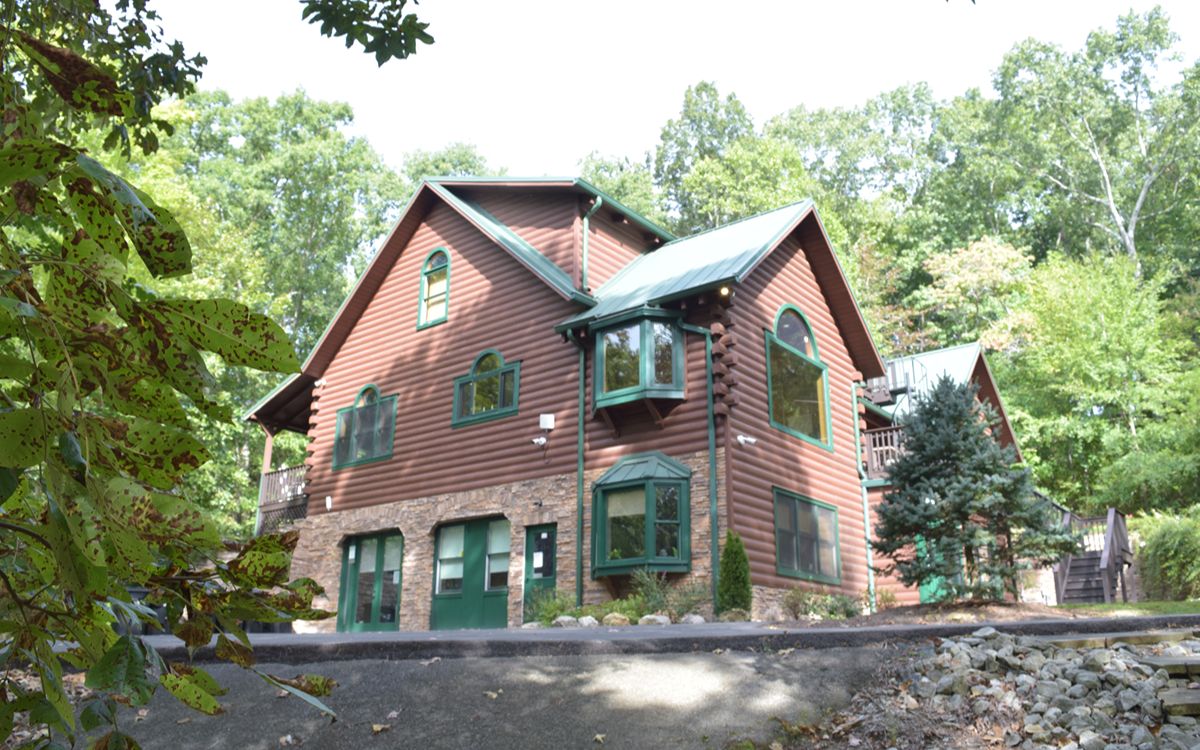
The wooded setting may appeal to a teenager who enjoys outdoor space, but a campus photograph does not explain the daily experience. Request a current packing list and ask about laundry, dietary requirements, personal electronics, phone calls, and access to school technology. Discuss mobility, sensory needs, sleep difficulties, and any anxiety about shared spaces in advance. These details can determine whether the environment feels manageable and which adjustments need to be agreed before arrival.
Ask how concerns are raised during a stay, including whom the adolescent can speak with privately if a room arrangement, group interaction, or staff relationship becomes difficult. Families can also ask how the program responds to conflict, requests to leave, or setbacks in participation. Clear explanations are more useful than assuming that a structured environment eliminates difficulties. The goal is to understand the center’s actual process and how the young person and caregivers remain involved.
Family participation and visits
ARCH’s family program page describes a two-day intensive held at the Harpeth Campus in Kingston Springs, covering communication, boundaries, family roles, and recovery. It also links campus visits to the adolescent reaching thirty days and the family member completing the intensive, with arrangements made through the therapist. Because the intensive is hosted at another campus, Ridgeview families should confirm how this policy applies to their particular admission and whether any exceptions or alternative arrangements are available.
A two-day family commitment can involve work leave, transport, accommodation, or childcare. Ask about dates before booking travel, which caregivers are expected to attend, and whether separated households can participate appropriately. Clarify the difference between education for relatives and clinical meetings about the teenager’s treatment. Financial responsibility does not by itself explain the boundaries of information sharing, so discuss consent, routine updates, and the handling of sensitive conversations with the treatment team.
It is also useful to identify the changes that family members hope to make at home. These might involve communication during conflict, support around school attendance, or agreed expectations about social situations. Ask how the family work translates into a practical return-home plan. Caregivers should understand their own responsibilities without being asked to promise that they can control every outcome. A realistic plan includes who to contact when the agreed approach is difficult to maintain.
Phases, fees, and insurance verification
Published third-party pricing is internally inconsistent. On October 20, 2026, the Ridgeview listing displayed USD 24,000 for the first thirty days and USD 12,000 for additional thirty-day periods. Its separate insurance description gave USD 22,500 for an initial thirty-day phase and USD 9,000 monthly for later phases. Neither pair should be treated as a verified current provider tariff, and selecting the lower figure does not resolve the discrepancy. Obtain a dated, campus-specific quotation from ARCH.
The same caution applies to descriptions of phased treatment. Ask for the anticipated initial stay, the criteria for moving between phases, where each phase occurs, and the possible total commitment. A charge for an initial thirty days is not necessarily the price of completing treatment. Request examples showing the financial effect of extending care, moving to a different service, or leaving earlier than expected. Clarify deposits, refund terms, medication charges, and any separately billed educational or medical services.
The official insurance page says ARCH assists with benefits verification, cost sharing, and authorization. An insurer’s logo or an initial benefits check does not establish what will ultimately be covered for a particular student and length of stay. Ask for the relevant network status, deductible, coinsurance, authorization requirements, and a written explanation of likely family responsibility. Check whether later phases and any outpatient continuation require their own approval.
Preparing for life after Ridgeview
ARCH also operates a Music Row intensive outpatient program at 1619 Seventeenth Avenue South in Nashville, with a Tennessee telehealth option described on its website. That is a separate service, not evidence that outpatient treatment occurs at the Pegram residence. Ask whether it is clinically appropriate and geographically practical for the teenager. Families returning to another state will need to establish local arrangements rather than assume that a Tennessee-based online option can follow them everywhere.
Before discharge, request a concrete handoff covering therapy appointments, medication follow-up, school reentry, family responsibilities, and the response to renewed substance use or worsening symptoms. Make sure the receiving professionals have the information they need and that the first appointments are actually arranged. A general recommendation to seek support is less actionable than named services, dates, and a clear contact route when a problem arises during the transition.
Ridgeview’s published campus number is 866-916-1341. When contacting admissions, identify the Pegram girls’ program explicitly and ask for the current clinical, academic, and financial documents relevant to the proposed stay. Compare those answers with other United States treatment options and our explanation of residential care. The decision should reflect the adolescent’s assessed needs, the family’s practical ability to participate, and a treatment plan that everyone can understand.
Destinations
Conditions
Levels of care
Settings
Amenities
Program approach
Trauma-informed individual/group work, Twelve Step and spiritual recovery orientation, academics, family involvement and structured activities
Fees & admissions
Confirm current pricing
Recovery.com checked 2026-10-20 conflicts: estimator USD 24,000 for first 30 days and USD 12,000 for additional 30 days; insurance description USD 22,500 for initial 30-day phase and USD 9,000/month for later phases. No reliable current tariff established. Numeric rate cleared; request direct phased quote rather than choosing a lower figure.
Confirm the current program, duration, accommodation and included services directly with the center.
Clinical and withdrawal/medication review, current adolescent eligibility, school-transfer planning, family-intensive arrangements and written campus-specific phased quote