About Recovery Bay Center — Panama City Beach
Recovery Bay Center: a men’s program in Panama City Beach
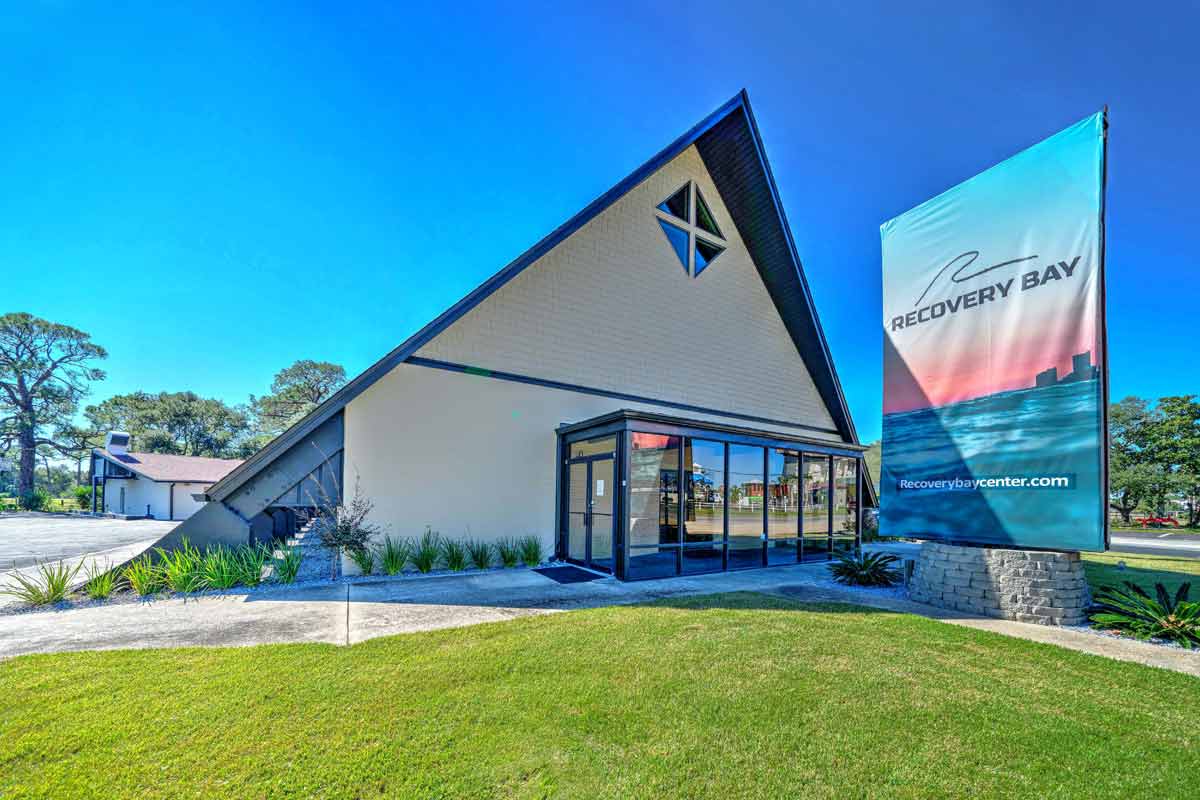
Recovery Bay Center describes a men’s addiction treatment program at a single campus in Panama City Beach, Florida. Its current material brings medical detoxification, residential care, co-occurring mental health support, and continuing-care planning together at the Thomas Drive property. The provider emphasizes a 45–60-day course and a small, 22-bed setting. For a prospective resident, the important questions are how that description translates into an individualized plan, the actual clinical resources, the room offered, and the complete cost of the recommended stay.
The current contact page gives 9721 Thomas Drive, Panama City Beach, Florida 32408, with admissions at 833-991-2955 and a separate general-information number, 850-203-5190. One location-page section contains a Thomasville, Georgia reference, but the dedicated contact page and other campus descriptions identify Panama City Beach. Confirm the receiving address with admissions before traveling. This profile concerns the Florida campus and does not treat that isolated location-page wording as evidence of a Georgia treatment site.
Who the program is designed to serve
The provider describes a men-only residential community with both male and female clinicians. A men-only setting may be relevant to someone’s preferences, but it does not mean every resident has the same experience, diagnosis, or treatment goals. Ask how the team works with the individual’s circumstances and what expectations apply to shared groups and community life. Someone with particular concerns about privacy, identity, trauma, relationships, or accessibility should discuss those concerns before deciding that the setting is the right fit.
The stated focus is drug and alcohol addiction with support for co-occurring mental health needs. Ask how admission suitability is assessed and which medical or psychiatric circumstances require another service. A list of conditions on a website should not replace discussion of current symptoms, prescriptions, previous treatment, and everyday support needs. The provider’s 22-bed description indicates its stated operating scale; it does not establish a current vacancy, a guaranteed staff-to-client ratio, or individual access to a particular clinician.
Detoxification and residential care at the campus
Recovery Bay’s current campus and men’s-program pages describe medical detoxification and subsequent residential treatment. Ask whether withdrawal management is recommended for the individual, how the clinical team reaches that decision, and what nursing and prescriber resources are available during the proposed phase. Discuss recent substance use, past withdrawal experiences, physical health, medications, and mental health concerns accurately. The receiving team should explain how it responds if a person needs medical evaluation or treatment beyond the resources of the campus.
The provider uses inpatient language in some descriptions, but the evidence reviewed here does not independently establish hospital admission. This directory describes the supported overnight service as residential treatment. Ask about the distinction between continuous support, nursing presence, scheduled medical appointments, and hospital resources. A single campus can offer more than one stage of treatment, while each stage still requires a clear clinical plan, appropriate staffing, and an explanation of when outside care may be necessary.
The campus page mentions medication options including Suboxone and Vivitrol. Those references should prompt a medication-specific conversation rather than an assumption that every formulation, prescription, or clinical situation is accepted. Ask who assesses suitability, who prescribes, where medicines are obtained, and how monitoring continues after discharge. Someone already receiving medication should coordinate with the relevant clinicians before making changes. The written agreement should also identify any medicine, pharmacy, injection, laboratory, or professional charges that are outside the core fee.
Understanding the 45–60-day description
The current men’s-program page emphasizes a 45–60-day course, while secondary directory information uses a thirty-day reference. These descriptions serve different purposes and should not be combined into a personal recommendation. Ask whether the proposed dates include detoxification, residential therapy, or both; when the team reviews progress; and what could lead to an extension, a shorter course, or a different service. The program’s advertised range does not establish that every resident stays for the same number of nights.
A clear treatment schedule also helps with family responsibilities, leave from work, and financial planning. Ask which decisions can be made before admission and which depend on the first clinical assessment or progress during treatment. If insurance is involved, confirm how authorization is reviewed and what happens if the clinically recommended period differs from the initially authorized days. The center should explain the choices and costs before a change is made, rather than leaving the resident to infer them from a general program length.
Individual, group, and co-occurring care
The provider describes individual therapy, group work, cognitive and behavioral approaches, medication support where appropriate, and activities intended to complement the clinical program. Ask how often a resident meets individually with a therapist, the size and purpose of groups, and who reviews the treatment plan. A useful sample week should distinguish therapy, clinical appointments, education, recreation, meals, and rest. Advertised variety does not guarantee that every activity or modality is available to every resident throughout the stay.
Co-occurring care is described for concerns such as depression, anxiety, trauma, and bipolar disorder alongside addiction. Ask how psychiatric evaluation and prescribing are coordinated with therapy and substance use treatment. Clarify which presentations can be managed safely in the residential setting and how existing clinicians can contribute information with consent. The directory’s guide to co-occurring conditions can support this discussion, but the actual plan should reflect the individual rather than a broad list of diagnoses.
For trauma-related needs, discuss the resident’s preferences about group disclosure, individual work, pacing, and family participation. No one should assume that a men-only setting automatically makes every subject easy to discuss. Ask how the team responds when a person finds a group, activity, or social interaction difficult and what alternatives are available. These questions help evaluate whether the program can adapt its daily routines and therapeutic work while maintaining the level of support agreed at admission.
Rooms, meals, and coastal activities
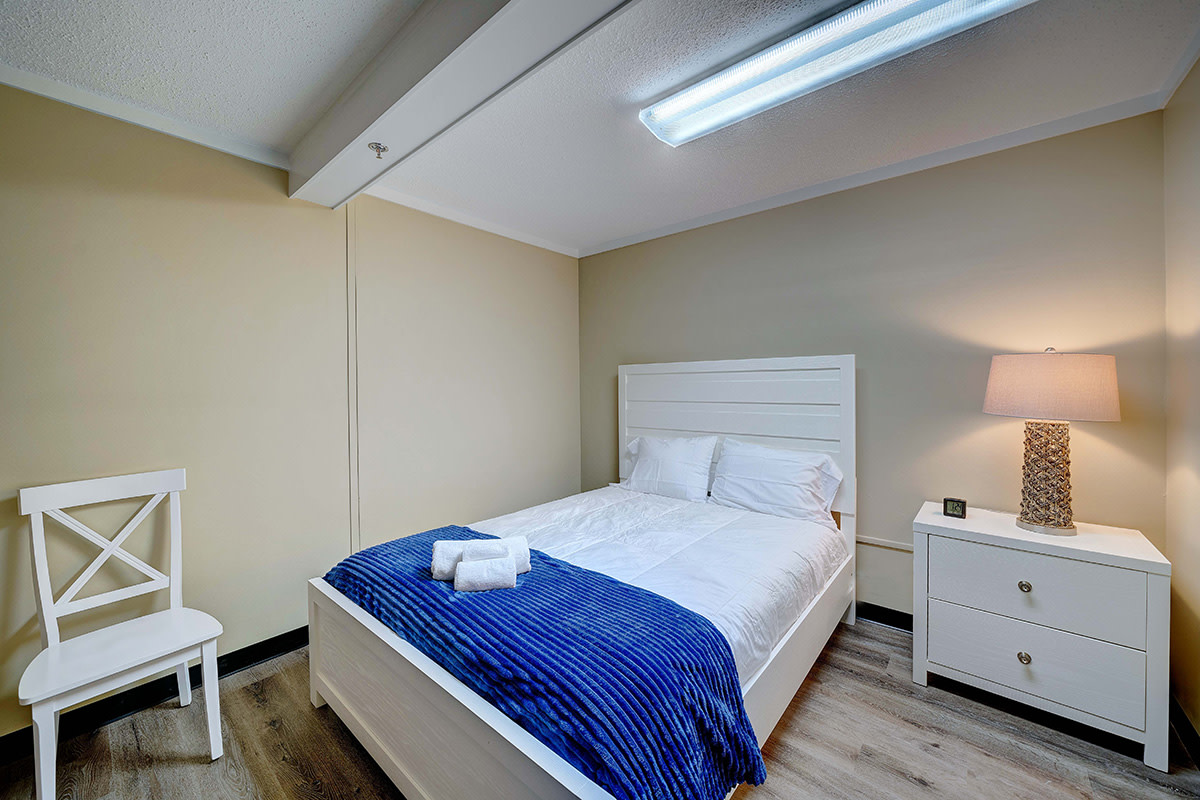
The current campus page describes private and semiprivate rooms. Confirm the exact room offered, bathroom sharing, number of occupants, accessibility, storage, and any supplement before treating private accommodation as included. The 22-bed program is a shared treatment community, even when a particular bedroom is private. Ask about laundry, essential supplies, dietary needs, and arrangements for medical appointments. The provider describes prepared food and nutrition support; specific allergies or more complex requirements should be reviewed in advance.
Recovery Bay promotes outdoor activity and its Gulf Coast setting, including beach activity, exercise, and wellness options such as yoga. The coastal location does not establish unrestricted beach access, a beachfront bedroom, or suitability for every activity. Ask how outings are supervised, how weather changes the schedule, which costs are included, and what alternatives are offered for mobility limitations or personal preferences. Activities can be part of the experience while remaining distinct from individual therapy and medical treatment.
Confirm current rules for phones, computers, visitors, deliveries, smoking, and time away from the property. Someone who must coordinate family or work responsibilities needs an agreed arrangement before admission. A private room does not necessarily mean unrestricted device use or independent movement around the surrounding area. Ask how scheduled visits operate and whether family members need advance approval. Practical policies are most useful when supplied for the actual phase of care, since detoxification and later residential days may have different routines.
Family participation and continuing care
The family-program page describes bringing relatives into treatment when the resident has reached an appropriate level of stability. Its stated themes include communication, understanding addiction, and planning for support after treatment. Ask how the resident gives consent, who can participate, whether sessions can be remote, and what fees apply. Family therapy, general education, and ordinary visiting are separate arrangements. A relative should also know how to raise practical concerns without assuming that all clinical information will be shared automatically.
Aftercare and alumni connection are prominent in the provider’s current description. Ask what the actual offer includes, how often contact occurs, who facilitates it, and whether it is peer support or clinical care. Secondary information mentions IOP, but a current exact outpatient service and its location should be confirmed directly before it becomes part of the plan. If the next phase involves another provider or recovery residence, obtain the name, address, appointment date, housing terms, and transport arrangements before discharge.
A transition plan should identify the medication supply, receiving prescriber, therapy or outpatient appointment, practical support at home, and a contact process if the plan needs to change. For someone traveling from another state, confirm how follow-up works across that distance and who coordinates with clinicians nearer home. Alumni participation can support connection, but it should not be assumed to replace medical follow-up or therapy. The resident and the people they choose should understand their separate responsibilities in the plan.
Thirty-day price reference versus the proposed stay
Recovery.com, checked October 20, 2026, estimates USD 24,000 for thirty days. This is a third-party program reference, not a current official tariff. The provider’s 45–60-day description means a prospective resident needs a quote for the actual recommended period, rather than a total calculated by multiplying the thirty-day estimate. Ask what the offer includes for detoxification, residential accommodation, therapy, medical appointments, medication, laboratory work, transport, activities, and continuing care, as well as the price of any extension.
The provider says it accepts several insurance arrangements, including plans and benefit programs used by military families and veterans. Verify the specific plan, campus, service, network relationship, referral, authorization, and personal costs. Ask how a transfer, an early departure, or a change in clinical level affects charges and refunds. Compare the final offer with other United States treatment options using the actual clinical resources, preferred men’s setting, room, total duration, and continuing-care arrangements rather than the secondary thirty-day figure alone.
Sources and verification
Reviewed October 20, 2026: current contact details, Panama City Beach campus description, men’s residential program, family program, and Recovery.com secondary listing and thirty-day estimate. Provider capacity, program length, accommodation, and medical-service descriptions require individual confirmation; no independent hospital admission is established here.
Destinations
Conditions
Levels of care
Settings
Amenities
Program approach
Individualized substance-use and co-occurring-condition care, individual/group and cognitive/behavioral therapies, medication support when appropriate, family work, wellness/experiential activities and continuing-care planning
Fees & admissions
Estimated USD 24,000 / program
Recovery.com checked October 20, 2026 estimates USD 24,000 for thirty days. This third-party reference does not establish the price of the provider’s described forty-five-to-sixty-day course. Request the actual dates, detoxification, housing, room, professional care, medicines, laboratory work, transport, activities and continuing care in a written quote, including extension and early-departure terms.
Confirm the current program, duration, accommodation and included services directly with the center.
Confirm current eligibility, actual detoxification and residential sequence, medical and psychiatric resources, prescriptions, room and bathroom, accessibility, meals, device/visit rules, family participation, transport, benefit authorization, full duration and itemized written charges.