About Back2Basics — Flagstaff
Back2Basics: long-term residential treatment for young men in Flagstaff
Back2Basics describes a long-term addiction treatment program for young men in Flagstaff, Arizona, combining clinical therapy, outdoor activity, and practical life skills. The current website identifies its target population as men aged eighteen to thirty-five. The program also describes a later transition into sober living and aftercare through Beyond the Basics. For a prospective participant, the decision involves more than choosing a location: it requires understanding the initial commitment, clinical support, daily responsibilities, outdoor expectations, and the plan for increasing independence.
The published admissions number is 928-814-2220, and the provider lists 1600 West University Avenue, Suite 205, Flagstaff, Arizona 86001 as its contact address. Its current tour describes two campuses, Back2Basics and Beyond the Basics. Ask which residence is assigned and where counseling, meals, and activities take place. A contact or mailing address should not be assumed to be the sleeping accommodation. Confirm the actual arrival point and housing arrangement before the person travels to Flagstaff.
Eligibility and the long-term model
The provider describes a program for substance use and co-occurring concerns such as anxiety, depression, trauma, and difficulties with daily functioning. Its FAQ is explicit about the eighteen-to-thirty-five age range, while some pages describe that range as typical. Ask admissions to confirm current eligibility for the individual. A young man’s age or previous treatment history does not by itself establish that the program fits his medical, psychiatric, developmental, or practical needs.
Discuss recent substance use, prescribed medication, previous treatment, physical health, current mental health symptoms, and the person’s own goals. Ask how the assessment considers the demands of a shared community, outdoor activity, and a longer stay. A parent or other relative may initiate the enquiry, but the participant’s preferences and understanding of the program are essential. The treating team should explain what it recommends, which concerns it can manage, and when another service would be more appropriate.
The current residential page emphasizes a long-term course without setting one universal number of days. Secondary information describes ninety days and several shorter price periods. Ask what initial commitment is currently recommended, whether a shorter stay is offered, when progress is reviewed, and how transitions are decided. A thirty-day price reference does not prove that thirty days is an appropriate or available standalone course within this model. The clinical plan and the financial agreement should describe the same proposed period.
Detoxification and medical or psychiatric needs
Back2Basics states that its residential program focuses on longer-term recovery rather than medical detoxification. If withdrawal care is needed first, the admissions team says it can help coordinate the starting point. Ask for the receiving service, clinical responsibilities, transport, expected sequence, and separate financial terms. Completion of an initial detoxification phase does not automatically confirm suitability for every activity or residential arrangement afterward. The next admission should reflect a current clinical assessment.
The provider advertises psychiatric support and medication management when needed. Ask who provides that care, how often appointments occur, how medication is supplied and monitored, and what support is available between appointments. Broad abstinence language in the FAQ should not be interpreted as a blanket instruction to stop prescribed treatment. Discuss the exact medication with the relevant clinicians before making changes. The participant should understand how prescriptions continue during outdoor trips, transitions between campuses, and eventual discharge.
The current program is described as a non-hospital residential setting. This directory therefore distinguishes its residential care from a hospital admission. Ask about overnight staff, clinical access, the response to psychiatric concerns, and medical transfer arrangements. Staff availability, peer support, and a house routine are important practical features, but they do not establish continuous nursing or hospital-level resources. The actual level should match the individual’s needs before travel is arranged.
Therapy and the daily clinical schedule
The residential page describes weekly individual sessions, group therapy, cognitive and behavioral approaches, trauma-related work, and progress tracking. Ask which clinicians will work with the participant, how groups are organized, and how goals are reviewed. A list of methods does not establish that every approach is delivered to every resident. The program should explain how the plan changes when a young man struggles with group participation, concentration, emotional regulation, or an activity that is not well suited to him.
For co-occurring conditions, discuss how mental health care is coordinated with addiction treatment and practical support. Ask how existing clinicians can contribute information with consent and which circumstances require specialist assessment elsewhere. The directory’s guide to co-occurring care can help prepare questions. A marketing phrase about independence or difficulty getting started in adult life should not replace an assessment of the individual’s actual symptoms, abilities, goals, and support needs.
Outdoor activity in a mountain environment
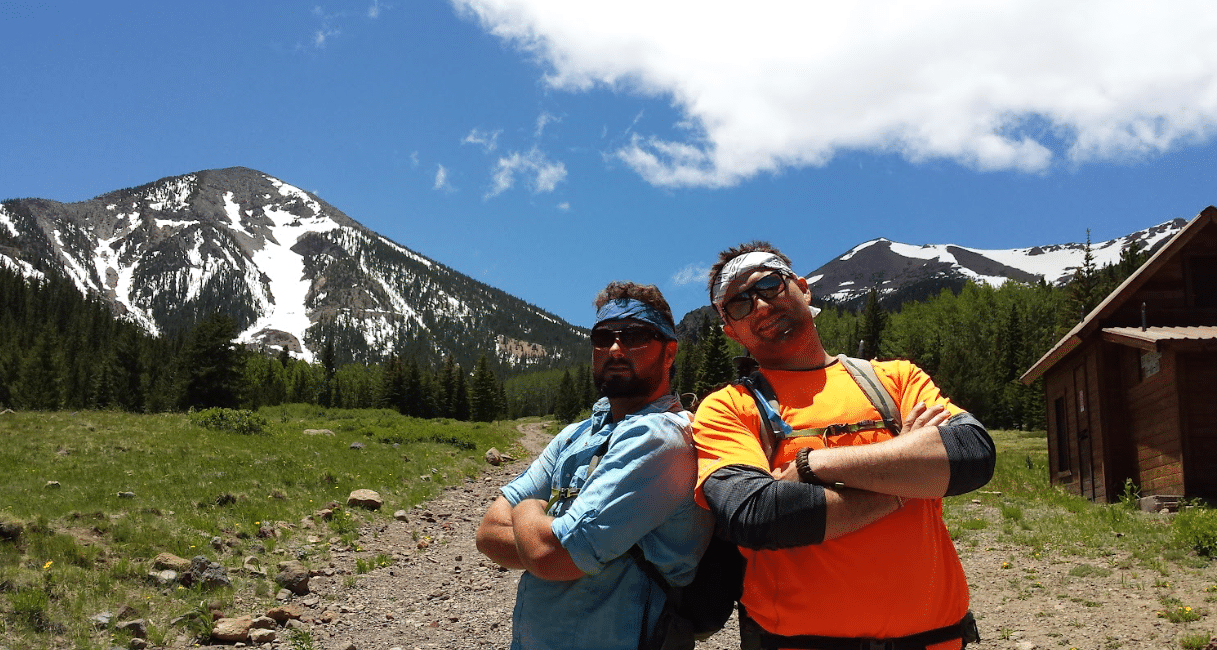
Outdoor activity is central to Back2Basics’ description, with weekly excursions such as hiking, backpacking, camping, and other planned adventures. Ask what trips are currently offered, how they relate to clinical work, and which are recreational versus facilitated therapeutic sessions. Confirm staff qualifications, supervision, transport, equipment, physical requirements, and additional costs. A prospective participant should know what will be expected rather than assume every trip shown in promotional material takes place during each person’s stay.
The provider describes Flagstaff’s mountain setting, approximately 7,000 feet in elevation, and a four-season climate. Ask the clinical team how the person’s health, mobility, stamina, or medication affects participation, and how the schedule changes with weather. Discuss appropriate clothing and equipment, communication while away, and emergency arrangements for trips. Someone who cannot or does not wish to participate in a particular activity should ask what suitable alternative is available and how that choice fits the residential program.
Life skills, education, and work
The program includes practical work such as cooking, budgeting, laundry, job preparation, academic support, and community responsibilities. Ask how goals are chosen and how much help is provided before the participant is expected to manage a task independently. These activities should reflect the person’s current abilities and priorities. A young man returning to education may need a different plan from someone preparing for employment or learning to manage daily routines after a period of significant health difficulty.
The FAQ mentions opportunities to pursue education through local institutions, including Northern Arizona University and Coconino Community College. That is an option to discuss, not a guarantee of admission, credit, or a particular course schedule. Ask who helps with applications, academic accommodations, fees, transport, and balancing education with clinical appointments. Employment planning similarly requires clarity about timing, work hours, travel, and how the program supports treatment attendance while the participant takes on additional responsibilities.
Accommodation and community rules
The current residential page describes a maximum of twenty-two beds, supervised housing, routines, curfews, and substance screening. This is the provider’s stated program size, not an independently verified license capacity or today’s availability. Secondary information describes private-or-shared room options. Confirm the actual residence, room, number of occupants, bathroom arrangement, supplement, accessible features, and current vacancy. A room category should not be assumed to apply to every stage or to both campuses in the same way.
Ask about meals, dietary needs, laundry, storage, phones, internet, visitors, and time away from the residence. The program describes an active daily schedule with limited unstructured time, so the participant should understand both the obligations and opportunities for rest. Discuss how staff respond to missed activities, a concern about substance use, or a conflict within the house. Written community expectations help the participant and family understand the practical environment before agreeing to a longer course.
Family involvement and the move toward independence
The provider emphasizes family involvement, while its FAQ describes visits usually arranged around parent weekends during the initial program. Later Beyond the Basics visits involve advance planning with staff. Ask for the current schedule, approval process, therapy and educational components, travel requirements, and any costs. Family updates, ordinary visiting, and clinical family sessions are different arrangements. The adult participant’s consent and preferences should guide information sharing and the role relatives take in the treatment plan.
The transition into Beyond the Basics is described as a way to increase independence while retaining support. Ask what changes in clinical hours, staff availability, housing rules, work or school participation, medication management, and fees. A new phase should have clear eligibility and goals rather than being treated as an automatic extension of the same residential package. Confirm whether the person moves property and how practical responsibilities are handed over gradually.
When preparing to leave the program or return to another state, request the receiving clinician, appointment date, medication plan, housing arrangement, work or education plan, and contact process for follow-up. The family should understand which responsibilities the participant will manage and what support has been agreed. Peer or alumni connection can be part of continuing care, but it should be distinguished from therapy and psychiatric follow-up. The plan should remain usable if a proposed job, course, or housing arrangement changes.
Prices and the actual commitment
Recovery.com, reviewed October 20, 2026, lists estimated options of USD 40,000 for thirty days, USD 60,000 for sixty days, and USD 80,000 for ninety days. These are three third-party program references, not a provider-published tariff or a range for one duration. Ask which option is currently offered within the long-term model and what each includes. Confirm housing, therapy, psychiatric appointments, medication, food, equipment, excursions, transport, education-related costs, and any later phase in a dated written agreement.
Verify insurance for the specific program and level, including network relationship, authorization, deductible, and personal cost sharing. Ask about extensions, transfers, early departure, and refund terms, as well as the separate price of sober living or aftercare. Compare the full plan with other United States treatment options based on clinical fit, willingness to engage with an active long-term program, practical support, accommodation, and complete cost. The participant should understand the commitment and have a meaningful role in that decision.
Sources and verification
Reviewed October 20, 2026: current program overview, residential scope and stated capacity, eligibility, family, education, and daily-life FAQ, campuses and contact details, and Recovery.com secondary room and price references. Current minimum commitment, assigned accommodation, clinical suitability, and financial terms require confirmation.
Destinations
Conditions
Levels of care
Settings
Amenities
Program approach
Weekly individual and group therapy, psychiatric/medication support when needed, cognitive/behavioral and trauma-related work, outdoor excursions, cooking/budgeting/education and employment support, family involvement and gradual independence
Fees & admissions
Estimated USD 40,000 / program
Recovery.com checked October 20, 2026 lists USD 40,000 for thirty days, USD 60,000 for sixty days and USD 80,000 for ninety days. These are separate third-party program references, not an official tariff. Confirm the actual commitment offered within the long-term model and all housing, clinical services, medication, trips/equipment, transport, education-related costs and later-phase charges.
Confirm the current program, duration, accommodation and included services directly with the center.
Current FAQ specifies men eighteen to thirty-five; confirm eligibility, personal goals and clinical fit, any prior detoxification, medication, physical/outdoor needs, initial commitment, exact residence/room, staff support, family consent, transport, insurance authorization, full fees and step-down plan.