About Morro Bay Recovery — Morro Bay
Morro Bay Recovery on California’s Central Coast
Morro Bay Recovery is located at 2460 Main Street in Morro Bay, California. The provider’s current website gives 805-772-2212 as its telephone number and describes an addiction treatment program combining counseling, medication support where appropriate, family work and continuing-care planning. This profile concerns that specific coastal property. When comparing programs in the United States, confirm the actual treatment address, clinical service and accommodation before treating different directory descriptions as equivalent offers.
The official overview emphasizes personalized care and a supportive coastal environment. Those broad aims are a starting point for discussion, not a detailed admission plan. Ask the team to explain what it can provide for the person seeking help, who will make the clinical placement decision, and which medical or mental health needs would require a different setting. A program’s attractive location does not establish that it is suitable for every applicant.
What the facility record establishes
The California DHCS facility dataset, last updated August 17, 2026 and checked for this review on October 20, lists Morro Bay Recovery at the same Main Street address under Twins Bay, Inc. The record is 400018BP and identifies licensed and certified residential/detoxification services, with incidental medical services marked yes. It records twenty-six treatment places and twenty-eight total places, with a listed expiration date of January 31, 2027. The state dataset provides a useful exact-campus reference.
Those recorded capacities are not a count of current vacancies or a promise about group size. The dataset date also matters: a public record is a dated regulatory snapshot, rather than continuous confirmation of daily operations or staffing. Ask the provider for its current authorization and the exact services associated with the proposed admission. The residential/detoxification record does not establish hospital-level admission, so this profile distinguishes its residential setting from hospital treatment.
Clinical fit and the starting service
The initial assessment should address current substance use, previous treatment, medications, physical health, mental health symptoms and practical support needs. Describe any circumstances that might affect participation, including mobility, communication, sleep or help with daily activities. Ask who reviews this information and whether the person has been clinically accepted before travel is booked. A telephone enquiry can establish the next step without itself establishing that a particular bed or level of treatment has been approved.
The state record supports residential and detoxification scope, while the provider’s services page includes medication treatment. That combination does not specify an individual detoxification plan or the exact staffing available on a particular shift. Ask whether detoxification is recommended, what monitoring is provided, who prescribes, and how medical care is accessed during evenings and weekends. Clarify the threshold for an outside assessment and how a transfer would be organized if needs change.
Medication questions are especially important when someone already receives treatment from another clinician. Provide the current prescription list and ask how continuity, review and refills will be arranged. Confirm what to bring in original packaging, which records are needed and how outside prescribers will communicate with the program. Request written cost information for medication, laboratory tests and consultations. Do not assume that a residential fee includes every related medical service or that all existing prescriptions will automatically remain unchanged.
Counseling and the weekly program
The current services page names individual and group counseling, family therapy, relapse-prevention work and ongoing counseling. It also identifies yoga, meditation and art among holistic activities. Ask for a sample weekly schedule showing how these elements fit together, including ordinary appointment frequency, group size and time available for personal reflection. Broad descriptions such as individualized treatment are more useful when connected to the actual professionals, appointments and review process available during the planned stay.
For someone with co-occurring mental health concerns, clarify how substance use and other symptoms will be assessed together. Ask which clinicians provide mental health evaluation, whether psychiatric appointments are onsite or separately arranged, and how the treatment team communicates. A provider’s broad mental health description does not establish unrestricted admission for every condition or acuity. Discuss current difficulties specifically, including any recent changes, rather than relying on a list of diagnoses in a directory.
The official overview says the program uses Hazelden Betty Ford Foundation resources. That statement concerns treatment materials and does not establish ownership by that organization, an identical program, or an endorsement of an individual outcome. Ask what resources are used and how they fit the resident’s plan. It is also reasonable to discuss preferences concerning peer support, spiritual content, group participation and therapeutic methods, along with the process for raising concerns or requesting a review of the approach.
Private and shared accommodation
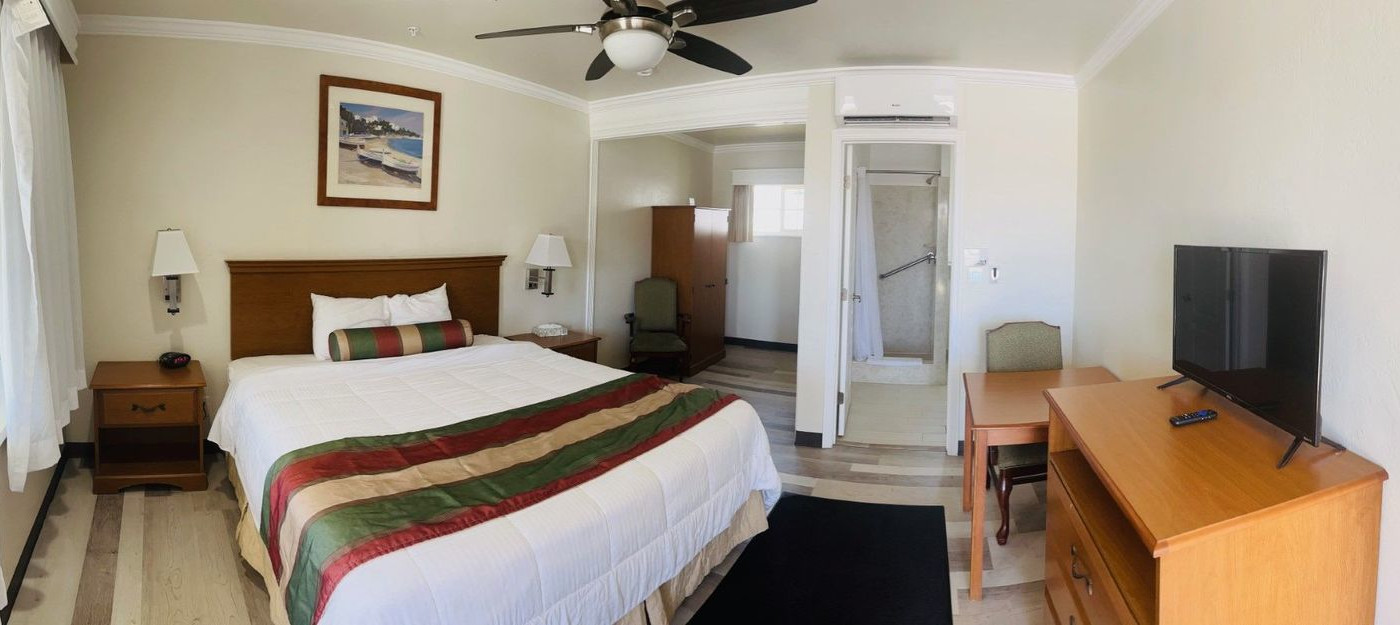
The Recovery.com profile checked October 20, 2026 describes private rooms as commonly available and says shared rooms accommodate no more than two people. This supports a private-room option in the directory, with the source clearly attributed. It does not reserve a private room for every admission. Ask which room is actually being offered, whether a supplement applies and whether the assignment can change between detoxification and residential care.
The same listing includes both en-suite and shared-bathroom information. Ask how the bathroom associated with the offered room is used, rather than assuming that a private bedroom includes an exclusively used bathroom. Request current photographs or a tour when room layout, accessibility or quiet space is a deciding factor. Discuss stairs, walking distances, storage, laundry and any assistance needed. The recorded total facility capacity does not resolve the layout of a particular bedroom or the resident’s day-to-day privacy.
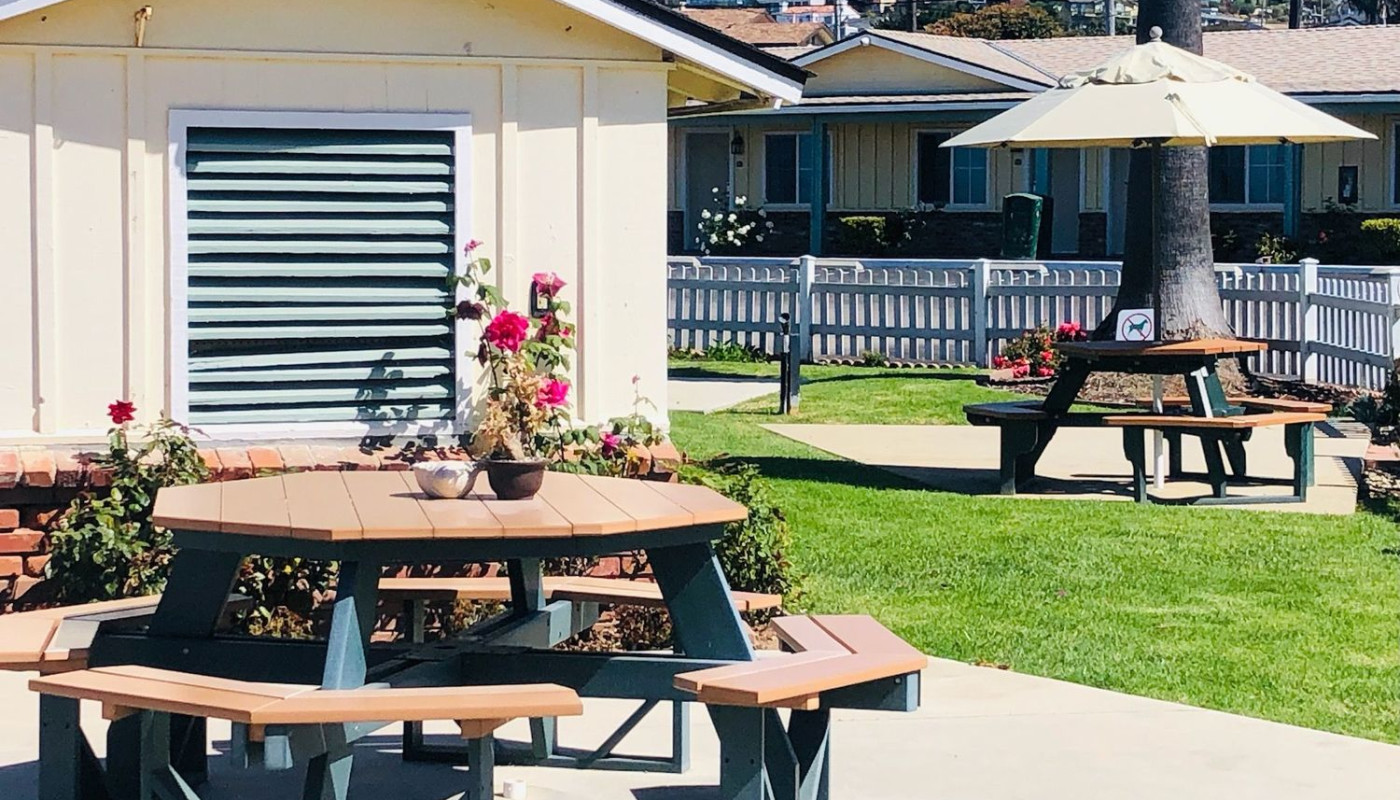
Recovery.com describes a coastal building, chef-prepared meals and activities including fishing, local outings and recovery meetings. Treat those descriptions as prompts for a current timetable and accommodation discussion. Ask which activities are included, how transport and supervision work, and whether weather or clinical needs can change participation. Explain food allergies and dietary requirements before arrival. A coastal location also does not establish unrestricted beach access, a sea view from every bedroom or a guaranteed schedule of offsite activities.
Family participation and everyday arrangements
The provider’s service list includes family therapy and guidance for loved ones. Ask whether sessions are offered remotely or onsite, how they are scheduled and whether they attract additional charges. The resident should understand who may participate and what information staff can share with consent. Practical contact is another question: confirm rules for phones, internet, visits and work-related communication. Family support and unrestricted communication are different arrangements, and either may need to be planned around the treatment schedule.
The official contact form specifically asks people to submit only enough information for a return contact and to avoid sensitive identifiers or detailed personal information. Follow that instruction when making the initial enquiry. Ask admissions how to provide clinical records and insurance details through its appropriate process. This is a useful distinction between starting a conversation and completing an assessment; a short form submission should not be treated as an application with all required documentation supplied.
Price and coverage
Recovery.com currently lists an estimated USD 30,000 for thirty days. This is a defined-duration third-party reference, not an official published tariff or a guaranteed offer from Morro Bay Recovery. Confirm what those thirty days cover, whether detoxification is included and whether the amount applies to the requested room. The figure should not be divided into an assumed daily rate for a shorter admission or extrapolated to a longer course without an actual written quotation.
A useful financial proposal separates accommodation, detoxification, residential clinical services, medication, tests, outside consultations, activities and transport. Ask about deposits, cancellation, early departure, transfer and extensions. Establish which party bills each service and how the resident will be informed of additional costs. If the quoted plan includes continuing treatment after the live-in stage, obtain that schedule and fee separately. A clear description of what is purchased allows a more meaningful comparison than a headline amount alone.
The official homepage broadly refers to insurance, while Recovery.com describes selected network relationships and says Medicare, Medicaid and Medi-Cal are not accepted. These statements do not establish the current benefits of an individual policy. Ask the provider and insurer to verify the exact facility, service, network status and authorization requirements, including any deductible or other personal costs. If financing is discussed, review its terms separately from treatment eligibility and insurance; approval of credit does not determine the clinical recommendation.
Continuing care and the location of later services
The primary services page supports continuing counseling and individualized aftercare planning. The third-party profile goes further, describing PHP, IOP and outpatient care under the same roof. The reviewed primary material does not independently map each of those named levels to a specific timetable and authorization at Main Street. Ask exactly what is offered, where it takes place, whether housing continues and who provides it. Do not assume that a recommendation for a later level means every service or bedroom automatically continues unchanged.
If retaining the same treatment team is an important reason for choosing Morro Bay, ask which clinician would remain involved at each later stage and what happens when staff schedules change. Request an explanation of how clinical records and agreed goals move between services. A shared brand or address does not necessarily mean identical appointments, staffing or daily support. Establishing the actual continuity arrangements helps turn a broad promise of seamless care into a plan the resident can understand.
Before discharge, request the receiving clinician’s details, confirmed appointments, medication responsibilities and the planned living arrangement. Discuss how local support will be organized if the resident returns to another city or state. An introduction or suggested resource is different from a booked appointment, and a change in program may bring different costs and insurance rules. The final admission decision should connect the person’s clinical needs with a confirmed room, transparent financial terms and a practical route beyond residential care.
Sources checked October 20, 2026: Morro Bay Recovery’s official overview, services and contact pages; DHCS exact facility record 400018BP in the August 17, 2026 dataset; Recovery.com for attributed accommodation, continuing-level and thirty-day price descriptions.
Destinations
Conditions
Levels of care
Settings
Amenities
Program approach
Individual/group counseling, medication support when appropriate, family work, relapse-prevention planning, ongoing counseling and optional yoga, meditation and art; exact weekly appointments and co-occurring resources require assessment
Fees & admissions
Estimated USD 30,000 / program
Recovery.com checked October 20, 2026 lists an estimated USD 30,000 for thirty days. This is a third-party program reference, not an official tariff. Confirm room, detoxification, residential services, medication, tests, outside appointments, transport, activities, any extension and later treatment in a written offer.
Confirm the current program, duration, accommodation and included services directly with the center.
Confirm exact campus and starting service, clinical suitability, medical/nursing/prescriber resources, current medications, assigned private/shared room and bathroom, accessibility, daily schedule, family/device rules, itemized fees, actual policy benefits and named continuing-care services.