
About Riverfront Recovery — Hiawassee
Riverfront Recovery in Hiawassee, Georgia
Riverfront Recovery Center of North Georgia provides addiction treatment at 15 Cabin Drive in Hiawassee. The current provider site gives 888-516-8350 as its contact number and describes detoxification and residential care on a twenty-five-acre waterfront property. Its setting combines cabins, river and mountain views with a structured clinical program. People considering this part of the United States for treatment should confirm the actual service, room and admission plan, as those details matter more than a broad description of a peaceful retreat.
The official overview describes a small program and identifies a thirty-bed setting in its facility information. That is the provider’s stated size, rather than an independently verified current vacancy count. Ask how many residents are typically in each group and what support is available at different times of day. An overall bed number does not determine the number of individual appointments, the number of people sharing a cabin or the availability of a particular staff member.
The clinical starting point
Riverfront identifies substance use treatment and support for accompanying mental health concerns as its focus. Its admissions page describes an initial conversation followed by medical and clinical assessment and an individualized plan. Explain current substance use, prescribed medicines, recent treatment and relevant physical or mental health concerns. Ask what information is required before clinical acceptance, who decides suitability and whether any travel arrangements remain provisional until records and assessments have been reviewed.
The provider uses inpatient terminology for its live-in program. In this directory, that service is described as residential care; the reviewed information does not independently establish hospital admission. This distinction does not replace a clinical assessment. Ask what needs the campus can manage, which professionals are onsite, how additional medical or psychiatric care is accessed and when an outside service would be required. Those answers should relate to the actual applicant rather than a general description of support.
Detoxification and medical resources
The current homepage and residential program page describe nursing supervision around the clock for withdrawal management, nurse-practitioner assessment and addiction-medicine physician oversight. These are provider descriptions of the service. They do not show that every prescriber remains physically onsite continuously or establish a medical plan for any individual. Ask for the actual coverage arrangements, how monitoring changes as needs change, and how the team accesses additional investigations or urgent assessment.
Whether detoxification is needed should be determined during assessment rather than assumed from the program’s name. Ask how the starting service is chosen and how the transition into the residential schedule is reviewed. Existing prescriptions, medication-assisted treatment where appropriate, laboratory work and outside appointments all need a clear plan. Bring the requested medication information and ask who coordinates with current clinicians. A combined treatment quotation should explain whether these services are included and what costs may arise separately.
The provider’s online material contains some broad descriptions of detoxification and residential services. For an admission decision, ask specifically about the Hiawassee campus and the exact room and team assigned there. Confirm the receiving location in writing if another facility is involved. This prevents general program information from being mistaken for a guarantee that all services, staffing and amenities are available in every phase. It also helps the resident and anyone arranging travel understand where care will actually begin.
Individual treatment and the daily schedule
The residential page describes individual counseling, groups, cognitive and behavioral approaches, trauma-informed work, relapse-prevention planning and practical life skills. Ask how the proposed weekly plan uses these elements for the applicant’s needs. Clarify normal individual-session frequency, the size and purpose of different groups, and how the clinical team reviews progress. A list of approaches is useful background, but it does not establish that every resident receives every named method or the same amount of specialist time.
For someone seeking help with co-occurring conditions, discuss current mental health symptoms and how they will be assessed alongside substance use. The admissions material names concerns such as anxiety, depression, trauma and mood difficulties. Ask about psychiatric assessment, medication review and the limits of this setting. A staff biography describing experience in other services does not mean that Riverfront provides all of those services itself, or that every presentation can be accommodated at the Hiawassee campus.
Ask how the resident participates in setting goals and how concerns about a group, therapist or activity can be raised. A useful plan should connect daily tasks to the person’s circumstances, including relationships, housing, employment and ongoing treatment needs. Discuss what information can be shared with family or other supporters and when reviews occur. The purpose is to understand a process that can adapt to the resident, without treating favorable reviews or a provider’s commitment to outcomes as a guarantee of recovery.
Cabins and room choices
The current admissions page describes arrival into a semi-private cabin beside the Hiawassee River. The residential page also expressly offers private and semi-private rooms, with mountain and river views among the property’s features. A private-room option is therefore supported by the current primary material, but it is not the default arrangement for every admission. Ask which room is being offered, how many people share the cabin, how bathrooms are used and whether a private bedroom carries a supplement.
A private bedroom does not necessarily mean a private cabin or bathroom. Clarify the shared living areas, kitchen arrangements, laundry, storage and staff access. Ask for current photographs or a tour of the actual accommodation when privacy or accessibility is particularly important. The riverside setting also makes practical questions about stairs, paths, distances and lighting relevant. Discuss mobility or sensory needs before accepting a room, rather than assuming the layout suits everyone because the surroundings appear calm in photographs.
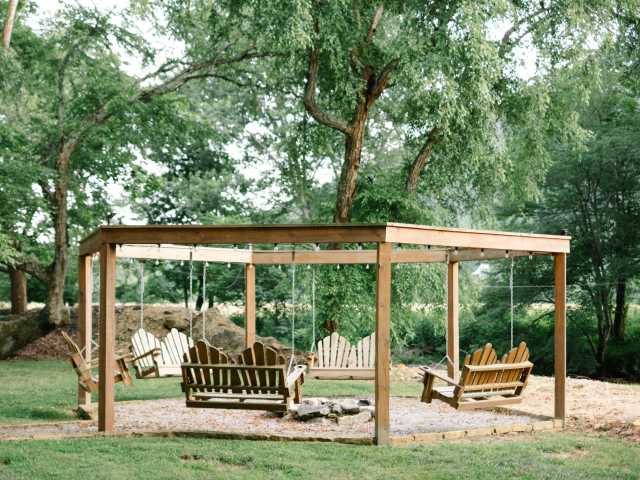
The provider describes kitchens, snacks, televisions, fireplaces and views among the residential amenities. Recovery.com adds descriptions of fitness equipment and recreational spaces. Ask what is currently available, which activities are scheduled, and whether supervision or clinical assessment affects participation. A television or internet-capable device in a shared space does not establish unrestricted personal technology use. Similarly, a river view does not establish unsupervised access to the water or a guarantee of fishing, hiking or every activity shown in marketing material.
Phones, meals and everyday expectations
The admissions FAQ says phones are commonly secured on arrival and approved calls are arranged at designated times. It describes electronics as limited during treatment. This specific current policy should guide planning even where a third-party amenities list mentions phones or internet. Ask about contact with family, employers and other essential people, along with any exceptions and the stage at which they are considered. Arrange urgent responsibilities in advance rather than assuming ordinary remote work or personal messaging can continue throughout the stay.
The admissions team provides a packing list and asks residents to bring prescribed medicines in their original pharmacy containers, along with identification and insurance information. Request the current version before packing because rules for toiletries, supplements, valuables and electronics may matter. Explain food allergies and dietary needs, and ask who reviews them and how meals are organized. A stocked cabin kitchen is an amenity description; it does not by itself explain the clinical nutrition support or meal arrangements needed by an individual resident.
Length of stay and the price reference
The current homepage says Riverfront’s residential program is designed to support stays of up to ninety days. That provider description is broader than the fourteen-to-sixty-day range shown in the current third-party listing. Neither range establishes the correct duration for every resident. Ask for the initial recommendation, the timing of reviews and how a change is agreed. Also clarify whether detoxification days are counted within the proposed course and whether accommodation or costs change between phases.
The Recovery.com profile checked October 20, 2026 lists an estimated USD 30,000–40,000 for thirty days. This is a third-party program reference with a defined duration, not an official tariff. The range may help frame a budget conversation, but it does not explain which room or services account for the difference. Ask the provider for the actual offer and do not assume that the same amount automatically covers a longer clinically recommended stay.
The written quote should identify the room, detoxification, residential days, professional appointments, medication, testing, outside consultations, transport and any activities charged separately. Ask about deposits, cancellation, early departure, transfer and extensions. If private and semi-private rooms have different terms, make the chosen option explicit. Establish who communicates additional charges and when consent is sought. Comparing complete offers is more useful than comparing headline prices that may include different clinical phases and accommodation arrangements.
Riverfront offers insurance verification and discusses working with insurance plans. The third-party listing particularly refers to out-of-network benefits, while the provider’s homepage uses broad coverage language. Request policy-specific confirmation of network status, authorization requirements, deductible and other personal costs for the actual services. Neither a carrier logo nor a general statement about coverage guarantees a paid stay. If authorization changes during treatment, ask how the resident will be informed and what financial or clinical alternatives will be discussed.
Family involvement and continuing care
Discuss how the resident’s chosen supporters can participate, what visits or calls are possible, and whether family sessions are available within the proposed plan. Confirm consent and communication boundaries before relying on regular updates. For families traveling from another region, ask about local logistics without assuming accommodation for visitors is included. Practical support is easier to organize when everyone understands the resident’s preferences, the program’s rules and the responsibilities that remain outside the treatment setting.
The residential material describes individualized aftercare planning that may include counseling, outpatient treatment, housing recommendations and recovery support. Recovery.com also describes referrals to continuing outpatient providers. Ask for named receiving services, booked appointments, medication responsibilities and the planned living arrangement. A referral is different from an automatic place in another program, and later treatment may have different costs and coverage. The decision to enter Riverfront should connect a suitable starting service with a confirmed room, transparent finances and a workable next stage.
Sources checked October 20, 2026: Riverfront Recovery’s current homepage, admissions, residential and contact pages; Recovery.com for clearly attributed amenities, duration and thirty-day estimated pricing. Clinical and accommodation claims refer to the identified Hiawassee program.
Destinations
Conditions
Levels of care
Settings
Amenities
Program approach
Individual/group counseling, cognitive and behavioral approaches, trauma-informed work, medical and medication support when indicated, relapse-prevention and practical skills, family coordination and continuing-care planning
Fees & admissions
Estimated USD 30,000–40,000 / program
Recovery.com checked October 20, 2026 lists an estimated USD 30,000–40,000 for thirty days. This is a third-party program reference, not an official tariff. Confirm the room and clinical services behind the range, detoxification, medication, tests, outside appointments, transport, activities, extensions and later care in a written offer.
Confirm the current program, duration, accommodation and included services directly with the center.
Confirm Hiawassee location and starting service, medical/psychiatric fit, nursing and prescriber arrangements, medications, actual cabin/private or semi-private room and bathroom, mobility and dietary needs, restricted electronics, written fees and insurance authorization, and receiving outpatient appointments.