
About Pinelands Recovery Center of Medford
Pinelands Recovery Center of Medford
Pinelands Recovery Center provides addiction treatment at 287 Old Marlton Pike, Medford, New Jersey 08055. The current official website describes medically supported detoxification and residential care for substance use and co-occurring mental health concerns, with separate adult and young adult tracks. Its published enquiry number is 609-308-3114. The residential setting, age-related program choice and family arrangements are important parts of an admission discussion.
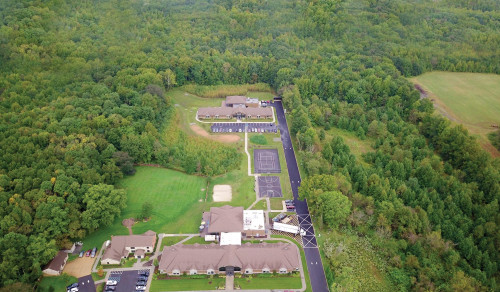
The center is one option for people comparing treatment in the United States. Pinelands describes a tree-lined campus away from busy streets, while the secondary listing gives a forty-two-acre setting. The surroundings may support personal preference, but they do not determine clinical suitability. Ask which treatment track, starting service and actual bedroom arrangement are proposed before making travel or financial commitments.
Adult and young adult tracks
The primary residential page describes two thirty-bed residences: one for young adults eighteen to thirty-five and another for adults thirty-five and older. Because the published age ranges overlap at thirty-five, ask how the team chooses the best placement for someone at that boundary. These are provider-described capacities and age bands, not independent license verification or a statement of current vacancies.
The program comparison explains the distinction in terms of life stage. The adult track discusses responsibilities such as relationships, parenting, caring for older relatives and finances. The young adult track focuses more on independence and uses a different rhythm for therapy sessions. Ask what that means for the proposed timetable, peer group and individual goals rather than assuming that age alone determines the best fit.
Both programs include men and women, with some gender-specific groups. Discuss any accommodation, privacy or group-participation needs during assessment. A program label does not establish every detail of the living environment. Ask who makes room and track decisions, how preferences are considered and how the resident can raise concerns if the initial arrangement does not work well.
Detoxification and medical support
The current detoxification page describes medically assisted withdrawal care with monitoring around the clock. It gives five to fourteen days as an average range depending on the individual’s circumstances. Ask whether detoxification is recommended, what nursing and prescriber resources are available and how the next phase is chosen. The published range is not an individual withdrawal schedule or a guaranteed length of admission.
Pinelands identifies residential treatment as its highest level of care. The reviewed evidence does not independently establish hospital admission. Clarify what physical and psychiatric needs can be managed on campus and how outside assessment or transfer is arranged when additional resources are needed. Recovery coaches, nurses, therapists and medical professionals have different responsibilities; ask about each role rather than treating general around-the-clock support as a single clinical service.
Medication-assisted treatment is included in the program descriptions. Share prescriptions, relevant health information and existing clinical contacts during assessment, then ask who will make prescribing decisions and how medication is supplied. Discuss any tests, specialist appointments or separate charges. The provider’s general medication examples do not determine what is appropriate for an individual or remove the need for a clear prescribing and follow-up plan.
Therapy and the treatment team
For someone seeking co-occurring-condition care, Pinelands describes a team that includes medical and psychiatric professionals, therapists, nurses, recovery coaches and case managers. Ask how substance use and mental health goals are integrated and how the team communicates. A range of professional roles does not specify the frequency of appointments with each person or establish acceptance of every clinical presentation.
The current FAQ describes individual therapist meetings generally occurring weekly, alongside daily group work and contact with the treatment team. Its separate program page cites a counselor-to-patient ratio, which should not be interpreted as a nurse-staffing or one-to-one therapy guarantee. Request the actual counselor caseload, appointment schedule and process for additional support. These details make the amount of individual attention easier to understand.
The primary program descriptions include cognitive and dialectical behavior therapies, acceptance and commitment work, motivational interviewing, psychodrama and other experiential approaches. Ask which are proposed for the resident and how the therapist judges their relevance and timing. A broad choice of methods is not a promise that everyone receives every therapy. The plan should connect the person’s priorities with practical goals and a way to review progress.
A structured day with recreation
The FAQ describes morning meetings and small-group work, afternoon education, recreation and an evening wrap-up followed by recovery meetings and free time. Ask for the current timetable for the assigned track, including individual appointments and any modifications during detoxification. The distinction between a sample schedule and the actual clinical plan matters, particularly when health needs or outside responsibilities affect participation.
The campus descriptions include basketball, tennis, volleyball and fitness facilities, along with walking and other outdoor activities. Ask which are currently available, what supervision or clinical clearance is required and what alternatives exist for someone unable to take part. Twelve-step, spiritual and experiential elements are also described. Discuss preferences in advance so staff can explain how those elements fit the program rather than assuming a single approach suits everyone.
Veterans and the Stars & Stripes program
The Stars & Stripes page describes veteran-focused substance use treatment, trauma-related care and practical help with reintegration. It identifies individual and small-group work, support with everyday tasks such as finances or resumes, and possible coordination and transport for VA appointments. Ask which parts are available for the proposed stay, how the veteran track relates to the age-based residence and who coordinates outside care.
Pinelands states that it participates in the Community Care Network and accepts referrals from VA providers. That is a provider-described route for enquiries, not automatic authorization or funding for every veteran. Confirm the referral and approval requirements with the responsible VA team and Pinelands before relying on that pathway. The exact clinical service, dates, transport and personal costs should be understood in the admission arrangement.
Roommates and practical daily living
The primary FAQ explicitly says residents have a roommate. The secondary profile includes a mixed private-or-shared amenity label as well as shared-room wording, but the current primary roommate statement is the clearer guide. This profile therefore does not promise a private bedroom. Ask about the actual room, bathroom occupancy, roommate assignment and any accessibility requirements before accepting a place.
Pinelands describes three chef-catered meals daily and snacks available between meals. Explain allergies, dietary restrictions and any support needed with everyday tasks during assessment. The FAQ also says laundry services are available onsite without an additional charge and recommends bringing comfortable clothing and non-electronic leisure materials. Confirm current packing instructions and any limits on belongings, medication, personal products or items requiring staff review.
Phones, family sessions and visiting
The current FAQ says residents cannot keep their personal cell phones. A television or internet-related secondary amenity should not be interpreted as unrestricted device access. Ask how essential calls, work obligations and contact with chosen supporters can be arranged. Plan important responsibilities before arrival and clarify the approved communication process for each phase of treatment, including how an urgent issue is passed to the resident.
The family program describes counselor-supervised calls, online support and education, and an assigned family counselor. It distinguishes support for relatives from the patient’s own clinical work. Ask which services are appropriate, when they run, how relatives register and whether any charge applies. The patient’s consent and communication preferences should be discussed before anyone expects regular clinical updates.
The FAQ says visiting may occur as part of a family therapy session on a case-by-case basis. The homepage also describes sessions in person or by video. These arrangements should not be treated as unrestricted visiting hours. Confirm the therapist’s approval, date, location and participant list before relatives book travel. Family accommodation nearby is separate from the resident’s room and should be planned independently.
Transport and the residential commitment
Pinelands says staff can usually arrange transport to the facility for people within driving distance. Ask whether that applies to the applicant, who provides the journey and whether there is a charge. Confirm the pickup and arrival plan after clinical acceptance. Help arranging a journey does not guarantee transport from every location or establish that the same arrangement applies to the return home.
The primary residential page says length of stay is clinically driven. Recovery.com gives a typical thirty-day reference, but that does not establish a universal commitment. Ask for the initial recommendation, review points and how detoxification days relate to the proposed residential course. Clarify what happens if a different duration or level becomes appropriate and how those changes affect accommodation and funding.
The thirty-day fee and insurance
Recovery.com checked October 20, 2026 lists an estimated USD 26,000 for thirty days. This is a third-party program reference, not an official monthly tariff. Request a current written offer identifying the actual track, duration, room, detoxification, clinical appointments, medication, tests, meals, activities, transport and continuing care. Ask about deposits, cancellation, early departure, transfers and extensions rather than assuming the headline amount covers every part of the plan.
The current primary website says commercial insurance is accepted subject to benefits review, but New Jersey FamilyCare, Medicaid and Medicare are not accepted. The separately described VA referral route has its own requirements. Confirm the exact policy or authorization, clinical service and personal costs before admission. A carrier name or preliminary benefits check does not guarantee funding for every recommended day or outside service.
Aftercare and returning home
Pinelands describes case-managed discharge planning, alumni contact and Discovery365 support for a year after discharge. Ask what the current service provides, how eligibility and costs work, and how it differs from clinical appointments or urgent medical help. Before leaving, obtain named follow-up appointments, medication responsibilities, suitable housing and agreed communication with the next clinician. The next stage should be a practical arrangement rather than only a list of resources.
Sources checked October 20, 2026: Pinelands’ current homepage, residential, adult/young adult, detoxification, FAQ, veteran and family pages; Recovery.com for the attributed acreage and thirty-day price reference. Primary roommate and phone policies take precedence, and VA referrals are distinguished from general insurance acceptance.
Destinations
Conditions
Levels of care
Settings
Program approach
Individual/group therapy, CBT, DBT, ACT, motivational interviewing, experiential and psychodrama work, twelve-step/spiritual options, assessed medication treatment, recovery coaching, family counseling and discharge planning
Fees & admissions
Estimated USD 26,000 / program
Recovery.com checked October 20, 2026 gives an estimated USD 26,000 for thirty days. This is a third-party program reference, not an official monthly tariff or confirmed all-inclusive course. Request the actual track, duration, detoxification, residential care, room, clinical appointments, medication, tests, meals, activities, transport and continuing care in a written offer.
Confirm the current program, duration, accommodation and included services directly with the center.
Confirm age/life-stage track including the overlapping age-thirty-five boundary, clinical fit and detoxification resources, medication/psychiatric arrangements, roommate and bathroom, access/diet needs, no-personal-phone policy, case-by-case family-session visits, transport terms, actual duration, written fees and policy or VA referral requirements, and named follow-up.