About Enlight Treatment Center — Moorpark
Enlight Treatment Center in Moorpark
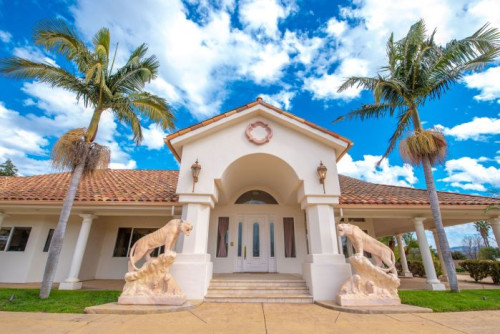
Enlight Treatment Center provides addiction and co-occurring-condition care at 11811 Darlene Lane, Moorpark, California 93021. The current official website identifies that address and 866-748-1507 as its enquiry number. It describes residential treatment, medically supported detoxification and later outpatient options in a landscaped estate setting. The correct postal code is supported by the current primary information and the state facility record.
The center is a residential option in the United States, within Ventura County rather than a Malibu beachfront property. The current provider description refers to approximately ten acres, while the secondary listing describes nine. Neither figure should be treated as a surveyed measurement or a reason to infer another campus. Ask for the actual admission address, treatment phase and assigned room before relying on the property photographs.
The exact state record and neighboring address
The California Department of Health Care Services dataset updated August 17, 2026 lists Enlight Treatment Center under AAA Treatment Solutions LLC, application 560020AP, at 11811 Darlene Lane. It records licensed and certified residential and detoxification services, incidental medical services, six treatment places and ten total places, with a listed expiration of November 30, 2027. Treatment and total capacity are separate fields.
The same bounded address check also found Nairi Rehabilitation Center at 11811½ Darlene Lane under a different legal entity and application. Its six places should not be added to Enlight’s capacity or assumed to form part of the same admission. Ask which legal provider, address and license appear on the actual agreement. The dated record helps identify the service; it does not establish present vacancies or the number of clinicians working a particular shift.
Residential care and the initial assessment
Enlight describes residential treatment for substance use with integrated mental health support. Discuss the main reason for admission, previous treatment, physical health, current prescriptions and any existing diagnoses during assessment. Ask what the program can manage on campus and what requires another service. A broad list of conditions, including behavioral concerns, does not establish suitability for every clinical presentation or a separate specialty program for each condition.
The provider’s current FAQ gives approximately twenty to twenty-five days for the residential stage, with a personalized timeline determined by its clinical team. This differs from the thirty-to-forty-day description on the secondary listing. Ask which duration is recommended and how it is reviewed. Neither published range should be treated as a guaranteed admission length or as proof that insurance will authorize that many days.
Detoxification and medical resources
The current website describes medical detoxification generally lasting three to ten days, with assessment, monitoring and medication support. Ask whether detoxification is needed, whether it is part of the same offer and how the transition into residential care is decided. The range is general provider guidance, not a personal withdrawal schedule. Do not add the detoxification and residential ranges together without confirming how the provider defines the actual course.
The state residential-detoxification record and incidental medical services designation do not independently establish hospital admission. Ask about the actual nursing, prescriber and overnight arrangements at Darlene Lane, and the procedure if someone needs resources beyond the residence. Marketing references to inpatient care should be understood alongside those specific capabilities. A small estate setting does not remove the need for a clear medical assessment and transfer plan.
Provide existing prescriptions and relevant clinical records before arrival. Ask who will review medication, how supplies are obtained and which laboratory tests or outside consultations carry separate charges. Enlight describes medication-assisted treatment among its options, but the individual plan should come from the responsible clinician. Clarify how prescribing responsibilities will be handed over when the person moves to outpatient care or returns home.
Understanding the professional team
The current site presents an in-person team spanning psychiatrists, a psychiatric nurse practitioner, a neurologist and a primary care physician. Its broader references to five doctors or a three-psychiatrist evaluation should not replace a role-by-role explanation. A nurse practitioner and a physician are different professional roles. Ask who will actually assess the patient, the purpose of each appointment, the clinician’s current credentials and the frequency of follow-up.
For someone seeking co-occurring-condition treatment, ask how psychiatric and substance use goals are combined and how clinicians reach an agreed plan. The number of professionals described by a website is not itself an outcome measure. Discuss what happens if opinions differ, how the resident participates in decisions and how the team communicates with existing clinicians. The relevant question is how the actual care is organized for the individual.
Therapy, group work and daily structure
The current FAQ describes individual therapy three to five times weekly and up to six hours of daily group work. Treat those as provider-described program parameters to clarify, rather than guaranteed appointments for every phase. Ask for a sample timetable showing session lengths, the responsible clinician, medical appointments and rest periods. The maximum group-hours figure is different from the amount of individual psychotherapy available to one resident.
Enlight identifies cognitive and dialectical behavior therapies, motivational interviewing, trauma-focused work, mindfulness and family involvement. Ask which approaches are recommended, how goals are agreed and how progress is reviewed. A named method does not mean every resident receives a complete course of it. Explain previous experiences and preferences so the team can describe the actual therapeutic plan rather than relying only on a list of available approaches.
Bedrooms, bathrooms and the estate
The current accommodation description offers private and shared rooms, with varying bathroom arrangements. The secondary listing also describes private and semi-private bedrooms. A private-bedroom option is therefore supported, subject to availability and the written offer. Ask for the exact room, bathroom occupancy, accessibility and any supplement; do not assume every room includes a bathroom used by only one person.
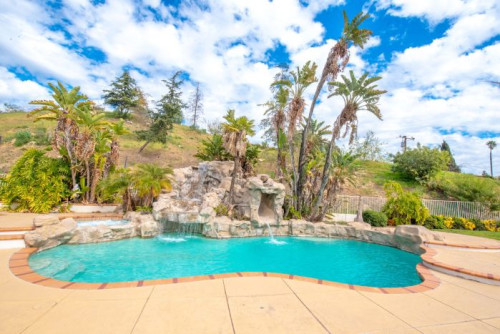
The provider describes a chef, shared living areas, fitness facilities and a pool complex with additional leisure features. Ask which amenities are currently available and appropriate for the planned stage of treatment. A sauna, cold plunge, spa feature or recreational activity should not be treated as an essential clinical service or as suitable for everyone. Clarify alternatives when health, mobility or preferences limit participation, and ask about any separate charges.
Discuss food allergies, dietary restrictions, storage, laundry and personal assistance before arrival. Ask for current photographs or a tour of the assigned accommodation, particularly if room privacy is an important part of the decision. The estate’s hillside setting may involve practical access considerations that are not clear from a general image. The admission team should confirm the areas used for clinical appointments, dining and everyday activities.
Family, devices and practical responsibilities
The current website describes a structured family program intended to improve understanding and support. Ask how relatives or other chosen supporters can participate, what the patient consents to share and whether sessions are in person or remote. A family program is not a promise of unrestricted visits or daily clinical updates. Confirm dates, approval requirements and any separate costs before relatives arrange travel.
Room internet and entertainment descriptions do not establish unrestricted phone or computer use during treatment. Discuss work, school or family responsibilities and ask for the actual device policy. Enlight says case managers can help with employment-related paperwork and coordination, but the provider cannot determine every employer or benefits decision. Confirm any outside requirements with the responsible organization rather than assuming admission guarantees job protection or a particular leave arrangement.
The secondary listing describes possible personal-pet arrangements. Ask the provider directly whether the specific animal can be accommodated, in which room and under what conditions or charges. The same advance planning applies to mobility equipment, medical devices or other needs affecting residence. General accommodation flexibility does not confirm that every request can be met or that it is included in the main treatment price.
Outpatient services after the residential stage
The current primary website expressly offers partial hospitalization and intensive outpatient programs. It describes PHP over approximately four to six weeks and IOP around five weeks, with the timeline individualized. These newer primary descriptions differ from the secondary service filter that marks outpatient care unavailable. Ask for the current clinical location, attendance pattern, eligibility and exact transition arrangements rather than assuming the residential room remains part of outpatient care.
When comparing outpatient treatment, clarify where the person will live, how appointments will be reached and who remains responsible for prescribing. The primary description allows a return home or sober-living arrangement outside daytime programming. Ask who provides any proposed housing and whether it has a separate agreement. A longer period engaged with the same provider is not necessarily continuous overnight residence at Darlene Lane.
The price reference and current duration
Recovery.com checked October 20, 2026 lists an estimated USD 35,000–45,000 for a thirty-to-forty-day program. This is a third-party package reference, not a provider-published monthly tariff or a linear daily price. It cannot be assumed to price the newer twenty-to-twenty-five-day residential description. Request a current offer specifying the actual clinical phases, duration and room, with the difference between the two published descriptions resolved.
The offer should identify detoxification, residential days, medical and therapy appointments, medication, tests, meals, activities, transport, outpatient care and any housing. Confirm deposits, cancellation, early departure, transfer and extension terms. Ask whether optional amenities or consultations sit outside the main package. A price range is useful only when the proposed service and its exclusions are clear; no prorated conversion is made here.
Insurance and the plan for returning home
The current primary website describes network relationships with Blue Shield, Health Net and Anthem Blue Cross, including HMO and PPO enquiries. Those statements do not establish the benefits of a particular policy or approval for every level of care. Request a service-specific review of network status, referrals, authorization and personal costs. If the recommended course changes, ask how the funding arrangement is reviewed and communicated.
Before a move or discharge, obtain named follow-up appointments, medication responsibilities, suitable housing and consent-based communication with the next clinician. Ask what ongoing support is actually scheduled and what requires a separate provider or fee. Enlight’s setting and range of services may be appealing, but the decision should rest on the exact residence, assessed clinical plan, understood room and daily policies, transparent costs and a practical next stage.
Sources checked October 20, 2026: Enlight’s current public website and published program/FAQ content; the DHCS dataset updated August 17, 2026; Recovery.com for the separately attributed package estimate and accommodation cross-check. The neighboring Nairi record, treatment capacity, total capacity and different program-duration descriptions remain distinct.
Destinations
Conditions
Levels of care
Settings
Amenities
Program approach
Individual/group therapy, CBT, DBT, motivational interviewing, assessed trauma-focused and mindfulness work, psychiatric and medication support, family programming, practical case management, experiential activities and continuing care
Fees & admissions
Estimated USD 35,000–45,000 / program
Recovery.com checked October 20, 2026 estimates USD 35,000–45,000 for a thirty-to-forty-day program. This is a third-party package reference, not an official monthly tariff or a linear daily price. The current provider describes a shorter residential stage, so request a new offer resolving actual detoxification/residential duration, room, clinical services, medication, tests, meals, activities, transport, outpatient care and housing.
Confirm the current program, duration, accommodation and included services directly with the center.
Confirm adult clinical fit, exact 11811 Darlene address and provider, initial detoxification needs and medical resources, actual clinician roles and appointments, private/shared bedroom and bathroom, access/diet needs, devices/family/pet arrangements, current phase durations, itemized fees and policy benefits, and named outpatient/housing follow-up.