
Care at The Recovery Village Palmer Lake
The Palmer Lake campus and its treatment pathway
The Recovery Village Palmer Lake provides addiction treatment at 443 South Highway 105 in Palmer Lake, Colorado, between Denver and Colorado Springs. The provider describes a fifteen-acre campus with a 60,000-square-foot treatment facility and mountain surroundings. Medical detoxification, residential rehabilitation, and partial hospitalization form its more intensive pathway. Continuing intensive outpatient care is described through a sister service in Denver, rather than as a reason to assume every stage takes place at the Palmer Lake residence.
The current provider overview focuses on alcohol and drug problems with co-occurring mental health needs. People may arrive from the Colorado Front Range or travel from farther away, but the starting level depends on assessment. A referral should explain what the person is using, their previous treatment, current medicines, and the difficulties that make the present living arrangement unsuitable. Location and amenities are useful considerations after the proposed clinical pathway has been established.
Medical withdrawal management and residential scope
Palmer Lake’s detox description includes a medical and mental health assessment, continuous monitoring, treatment for withdrawal symptoms, and counseling check-ins. The provider says medication-assisted treatment may be used when clinically appropriate. Those statements support a medically supervised detox program; they do not independently establish that this campus is a licensed hospital or offers a general emergency department. Someone with complex medical needs should discuss the facility’s acceptance and transfer arrangements directly.
The current source pages give differing typical detox ranges, so this profile does not present one number as a guaranteed admission length. The relevant plan depends on the individual assessment and progress during withdrawal management. Clarify whether a quoted stay includes detox days and how the move into residential programming is decided. A person coming from an outside hospital or detox service should also arrange the handover of current prescriptions and discharge information, rather than assuming those records will transfer automatically.
What residential treatment includes
The residential program page, which uses the term inpatient rehab, describes living on site while taking part in a structured treatment plan with medical support. Its published components include individual counseling, group therapy, recovery groups, co-occurring mental health care, and relapse-prevention planning. The residence is designed to separate daily treatment from the demands and triggers of the person’s usual environment. It still requires active participation in a shared therapeutic setting rather than uninterrupted private appointments.
The program names cognitive behavioral therapy, dialectical behavior therapy, eye movement desensitization and reprocessing, and cognitive processing therapy. Their inclusion is useful evidence of the range of approaches the provider describes. It is not a promise that every resident will receive every method or the same amount of individual trauma treatment. Ask how the assessment determines the appropriate focus, who delivers a proposed therapy, and how progress is reviewed before more demanding work is introduced.
For someone whose substance use is closely tied to anxiety, mood symptoms, or difficult experiences, a coordinated plan should make the relationship between those issues explicit. A useful discussion might cover how counseling, psychiatric review, group work, and coping practice fit together. That does not mean the program can accept every primary mental health presentation without a substance use disorder. The current Palmer Lake material is principally an addiction and co-occurring-disorders service, so suitability for a different primary need requires confirmation.
Medication and the people overseeing care
Palmer Lake’s medication-assisted treatment information describes medication within a broader recovery plan for appropriate alcohol or opioid use disorders. An applicant already taking prescribed treatment should ask about continuation, assessment, dispensing, and follow-up before traveling. A general educational page that discusses several medicines does not establish that every formulation is available on site or suitable for a particular patient. Prescribing decisions and any changes belong with the treating clinicians.
The current campus team page names Neil Wilkey, MD, as medical director, Katie Kostelyk, LPC, LAC, as clinical director, Kristen Andresen, RN, as director of nursing, and Scott Adams as site CEO. These are the provider’s published roles, checked in October 2026. They help identify medical, therapy, nursing, and operational leadership, but do not promise that an individual resident will have appointments with every named leader. Ask who will actually coordinate the proposed care.
Program duration and transitions
The residential page describes a commonly observed total of approximately forty-five to sixty days across detoxification, residential treatment, and partial hospitalization. That is a description of a combined pathway, not a fixed residential package or a minimum that applies to everyone. Other current wording on the admissions page is inconsistent about individual stages, so obtain a written, stage-by-stage estimate. The plan should distinguish clinical recommendations, the bed reservation, and what an insurer has actually authorized.
Partial hospitalization can follow the more intensive residential phase. Palmer Lake’s current arrival and living guide describes single- or double-occupancy arrangements for PHP participants, including some spaces with private kitchens where available. This is a specific accommodation statement rather than a universal feature of all partial hospitalization programs. Confirm the exact housing offered, whether it remains on the same campus, the daily clinical timetable, and which services or room charges are billed separately.
Bedrooms and the physical environment
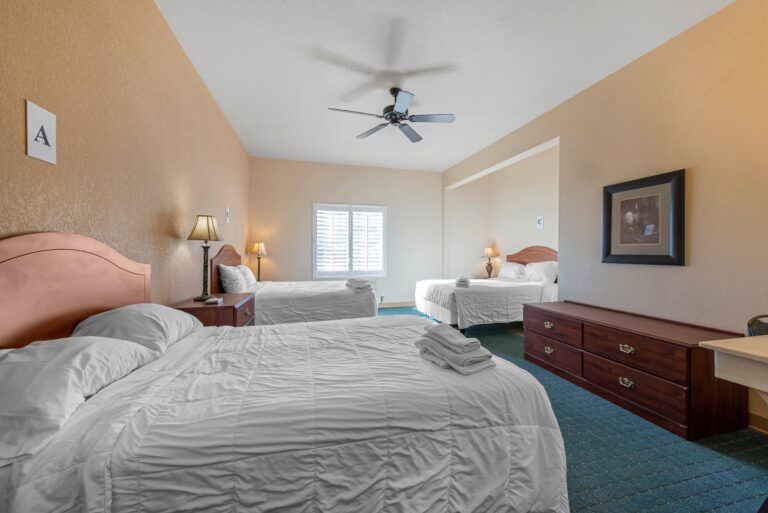
The same guide says residential rooms are generally shared with one or two other patients, while some private rooms are available. That means a bedroom may accommodate two or three people, and a private option should be confirmed rather than assumed. Room assignment can also depend on the stage of care and clinical circumstances. Someone comparing programs primarily for privacy should ask about current availability, bathroom arrangements, any additional charge, and what happens if the treatment level changes.
The facility page lists a gym, heated swimming pool, basketball and volleyball areas, tennis and pickleball, a disc golf course, gardening, art activities, and opportunities for off-site hiking. These provide a picture of the campus environment, not a guarantee that every activity will be available every day. Season, staffing, weather, and a resident’s care plan can affect participation. Applicants with mobility or exercise limitations can ask how the actual room and daily schedule would be adapted.
Food is prepared in the campus cafeteria, with breakfast, lunch, dinner, and snacks described in the admissions guide. The provider asks people to communicate allergies in advance and says outside meals or snacks cannot be brought in. Residents are expected to help maintain their rooms and manage their laundry, alongside some housekeeping support. These details matter when planning for a stay: the setting combines communal living and personal responsibility rather than offering every household task as an individual service.
Arrival, communication, and family participation
Admissions appointments are scheduled so the team can complete the arrival process. The current guide describes checks of people and belongings and secure storage of items that are not allowed during treatment. It also says the admissions team can assist with travel and certain transport arrangements. Confirm the pickup location, timing, geographic limits, and any cost before booking a flight or train. A general offer of travel assistance should not be interpreted as an unconditional airport transfer at any time.
Palmer Lake allows phone use under its current policy and describes placing a security strip over the camera to protect other residents’ privacy. Breaking that restriction can affect phone access. The published guide also discusses family contact by telephone, video, or in person where clinically appropriate. A person who needs to contact children, a caregiver, or an outside clinician should ask how those conversations fit into the treatment day. Device possession does not establish unlimited use during therapy or permission to photograph the residence.
Family engagement is described as dependent on clinical appropriateness. Discuss who may be involved, the patient’s consent, and whether a proposed meeting is an update, a therapeutic session, or preparation for discharge. Relatives may have valuable observations about earlier treatment and the home environment, but information sharing still needs agreed boundaries. The public pages do not establish a fixed number of family sessions included for every stay, so it is reasonable to request that detail in the proposed plan.
Costs and insurance responsibilities
The official pricing page does not publish a numerical campus tariff. It explains that the estimate depends on care level, duration, medical needs, and insurance. The provider describes working with major insurers and offers benefits checks, while also discussing self-pay arrangements. These are starting points for a financial conversation, not proof that a particular policy covers the full stay. Obtain the program’s written estimate and confirm relevant benefits directly with the insurer.
The arrival guide explains that patient responsibility may include a deductible and later coinsurance or other uncovered amounts. The total should be discussed across the proposed pathway, particularly when residential care, PHP housing, medicines, and later Denver appointments may be handled differently. Ask what happens financially if the clinical team recommends more time than initially authorized. No specific financing product or payment method is recommended here; the important comparison is the documented personal cost for the actual services being proposed.
Outpatient care in Denver and return home
The current outpatient page identifies Denver Mental Health & Counseling by The Recovery Village as the sister location for intensive outpatient treatment. It describes individual and group care, medication management, and support for co-occurring conditions. Patients may attend in person or use teletherapy where available and appropriate. The page says transport to outpatient appointments is the patient’s responsibility, so continuing care needs a workable travel or online arrangement rather than an assumed extension of residential transport.
A discharge conversation should identify the exact next provider, appointment date, prescribing contact, and practical living arrangements. For someone returning outside Colorado, ask how local care will be connected and whether any proposed online service can treat them where they will be physically located. Palmer Lake’s published admissions number is 719-602-0914. Use the discussion to establish the full sequence of care, including the different locations, rather than choosing the campus from a broad list of network services alone.
Information checked October 20, 2026 against current Palmer Lake program, campus, staff, pricing, and admissions pages. Services and policies are provider descriptions; individual medical suitability, exact duration, room allocation, and insurance responsibility require confirmation.
Conditions
Levels of care
Settings
Amenities
Treatment approach
Medical and psychiatric assessment, individual and group therapy, CBT, DBT, EMDR or CPT when indicated, recovery groups, medication-assisted treatment as appropriate, and relapse-prevention planning
Fees & admissions
Confirm current pricing
Official pricing page does not publish a numerical tariff. Obtain an individual estimate for detox, residential care, PHP and housing, medicines, and separate outpatient services. Insurance benefits, authorization, deductibles and coinsurance must be confirmed for the actual plan.
Confirm the current program, duration, accommodation and included services directly with the center.
Individual clinical and benefits assessment; confirm exact care sequence, medical/psychiatric capability, stage durations, room and PHP housing, camera/phone rules, travel arrangements, and separate Denver follow-up.