Care at McLean Fernside
Fernside’s place within McLean’s addiction services
McLean Fernside is a small residential addiction program in Princeton, Massachusetts, for adults eighteen and older. Its nine places are intended for people who need a sustained period of treatment for alcohol or drug problems, including those whose recovery is complicated by psychiatric symptoms or unsuccessful previous treatment. Fernside belongs to McLean Hospital, but the service at this address is residential care. Its setting, admission process, and medical capabilities should be understood separately from McLean’s hospital units and other specialty programs.
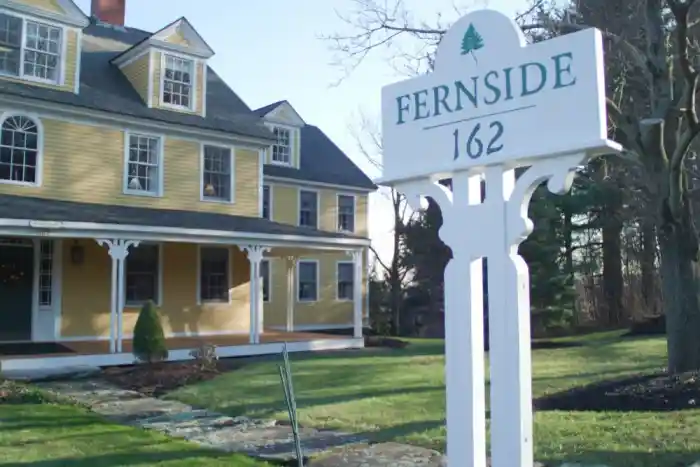
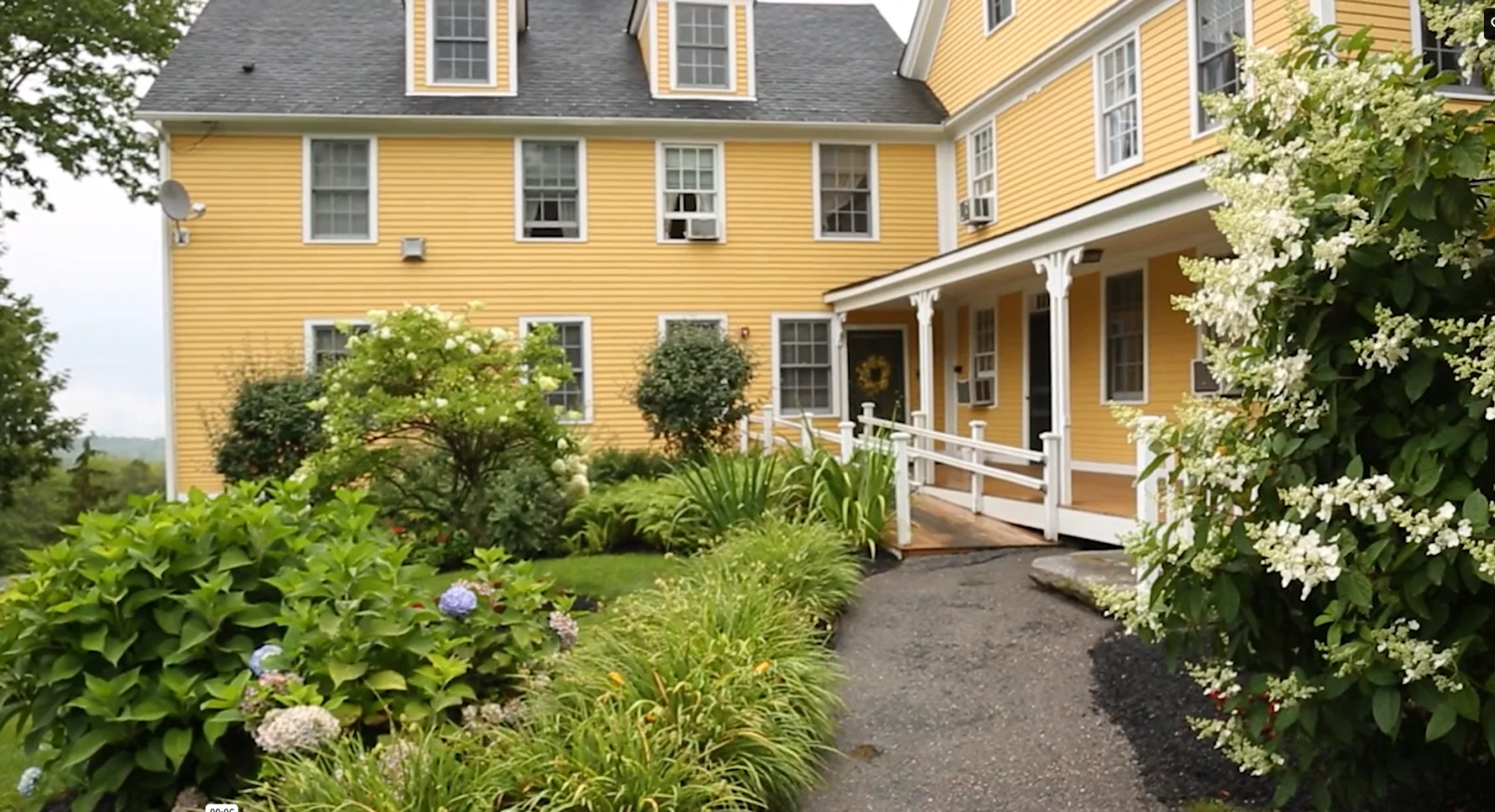
The official location listing places Fernside at 162 Mountain Road, Princeton, Massachusetts 01541. The program occupies a former country inn rather than a large institutional campus. This can appeal to someone who wants a smaller residential community and continuity with a multidisciplinary team. A small census does not, however, mean treatment happens entirely in private sessions: the program combines individual work with groups and shared activities, so readiness to participate in a community remains relevant.
Who the program is designed to support
The current program description identifies substance use disorders alongside depression, anxiety, trauma, post-traumatic stress disorder, and personality-related difficulties as part of its clinical scope. The emphasis is on addiction with accompanying psychiatric needs, rather than a general promise to accept every person seeking mental health treatment. An applicant should explain both the substance use history and the symptoms that are interfering with daily life. The team can then determine whether Fernside’s residential model offers an appropriate starting point.
Previous treatment experience can be particularly useful during assessment. Someone who has completed detoxification repeatedly but struggled after returning home may need a different plan from someone entering treatment for the first time. Relevant information includes what helped before, which situations preceded a return to substance use, and whether psychiatric medicines or outpatient appointments were difficult to maintain. These details make the referral more informative than a request for a particular length of stay alone. Acceptance and the final treatment plan remain individual decisions.
Residential care and pre-admission detoxification
Fernside’s admissions team states that it can help arrange alcohol or drug detoxification before admission when required. The profile therefore should not be read as an offer of on-site medical withdrawal management. The Joint Commission’s exact Fernside location entry lists clinically managed low intensity residential services. That classification concerns this residence; McLean’s hospital affiliation does not make every service within the organization a hospital admission or establish an emergency department at Mountain Road.
For someone moving directly from another treatment setting, the practical question is how the handover will work. A referral should identify the discharging service, current prescriptions, relevant laboratory results, and any follow-up already arranged. Ask which medical or psychiatric needs Fernside can manage within its residential staffing and what would require assessment elsewhere. The provider lists continuous direct-care staffing, but that wording should not be interpreted as a personal psychiatrist being present at the residence throughout every night.
How the clinical team organizes treatment
Fernside describes a seven-day program involving psychiatrists, psychologists, licensed clinical social workers, registered nurses, and community residence counselors. Psychiatric evaluation and medication management sit alongside therapy, case management, and planning for the next stage of care. According to McLean, patients begin working with its psychiatrists from admission. The published page does not set a universal number of individual psychiatry or psychotherapy appointments for every resident, so an applicant can ask how those meetings are scheduled and reviewed for their needs.
The value of an integrated plan is that different parts of treatment can address the same practical difficulty. For example, sleep disruption, intense emotions, and a return to drinking may all need discussion, while still requiring different kinds of assessment. Residents can ask who coordinates the plan, how their goals are recorded, and how proposed medication changes are explained. This is a question about collaboration and informed participation; it does not imply that a particular medicine or therapeutic technique will be appropriate for every person.
Published therapy methods
McLean identifies relapse-prevention cognitive behavioral work as a central part of Fernside’s approach. The program description emphasizes recognizing situations associated with substance use and developing ways to respond to them. Dialectical behavior therapy skills provide another strand, including mindfulness, managing strong emotions, tolerating distress, and communicating effectively. These are specific methods described by the provider, rather than a claim that the residence delivers every possible version of a comprehensive DBT program or guarantees a particular result.
Motivational enhancement therapy is also listed. Within the published model, it addresses uncertainty about changing substance use and helps patients explore reasons for engaging in treatment. Integrated group therapy is intended to bring mood symptoms and substance use into the same recovery discussion. A useful planning conversation is how the team chooses among these approaches, how exercises relate to the person’s own difficulties, and what practice continues between sessions. A list of therapy names alone does not show how an individual week will be organized.
Group participation and private work serve different purposes in this setting. A resident may use individual appointments to discuss matters they are not ready to bring into a group, while shared sessions offer opportunities to practice communication and compare experiences. The provider also describes family or couples meetings where appropriate. Anyone concerned about trauma material, confidentiality within groups, or the pace of disclosure should raise that concern early, so expectations can be discussed before the residential stay begins.
It is reasonable to ask for goals that can be revisited during the stay: recognizing a personal warning sign, developing a response to a difficult conversation, or arranging a workable follow-up appointment. These examples illustrate how to discuss Fernside’s published skills-based approach. They are not additional services promised by the provider or a substitute for goals agreed with the treating team.
Private accommodation and everyday life
Fernside’s nineteenth-century mansion sits on fifteen private acres of lawns, gardens, and woodland. The current program page describes single-occupancy bedrooms with private bathrooms, chef-prepared food, housekeeping, a fitness studio, and an art studio. These room arrangements are more specific than a general promise of luxury accommodation. An applicant with mobility, sensory, dietary, or equipment needs should still check the exact room and access arrangements, because the historic setting alone does not establish suitability for every accessibility requirement.
Activities listed by the provider include yoga, fitness support, cooking, and expressive opportunities. Tennis, swimming, and skiing are described through local resources, rather than as facilities necessarily available inside the residence. Availability, season, clinical suitability, and any associated costs should be clarified when relevant. These activities can give structure to time outside formal therapy, but they should be considered within the residential schedule rather than as an unrestricted leisure itinerary or a substitute for the clinical work.
Length of stay and the current published fee
As checked on October 20, 2026, the English Fernside program page publishes a fee of US$73,500 for thirty days. McLean recommends a minimum thirty-day stay and describes opportunities to remain longer. Fernside is expressly a self-pay program and says it does not accept insurance or other third-party reimbursement. Older references to US$70,500 should therefore not be used as the current posted amount. A dated written quotation remains the appropriate basis for booking.
The program lists clinical and residential components such as psychiatric care, therapy, case management, basic laboratory testing, meals, and housekeeping. It also describes transportation to scheduled clinical appointments and arrival or departure transport when available. Before committing, confirm how those published inclusions apply to the proposed stay, the cost of additional days, and the treatment of outside consultations, medicines, specialist testing, or a preceding detox admission. The published thirty-day price does not establish an all-inclusive price for every service a person might require.
Family contact, devices, and privacy
Current visitor information gives Saturday and Sunday visiting hours of noon to 8 p.m., subject to program policies. Residents may keep phones and computers under guidelines intended to avoid disruption. Smoking is limited to designated outdoor areas; the provider does not permit chewing tobacco or electronic cigarettes. These are useful details for planning contact and packing, but an admission team should confirm the rules that will apply on arrival. Device access should not be treated as permission to maintain an unrestricted work schedule throughout treatment.
Family involvement depends on the patient’s permission. Someone paying for treatment does not automatically receive access to clinical records or every discussion with the team. Before admission, the patient can identify who should receive practical updates, who may participate in treatment planning, and which topics need particular sensitivity. This can make family meetings more purposeful and reduce misunderstandings about communication. If a couple or family wants ongoing therapy after discharge, ask whether Fernside is arranging that service or recommending an outside clinician.
Preparing for life after Fernside
Aftercare planning and case management are part of the published program. Fernside also describes a free alumni service that begins before discharge, with weekly groups led by program team members, a quarterly newsletter, and continuing opportunities to contact staff. These connections can form one part of a longer recovery plan. They do not establish unlimited individual therapy, ongoing prescribing, or emergency support, so each of those needs should have a named arrangement before the residential stay ends.
A practical discharge plan should connect the work completed at Fernside with the person’s actual home environment. That means identifying follow-up clinicians, medication responsibilities, support meetings or groups, and how to respond if symptoms or substance use return. For an international or out-of-state resident, clarify the availability and format of alumni participation after travel home. Fernside’s admissions number is 978-464-2141; use that conversation to establish clinical suitability, the current fee, and a realistic sequence from any needed detoxification through residential treatment and continuing care.
Information checked October 20, 2026 against Mass General Brigham’s current Fernside program and location pages and the Joint Commission’s exact-location service listing. Clinical services, policies, and availability require individual confirmation; no treatment outcome is guaranteed.
Conditions
Levels of care
Settings
Amenities
Treatment approach
Psychiatric evaluation and medication management, relapse-prevention CBT, DBT skills, motivational enhancement, integrated group therapy, individual work, and family or couples meetings
Fees & admissions
USD 73,500 / program
The current English Mass General Brigham Fernside page publishes US$73,500 for thirty days, checked October 20, 2026. Self-pay only; Fernside says it does not accept insurance or third-party reimbursement. Confirm extensions, ancillary costs, prior detox, medicines, outside care, and transport terms in a written quote.
Confirm the current program, duration, accommodation and included services directly with the center.
Adults eighteen and older with substance use disorders, including co-occurring psychiatric conditions. Individual assessment and pre-admission detox planning where needed; confirm medical scope, transfer arrangements, current self-pay terms, and aftercare.