Care at ANA Treatment Centres — Fleming House
Residential addiction treatment at Fleming House
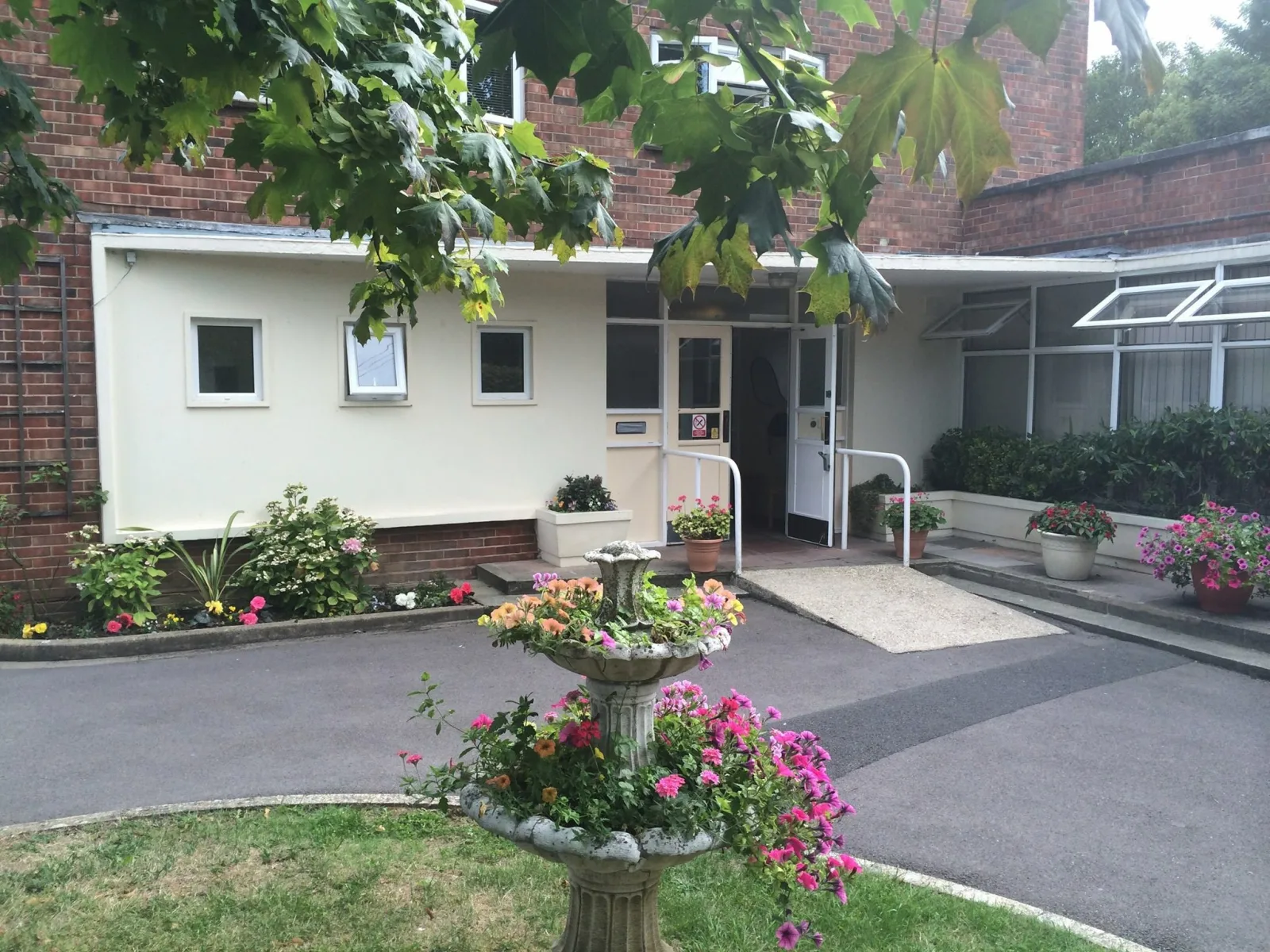
ANA Treatment Centres operates Fleming House on Waterworks Road in Farlington, Portsmouth. Its provider description identifies Fleming House as the location for primary treatment, with later secondary treatment based at Lyle House in Southsea. The program is abstinence-based and draws on Twelve Step principles within a non-denominational approach. This profile focuses on the residential detox and primary-treatment service; ANA’s later community programs and recovery housing have different routines, locations, and entry arrangements.
The primary-treatment page welcomes people over eighteen and describes both privately and publicly funded admissions. Before entry, an assessment identifies needs and explains the program, with an opportunity to see the building. The resulting care plan is intended to change as treatment progresses. That assessment should establish medical suitability, the appropriate stage, the expected duration, and how any other health needs will be addressed within or alongside the addiction program.
Regulation and the level of medical care
The Care Quality Commission record identifies Fleming House as accommodation for people requiring treatment for substance misuse, operated by ANA Treatment Centres Limited. Its report published January 20, 2022 rated the service Good overall and in all five assessment areas. CQC’s latest displayed review, dated July 6, 2023, said it had not found evidence requiring reassessment at that stage. Those dates distinguish an existing regulatory rating from a new inspection carried out in 2026.
The inspection summary describes medically monitored detox with twenty-four-hour care and observations by trained support workers, while a doctor supervises, evaluates, and prescribes as needed. This is a residential treatment model, not evidence of hospital-level admission or continuous on-site registered-nurse staffing. CQC recorded capacity for twenty-nine clients at the inspection. The current program, staffing arrangement, and available accommodation should be checked for the proposed admission rather than treating that historical capacity as current availability.
CQC’s report described comprehensive assessment, individualized planning, and arrangements for discharge or transfer when a person’s needs could not be met. It also identified a need to improve the timeliness of maintenance checks. These were findings from the inspected period. A prospective client can use the record to inform questions about the present service, but should not assume that every detail remains unchanged. Medical or psychiatric needs outside a residential detox program require an appropriate clinical referral and placement.
Detoxification and the first days
ANA’s detoxification page describes a doctor consultation and prescribed medication where needed, followed by a timetable designed for clients undergoing withdrawal. It says alcohol detox often lasts about ten days, while drug-related detox periods vary. The downloadable brochure gives a wider ten-to-twenty-one-day range. These are indicative descriptions rather than a fixed duration suitable for every substance or person. Discuss the expected course and how the team will review medical progress.
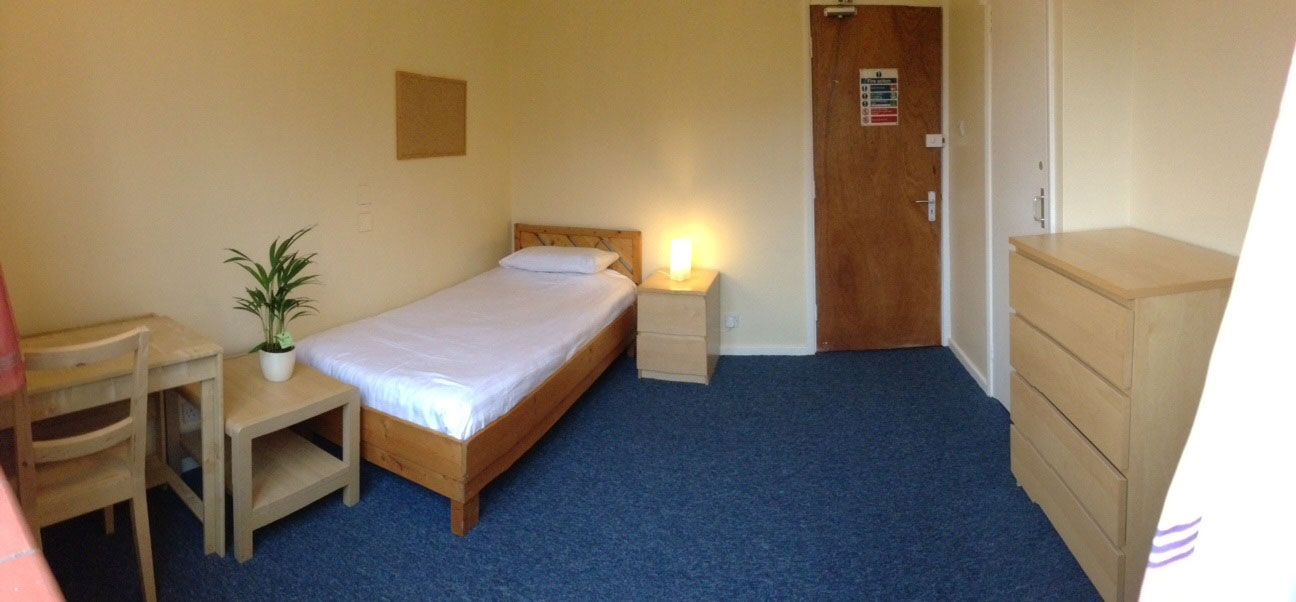
On arrival, clients meet staff, see their room, and are introduced to a peer buddy who has already spent time in primary treatment. The buddy provides community support; that role is separate from medical assessment or clinical decision-making. Staff are described as available around the clock. ANA recognizes that people in detox may need more rest than other residents, and participation in the timetable is agreed around that stage. Ask how the transition into the fuller therapy program will be handled.
The Portsmouth program page says some people may initially share a room during detox for safety and adjustment. It does not establish that all later accommodation is private. Confirm the expected occupancy, bathroom arrangements, accessibility, and room changes across stages. Bring a complete medication and medical-history list to assessment, and obtain the current instructions for belongings and prescriptions before arrival. The first-day plan should be clear enough that practical uncertainty does not complicate the admission.
Primary treatment and therapeutic work
Primary treatment is offered in four-, six-, eight-, ten-, or twelve-week arrangements, with other durations discussed during assessment. The program includes individual keyworker sessions, group work, workshops, and a care plan reviewed with progress. Participants may present a life story and written step work, while AA, NA, and CA representatives provide meetings for the community. The model therefore asks clients to engage actively with peers and reflective assignments, alongside professional support, rather than attend only private appointments.
The therapy and support page describes cognitive and behavioral work, art and music therapy, guided relaxation, gender-related groups, family groups, and education about relationships and communication. The primary page also names CBT, individual counseling, and mindfulness-related approaches. These are available components, not proof that every client receives each method or the same number of sessions. Ask how the assigned keyworker coordinates the individual plan with group participation and any additional therapeutic needs.
ANA organizes treatment around three connected strands: therapy and support, health and wellbeing, and life skills. That structure is useful when considering how rehabilitation will translate into ordinary life. The therapeutic strand addresses the person’s understanding of addiction and coping patterns; the other strands provide opportunities to develop routines and practical independence. A client can ask how the team will balance these areas at the beginning of treatment and how that balance changes as they move toward discharge.
Primary-treatment workshops can address relapse prevention, family dynamics, relationships, and conflict resolution, with topics sometimes shaped by the clients’ concerns. This allows a current difficulty to become part of the therapeutic discussion rather than waiting until discharge. Ask how sensitive material is handled in a group and when a private keyworker conversation would be more appropriate. Participation in life-story or step-work presentations should be explained during assessment so the person understands the expectations before joining the community.
Health, wellbeing, and everyday skills
The health and wellbeing description includes guided relaxation, creative activities, peer connection, leisure, and support with healthcare appointments. It explicitly describes GP and nursing services as external. That is an important distinction when a person needs ongoing medical review in addition to addiction treatment. Confirm how appointments, prescriptions, and communication with external professionals are organized, and who remains responsible for any established health condition while the client is living at Fleming House.
The life-skills program covers budgeting, shopping, cooking, hygiene, relationships, conflict resolution, education, and housing or resettlement. It is described as becoming more complex as a person’s recovery develops. These subjects can be directly relevant when substance use has disrupted independent living. They also give concrete topics for a discharge plan: the client may need both ongoing therapy and practical help organizing money, meals, housing, or a return to education or employment.
The provider describes working with outside organizations for some educational and practical support. Access to a named course or partner should be confirmed rather than assumed from a general program description. Likewise, a brochure listing activities such as yoga, outings, or gardening does not establish that every activity runs on every week or is suitable during detox. Ask what the current timetable contains and how it is adapted for mobility, concentration, anxiety, or other individual needs.
Secondary treatment and community living
The secondary-treatment page describes a separate assessment after primary treatment at ANA or another provider. Clients live with peers in community houses and travel to the Southsea center for counseling, groups, workshops, and education. The purpose is to apply recovery skills while taking more responsibility in everyday surroundings. That arrangement differs from remaining at Fleming House with the same residential routine and should be discussed as a distinct next placement.
Published secondary-program elements include keyworker support, weekly workshops, acceptance and commitment therapy groups, and attendance at at least four AA, NA, or CA meetings weekly. The emphasis on community participation may suit someone ready to practice greater independence. It also creates practical requirements around travel, time management, and tolerance of a less contained environment. Ask how the team assesses readiness and what support is available if the person finds that transition difficult.
ANA’s downloadable brochure uses the term Community Living Skills for a later-stage pathway and discusses direct access for some applicants. That terminology differs from the secondary page’s emphasis on previous primary treatment. Clarify which current pathway is being offered and its actual entry criteria. The same brochure describes third-stage supported community living, while ANA Works is a separate recovery-housing service. These options should not be bundled into a Fleming House admission without explicit agreement.
Aftercare, family contact, and costs
The brochure describes free ongoing aftercare groups for people who complete treatment at ANA, with sessions offered twice weekly. This is group support, not a promise of unlimited individual therapy, emergency cover, or permanent housing. Confirm the present schedule, attendance arrangements, and whether any remote access is available. Someone returning to a different part of the country should also establish local clinical and peer support rather than rely only on the possibility of attending a Portsmouth group.
Family participation appears in the therapy program and brochure, but the public material does not establish unrestricted visiting or telephone access. Ask for the current policy for detox and primary treatment, together with the client’s consent arrangements. Relatives may need information and support of their own while the client works on recovery. Clear expectations about updates, visits, practical responsibilities, and discharge planning can help everyone understand their role without assuming that family members participate in every clinical session.
No current numerical self-pay tariff was verified. ANA describes private and public funding, and its website refers to private insurance, but an individual place still needs clinical acceptance and the relevant financial authorization. Obtain a written quote identifying detox, primary treatment, any separate secondary placement, and accommodation-related charges. Public or insurer funding should be confirmed before relying on it. The published contact is 023 9237 3433. Information was checked on October 20, 2026; current availability, room arrangements, and stage-specific support should be confirmed directly.
Conditions
Levels of care
Treatment approach
Abstinence-based, non-denominational Twelve Step-informed care with keyworker sessions, CBT/cognitive-behavioral work, group therapy, family support, creative and wellbeing activities, life skills and relapse prevention
Fees & admissions
Confirm current pricing
No current numerical self-pay tariff verified. Private, public and insurer funding require individual approval. Request stage-specific costs for detox, primary care, later community programs and accommodation; free aftercare groups are not unlimited therapy or housing.
Confirm the current program, duration, accommodation and included services directly with the center.
Primary program for people over eighteen, following assessment and funding agreement. Doctor supervises detox while trained support workers provide twenty-four-hour care/observations; external GP and nursing services are described. Confirm exact medical needs, room, prescriptions, program expectations and later-stage eligibility.