About Priory Hospital North London
A mental health hospital in Southgate
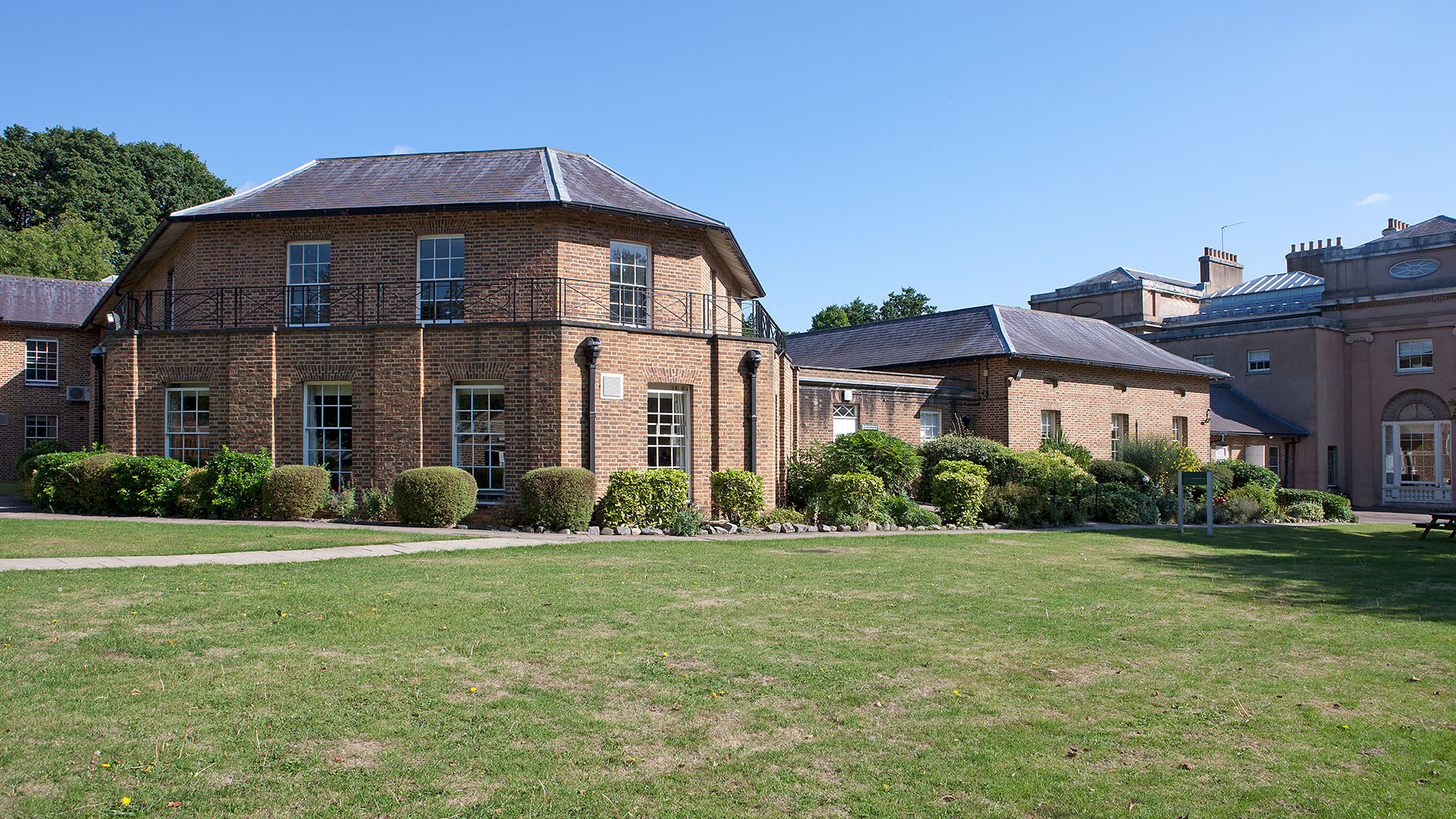
Priory Hospital North London is at Grovelands House, The Bourne, Southgate. Its current location page describes inpatient, day, outpatient, and online care for mental health and addiction needs, including a specialist obsessive-compulsive disorder and body dysmorphic disorder service. The hospital occupies a Grade I listed building overlooking parkland. These services involve different assessments and schedules; an addiction admission, specialist OCD program, outpatient therapy course, and adult autism assessment should be considered as separate pathways.
The latest CQC assessment summary describes a fifty-three-bed independent hospital and records an assessment of adult care on Oak Ward and Lower Court on April 28 and 29, 2026. The report, published June 8, 2026, rated the service Good and said it was no longer in breach of regulations. It identified improvements since the earlier assessment. This is direct evidence of hospital-level treatment, while the particular ward and care plan still depend on individual clinical needs.
One current service boundary is especially important: CQC states that the hospital’s child and adolescent mental health ward has closed. An older CAMHS rating remains visible in the regulatory record, and an older OCD leaflet still mentions adolescent admission. Those historical references should not be read as evidence of a current adolescent inpatient ward. A family seeking treatment for a young person should confirm an appropriate current service explicitly rather than rely on the hospital’s older materials or clinician-search filters.
Psychiatric care and individual planning
The hospital overview describes support for depression, anxiety, trauma-related difficulties, emotional dysregulation, and other psychiatric needs. Its methods include CBT, psychodynamic and integrative approaches, EMDR, DBT-related work, and individual and group therapy. The broad range does not mean every person receives every intervention. Assessment should identify the main treatment goals and match them with a clinician, care level, and sequence of work that the patient can engage with.
The current hospital guidance describes care under a consultant psychiatrist, a therapy keyworker, and a key nurse who helps coordinate communication. It specifies consultant contact at least twice weekly and an individual keyworker therapy session weekly. Other contacts depend on the program, and the specialist OCD pathway has its own arrangements. Medical review, nursing support, and psychotherapy are different parts of care. Ask for the actual schedule so the proposed intensity is clear before admission or a day-treatment commitment.
Specialist OCD and BDD treatment
The hospital’s OCD and related-disorders leaflet describes CBT centered on exposure and response prevention, with compassion-focused elements and medication review when indicated. The current location page confirms the service across inpatient, day, and outpatient formats, with up to two individual sessions weekly with a BABCP-accredited therapist. The aim is a coordinated course of specialist work, rather than simply attending a general anxiety group during a broader psychiatric admission.
The leaflet places substantial emphasis on practice between appointments, including planned exposure work, behavioral experiments, diaries, and monitoring progress. Staff may support this work, while families can meet the therapy team to understand how best to help. The appropriate tasks and pace should be agreed clinically; this description is not a set of exposure exercises to undertake without assessment. The older leaflet’s adolescent-unit references have been superseded by CQC’s current closure statement and should be clarified directly for any age-specific enquiry.
The example OCD timetable includes exposure groups, education, occupational-therapy activities, planning, and periods labeled individual therapy or homework. That last distinction matters: every such block is not necessarily a private therapist appointment. Ask how much clinician-led contact, supported practice, and independent work is planned for the individual. It is also useful to discuss how skills will transfer to the home environment and who will provide specialist follow-up after the hospital stage.
The specialist leaflet describes assessment before admission and a review of engagement and response within the first two weeks on the ward. It also discusses coordinating follow-up with a local CBT clinician and practicing skills at home when appropriate. Confirm how those arrangements work in the current program. Someone traveling a long distance should consider the follow-up relationship as part of the original decision, since returning to the same hospital for frequent day appointments may be impractical. The plan should identify who will support continued practice and how information will pass between the hospital and the clinician taking over.
Transform 28 and addiction treatment
North London specifically lists Transform 28, Priory’s twenty-eight-day inpatient addiction program. It combines a Twelve Step-informed approach, individual and group therapy, family support, and medically assisted detox when needed. Priory currently advertises the program from £21,813, including twelve months of aftercare. This is a published program starting price, not a universal tariff for all psychiatric admissions at North London. Obtain a hospital-specific written quote and the exact inclusions for the proposed placement.
The North London addiction leaflet describes consultant-led care addressing addiction alongside associated problems such as anxiety, depression, stress, or co-dependency. Detox involves nursing support and medication where clinically appropriate, with readiness for the therapy program reviewed as physical symptoms settle. A person should understand whether withdrawal care forms part of the planned admission and how that affects participation during the first days. The program is not identical for someone who needs detox and someone who does not.
The example addiction timetable contains assignment and process groups, psychodrama, relapse prevention, peer support, reflection, and wellbeing activities. It illustrates a substantial communal and group component alongside individual work. Someone considering the program should be prepared to participate in that structure, rather than expect the whole day to consist of private psychotherapy. Confirm the current timetable and how medical reviews, family appointments, and any specific therapeutic needs are fitted into it.
The addiction leaflet also describes a five-day trauma-focused program drawing on Pia Mellody’s model and addressing childhood experiences, boundaries, self-esteem, and relationship patterns. It is presented as a distinct intensive option, potentially available independently of addiction treatment. The leaflet also describes equine-assisted work at nearby Trent Park Equestrian Centre. Ask whether either option is currently offered for the intended admission, how suitability is assessed, and whether it has a separate charge; neither should be assumed to be a guaranteed daily component.
Shorter detox and outpatient addiction options
Reset 7/10 is the separate seven- or ten-day medically assisted detox pathway listed by North London. Priory’s published starting prices are £6,540 for seven days and £8,722 for ten days, subject to an individual quote and clinical need. The focus is withdrawal support and stabilization. It should not be presented as the full Transform rehabilitation course compressed into a shorter stay. Establish the intended treatment after detox and how the transition will be coordinated.
Anchor 1:1 provides outpatient addiction therapy, usually weekly and available face to face or online. The current service page describes fifty-minute sessions but gives inconsistent prices: £124 in the headline and FAQ, and £155 in its comparison table. Ask for the applicable written session rate. The purpose is scheduled therapeutic support while living outside the hospital, either as an initial pathway when appropriate or after more intensive care; it does not include overnight accommodation or medical detox.
North London also lists Elevate 12, a twelve-week online addiction program with twice-weekly small evening groups and weekly individual sessions. The current offer advertises £3,302 for eligible new self-paying participants against a £4,128 list price, with full payment at the start and offer conditions applying. The group and individual components use approaches such as CBT, DBT, and motivational interviewing. Confirm eligibility, dates, attendance expectations, and whether online care meets the person’s clinical needs.
Private rooms and everyday life
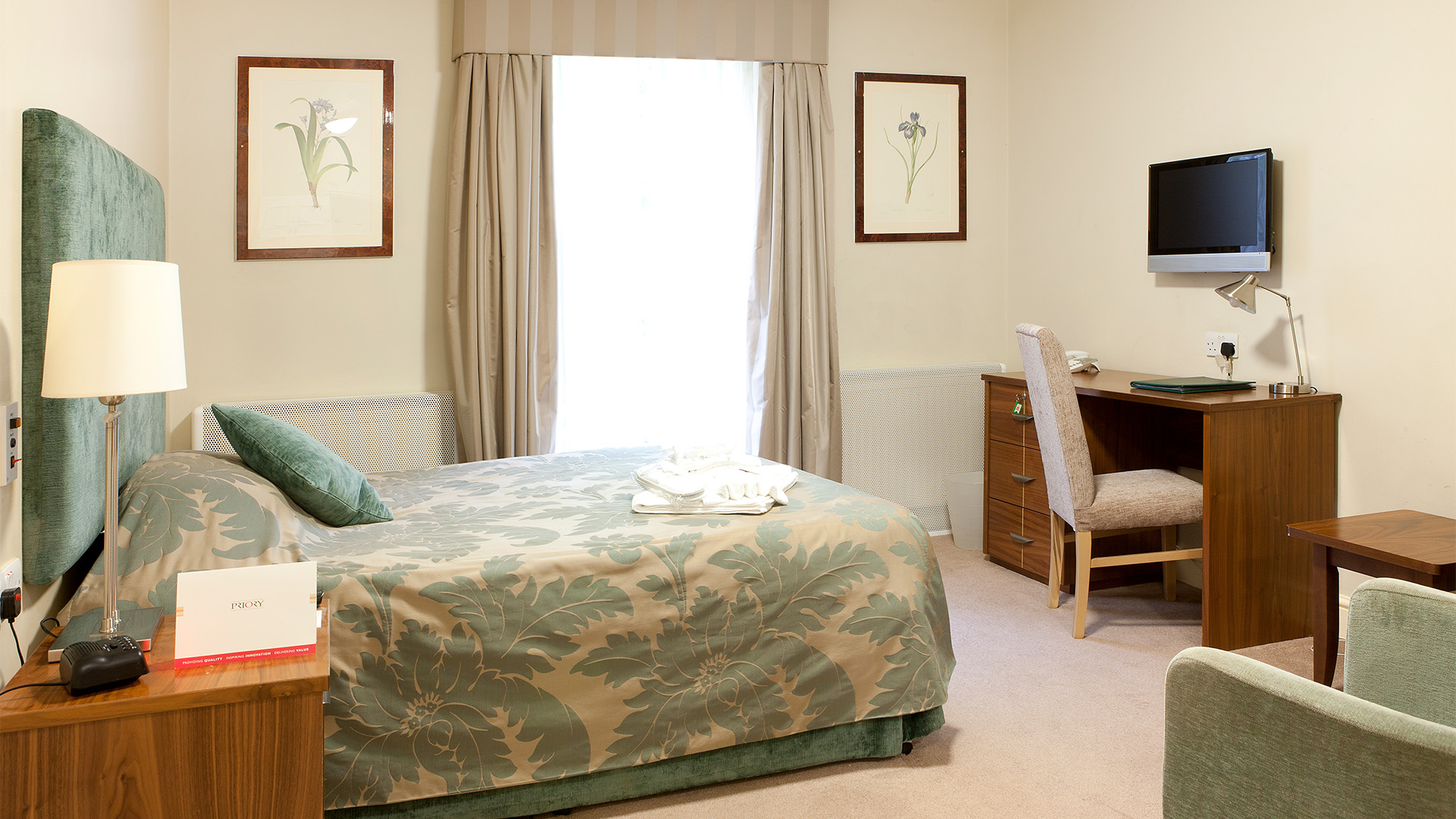
The hospital explicitly describes single-occupancy en-suite bedrooms, with a television, nurse-call button, and housekeeping. Shared areas and landscaped grounds provide space between clinical sessions. The overview also describes catering for dietary requirements, including kosher and halal options; confirm the particular requirement before arrival. The private room is part of the accommodation arrangement, while the treatment day still includes shared activities and group work. Discuss accessibility or sensory needs before accepting a specific room or ward placement.
Wellbeing activities listed by the hospital include guided walks, art and music work, yoga, sleep-related groups, and organized social activities. Their availability depends on the program and current timetable. Visiting rules also differ: the current page lists general mental-health visiting on weekday evenings, Saturday afternoon and evening, and Sunday, while addiction-program visits are described for Sunday afternoon. Older leaflets show different family-session arrangements. Obtain the current ward policy and distinguish ordinary visits from a structured family therapy or education appointment.
Aftercare, assessment, and payment
Transform includes twelve months of aftercare, principally weekly support groups and continuing recovery connection. The local addiction leaflet also describes family involvement, peer supporters who have completed treatment, and an individualized continuing-care plan. This should not be interpreted as another year of hospital accommodation or unrestricted individual therapy. If day care, private outpatient sessions, or another program is recommended, clarify its separate cost and enrollment. Planning should identify the responsible clinician and first appointment after discharge, not simply an intention to seek support later.
Priory North London offers a free addiction assessment and separately advertises a mental health assessment from £49. That assessment price is not an inpatient admission fee. The hospital also lists adult autism assessment as a separate outpatient service. Funding can be self-pay or through an approved private insurer, but the precise policy, consultant, condition, referral requirements, and authorized treatment need verification. The hospital’s published local number is 020 8882 8191. Information was checked on October 20, 2026; confirm the chosen program, current quote, and age-specific service before arranging care.
Destinations
Conditions
Levels of care
Settings
Amenities
Program approach
Consultant-led individualized psychiatric care; OCD/BDD CBT with ERP and compassion-focused elements; addiction Twelve Step-informed individual/group work and medication-supported detox; other methods selected from CBT, DBT-related work, EMDR, psychodynamic/integrative therapy and family support
Fees & admissions
From GBP 21,813 / program
Priory published starting price specifically for Transform 28: £21,813 for twenty-eight inpatient days, detox if indicated, and twelve months of group-based aftercare. Obtain a North London quote. Other psychiatric/OCD, Reset, Anchor, Elevate and assessment services have separate prices and terms.
Confirm the current program, duration, accommodation and included services directly with the center.
Clinical assessment selects program and care level. Confirm adult ward, diagnosis, medicines, therapist contact, room and funding. CQC confirms CAMHS ward closure; old adolescent leaflet and clinician filters do not establish current young-person inpatient admission.