
Care at Prospect Hill Recovery and Wellness — St. Croix
A small residential program on St. Croix
Prospect Hill Recovery and Wellness, currently presented by its provider as Prospect Hill Wellness, offers residential mental health, addiction, and co-occurring care on St. Croix in the U.S. Virgin Islands. The official website describes a maximum of seven clients and seven private bedrooms. The small scale is a defining feature of the setting, with clinical, medical, nutritional, and wellness services intended to form one individualized plan. This is a treatment placement with assessment and structured care, rather than an ordinary island holiday.
The program’s public descriptions include depression, anxiety, trauma-related difficulties, burnout, and substance-use problems. The addiction page also discusses behavioral concerns such as gambling and compulsive spending. Eligibility still depends on the person’s presentation and the team’s assessment. A broad list of conditions does not establish that the facility can manage every acute psychiatric or medical need. Explain the principal concern, current symptoms, previous treatment, prescriptions, and any recent deterioration before arranging travel.
Assessment and the roles of the clinical team
Neuropsychological assessment is prominent in Prospect Hill’s current model. The advanced-treatment page describes using information about memory, attention, processing, and executive functioning to help shape therapy and its pacing. It outlines early medical and psychiatric assessment followed by neuropsychological work during the first week. The homepage separately promotes a fourteen-day comprehensive diagnostic assessment. Clarify whether the proposed booking is an assessment-focused stay or a longer treatment course, and what testing, written findings, and feedback are included.
The provider identifies co-founder Lindsy Wagner as its neuropsychologist and Phoenix Adams as chief clinical officer. Adams’s published biography lists social-work qualifications, including a Doctor of Social Work, and describes clinical leadership in mental health, addiction, grief, and family-related work. Those are distinct roles and qualifications. A prospective client should know who administers and interprets testing, who provides psychotherapy, and who manages medical treatment, rather than assume that every professional with a doctoral title is a medical doctor or neuropsychologist.
The team page also names psychiatrist Ken Sonnenschein, MD, medical director Beth Anne Joseph, and lead registered nurse Kristen Lee. Joseph is described as an emergency-medicine physician, while Sonnenschein leads psychiatric assessment and medication management. Their individual backgrounds do not turn the residential property into a general hospital. Ask how the relevant professionals coordinate the actual case, how often medical and psychiatric reviews occur, and what arrangements apply if a client needs a service beyond the property’s scope.
Prospect Hill states that it is licensed in the U.S. Virgin Islands and accredited by The Joint Commission. These are provider-published credentials, and the relevant certificate and service scope can be requested when needed by a referring professional or insurer. Accreditation should be considered alongside the actual treatment plan and staffing arrangement, rather than treated as a prediction of an individual’s outcome.
Medical care and on-site detox
The concierge medical page describes medical history and examination, laboratory work, psychiatric evaluation, medication review, and supervised detox. It makes a specific staffing distinction: nursing is on site during clinical hours, with continuous on-site nursing during medically supervised detoxification. A physician is available for clinical decisions at any time. That wording should not be expanded into a promise that every client has an on-site physician or continuous bedside nursing throughout an entire residential stay.
The addiction page states that detox can be provided at Prospect Hill, so clients do not necessarily need to complete withdrawal treatment elsewhere first. Admission must still be assessed for the substance, withdrawal history, physical health, and psychiatric presentation. Confirm the monitoring plan, expected nursing coverage after detox, and how urgent transfer would work if needed. The appropriate arrangement is particularly important for someone traveling to the island with an established medical condition or a complex medication regimen.
NAD+ infusions and other IV therapies are listed as adjunctive medical services. The provider says it discusses expected benefits, evidence, and limitations before treatment. Their inclusion in the program description should not be interpreted as a guarantee of a particular recovery outcome or as a replacement for the main medical and psychological plan. Ask whether a proposed infusion has a specific clinical purpose, whether it is optional, who prescribes it, and whether it creates an additional charge.
Psychotherapy and the weekly program
The treatment overview describes twenty-seven clinical hours weekly, including six hours of individual sessions that may include family work when indicated. The six hours are part of the stated clinical total, not an additional six hours to be counted again. The homepage also lists separate medical, wellness, and excursion categories. Obtain the actual personal timetable and clarify how overlapping categories are counted, especially when comparing clinical intensity with another residential program.
Published approaches include CBT, DBT, EMDR, acceptance and commitment therapy, motivational interviewing, and hypnotherapy. The provider also lists process groups, communication work, family therapy, and relapse prevention where applicable. These methods should be selected around the clinical formulation rather than delivered as an identical menu to everyone. Ask which approaches are intended for the main concern, how individual sessions connect with group work, and what changes the team would make if the initial approach is not meeting the client’s needs.
The program describes adjusting work around cognitive and emotional needs. For example, a person who struggles to retain new material may need a different pace or format from someone whose main difficulty is applying a skill during stress. Those are practical uses of assessment information, not a promise that testing explains every symptom or predicts treatment success. The team should explain the findings in understandable language and show how they affect the day-to-day plan rather than leaving them only in a diagnostic report.
Prospect Hill’s complex-trauma information describes combining trauma-focused work with support for associated anxiety, depression, or substance use. It presents treatment duration and medication decisions as individualized. A person seeking intensive trauma processing should discuss readiness, stabilization, and the available follow-up before assuming that a particular method begins immediately. The residential program should make clear how difficult material is paced and how the client is supported between formal sessions.
Nutrition, accommodation, and wellness activities
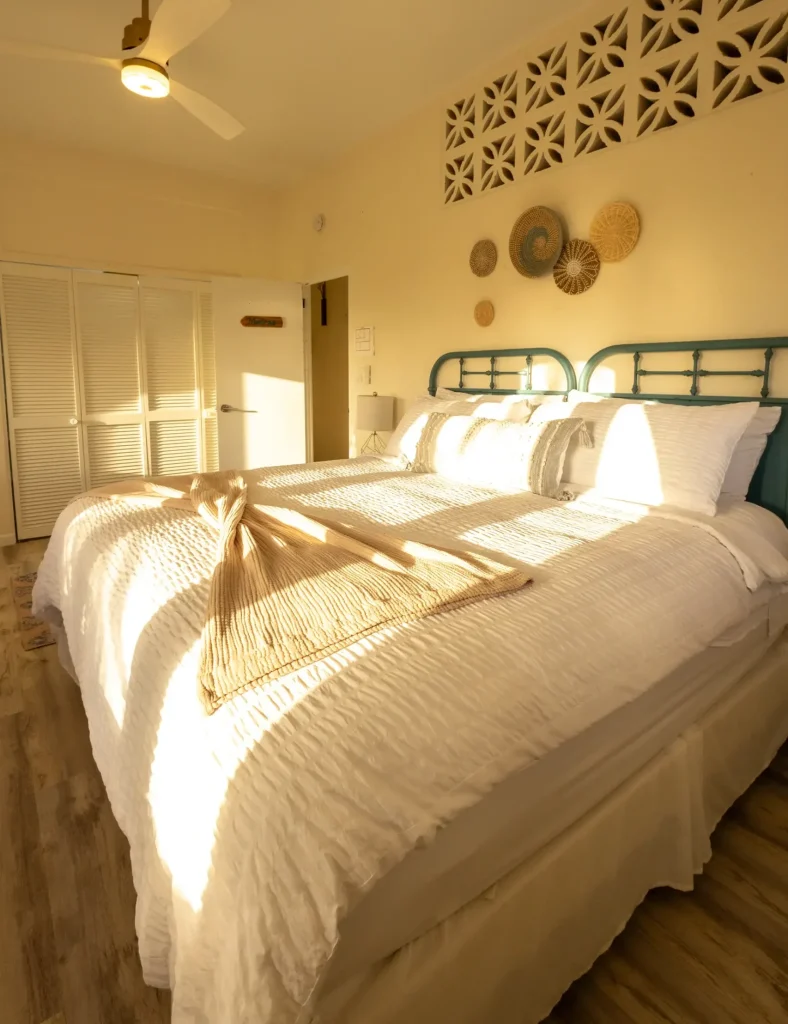
The wellness page describes a three-acre property with seven private guest rooms and private bathrooms, an outdoor pool and hot tub, courts, fitness facilities, and on-site medical and clinical spaces. These are stated property features, while the assigned room and accessibility still need confirmation. The program is a small shared community despite private sleeping accommodation. Discuss whether the setting and group dynamic suit the person’s privacy, sensory, mobility, and social needs.
Chef-prepared meals and nutritional planning are part of the four-part treatment model. The provider describes a plant-forward kitchen and coordination between culinary and clinical staff. Explain allergies, dietary restrictions, medical nutrition needs, and any difficulties around eating before admission. A general nutrition or wellness offering is not automatically a specialist medical eating-disorder program. Someone needing that level of support should have its clinical suitability established explicitly rather than infer it from the mention of disordered eating or personalized meals.
Listed wellness options include movement, mindfulness, massage, yoga, and island activities such as guided walks or water-based excursions. The provider says activities are selected around the individual plan. Weather, medical readiness, staffing, and current arrangements can affect participation; a list of experiences is not a guarantee that each will be available during a particular stay. Clarify which activities are included, which are optional, and whether any require separate assessment, insurance, equipment, or payment.
Admissions, communication, and length of stay
The admission process begins with a confidential consultation and review of history, clinical needs, and goals. Staff then assist with pre-arrival arrangements and a packing list. The provider welcomes contact from referring professionals and describes collaboration during treatment and aftercare. Obtain final clinical acceptance before relying on travel arrangements, and identify who will send medical records or testing reports. The property’s small size makes the availability of an appropriate place important to confirm.
The addiction page currently describes stays commonly ranging from thirty to ninety days, with duration determined by needs and progress. That range should not be applied automatically to every mental health or assessment pathway. It also states that essential work communication may be accommodated within structured limits. Confirm the actual device, call, and work arrangements before assuming that a demanding job can continue unchanged during treatment. The treatment schedule should remain realistic alongside any unavoidable outside responsibilities.
Price estimates and insurance boundaries
No current official numerical residential tariff was verified. The exact-campus Recovery.com listing, checked on October 20, 2026, gives an estimated US$75,000 per month. This is a third-party estimate, not a binding provider quote. The source does not define a precise monthly billing cycle or itemize every inclusion, so it should not be converted into an assumed daily rate. Request the actual program price, duration, room, and financial terms directly from Prospect Hill.
The official admissions page offers guidance on out-of-network benefits and explicitly says Medicare and Medicaid are not accepted. The medical page describes private-pay admission. Reimbursement should therefore not be assumed, even if an insurer may consider a later claim. Ask about upfront payment, documentation, professional services, diagnostics, detox, medication, travel, activities, and extension charges. A fourteen-day assessment and a longer residential treatment course should have separate, clearly identified terms so the estimate corresponds to what is actually being purchased.
Continuing-care descriptions include a personalized discharge plan, medication continuity, referrals to local providers, possible remote support, family reintegration, and alumni connection. Confirm which services are included and who can provide care in the jurisdiction where the client will live afterward. Returning from St. Croix should involve a named next clinician and practical appointment plan. The published admissions number is +1 786 788 7706. Information was checked on October 20, 2026; current availability, testing scope, nursing arrangements, and the individual quote should be agreed before admission.
Conditions
Levels of care
Settings
Amenities
Treatment approach
Individualized medical/psychiatric and neuropsychological assessment; CBT, DBT, EMDR, ACT, motivational interviewing, hypnotherapy, individual/group and family work; coordinated nutrition, wellness and aftercare
Fees & admissions
USD 75,000 / month
Recovery.com exact-campus listing, rechecked October 20, 2026, estimates US$75,000 per month. This is not an official provider tariff; the monthly billing cycle and full inclusions are undefined. No daily prorating assumed. Obtain a written residential or fourteen-day assessment quote, including medical/professional services, detox, tests, medication, activities and extensions.
Confirm the current program, duration, accommodation and included services directly with the center.
Confidential assessment before acceptance and travel. Confirm clinical fit, testing/report scope, withdrawal plan, nursing after detox, emergency transfer, essential work/contact arrangements, private-pay terms and follow-up in home jurisdiction. Medicare and Medicaid not accepted.