
Care at Tikvah Lake Recovery — Sebring
The six-guest residence in Sebring
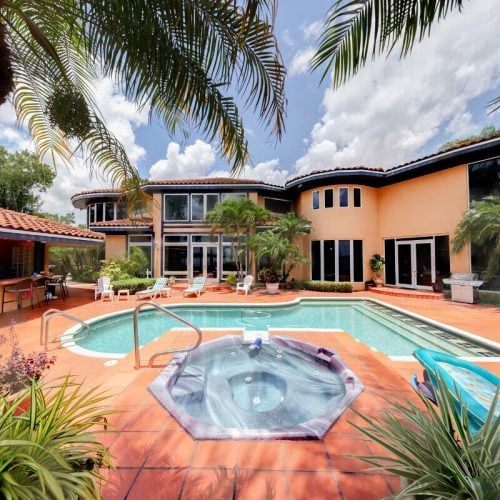
Tikvah Lake Recovery provides residential addiction and mental-health treatment at 6549 Rajol Drive in Sebring, Florida. Its Sebring campus accommodates a maximum of six guests in a lakeside house with private bedrooms and shared living spaces. This entry covers Tikvah Lake itself. Park Manor, the related property in Avon Park, is a different residence with its own accommodation and pricing. Confirming the actual campus matters because the organization’s website discusses both locations and some testimonials refer to both. Photographs retained on this profile come from the Sebring campus gallery and illustrate that property.
Residential treatment and the progression of care
The main residential program commonly runs for thirty to ninety days. Its published structure has three stages: orientation and assessment, therapeutic work and skill development, and preparation for the transition after treatment. The opening stage considers the person’s history, goals, and co-occurring conditions. The middle stage uses therapy and practical coping work to examine patterns affecting daily life. The final stage develops an aftercare plan. These stages describe how the provider organizes treatment; they do not establish identical time allocations or a guaranteed outcome for everyone who stays.
Tikvah describes elements of Alcoholics Anonymous and Narcotics Anonymous within this residential framework, including work associated with the first three steps. Someone who wants a particular recovery philosophy should therefore discuss how those elements are used alongside their individual clinical plan. The website also emphasizes individualized work and a small resident group. A six-person capacity can describe the social environment, but it does not by itself establish the number of clinicians on each shift or the amount of therapy an individual receives. Those details should appear in the proposed schedule.
Therapy methods and a schedule that needs clarification
Cognitive behavioral therapy is a stated core method. The addiction-treatment page describes structured work on thought patterns, behavior, and treatment goals, alongside attention to depression, anxiety, or trauma when these accompany substance use. For a resident, the useful application is specific: identifying the situations that repeatedly lead to difficulties, testing different responses, and practicing skills that can be used after leaving the house. Individual treatment should connect this work with the person’s own concerns rather than rely only on a standard list of therapy names.
The published amount of individual treatment is inconsistent. The campus page states five individual sessions each week and two group sessions available daily. The mental-health page describes at least five hours of individual therapy weekly, while the addiction and executive pages refer to at least ten hours in the longer residential program. Other passages say therapy is exclusively individual, despite the stated group offering. These descriptions should not be combined into a larger total. Request a program-specific timetable showing session lengths, individual clinician appointments, group participation, and which services are optional or included in the quoted fee.
Mental health, trauma, and behavioral concerns
Tikvah advertises residential mental-health care as well as addiction treatment. Its current program pages name anxiety, depression, trauma, and co-occurring substance use. That is broader than a service limited to addiction with occasional supportive counseling. It still does not establish suitability for every psychiatric diagnosis or level of instability. Admissions should explain the assessment process, what medical or psychiatric needs can be managed in the residence, and which presentations require another setting. A person seeking mental-health care without an addiction should confirm that the proposed program, clinical staffing, and funding arrangement specifically cover that purpose.
The trauma program names CBT and eye movement desensitization and reprocessing, or EMDR, alongside individually selected supportive practices. Tikvah says the initial assessment considers both traumatic experiences and any accompanying substance-use or mental-health concerns. Before choosing this service, establish who would provide trauma treatment, their qualifications in the proposed method, and how the therapist will assess readiness and pace. The presence of EMDR on a service page does not mean that every resident will receive it or that a particular number of sessions will resolve longstanding difficulties.
The provider also describes treatment for behavioral concerns, including gambling, problematic sexual behavior, and compulsive work patterns. Its stated approaches include CBT, counseling, and mindfulness-related work. These concerns can have different clinical meanings and consequences, so an individualized assessment matters more than a broad marketing label. For example, a gambling-focused plan may need to address access to money and support at home, while work-related difficulties may require practical boundaries around business contact. Those are planning considerations to discuss with the treating clinician, not additional services promised by this listing.
Detox is arranged outside the residence
The current detox page explicitly states that Tikvah Lake does not provide on-site medical detox. It works with nearby detox providers before a guest enters residential treatment. This is more precise than general references elsewhere on the website to comprehensive detox services or detox management. Someone who may need withdrawal treatment should obtain the name and location of the receiving service, its medical capabilities, and a coordinated transfer plan. The Sebring residence should not be presented as a hospital or as a location with an independently established medical-detox unit.
External detox also affects timing and cost. Confirm whether the residential booking begins before or after detox, whether a bedroom is held, and who pays for transport, medication, tests, and any extra days at the other facility. A medical professional should decide when transfer into the residential program is appropriate. The published information does not establish continuous on-site physician or registered-nurse coverage at the Sebring house. Discuss overnight staffing, urgent assessment, and arrangements for a worsening medical or psychiatric problem as part of the admission plan.
Medical oversight and complementary activities
Tikvah’s medical-director biography identifies Jose Toledo, MD, as a neurologist with experience in addiction medicine. It describes his training and prior clinical work, but does not specify his daily attendance at this particular residence. Ask who will conduct the initial medical review, who prescribes or monitors medication during the stay, and how the team contacts the relevant clinician between scheduled appointments. This is particularly useful when the person arrives from a separate detox provider and needs a clear medication handover.
The wellness offering includes yoga, meditation, nutritional counseling, and activities described as energy work, such as Reiki or qigong. These are presented alongside the main psychological treatment. A prospective guest can ask which activities they wish to join, whether there are additional charges, and how the activities fit around clinical appointments. This profile does not treat the presence of a complementary activity as proof that it treats a particular disorder. The priority is an agreed clinical plan, with wellness activities chosen for the person’s preferences and practical needs.
A separate ten-day executive option
The executive program is advertised as a ten-day stay, with individualized therapy, educational work, and wellness activities. It is intended for people who need a shorter initial commitment and support around professional pressures. Tikvah allows business contact and describes an environment compatible with phone and internet use. The clinical plan should establish appropriate boundaries so work commitments do not displace treatment. Ten days is a program format, not a promise that addiction or a mental-health condition can be fully addressed in that time.
Some executive participants may extend into the thirty-to-ninety-day residential program. That decision should follow a review of needs and progress, with the additional duration and cost agreed explicitly. The longer residential fee discussed below is not a price for the ten-day executive stay. Ask whether the initial executive assessment, outside detox if needed, and any later extension are billed separately. The discharge plan remains relevant even after a short stay: it should identify what work will continue with another clinician or service.
Bedrooms, meals, and the lakeside setting
The campus page currently describes a fifteen-thousand-square-foot house beside a two-hundred-acre lake. It lists a pool, spa, dock, boat, lounge and library areas, private therapy spaces, and indoor recreation. Accommodation descriptions include a private bedroom, an upstairs primary suite, and a separate villa on the same property. Bedrooms have en-suite facilities, but features and lake views depend on the selected room. A villa and an upstairs suite are not interchangeable choices for someone with mobility needs, so confirm access and the precise accommodation before committing.
Meals are prepared with a chef and concierge support, with provision described for personal preferences and dietary restrictions. The house also offers Wi-Fi, spaces for reading or work, and communal dining. These details help explain daily living at Tikvah Lake, but they do not establish that every leisure activity, private dining arrangement, or upgraded room is included in the starting fee. Ask for the room name, bathroom arrangement, accessibility, meals, and any supplements to be listed in the admission agreement.
Price evidence and the transition home
LuxuryRecovery’s August 2026 pricing report, rechecked on October 20, gives a starting figure of approximately US$70,000 for thirty days in standard accommodation. The publication says Tikvah supplied and approved that figure, and that premium rooms cost more. It also discloses a featured-partner relationship. This is attributed secondary price evidence, not a tariff published on Tikvah’s own website or an individual quotation. It is recorded here as a thirty-day program estimate, without prorating it to other durations or presenting it as a range covering every room.
The admissions page offers insurance verification and displays several major insurer names. Coverage, network status, authorization, and personal liability still need confirmation for the exact campus and treatment plan. Finally, the aftercare page describes individualized planning and relationships with sober-living providers. It does not establish an unlimited package of continuing therapy or accommodation. Before leaving, obtain named follow-up appointments, any medication arrangements, and the costs of recommended services, whether the next step is home, outpatient treatment, or a separate transitional residence.
Conditions
Levels of care
Settings
Amenities
Treatment approach
Individualized CBT, assessed EMDR for trauma, addiction and behavioral counseling, AA/NA-informed residential stages, relapse-prevention planning, and complementary yoga, meditation and nutritional support
Fees & admissions
USD 70,000 / program
LuxuryRecovery's August 2026 report, rechecked October 20, 2026, states a provider-supplied and approved starting figure of about US$70,000 for thirty days in standard accommodation; premium rooms cost more. The publication discloses a featured-partner relationship. This is secondary evidence, not an official website tariff or individual quote. No prorating. Confirm therapy, exact room, external detox, medicines, transport, extras, aftercare and extension charges.
Confirm the current program, duration, accommodation and included services directly with the center.
Confirm the Sebring campus, psychiatric and medical suitability, exact individual/group timetable, clinician and overnight staffing, external detox and transfer arrangements, room category, written price, insurance benefits and follow-up plan. Published therapy allocations vary by page and require program-specific confirmation.