About Sierra Tucson
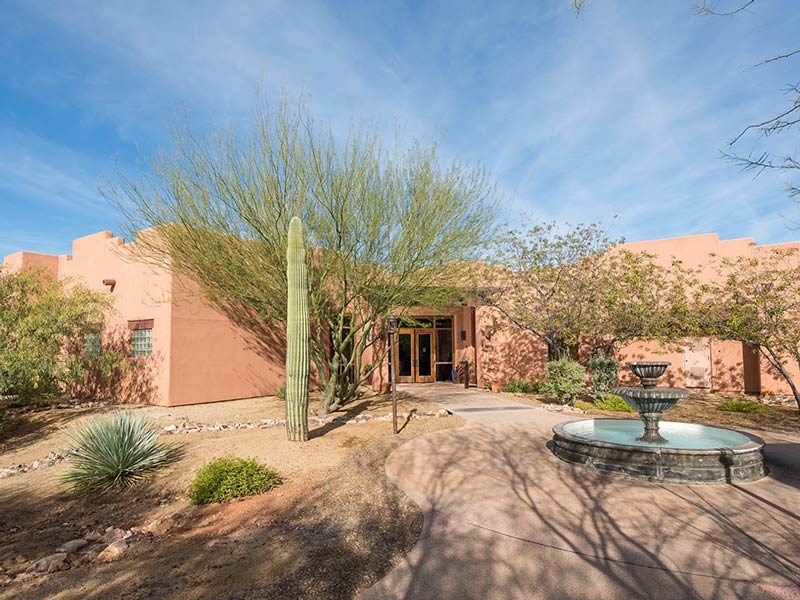
Sierra Tucson provides residential mental health and addiction treatment for adults in the foothills of Arizona’s Santa Catalina Mountains. Its published program combines psychiatric and medical care with individual and group psychotherapy, experiential work and a structured residential community. The setting includes Southwestern-style lodges, outdoor spaces and recreational facilities, but the reason to consider admission is the clinical plan that can be delivered there.
The current residential program serves people with mood and anxiety disorders, trauma-related difficulties, addictions and co-occurring conditions. It also describes experience working with licensed professionals and others in demanding roles. Sierra Tucson is therefore relevant to several different treatment searches. A person seeking help for depression should clarify how their pathway differs from addiction-focused care, while someone with both concerns should establish how the team will address them together.
Understanding the inpatient and residential stages
Sierra Tucson distinguishes its Copper Sky detoxification and stabilization unit from its residential lodges. Copper Sky provides medically supervised inpatient care for adults who need withdrawal management, psychiatric stabilization or both. The provider describes physician oversight, medical and psychosocial assessment, medication management and nursing coverage around the clock. This initial stage concentrates on stabilization rather than the full therapy schedule.
The unit’s published typical stay is one to three days, but Sierra Tucson explicitly makes the actual duration dependent on medical needs, substance history and co-occurring conditions. That figure should not become a promised detox deadline or an estimate for the entire admission. The clinical team determines readiness to move into residential treatment. Before traveling, disclose current medications, recent substance use, previous withdrawal complications and relevant medical history so the proposed starting point is appropriate.
A useful admission discussion also covers what happens if the assessment identifies needs outside the planned program. Ask which services the campus can provide directly, when a hospital transfer would be needed and how the transition back to treatment would be coordinated. These questions are particularly relevant when a person has unstable physical symptoms or a recent psychiatric crisis.
What the therapy plan can include
The published treatment-method list includes cognitive behavioral therapy, dialectical behavior therapy, individual and group therapy, medication-assisted treatment, nutritional therapy, psychodrama, EMDR and continuing care. It also lists other interventions, including ketamine therapy, that require a separate discussion of suitability and availability. Listing a method on a website does not mean that every resident receives it or that different interventions have identical purposes.
For a practical comparison, ask the team to connect each proposed method to a treatment goal. Cognitive and behavioral work might be used to examine patterns that maintain distress; skills-oriented sessions can have a different role from processing a traumatic memory. What matters is who provides the intervention, its place in the weekly schedule and how progress will be reviewed. A long menu is less informative than a clear explanation of the planned sequence for the individual resident.
The residential description also identifies EMDR, Somatic Experiencing, medication management and psychiatric assessment. A person considering trauma treatment can ask how clinicians determine readiness for trauma processing, what stabilization work comes first and how sessions are adjusted if symptoms become harder to manage. Residents with previous treatment experience should bring useful records, including approaches that helped, treatments that were difficult and medication effects that need consideration.
Coordinating psychiatric and medical care
The published clinical model brings together psychiatrists, physicians, therapists, psychologists and nurses. For someone with both substance use and a mood disorder, the useful detail is how those disciplines share an assessment and make decisions over time. Ask who coordinates the plan, who prescribes medication and how changes are explained to the resident. A previous diagnosis should be part of the clinical history rather than the only information considered.
Bring a complete medication list that includes supplements and recent changes, along with contact details for existing clinicians. Clarify how necessary medical appointments will be handled during the stay and which outside services would create additional costs. That preparation helps make the transition between the stabilization unit, residential therapy and follow-up care more coherent.
Experiential work and optional services
Sierra Tucson’s experiential therapy explanation describes activities such as expressive work, animal-assisted experiences and challenge-based tasks followed by therapeutic reflection. The purpose described is to give clinicians and residents material to explore through the activity and the discussion afterward. A ropes course or equine session should therefore be understood in relation to its therapeutic objective, rather than simply as recreation included in a resort stay.
Physical ability, sensory needs and personal comfort should inform participation. Ask about alternatives if a resident cannot safely take part in climbing, outdoor movement or work around animals. The presence of an activity on campus does not establish that it is necessary for everyone.
The residential page separately describes optional integrative services, including massage, acupuncture, physical therapy, neurofeedback and personal training, with additional charges. Clarify which sessions are part of the proposed clinical package and which require a separate purchase. For any optional intervention, request its intended benefit, the practitioner’s role and the reason it is being recommended alongside the core treatment plan.
Rooms, shared living and the daily routine
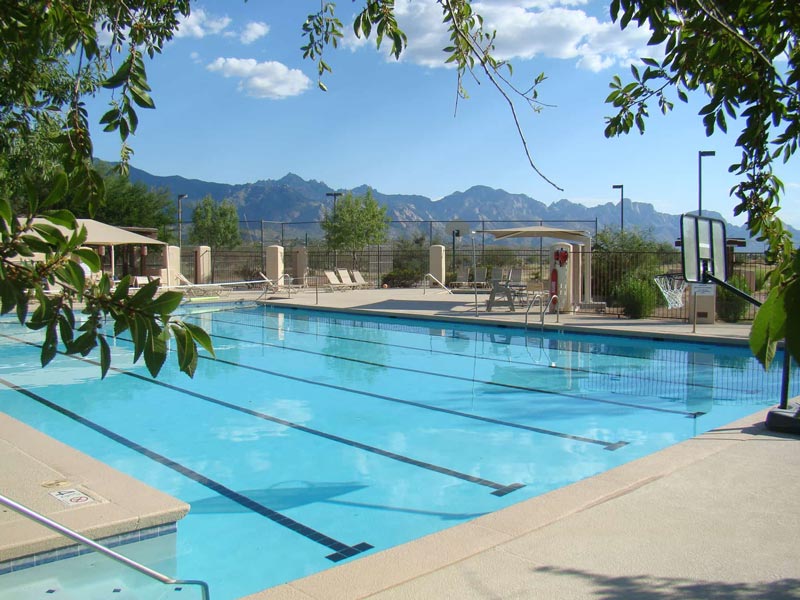
The rooms and amenities page describes semiprivate accommodation with full bathrooms. This is a shared residential environment, not a standard promise of a private bedroom. Campus facilities include walking paths, a pool, a gym, sports courts, outdoor seating and spaces used for experiential activities. These features may make the stay more comfortable, but access depends on the resident’s schedule and clinical circumstances.
The admissions FAQ says a private room may be available at an additional cost when clinically indicated. Anyone with a strong need for single occupancy should obtain a clear arrangement before admission rather than assume that an upgrade will be possible. Discuss sleep difficulties, mobility requirements, service-animal arrangements and other accommodation needs early enough for the campus to assess them.
The published daily routine is substantial: meals, lectures, therapy groups, meetings with the clinical team, personal reflection and community activities extend through the day and evening. Ask for a current example schedule that distinguishes required clinical sessions from optional activities. A prospective resident balancing fatigue, chronic pain or demanding medication changes needs to understand how rest and adjustments can fit within that structure.
Communication, work and family involvement
Sierra Tucson describes supervised or scheduled access to communication tools, with personal-device and business-call requests considered by the treatment team. Families should not plan around unrestricted remote work. Before admission, make arrangements for work responsibilities and identify any genuinely essential communications so the team can explain what is feasible.
The FAQ also makes visits subject to the therapist’s judgment and campus rules. Confirm the current visiting schedule before relatives book travel, especially if admission dates or the initial level of care may change. Contact with loved ones, family education and joint therapeutic work are different activities; ask which are recommended in the individual plan and who will coordinate them.
For licensed professionals, confidentiality and return-to-work concerns can be central to choosing a program. Ask which clinician will address those issues, what documentation can be provided and who may receive information with the resident’s consent. A statement that the center treats professionals should lead to a specific plan for that person’s circumstances, not an assumption about licensing-board or employer requirements.
Fees and insurance: establish the actual agreement
A dependable current self-pay package price was not established from the official pages reviewed. Sierra Tucson’s insurance and payment information describes both in-network payer relationships and work with other plans on an out-of-network basis. It states that Medicare and Medicaid are not accepted. The provider also says that it supplies a financial outlook before arrival and identifies additional integrative packages as separately purchasable.
Request verification for the exact insurance policy, campus, proposed level of care and admission dates. A payer name alone does not establish coverage, the authorized duration or the resident’s share of the bill. Ask for the deductible, coinsurance, any required authorization and the arrangements if the insurer approves fewer days than the clinical team recommends.
For self-pay care, obtain an itemized estimate covering any inpatient stabilization, residential treatment, room arrangements, optional services and outside medical costs. The total stay is individualized, so the quote should explain extension and early-discharge terms. Keep the clinical recommendation and the financial authorization clear: they are related decisions, but they do not necessarily change on the same timetable.
Connect365 and the transition home
Connect365 is Sierra Tucson’s published year-long post-treatment support program. The current description combines a recovery coach, weekly communication, a mobile application, daily check-ins and a support team selected by the client. It says the first year is offered without an additional charge, while participation in a second year carries fees. Confirm eligibility and enrollment arrangements for the particular admission.
The program gives the discharge discussion a concrete starting point. Ask how coaching will relate to ongoing psychotherapy, medication appointments and any recommended step-down service. App-based check-ins and a recovery coach have a different function from medical care or an emergency service. The written plan should identify who is responsible for each element and how concerns are escalated between appointments.
A person returning to another state or country should leave with local arrangements that can actually begin on time. Discuss prescriptions, transfer of records, appointment availability and consent for involvement of the chosen support team. The Arizona treatment guide provides context for comparing programs, while the final choice should rest on clinical fit, a realistic funding plan and continuity after residential care.
Official Sierra Tucson program, admissions and continuing-care pages reviewed October 20, 2026. Provider-described services remain subject to assessment, current availability and the individual treatment agreement.
Destinations
Conditions
Levels of care
Settings
Program approach
CBT, DBT, individual and group therapy, EMDR, Somatic Experiencing, psychodrama, psychiatric care, and medical or medication support as indicated
Fees & admissions
Confirm current pricing
No current residential package tariff was established from the reviewed official pages. Confirm detox or stabilization, residential services, clinically indicated private-room charges, optional integrative services, and insurance responsibility in writing. Connect365 is described as one year without extra charge, with an optional second year carrying a fee.
Confirm the current program, duration, accommodation and included services directly with the center.
Ask about the treatment track, medical support, family participation and discharge plan.