
Care at Steps Together — Rainford Hall
Rainford Hall and the Steps Together program
Rainford Hall is a Steps Together residential treatment and wellbeing location at Crank Road, St Helens, Merseyside, WA11 7RP. The provider describes nineteen bedroom suites within a historic hall on an estate of approximately 600 acres. The acreage describes the wider estate setting, not a treatment building or a private area assigned to each guest. Residential addiction treatment, outpatient services, and separately designed wellbeing retreats are different offerings, so the admission proposal should identify the actual program and care arrangements.
This is a shared residential environment with private accommodation and a combination of group and individual work. It should not be confused with a house reserved exclusively for one client. Before booking, ask whether the proposed stay is in the main hall, a particular suite, or the separately offered Fenny Bank Cottage. The location, accommodation, clinical support, and fee should all correspond to the same offer, rather than combining features from different Steps Together properties or programs.
Regulatory record and treatment setting
The Care Quality Commission lists Rainford Hall under location number 1-13214272234, operated by Steps Together Rehab (St.Helens) LTD. The assessment report published on December 3, 2025 rates the service Good overall, with Caring rated Outstanding and the other four areas rated Good. The record identifies residential substance misuse services and regulated activities including accommodation for people requiring substance misuse treatment. This is a dated regulatory finding, not a new inspection carried out for this directory review.
The registered service and advertised program support a residential addiction-care description. They should not be interpreted as evidence of an acute psychiatric hospital or unlimited capacity to manage severe medical or psychiatric presentations. Ask the clinical team to explain admission criteria, overnight resources, prescribing arrangements, and the threshold for referral or transfer to another setting. If the person’s main need is unrelated to substance use, specify that clearly so the team can identify an appropriate program rather than assume an addiction pathway.
Detox and the residential therapy approach
Rainford Hall’s clinical approach includes assessed detoxification, followed or accompanied by therapeutic work as appropriate. The provider describes clinical staff support throughout the day and night and a weekly physical-health review with a general practitioner who has an interest in addiction treatment. Those statements do not mean every medical specialist is continuously present. Ask which professionals will be on site, which appointments are scheduled, and how urgent medical or psychiatric concerns are addressed during the proposed stay.
The main addiction program combines groups with private sessions and describes cognitive behavioral methods, motivational interviewing, person-centered work, and a Twelve Step recovery model. The exact therapeutic mix can change according to need. Request a sample week distinguishing individual psychotherapy, groups, clinical reviews, education, and complementary activities. The separate Enhanced Level Twelve Step service adds guided individual work with an addiction therapist; confirm whether that is part of the residential offer or a separately priced service.
The separate seven- to fourteen-day Wellbeing Reset
The Wellbeing Reset brochure describes a seven- to fourteen-day stay for stress, burnout, low mood, mild anxiety, and related life pressures. Its advertised components include an individual plan, private therapy or support sessions, educational workshops, DBT and mindfulness groups, exercise or personal training, and access to sauna and steam-room facilities. This short retreat has its own purpose and eligibility criteria. Its duration should not be applied automatically to the addiction program or used to predict a detox timeline.
The brochure explicitly says the Wellbeing Reset is unsuitable for people requiring detox, addiction treatment, or care for severe or untreated mental health needs. That exclusion is central to comparing the offer. Someone with those needs should have an appropriate clinical assessment rather than book a wellbeing stay based on its setting or shorter duration. Ask which program is recommended, why it fits the current situation, what professional oversight it includes, and what further treatment or local follow-up may be needed afterward.
Suites, hospitality, and current amenities
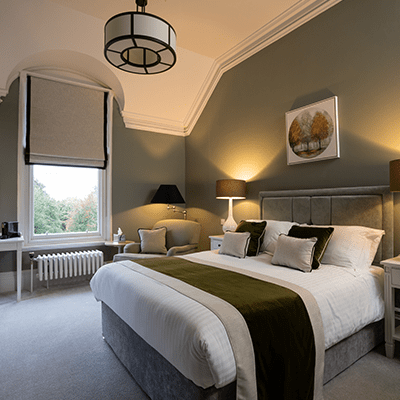
Rainford Hall’s room information distinguishes Classic, Heritage, and larger Pilkington suite options, with different layouts and amenities. The Classic room page describes en-suite bathroom facilities, including a walk-in shower. Confirm the exact named room, single occupancy, accessibility, bathroom, and price in the agreement. Period fireplaces in bedrooms are decorative and cannot be used as working fires. A photograph of a larger suite should not be assumed to represent every room category or the room available for the intended dates.
The current hospitality page describes chef-prepared meals, a gym, trainers, a sauna, and a steam room. It also states that the spa pool is closed for essential maintenance. Treat the pool as unavailable unless the provider confirms that it has reopened for the planned stay. Selected wellbeing, holistic, or beauty treatments have additional charges. Discuss dietary requirements, mobility, approved activities, and practical access to the grounds alongside the clinical schedule, so hospitality features can be compared without overstating their availability or inclusion.
Fenny Bank Cottage and family arrangements
Fenny Bank Cottage is a separate property on the estate, within walking distance of the hall. Its official page describes four bedrooms accommodating up to six people, with options for recovery retreats, family groups, or tailored programs for organizations. The cottage can involve self-catering or a separately arranged package. Its six-person accommodation description is not the treatment capacity of the main hall, and a cottage retreat should not be assumed to provide the same clinical resources as a residential addiction admission.
Rainford also advertises a free monthly family workshop focused on understanding addiction, coping, and support for relatives. That workshop is distinct from visiting a resident or arranging private family therapy. The FAQ says visits may be considered for stays longer than twenty-eight nights, so confirm the rules for the actual admission rather than promise regular visits for every stay. Agree who can receive updates, which permissions are needed, and whether additional family or couples work has a separate charge.
Duration and dated fee references
The reviewed official pages describe individualized treatment lengths and several different programs rather than one universal residential duration. Recovery.com lists a typical twelve-week stay but separately supplies twenty-eight-day price examples. Neither should be treated as a requirement for every client. The proposed plan should name the initial period, the review points for any extension or change of care, and the next stage expected after leaving the hall. Detox needs and the Wellbeing Reset must be assessed on their own terms.
Recovery.com displayed estimated twenty-eight-day costs of £23,428 for Ash standard Classic, £23,938 for a Classic suite, £27,169 for a Heritage suite, and £32,339 for an executive super suite when checked on October 20, 2026. These are attributed secondary program estimates, not current official tariffs or monthly prices. Obtain a quote for the actual room and clinical plan. Generic UK rehabilitation cost ranges in the provider’s FAQ should not be treated as a location-specific Rainford Hall price.
Payment, insurance, and arrival planning
Rainford’s FAQ says a deposit is required near the start of assessment and the remaining balance is due on arrival. It also states that unused booked nights are not refunded following early departure or discharge for a breach of the treatment agreement. Ask for the full written terms before committing, including the deposit, cancellation, extensions, medical transfers, and separately charged services. The agreement should make clear whether detox, professional reviews, medications, transport, room upgrades, and later treatment are included.
The official insurance page identifies Bupa and Cigna and explains that insurance-funded admission requires prior authorization involving the insurer and the Steps Together team. Coverage is decided by the insurer for the individual policy and proposed treatment. Confirm the approved service, duration, accommodation, and any personal payment. For travel, the FAQ advises arrival with a supporter and says residents are not allowed to drive their own car; discuss any arranged transport and its cost before booking a journey.
Devices, personal items, and the daily routine
The provider allows phones and laptops at certain times but asks that they be switched off during therapy groups. Clarify the actual daily access, whether work calls can be accommodated, and how contact with family is managed. Bring the current admission guidance rather than relying on a generic packing list. Discuss prescription documentation and supply with the clinical team, alongside clothing for indoor and outdoor activities, accessibility needs, and any practical support required during the early part of the stay.
Room and laundry information describes routine housekeeping and personal laundry according to the allocated schedule, while specialist cleaning or dry-cleaning services carry an extra charge. Ask how those arrangements apply to the selected room and any particular personal needs. A sample timetable should show the balance of clinical appointments, therapy groups, meals, movement, and rest. The important comparison is the actual residential routine and professional contact offered, not the number of amenities shown across the wider estate’s marketing material.
Aftercare and continuing treatment
The dedicated client-aftercare page advertises a free weekly Zoom group for up to twelve months after leaving treatment. This is a defined group-support benefit, not a promise of unlimited private psychotherapy or medical care. Ask how to register, which completion or participation conditions apply, and what alternatives are available if the group time is unsuitable. The separate monthly family workshop has a different audience and schedule, while individual outpatient packages can have their own prices and requirements.
Rainford describes additional outpatient therapy, assessment, and support options, including a separately arranged private home-detox service. Do not assume these are delivered inside the hall or included in the residential fee. Before discharge, identify the next clinician, appointment dates, medication responsibilities, and any records to transfer with consent. The hall’s private rooms, shared therapy model, assessed addiction care, and distinct wellbeing and cottage offerings provide useful comparisons when each is matched to the person’s actual clinical and practical needs.
Sources and further comparison
Source review: October 20, 2026. Rainford Hall campus overview; CQC location and December 2025 assessment; Clinical and therapeutic approach; Wellbeing Reset eligibility and components; Bedroom categories and housekeeping; Classic room and en-suite details; Current hospitality and spa-pool maintenance; Fenny Bank Cottage arrangements; Admission, devices, visits and payment FAQ; Insurance authorization; Twelve-month group aftercare; Monthly family workshop; Separate enhanced Twelve Step service; Recovery.com twenty-eight-day fee estimates. Provider statements describe the advertised service; they do not establish an individual admission decision, current availability, or treatment outcome. Price evidence is identified separately from the provider’s own fee policy.
For a broader comparison, explore treatment options in the United Kingdom and read questions to ask a treatment center. Use the answers from the actual receiving team to compare the clinical plan, practical arrangements, and written financial terms.
Conditions
Levels of care
Settings
Amenities
Treatment approach
Assessed clinical detox, GP review, groups and private therapy using CBT, motivational interviewing and person-centered methods, Twelve Step work, selected wellbeing activities, family workshop and weekly online aftercare
Fees & admissions
GBP 23,428–32,339 / program
Recovery.com estimates for 28 days, checked October 20, 2026: Ash standard Classic £23,428; Classic suite £23,938; Heritage suite £27,169; executive super suite £32,339. These are secondary room-specific program references, not official tariffs or calendar-month rates. Confirm the actual room, detox/clinical inclusions, medicines, optional treatments, transport and aftercare. Wellbeing Reset and Fenny Bank Cottage need separate quotes.
Confirm the current program, duration, accommodation and included services directly with the center.
Assessment must identify addiction residential care, outpatient support or the separate wellbeing retreat. Confirm medical resources, exact room, duration, itemized price, deposit/refund terms and insurance authorization; clinical needs determine suitability.