
Care at Acqua Recovery — Midway
Residential recovery in Midway, Utah
Acqua Recovery’s Midway campus provides residential treatment for adults dealing with substance use and co-occurring mental health concerns. The program combines clinical work with a twelve-acre setting that includes water features and outdoor space. Living on site creates a structured routine around therapy, meals, education, reflection, and activities away from the person’s usual environment. This profile concerns the Midway residential program at 100 North Johnson Mill Road. The provider’s outpatient services and sober-living arrangements have different schedules and requirements and should be considered separately when planning the overall course of care.
The current residential program page describes an approach informed by trauma and a range of therapies for addiction and associated difficulties. Its terminology sometimes uses inpatient to mean living at the campus. That wording does not establish acute hospital admission, and this listing retains a residential classification. For people comparing programs in the United States, the important distinctions are the clinical services available, the person’s current stability, and how care is coordinated before and after the overnight stay.
Assessment and the important detox distinction
Acqua describes assessment of substance use and co-occurring mental health needs before an individual treatment plan is developed. Depression, anxiety, and trauma-related difficulties are among the concerns discussed in its program materials. The objective is to understand how these difficulties interact for the individual, rather than assume every person has the same history or explanation for substance use. The residential service may be appropriate for someone who needs more structure than outpatient appointments provide, but suitability still requires assessment of current psychiatric and physical health needs.
The official admissions FAQ gives a specific answer about detox: Acqua arranges it through trusted local medical detox partners. That statement is more precise than the residential page’s broad discussion of detox as a component of addiction treatment. Prospective residents should therefore establish whether they must first attend a separate facility, where that facility is, and how transfer to Midway will work. This profile does not promise that withdrawal management occurs in the same residential bedroom or that another provider’s charges are included in Acqua’s residential fee.
Coordination is particularly important when a person is already taking medication or has recently received medical care. The admissions FAQ asks residents to bring prescriptions in their original labeled pharmacy containers and says medication costs are outside the program price. It also restricts unapproved over-the-counter medicines, vitamins, and supplements. Those instructions are an invitation to resolve the medication plan with the team before arrival, not to stop prescribed treatment independently. The resident should know who will prescribe, how refills are obtained, and what information must pass between a detox partner, Acqua, and any existing clinician.
Therapeutic methods and individualized goals
Acqua lists cognitive behavioral therapy, dialectical behavior therapy, eye movement desensitization and reprocessing, trauma-focused cognitive behavioral work, individual sessions, groups, and family therapy among its residential options. Its campus information additionally discusses rational emotive behavioral therapy and internal family systems or inner-child work. These are a menu of approaches, not a promise that every resident will receive every modality. A treatment plan should explain the selection, the purpose of each component, and how the clinicians judge whether it is helping the person move toward the agreed goals.
Cognitive and behavioral approaches can focus on patterns that connect difficult situations, interpretations, emotions, and actions. Skills-based work can address distress, communication, and regulation of emotions, while trauma-focused work examines experiences that remain clinically relevant. Those broad descriptions do not establish the timing or intensity of a particular intervention at Acqua. Someone interested in EMDR, for example, should clarify whether it is recommended for them, who will provide it, and how it fits with stabilization and the wider schedule. The presence of a therapy name on a website is not an individual prescription.
Medication-assisted treatment is also described as an option when appropriate. That does not mean every resident receives the same medication, and it should not be confused with the separate location of initial detox. The current official materials identify Dr. Daniel Pickrell as medical director and describe his psychiatric background. They also refer to a multidisciplinary clinical team and medical support. The public wording does not supply a complete residential shift roster, so a particular round-the-clock on-site physician or registered-nurse arrangement should be verified directly rather than inferred from the medical director’s role.
The rhythm of the residential day
The provider offers a sample schedule beginning with breakfast and goal setting, followed by community or process-group work. Yoga, life-skills work, education, and relapse-prevention activities appear later in the day, with dinner, evening reflection, free time, and nighttime quiet periods. It explicitly says individual schedules can vary. This illustrates the balance between formal therapy and practice within a daily routine without promising that a particular group occurs at the same time throughout every stay. A prospective resident can use the example to judge the expected level of participation and the amount of unstructured time.
Acqua’s admissions FAQ presents twelve-step fellowships as one route among several, including SMART Recovery. That distinction matters for people who want to understand whether one recovery framework is compulsory or whether alternatives are available. The wider community can provide opportunities to learn from peers, but the individual plan should still address the person’s particular triggers, relationships, and practical circumstances. Participation in a meeting or group should connect with the resident’s goals and the support they can realistically continue using after leaving Utah.
Outdoor and experiential activities are another feature of the campus. Official materials describe options such as fishing, camping, yoga, outdoor sports, and activities around the property’s water. The family information also mentions equine work and kayaking. These are provider-advertised opportunities rather than a guaranteed daily itinerary. Weather, staffing, health, and the treatment schedule can affect participation. The purpose of such activities within a residential program is clearer when the team can explain how they support engagement, sober recreation, or therapeutic goals rather than simply presenting the location as a holiday setting.
Accommodation, nutrition, and family contact
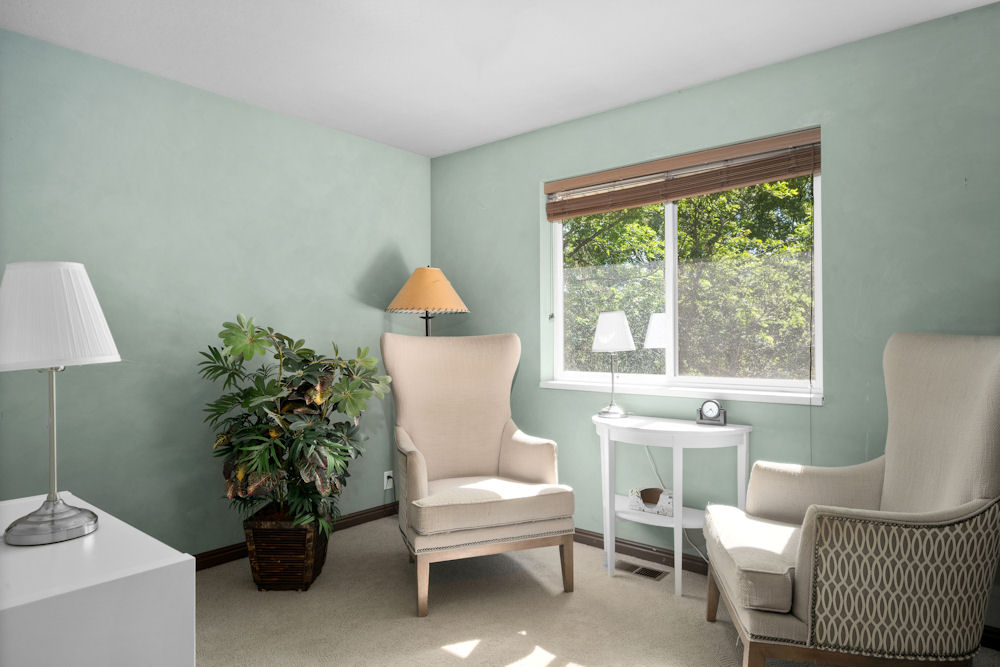
The residence sits in a mountain landscape with outdoor areas for movement and quieter reflection. Recovery.com’s current accommodation description says bedrooms are shared, with a private-room option. The exact room category, availability, bathroom arrangement, and any private-room charge require confirmation with Acqua. The campus photographs establish a particular environment but do not determine the room assigned to a future resident. People with mobility or other access requirements should clarify routes around the grounds and facilities before committing to a placement that may involve outdoor activity.
Meals and nutrition are part of the provider’s description of residential life, alongside exercise and clinical treatment. A predictable eating routine can be an important practical aspect of an overnight stay, but this does not establish a specialist medical eating-disorder service. Residents should disclose dietary restrictions, relevant medical needs, and any support required around food. The packing guidance also reflects the location: it recommends comfortable footwear, clothing for exercise, and preparation for changes in weather. That is more useful for planning than assuming that all activities take place indoors in a uniform climate.
Family therapy appears in the residential treatment menu, and the family information page discusses communication and support while a loved one is in treatment. That page still contains pandemic-era visitor restrictions, so those instructions should not be treated as a confirmed current visiting policy. Families should obtain the present rules for visits, phone or video contact, and participation in therapy. They should also establish who can receive clinical updates with the resident’s permission and how the program will prepare relatives for the transition home.
Residential fees and what remains separate
As checked on October 20, 2026, Recovery.com publishes an estimated cash-pay cost of USD 23,500 for thirty days. It is an attributed third-party estimate, not a fixed tariff issued by Acqua. The amount is shown here as a thirty-day residential program reference rather than a calendar-month price. The provider’s general discussion of treatment costs includes broad industry figures; those figures are not a substitute for a Midway quotation. Actual duration should follow assessment, progress, and a documented agreement.
Medication costs are explicitly excluded in the admissions FAQ. The financial agreement should also clarify any separate detox-partner charge, outside medical services, tests, transport, room upgrades, and additional days. These questions are especially relevant when a person enters residential care after another clinical placement. A lower quoted amount is not necessarily a lower complete cost if it covers a different sequence of services. The written agreement should state what is included, who bills excluded items, and what financial obligations apply if the planned course of care changes.
The official payment information encourages an individual review of insurance and other payment arrangements. The admissions FAQ says Acqua participates in several insurance networks and identifies Aetna as out of network. The exact policy, campus, level of care, authorization, and personal liability still need checking. Financing or other assistance mentioned by the provider is an option to investigate, not a guaranteed scholarship or reason to assume treatment has already been funded. A family should understand the full commitment before agreeing to payment terms.
Admission and the next stage of care
The current official residential page gives +1 866-485-7123 for inquiries. A first discussion should resolve clinical suitability, any detox placement, medication arrangements, room availability, and an expected residential plan. Acqua also offers a wider continuum that includes outpatient care and sober-living support, but a residential fee does not automatically include those subsequent services. Before discharge, the plan should identify actual follow-up appointments, prescribing responsibility, living arrangements, and recovery support. For someone returning outside the area, those connections need to work in the person’s home community as well as they did within the Midway campus.
Conditions
Levels of care
Settings
Treatment approach
Trauma-informed individual and group work, CBT, DBT, EMDR and trauma-focused cognitive behavioral therapy, family therapy, medication-assisted treatment when appropriate, education and experiential activities. Twelve-step fellowships, SMART Recovery and other pathways are described
Fees & admissions
USD 23,500 / program
Recovery.com third-party estimated cash-pay rate, checked October 20, 2026: USD 23,500 for thirty residential days. This is not an official tariff or a calendar-month billing policy. The official FAQ expressly excludes medication costs. Confirm separate detox-partner charges, room category, tests, external care, transport, additional days and insurance liability in the written quote.
Confirm the current program, duration, accommodation and included services directly with the center.
Discuss clinical suitability and any separate detox partner, medication review and charges, room availability, current family-contact rules, the individual residential duration and follow-up placement. Verify the precise insurance plan and personal liability before arrival.