Care at AKUA Mind Body – Female Detox Sacramento
AKUA Mind Body’s women’s detox and residential program is based at 10087 Terra Loma Drive in Rancho Cordova, California, near Sacramento. The current official location page identifies the service as designed for women with substance-use and addiction concerns. It combines assessed withdrawal management with a continuing therapeutic program, including care for co-occurring mental health difficulties. The Terra Loma address is distinct from AKUA’s Orange Avenue detox listing in Fair Oaks and its primary mental health residence on Fair Oaks Boulevard.
The program offers a way to move from an initial detox phase into more sustained work on substance use, emotional difficulties and everyday functioning. Those phases have different purposes and should be explained separately during admission. A person may need medical support before being ready for a full therapeutic schedule, while another may arrive after initial stabilization. The appropriate starting point follows assessment rather than a standard assumption that every resident needs the same detox or the same length of stay.
A women’s residential pathway in Rancho Cordova
The women’s focus is explicit in AKUA’s current Terra Loma location information. It describes medication-assisted treatment and psychotherapy for substance-use problems, with attention to mental health concerns that occur alongside them. A gender-specific residence can be an important preference for someone choosing where to seek care. It should be considered alongside the clinical team, medical support and daily structure rather than treated as proof that the program can meet every individual need.
The assessment should cover current substance use, medication, previous treatment, physical health and the difficulties the person hopes to address. Family or work responsibilities may also affect planning and the intended return home. A women’s program does not, by itself, establish a particular childcare, pregnancy-related or family-accommodation service. If those arrangements matter to an admission, the team should confirm what is available and whether another service is needed.
AKUA has several Sacramento-area programs with similar names. The Terra Loma residence provides the women’s addiction pathway discussed here, while the Folsom Boulevard location offers outpatient care and the Fair Oaks Boulevard residence focuses on primary mental health. Specifying the address at the start of an enquiry helps avoid confusing treatment options, room arrangements or funding rules that apply to different parts of the network.
Detox, medication-assisted care and clinical review
The official Terra Loma page describes support for withdrawal from substances including alcohol, opioids, benzodiazepines, cocaine, methamphetamine and other drugs, with medication-assisted treatment used in the program. The network detox information explains that physicians oversee care and that nursing and clinical staff provide supervision during withdrawal. The precise monitoring, prescribing and treatment setting should be agreed for the individual. A list of substances treated is not an assurance that every level of medical complexity can be managed in the same residence.
AKUA’s wider Sacramento information gives several typical short detox references, while its main detox page emphasizes that duration depends on substance use and general health. The reviewed Terra Loma page does not publish a fixed withdrawal timetable for every woman. It is more accurate to describe detox as individually assessed than to promise that a resident will be ready for the next phase after a particular number of days.
Medication-assisted care and psychotherapy are presented together in the women’s program. The clinical team should explain the purpose of each medication, how it will be reviewed and whether it is expected to continue after the residential stay. Providing an accurate record of existing prescriptions and prior treatment can support that conversation. The directory’s description is not a prescribing plan or a reason to change medication before an assessment.
The transition out of detox should also be explicit. Ongoing residential treatment can address patterns of use, coping, mental health symptoms and practical goals, while the withdrawal phase addresses a different immediate need. The plan should identify when the resident is ready to participate more fully, who makes that decision and how care changes if medical or psychiatric needs call for a different setting.
Psychotherapy and the individual treatment plan
Terra Loma’s official treatment information names cognitive behavioral therapy, dialectical behavior therapy, family therapy and trauma-focused approaches. Its feature list also includes individual psychodynamic therapy, EMDR, group work and mindfulness-based relapse prevention. These are methods available within the advertised program range, selected according to the person’s needs. Their inclusion on the website does not mean that every resident receives every therapy or that each method is appropriate during the first days of withdrawal management.
Individual sessions can focus on personal concerns and the experiences surrounding substance use, while groups provide opportunities to work on skills and communication with others in treatment. The combination matters when comparing Terra Loma with a fully individual residential service. A women’s-only setting still includes shared therapeutic and everyday activities. A prospective resident should understand the expected balance between individual appointments, groups and complementary sessions.
Co-occurring care considers mental health and substance use together rather than automatically assigning each to an unrelated treatment pathway. Anxiety, depression, trauma-related difficulties or other symptoms may affect the clinical plan, but a diagnosis alone does not establish the right level of care. The assessment needs to determine which concerns can be treated here, what specialist input is required and whether stabilization elsewhere should come first.
For trauma-related work, the relevant questions include the therapist’s role, the purpose of the method and how readiness is reviewed. EMDR is listed by the campus, but its availability should not be interpreted as a requirement to begin intensive memory-focused work immediately. The resident’s preferences, response and ability to participate should inform the sequence. Individual treatment planning remains important even when residents attend some of the same groups.
Skills, movement and complementary activities
The Terra Loma service menu includes life-skills classes, résumé building, grief and anger management, daily fitness, music or harp-based activities, art, yoga, mindfulness, meditation and Reiki. These activities give the residential day a broader shape than psychotherapy alone. Practical sessions can address returning to work or managing routines, while movement and creative activities offer other ways to participate. Their role should connect with the resident’s goals rather than be treated as a fixed checklist.
AKUA describes its overall approach as combining conventional clinical care with Eastern and complementary practices. That description does not establish that every complementary element has the same evidence or is necessary for every person. Someone with a physical limitation, sensory preference or concern about an activity can discuss alternatives with the team. The clinical and medication components should remain clearly distinguished from recreational or restorative activities.
The network residential page describes a substantial daily schedule, commonly averaging five to six hours of therapeutic programming. This is broader AKUA information rather than a guaranteed Terra Loma appointment count. A schedule can include group work, practical sessions and complementary activities as well as individual therapy. The appropriate balance may change between detox and later treatment, and rest should be considered alongside participation.
Rooms, meals and the residential environment
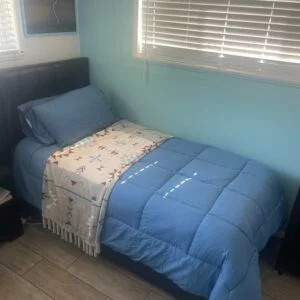
The official location page identifies a residential property with a spacious backyard, access to parks, a gym, laundry, prepared meals, transportation and common activities. Recovery.com’s current room information describes private or shared bedrooms. A private room should therefore be confirmed as an offered arrangement rather than assumed for every admission. Ask about bathroom use, accessibility, any room supplement and the actual bedroom included in the quote.
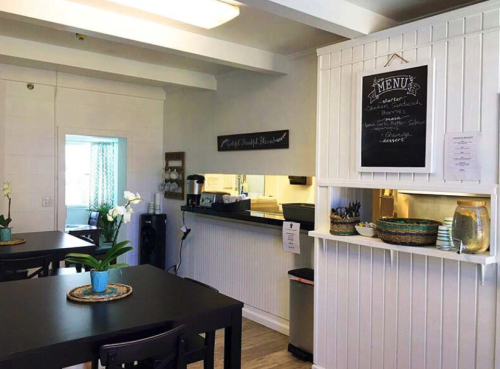
Meals are described as prepared daily, with nutrition forming part of the provider’s broader treatment model. Dietary requirements and allergies should be communicated before arrival so the team can explain what the kitchen and clinical program can support. The presence of prepared meals is a practical service; it does not establish a specialist nutritional treatment pathway for every condition. The plan should distinguish ordinary meal arrangements from any additional dietetic care.
Shared living includes time in common areas and consideration for other residents, even when a private bedroom is available. Personal device use, visits and essential outside responsibilities should be clarified during admission. The current campus description does not provide a universal promise of unrestricted work access or a fixed family visiting schedule. A clear agreement can help the resident focus on treatment without unexpected practical conflicts.
Family participation and planning for life afterward
Family therapy appears in the official women’s program description. The form and purpose of participation should follow the resident’s circumstances and consent. It may help with communication, understanding the treatment plan and preparing for the return home. A family session, routine update and visit are different arrangements, so it is useful to establish what is actually included and how clinical information will be shared.
Terra Loma sits within a wider continuum that includes PHP, IOP, virtual outpatient care and alumni support. The current Sacramento outpatient center is at 9121 Folsom Boulevard, a separate location. Its availability does not mean every resident will move there or that outpatient sessions take place inside the Terra Loma house. The next step should be chosen according to clinical needs, living arrangements, travel and the support available at home.
AKUA’s extended-care community offers meetings, peer support, activities and an app through its network. Those connections can sit alongside an individually planned discharge pathway. They should not be confused with unlimited professional therapy or a prescriber available continuously after treatment. Before leaving, the resident should know the first follow-up appointments, medication responsibilities and any agreed communication with existing or new clinicians.
Program length and the current price basis
The current secondary Terra Loma listing describes a typical thirty-day course including detox, while AKUA’s general residential information gives a broader thirty-to-ninety-day range. These describe typical patterns rather than a guaranteed duration for an individual admission. The written plan should distinguish the expected detox phase, residential work and any later level of care, with review points and the terms for changing or extending the stay.
Recovery.com estimates USD 1,000 per day for the women’s Terra Loma program. It is an attributed cash-pay estimate, not an official provider tariff. The previous USD 30,000 monthly figure was calculated from that daily amount and should not be treated as a fixed package. An individual quote should identify the number of days, room, clinical services, medication and any external medical or transport costs.
AKUA accepts private-payment enquiries and offers benefits verification for insurance-funded care. Its current verification page expressly says a benefits check does not guarantee coverage or the final out-of-pocket amount. The network’s detailed Medi-Cal offer concerns eligible Sacramento County outpatient substance-use clients at Folsom Boulevard. It should not be transferred automatically to a Terra Loma detox or residential booking. Confirm the exact service and authorization with admissions and the payer.
The official Terra Loma contact number is +1 916 848 2671. Specify the women’s program at 10087 Terra Loma Drive when discussing suitability and availability. For other options, the United States treatment directory provides a broader comparison of care settings. The appropriate choice depends on the clinical pathway, the residential arrangements and the continuing support that will be available after the stay.
Sources and verification
Reviewed October 20, 2026. Official sources: women’s Terra Loma location, network detox model, residential treatment, separate Sacramento outpatient program, network extended-care description, insurance verification, and provider-published location records. The thirty-day reference, daily estimate and room options are attributed to Recovery.com’s Terra Loma listing. Campus details are separated from network-level services and examples.
Conditions
Levels of care
Settings
Amenities
Treatment approach
Medication-assisted treatment, physician/nursing/clinical support during assessed detox, CBT, DBT, EMDR and trauma-focused work where indicated, individual psychodynamic therapy, group and family work, mindfulness-based relapse prevention, practical skills, creative activities and continuing-care planning
Fees & admissions
USD 1,000 / day
Recovery.com estimates USD 1,000 per day for Terra Loma, checked October 20, 2026. It is a third-party estimate, not an official tariff or a fixed USD 30,000 monthly package. Confirm detox and residential duration, room, medication, external medical costs and aftercare. A benefits check does not guarantee coverage; the specific current Medi-Cal offer verified elsewhere in the network concerns eligible Sacramento County outpatient substance-use clients.
Confirm the current program, duration, accommodation and included services directly with the center.
Confirm medical eligibility, detox length, residential transition, bedroom, medications, family contact and discharge plan.