About APN Dallas–Fort Worth — Fort Worth
APN Dallas–Fort Worth: choosing the right stage of care
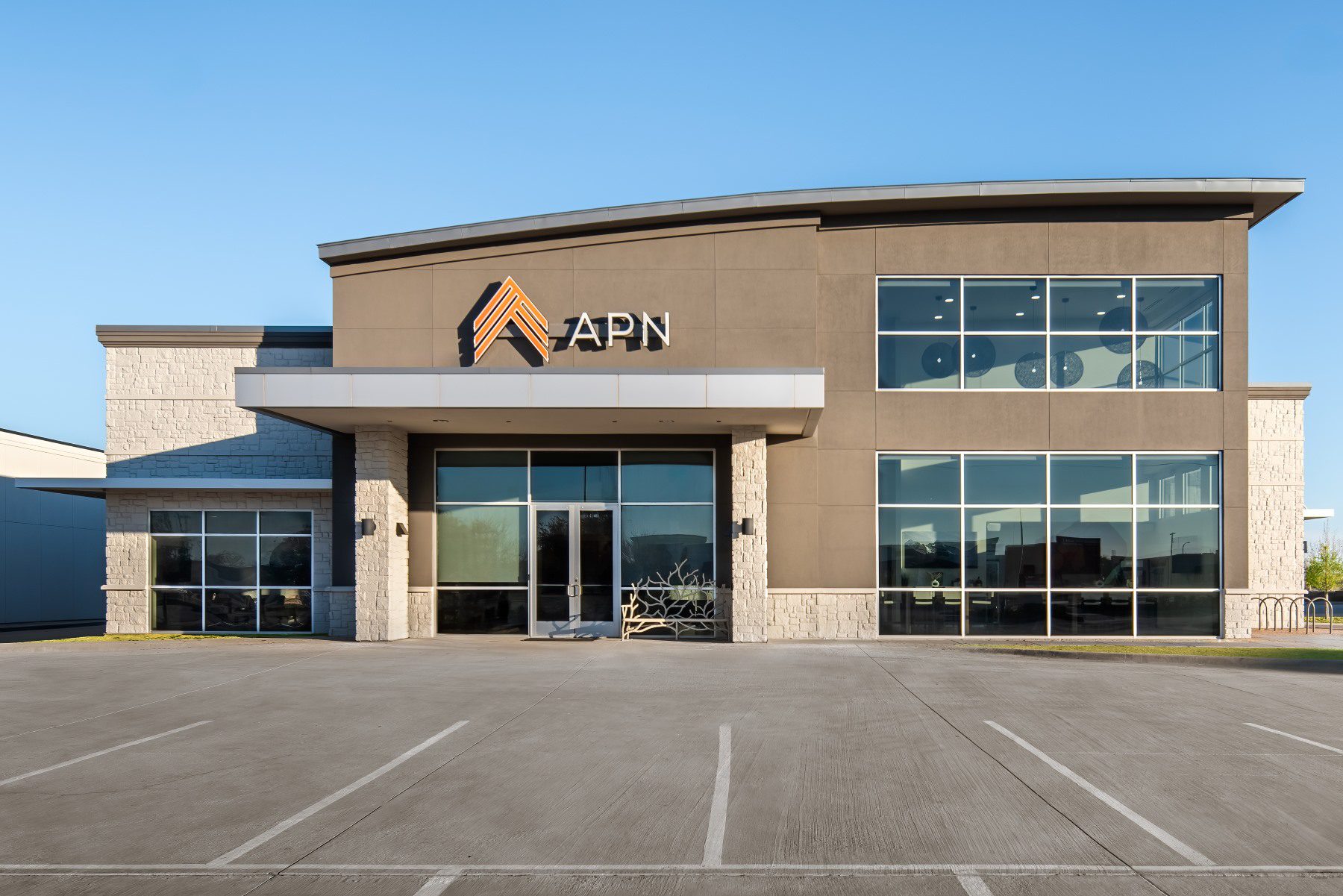
APN Dallas–Fort Worth is an All Points North treatment location at 5637 North Tarrant Parkway in Fort Worth, Texas. Its current official location page includes detoxification, residential treatment, partial hospitalization, and intensive outpatient programming for substance use and co-occurring mental health needs. The Dallas–Fort Worth name describes the wider service area; the facility itself is in Fort Worth. Someone considering this location should identify the proposed program at the first conversation, because the overnight arrangement, schedule, clinical support, and price depend on which stage of care is recommended.
This is a different setting from the APN Lodge in Colorado. Photographs, activities, specialists, and accommodation associated with another APN location should not be assumed to be available here. Ask admissions to put the Fort Worth address on the assessment recommendation and financial estimate. That small detail helps when several people are coordinating a placement or comparing multiple APN services. The most useful description of a prospective stay is a named program at a named location, with an admission date and the services that will actually be available during that period.
Detoxification and the move into residential treatment
APN’s detoxification information identifies Dallas–Fort Worth and Denver as withdrawal-management locations and describes continuous medical supervision. It gives approximately seven days as an average detox period, while explaining that the actual course is individualized. That average is a planning reference rather than a promised discharge date. Someone who has experienced difficult withdrawal, takes prescribed medication, or has additional medical conditions should describe those circumstances during screening and ask which clinician will decide whether this campus can provide the required support.
A practical detox discussion should cover the first assessment, overnight staffing, access to a prescriber, and the circumstances in which outside medical treatment would be arranged. Ask whether the initial quote includes the assessment, laboratory work, prescribed medication, and a transfer if one becomes necessary. The provider should also explain what happens after physical stabilization. Admission for withdrawal management does not by itself establish the duration, room, or funding for a subsequent residential stay, even when both stages are offered through the same organization.
For residential care, request an example of the current weekly schedule and then ask how it would change for your needs. Individual appointments, groups, medical reviews, practical planning, and rest can occupy very different proportions of a week. A useful treatment plan names the problems being addressed and explains how progress will be reviewed. If the proposed stay is extended or shortened, ask what clinical information informs that recommendation, who discusses it with you, and how any financial implications are communicated before additional charges are incurred.
Mental health support within an addiction program
The location presents care for addiction alongside co-occurring mental health concerns. That description deserves a specific conversation if anxiety, depression, traumatic experiences, or another diagnosis affects daily functioning. Ask which concerns the Fort Worth team routinely treats, what records would help the assessment, and whether an existing therapist or prescriber can contribute with your permission. The presence of dual-diagnosis services does not establish that every medical or psychiatric presentation can be managed in the same environment. Suitability should be explained in relation to your current needs.
When a treatment approach such as trauma-focused therapy is discussed, ask how the team decides when it is appropriate and who provides it. A named method on a website is less informative than the actual appointment frequency, clinician training, and plan for support between sessions. You can also ask how preferences and previous experiences of treatment are considered. If a particular approach was unhelpful before, describe what happened and ask how the proposed plan would differ. This keeps the conversation focused on a workable relationship and a clear clinical purpose.
PHP and IOP in Fort Worth
The DFW partial hospitalization program describes approximately five to six hours of treatment on weekdays, with many participants attending for about four to six weeks. Participants return home or to a separate living arrangement in the evening. Its described services include individual and group work, CBT, DBT, EMDR when appropriate, family sessions, and psychiatric medication management when indicated. These are provider descriptions of the program, not a guarantee that every modality will form part of every person’s plan.
For someone living locally, the PHP timetable makes travel and household arrangements part of the decision. Ask for actual start and finish times, attendance requirements, and the plan for unexpected absences. If you are traveling to Texas, establish who arranges and supervises any accommodation outside the center, how you reach appointments, and what support is available overnight. A daytime program should not be booked on the assumption that the residential room is included. Compare the full living and transport costs as well as the clinical program fee.
APN also describes intensive outpatient care as a possible next step. Ask how the team decides when to reduce treatment hours and whether the next group has an opening at the relevant time. Continuity can be helpful, but it still requires a specific plan: appointment dates, the responsible clinician, current insurance authorization, and the place where you will sleep. If you return to another state, request a locally workable alternative rather than assuming that every APN service can follow you home. Our outpatient care directory can help organize those comparisons.
Rooms, daily routines, and practical access
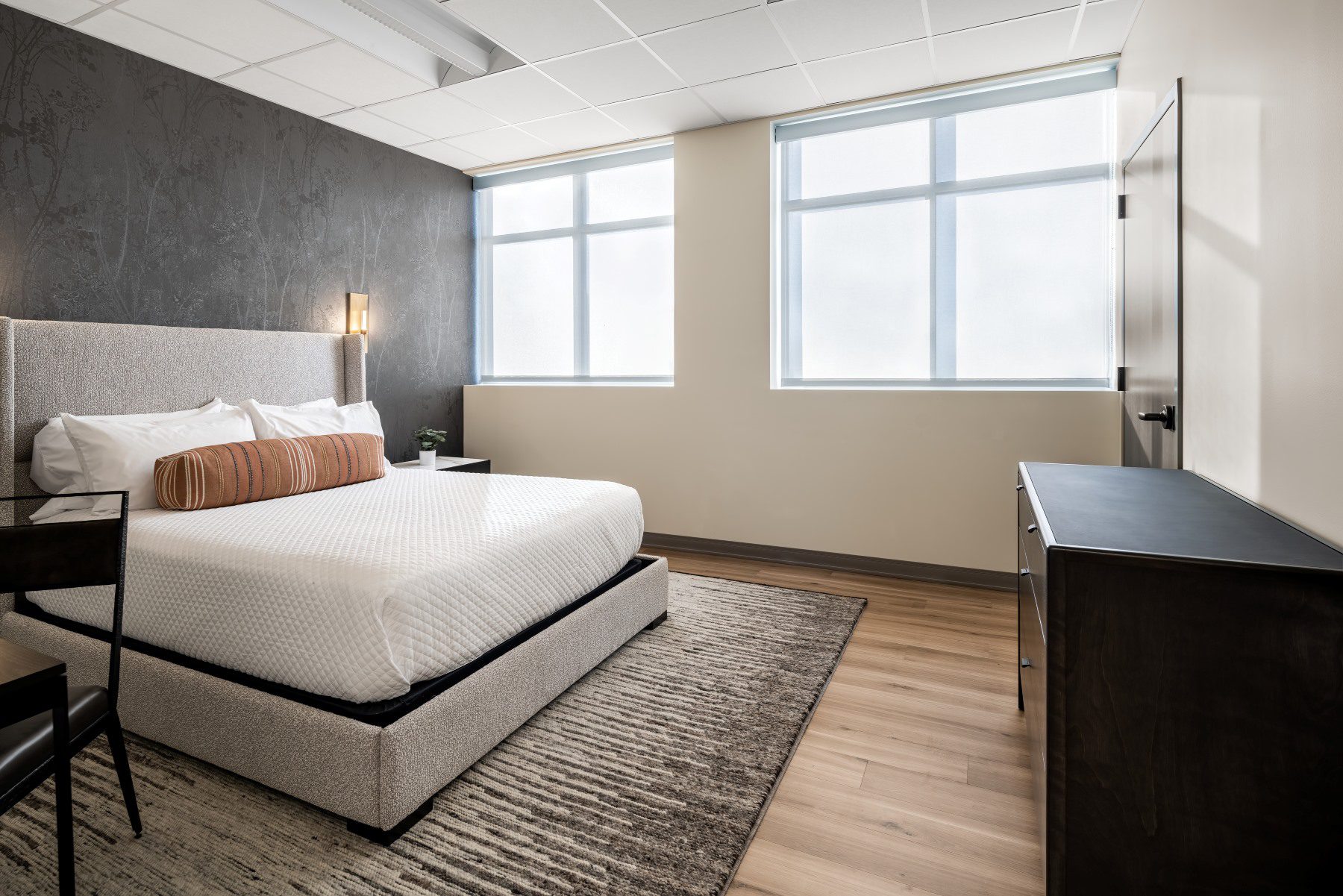
APN’s detox information describes nearby bathrooms with private shower stalls in a locker-room arrangement. That should not be read as a promise of an en-suite bathroom for every bedroom. Ask about the room assigned to your particular level of care, whether it is shared, and how any accessibility requirement will be accommodated. A private sleeping space, a private bathroom, and sole occupancy of a treatment property are different arrangements. If room privacy is an important consideration, obtain the precise arrangement and any supplement in writing.
The DFW location advertises fitness and wellness facilities, including a gym and sauna or steam options. Ask which are available during your proposed stage of treatment and what assessment or supervision applies. An amenity can make a stay more comfortable without determining the clinical plan. It is also worth discussing meal arrangements, dietary needs, laundry, mobility, and the quietest places to rest. These details are often more relevant to daily comfort than a general description of luxury, particularly during a demanding period of assessment and adjustment.
APN lists services for professionals and three-day behavioral assessments at this location. A short assessment and an ongoing treatment program serve different purposes. If an employer, professional body, or family member has requested an assessment, clarify who receives the resulting report, what consent is involved, and whether treatment is separately recommended and priced. For anyone hoping to maintain work contact, ask about device rules, secure space, and the hours in which calls are possible. Neither a professionals label nor internet access guarantees that full-time work fits the clinical schedule.
If a specialized intervention from another part of APN’s website interests you, ask whether it is delivered at DFW, at a different APN location, or by an outside provider. Request the name of the service, the person assessing suitability, the location, and the separate consent and payment terms. Broad network navigation does not establish that every advertised intervention forms part of Fort Worth residential care. You can also ask whether declining an optional service changes access to the main program. This helps distinguish the essential treatment plan from additional appointments, wellness activities, or services that require separate travel. Put any confirmed arrangements on the same schedule as the core program so that the time commitment and responsibility for coordination are visible.
Understanding the published price estimates
Recovery.com’s exact-campus profile, checked October 20, 2026, estimates USD 40,000 for 30 days of residential treatment and separately lists detoxification at USD 1,850 per day. These are third-party estimates, not a current APN tariff or binding offer. The two figures describe different services and should not be combined into one price range. The residential period remains 30 days; it is not relabeled as a calendar month, and the detox charge is not assumed to be included.
Ask for an estimate that separates each proposed stage and identifies the room, clinical services, medications, tests, outside appointments, and transport included. The estimate should explain how extra days are priced and what happens if the clinical plan changes after arrival. If insurance is involved, verify the exact program, facility, provider network, authorization period, and personal financial responsibility. A general statement that APN works with major insurers is not the same as approval for your specific plan. Keep a copy of the benefits explanation alongside the center’s own agreement.
Admissions, family contact, and continuing support
The current DFW location page publishes 855-510-4585. Prepare for the first conversation with your treatment priorities, existing medication list, relevant medical history, and any practical constraints on attendance. Ask whether an appointment or bed is available only after clinical approval, and obtain the arrival instructions before arranging nonrefundable travel. If someone else is helping with the call, decide which details you want shared and how the provider will obtain your consent. Admissions information and treatment updates may require different permissions.
Before leaving any stage of care, request an understandable plan for the following week. It should identify scheduled appointments, medication follow-up where relevant, family participation you have agreed to, and the person to contact if arrangements fail. If you are comparing APN with other United States treatment providers, use the same questions about location, clinical coverage, room type, total cost, and the next stage. The objective is a plan that remains practical after the initial stay, with responsibilities and costs clear to everyone involved.
Information reviewed October 20, 2026. Sources: APN’s DFW location, detoxification and DFW PHP pages, and Recovery.com’s exact-campus listing for attributed price estimates. Program eligibility, staffing, availability, insurance, rooms, and final charges require direct confirmation.
Destinations
Conditions
Levels of care
Settings
Amenities
Program approach
Individualized addiction/co-occurring care; DFW PHP describes CBT, DBT, EMDR when appropriate, individual/group and family work, medication management when indicated
Fees & admissions
Estimated USD 40,000 / program
Recovery.com estimate checked 2026-10-20: USD 40,000 for 30 days residential. Separate detox estimate USD 1,850/day; not included unless confirmed, not a combined range or provider tariff. PHP/IOP and outside accommodation priced separately as applicable.
Confirm the current program, duration, accommodation and included services directly with the center.
Clinical assessment, confirmed Fort Worth program and room, stage-specific benefits/fees and arrival arrangements