About APN Dallas–Fort Worth
APN Dallas–Fort Worth: several levels of care at a Fort Worth campus
APN Dallas–Fort Worth is All Points North’s Fort Worth location for detoxification, residential addiction treatment, partial hospitalization, and intensive outpatient care. Its current location page confirms onsite living for the residential program and distinguishes PHP from that overnight setting. The provider also lists assessment, individual therapy, professional support, and fitness-related services. For someone comparing programs, the essential task is to identify the proposed clinical level and which services, accommodation, and additional options are actually part of the individual offer.
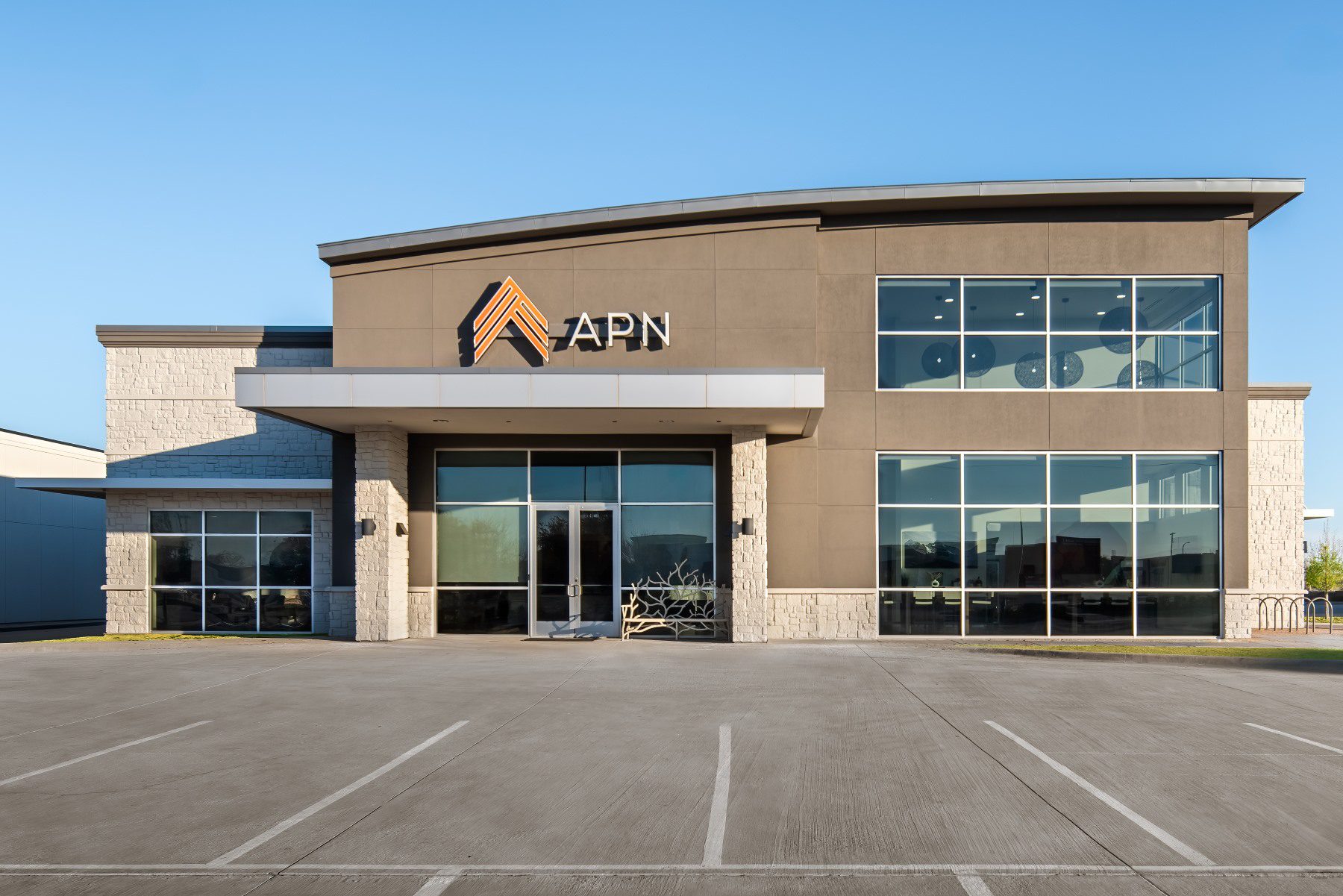
The campus is at 5637 North Tarrant Parkway, Fort Worth, Texas 76244. The current provider contact number is 855-510-4585. Although the program serves the Dallas–Fort Worth area, the receiving address is in Fort Worth. Confirm where the first assessment takes place, where a resident will sleep, and whether a later outpatient phase uses the same clinical location. Details from other APN campuses or virtual programs should only be included when they are explicitly part of the agreed plan.
Assessment before choosing the sequence
The location page describes residential and outpatient treatment for substance use disorders and co-occurring conditions. Ask how the admission assessment reviews the person’s substance use, medical health, psychiatric needs, prescriptions, previous treatment, and current living circumstances. The appropriate starting point could differ from the service initially requested. A clinical team should explain why the proposed level fits and which needs might require another setting or additional professional assessment before admission.
Provide accurate information about recent use, past withdrawal experiences, prescribed medication, allergies, and existing diagnoses or symptoms. Ask which records are needed from current clinicians and how they can be transferred with consent. The assessment should also cover practical requirements such as mobility, diet, communication, and support during the night. A comfortable campus does not by itself establish that the program can meet every medical need. Confirm the actual resources and responsibilities relevant to the individual.
APN uses medical and intensive-care language in describing its services, but the reviewed evidence does not independently establish hospital admission at this campus. This directory distinguishes supported residential treatment from a hospital service. Ask about nursing coverage, access to a prescriber, clinical observation, and transfer arrangements. A program offering continuous support and detoxification still needs to explain when a person requires assessment or treatment beyond its own capabilities.
Detoxification and the transition into therapy
The provider’s detoxification page specifically includes Dallas–Fort Worth and describes round-the-clock medical supervision, nursing assessment, medication management, and individualized withdrawal care. It gives approximately seven days as a general average. That reference is not a prediction for any particular person or substance. Ask how the expected duration is assessed, how it is reviewed, and whether the next treatment phase requires a new room, additional authorization, or a separate clinical decision.
Medication arrangements should be clear before arrival. Ask which clinician will prescribe, how existing medicines are reviewed, what monitoring or laboratory work is required, and how medicines are obtained. Discuss the plan with the relevant clinicians rather than changing medication independently. When moving from detoxification into residential or outpatient care, establish who continues prescriptions and how information follows the person. The financial agreement should identify medication, pharmacy, laboratory, and outside professional charges separately where they are not included.
APN describes detoxification as one possible entry point into its wider continuum. Someone may continue locally, move into another APN program, or use a different receiving service according to the clinical plan. Ask for the exact destination, start date, responsible clinician, transport, and financial terms before the initial phase ends. Continuity should be expressed through named responsibilities and confirmed appointments, rather than assumed from the use of one organization name across several locations and services.
Residential care and the therapeutic plan
The current Fort Worth location page confirms residential treatment with onsite living and intensive support for addiction and co-occurring concerns. Ask what a typical week includes, how often individual therapy occurs, the size and purpose of groups, and how psychiatric assessment is coordinated with the rest of the plan. A broad service list does not establish that every person receives every modality. The clinical team should explain which work is recommended and how progress or difficulties lead to adjustments.
For co-occurring conditions, discuss how the program addresses psychiatric needs alongside substance use and when more specialized assessment is needed. Ask who provides psychiatric care, how often appointments occur, and what support exists outside scheduled sessions. The directory’s guide to co-occurring care can help organize those questions. Suitability should reflect the person’s current presentation, rather than a general assumption that all diagnoses listed across the APN network can be managed in this residential setting.
The Fort Worth page also lists a professionals program and behavioral health assessments. If either is relevant, ask about current eligibility, the exact schedule, the professionals involved, and the intended use of the assessment report. A person seeking documentation for an employer, licensing board, or monitoring program should confirm that the proposed service meets that organization’s requirements. Participation in a specialty track does not automatically establish approval by an outside body or a particular employment or licensing outcome.
PHP and IOP involve a different living arrangement
APN’s current campus page describes PHP as structured clinical treatment while living offsite. Its dedicated Fort Worth PHP page gives approximately thirty days as a typical reference, subject to assessment and review. Ask for the actual weekly days and hours, individual appointments, psychiatric follow-up, and expectations between sessions. Thirty days of PHP should not be interpreted as thirty nights of residential accommodation. The clinical schedule and the place a person will live are separate parts of the plan.
The provider also offers IOP at this location and describes it as compatible with continuing daily responsibilities. Ask how much time it requires, whether any sessions are remote, and which group schedule is actually available. If housing is needed during PHP or IOP, identify its operator, address, room, rent, staffing, transport, and rules. The directory’s explanation of outpatient care can help distinguish clinical intensity from the support required outside treatment hours.
Rooms, bathrooms, and meals
Recovery.com’s current campus listing explicitly describes private rooms as available and also discusses comfortable accommodation and prepared meals. Confirm the room offered for the actual phase, its availability, the number of occupants where shared, and any supplement. A private bedroom does not establish a private bathroom. APN’s broader detoxification description refers to shared bathroom areas with private shower stalls, so ask for the exact Fort Worth arrangement rather than transferring an assumption from photographs or another campus.
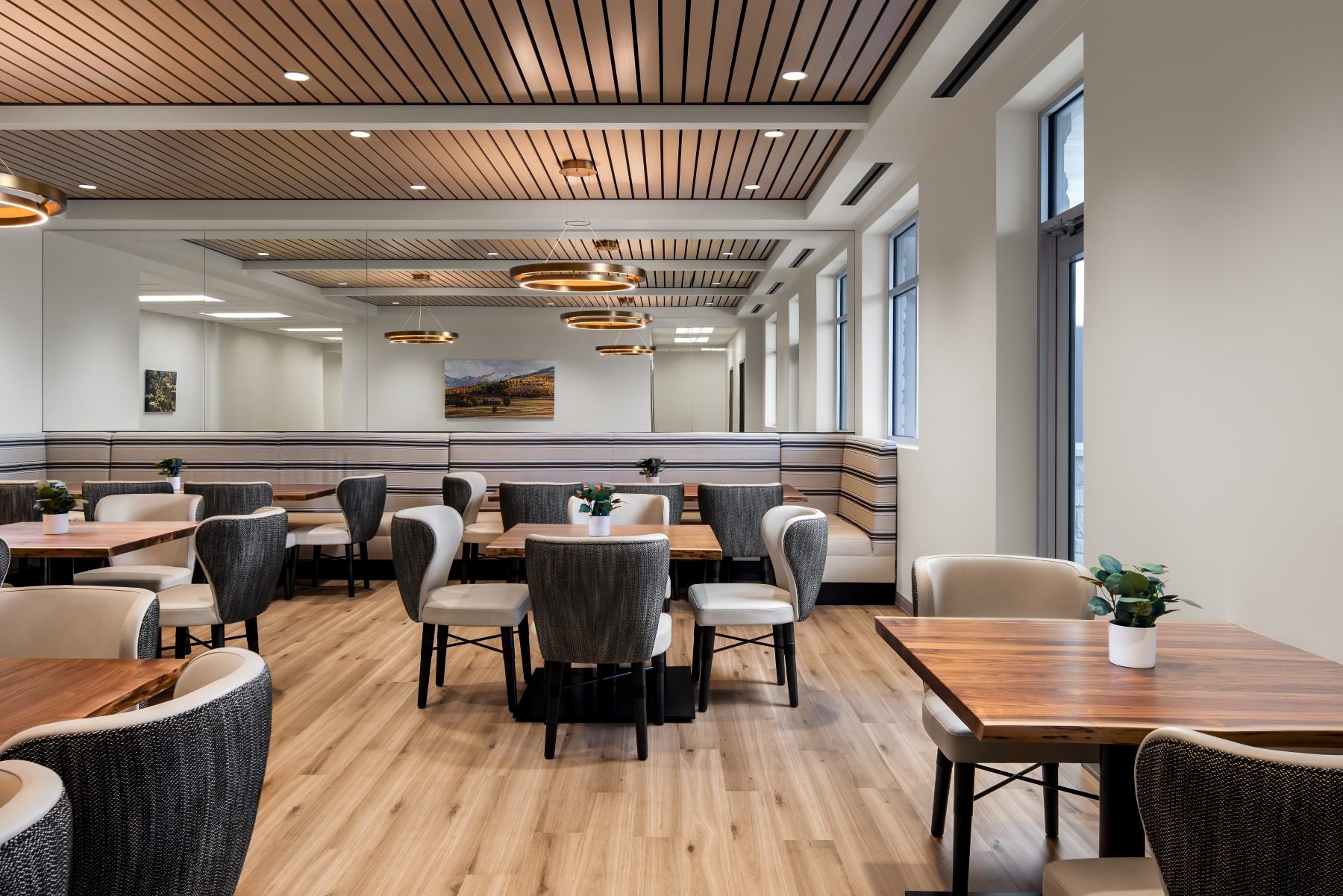
Discuss accessible features, stairs, storage, laundry, dietary needs, allergies, and the practical routine during the first days of care. Ask what food is provided, how specialized requirements are assessed, and whether any services carry additional fees. Someone needing assistance with daily activities should explain that need during assessment. The actual room and support arrangement should be documented before travel, especially when detoxification and residential care could involve different routines or accommodation assignments.
Fitness and additional clinical services
The Fort Worth page lists a gym, sauna, steam room, cold plunge, personal training, and nutritional guidance. It also identifies interventional psychiatry and neurotechnology among the location’s broader offerings. Ask which of these services are included in the residential program, which require an additional assessment, and which are charged separately. An amenity or treatment offered at the same address is not automatically suitable for every resident or included in the core program fee.
Secondary descriptions mention specific interventions such as ketamine-related care and brain stimulation. Confirm the exact current service, indication, qualified clinician, consent process, monitoring, and separate price before relying on those descriptions. The choice of an additional intervention belongs within the clinical assessment, not a general preference for a program with more technology. Similarly, fitness or heat and cold exposure should be discussed in light of the individual’s health and the treating team’s recommendations.
Practical contact and the next stage
Ask about phones, internet, work, visitors, family involvement, smoking policies, deliveries, and time away from the campus. The appropriate arrangement may change between detoxification, residential treatment, and outpatient care. Someone traveling to Fort Worth should confirm the receiving address, airport or ground-transfer plan, cost, and contact person if travel changes. An admissions enquiry does not itself confirm a bed or a particular room. Final clinical acceptance and the written arrangements should be in place before departure.
Before discharge or a step-down, ask for the next clinical appointment, medication responsibility, housing agreement where needed, and transport schedule. Clarify how family or another chosen support person can be involved with consent. A continuing-care plan should remain useful even if the person returns to another city or changes providers. Identify who coordinates the handoff and what to do if the first receiving appointment is delayed, rather than relying only on a general promise of ongoing network support.
Separate price references for residential treatment and detoxification
Recovery.com, reviewed October 20, 2026, lists an estimated USD 40,000 for thirty days of residential care and a separate USD 1,850 per day for detoxification. These are third-party estimates, not official provider tariffs. They refer to different services and periods, so detoxification should not be assumed to be included in the residential amount. Ask for a written quote covering the assessed sequence, room, professional services, medication, tests, meals, transport, additional interventions, and later outpatient care.
Verify the exact insurance plan, clinical level, network relationship, authorization, deductible, and cost sharing. Ask how extensions, early departure, transfers, or changes in level affect charges and refunds. Compare the completed offer with other United States treatment options using the actual clinical plan, room, total expected duration, and continuing care. APN’s range of services can support a coordinated course, but the person needs to know precisely which parts are being offered and financed for their situation.
Sources and verification
Reviewed October 20, 2026: current Fort Worth campus and care levels, APN detoxification including DFW, Fort Worth PHP, and Recovery.com accommodation and separate residential/detox estimates. Additional services, exact room and bathroom arrangements, and individual clinical and financial terms require direct confirmation.
Destinations
Conditions
Levels of care
Amenities
Program approach
Assessment-led substance-use and co-occurring-condition treatment, nursing/medical support for withdrawal care, individual/group therapy, psychiatric coordination, professional/assessment options and step-down planning; adjunctive services assessed and priced separately where applicable
Fees & admissions
Estimated USD 40,000 / program
Recovery.com checked October 20, 2026 estimates USD 40,000 for thirty days of residential care and separately USD 1,850 per detoxification day. These are third-party references, not official tariffs. Request the assessed sequence, room, medical and psychiatric services, medicines, tests, meals, transport, additional interventions and later outpatient care in a written offer; detoxification is not automatically included in the residential amount.
Confirm the current program, duration, accommodation and included services directly with the center.
Confirm exact clinical level, medical/psychiatric suitability, current prescriptions and monitoring, room/bathroom, actual timetable, staff resources, nutrition/access needs, transport, family/device rules, insurance authorization, written fees and subsequent housing/clinical arrangements. Verify eligibility and outside-body requirements for any professional or assessment track.