About ARCH Academy Harpeth Campus — Kingston Springs
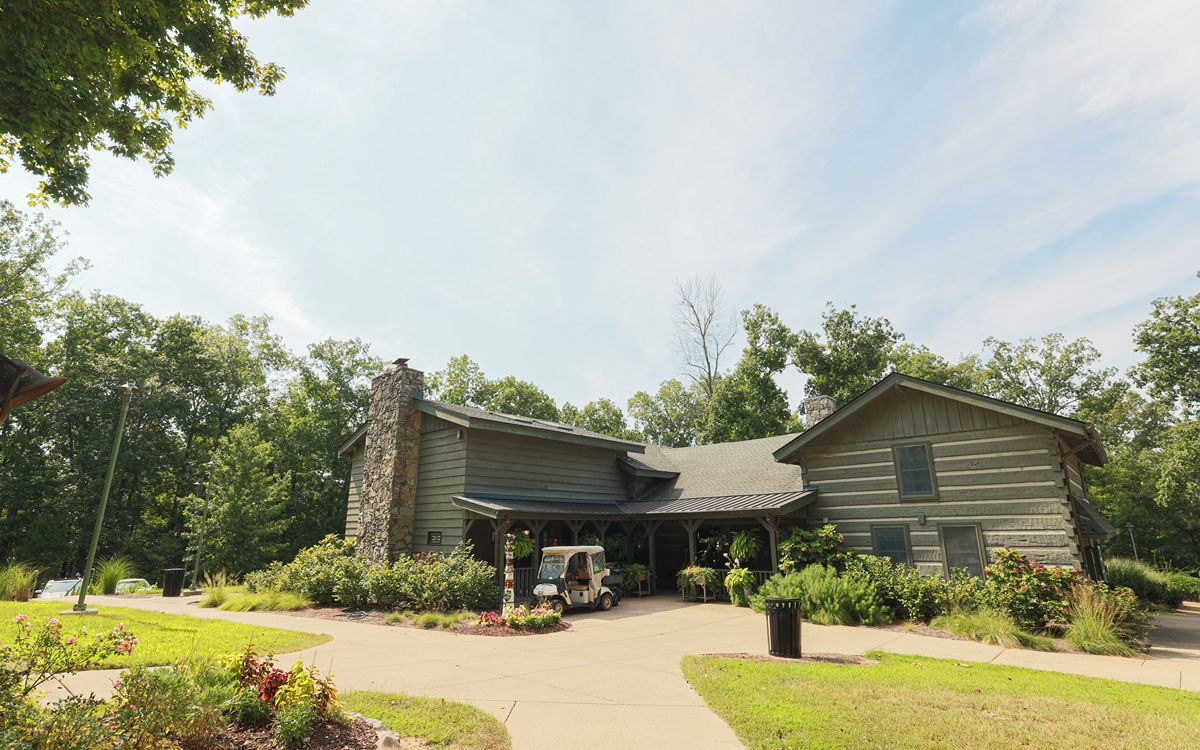
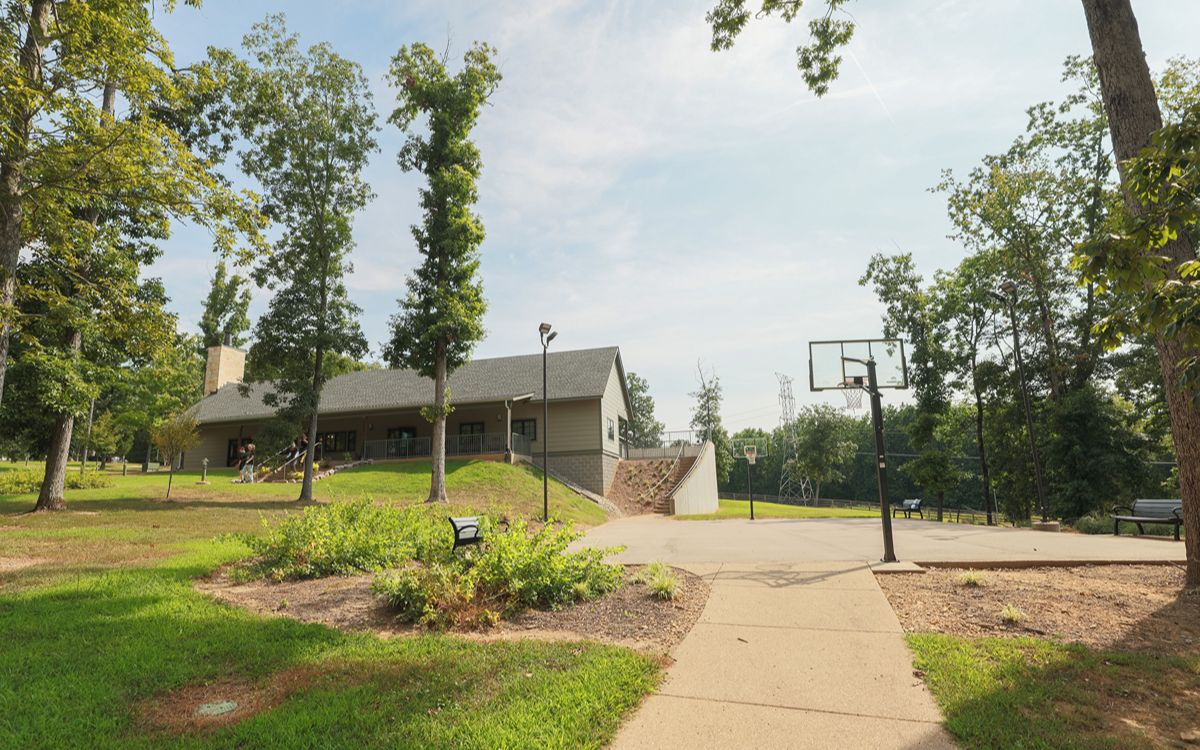
ARCH Academy’s Harpeth Campus provides residential treatment for adolescent boys in Kingston Springs, Tennessee. The provider describes a sixty-seven-acre setting that combines substance-use treatment, academics, family involvement, and outdoor activities. Its address is 1062 Highway US-70, west of Nashville. Harpeth is distinct from ARCH’s Ridgeview residential campus for girls and its Music Row outpatient program. Families should confirm the receiving campus and the full proposed care pathway before making travel, school, or financial arrangements.
Who the Harpeth program is designed to serve
The official campus overview identifies Harpeth as the boys’ residential program. ARCH’s stated clinical focus is alcohol and other substance use, including co-occurring mental health concerns. Recovery.com’s exact-campus listing gives an age range of fourteen through seventeen; families should verify the current criteria with admissions, especially around a birthday or school transition. A substance-use program’s broad mention of mental health does not establish that it accepts every primary psychiatric presentation.
An initial assessment should explain why this setting is being considered now. Share recent substance use, medical and psychiatric history, prescribed medications, previous treatment, and the circumstances at home and school. Ask how the team distinguishes needs that fit residential care from needs requiring a different intensity or specialty. It is reasonable to request a clear explanation of the recommendation, including what the program expects to address and what it cannot provide at this campus.
The provider’s history places the Harpeth opening in 2020 within Cumberland Heights’ longer-running adolescent services. The organization expanded later with Ridgeview and Music Row. When reading older descriptions, check which campus and period they concern. A treatment model, staff biography, or amenity associated with the wider organization should not automatically be assumed to describe the boy’s current placement in Kingston Springs.
Therapy, recovery culture, and participation
ARCH’s residential program page describes counseling, therapeutic groups, recovery mentors, and a structured environment shared across its residential services. Ask how an individual plan is developed within that common program. Families can request an explanation of who provides individual therapy, how often it occurs, how groups are selected, and how psychiatric or medical concerns are reviewed. These details make it easier to assess the actual service than a long list of therapy names alone.
The organization describes the Twelve Steps and a spiritual dimension as central values. A teenager’s reaction to that approach deserves an honest discussion. Ask how staff introduce recovery concepts, support questions or disagreement, and work with young people from different religious backgrounds. Find out whether additional approaches are available when a particular format is not engaging the adolescent. Understanding the program’s culture beforehand helps avoid assumptions about either compulsory beliefs or a completely secular experience.
Progress may include changes that are difficult to capture in a simple completion date, such as participating in therapy, managing conflict, or practicing a plan for high-risk situations. Ask how the team defines and reviews progress and how the young person contributes to those goals. Families should also understand what happens after a setback. A useful explanation describes the clinical response and communication process without promising that participation will be smooth or that completing a phase guarantees a particular outcome.
The published primary pages do not resolve every medical capability at Harpeth. Ask specifically about withdrawal assessment, medication administration, overnight clinical coverage, and access to urgent psychiatric or medical care. Confirm whether any stabilization must take place before arrival and which facility would receive a transfer if necessary. Residential supervision is not, by itself, proof of hospital-level resources. A prospective admission should be based on an individualized clinical review rather than the assumption that a broad treatment label answers these questions.
Using the rural setting thoughtfully
The campus overview describes a nature-based environment with adventure activities alongside therapy and education. Outdoor space can be part of the daily setting, but it should not be confused with a guaranteed itinerary or a standalone clinical intervention. Ask which activities currently take place, how they relate to treatment goals, who supervises them, and what alternatives are available. Weather, individual needs, staffing, and treatment priorities may affect what a particular resident can participate in.
Families should discuss accessibility before admission rather than infer it from photographs of open land. A teenager with mobility limitations, a chronic medical condition, sensory needs, or anxiety about particular activities may require an adapted plan. Ask how staff assess those needs, whether transportation is involved, and how the adolescent can raise discomfort or decline an activity appropriately. The important point is the practical arrangement for this person, not the total acreage advertised for the property.
The Recovery.com Harpeth profile describes private and shared bedrooms with shared bathrooms. Treat this as secondary evidence and ask what room is actually available for the proposed dates. Clarify supervision, room allocation, personal storage, laundry, and the handling of conflict between residents. A private-room option does not imply a private bathroom or a dedicated staff member, and it may not be included in every financial arrangement.
Education during a residential stay
ARCH’s education page reports an on-site school with Cognia accreditation, certified teachers, individualized planning, and coordination with students’ home schools. It also describes support for graduation and an approved HiSET testing pathway for eligible teenagers. These are the provider’s published claims. Before enrolling, obtain an academic plan for the individual student and check transfer arrangements directly with the home school or receiving education provider.
A practical school discussion starts with the current transcript and outstanding requirements. Ask how classes are selected, how many instructional hours are scheduled, and how learning needs or existing accommodations are addressed. Clarify who sends progress reports and who is responsible for resolving missing work. A student preparing for graduation may need a different plan from someone who has recently disengaged from school, and neither situation should be reduced to a promise that all missed work will be completed.
Also consider the return to school. Ask whether staff can coordinate a reentry meeting, identify a contact at the receiving school, and explain what documentation will be available at discharge. Families can discuss how treatment information will be shared and what the teenager wants classmates to know. The aim is to avoid a gap between a structured academic routine in treatment and an unsupported return to the previous environment once residential care ends.
Planning the family intensive and visits
Harpeth hosts ARCH’s two-day family intensive. The published program covers addiction education, communication, parenting, boundaries, and family recovery. The same page says campus visits follow thirty days of the adolescent’s stay and completion of the intensive by the visiting family member, with arrangements made through the therapist. Confirm the policy for the proposed admission, the next available dates, and how the team handles individual circumstances or access needs.
For caregivers traveling from outside the Nashville area, the intensive may involve time off work and overnight accommodation. Ask who should attend, whether attendance is required for particular stages, and how separated households or other significant caregivers are included. Do not assume that a scheduled family event automatically permits unrestricted visiting. Obtain the actual timetable and instructions before purchasing travel, and identify whom to contact if a caregiver cannot attend the proposed dates.
ARCH also describes online support involving parent alumni and follow-up for some families after transition to a lower level of care. Ask how participation is arranged and how peer support differs from the family’s clinical meetings. Relatives may need both practical education and a space to discuss their own concerns, but they should understand the limits of each service. Clarify routine updates, consent, and the handling of sensitive information rather than assuming that every caregiver receives identical access.
Understanding phased care and conflicting price information
The current secondary pricing requires direct clarification. Checked October 20, 2026, Recovery.com displayed USD 24,000 for the first thirty days and USD 12,000 for additional thirty-day periods. A separate insurance description on that same Harpeth page quoted USD 22,500 for an initial thirty-day phase and USD 9,000 monthly for later phases. These conflicting descriptions do not establish a reliable current tariff. The lower figure should not be presented as verified simply because it appears more conservative.
Ask ARCH for a written quotation identifying the campus, room, initial duration, included services, and charges for any extension. Later-stage prices are not an alternative starting rate for the same admission, and a thirty-day fee is not necessarily the total cost of completing a phased program. Discuss how changes in clinical needs affect both the plan and the bill. Clarify deposits, refunds, separately billed care, and the financial arrangements if the adolescent transfers or leaves earlier than anticipated.
ARCH’s insurance information says its team assists with benefits and authorization. Request a plan-specific review covering network status, cost sharing, covered services, and authorization for the expected length of stay. Ask whether a change of phase or location triggers another review. Benefits information is useful for planning, but it should not be treated as a guarantee that every service or additional day will be paid at the same level.
Continuing care beyond Kingston Springs
The Music Row intensive outpatient program is a separate ARCH service in Nashville, not an outpatient unit established at the Harpeth residence. Its published description includes a telehealth option for people in Tennessee. Ask whether this is a suitable next step, what the current schedule requires, and whether the family’s home location makes participation realistic. A family returning elsewhere should arrange local care and confirm any online-service eligibility before relying on it.
Discharge preparation should connect the adolescent’s treatment goals with daily life: school attendance, family communication, medication follow-up where relevant, therapy appointments, and appropriate recovery support. Ask who makes referrals and whether the receiving professionals have accepted the handoff. Discuss the response if symptoms worsen or substance use resumes. A written plan with actual contacts and appointments gives the family a more usable starting point than a general instruction to continue working on recovery.
Harpeth’s published campus number is 866-774-0220. Identify the Kingston Springs boys’ program when calling and request the current admissions, academic, family, and financial information together. Our residential care overview and United States directory can help structure comparisons. The relevant question is how well the actual Harpeth plan fits this teenager’s assessed needs and whether the family can support the practical commitments involved.
Destinations
Conditions
Levels of care
Settings
Amenities
Program approach
Counseling and groups, recovery mentors, Twelve Step and spiritual orientation, academic coordination, family intensive and supervised outdoor activities
Fees & admissions
Confirm current pricing
Recovery.com checked 2026-10-20 gives conflicting schedules: USD 24,000 first 30 days and USD 12,000 additional 30 days in estimator; USD 22,500 initial 30-day phase and USD 9,000/month later in insurance description. Neither is independently confirmed by provider. Numeric fee cleared pending current campus-specific phase quote.
Confirm the current program, duration, accommodation and included services directly with the center.
Campus-specific clinical/medical review, current age eligibility, school record and transfer plan, family attendance and visiting arrangements, benefits and written phased quote