Care at Asana Lodge
About Asana Lodge
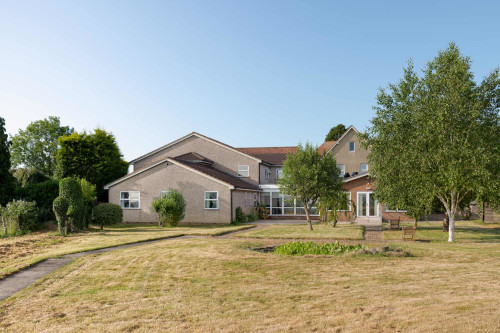
Asana Lodge is an adult residential substance misuse service in Yardley Gobion, near Towcester in Northamptonshire. The setting combines bedrooms, therapy rooms, shared living areas, and grounds where residents can spend time between appointments. Its core offer is assessment, medically supervised withdrawal when required, and a structured rehabilitation program. A person considering admission should evaluate that clinical pathway alongside the surroundings: the aim of a stay is to work on substance use and related difficulties within an organized treatment community, with a plan for continuing recovery after returning home.
The service is operated by ASANA Healthcare Ltd and is registered with England’s Care Quality Commission. The current CQC listing identifies residential substance misuse services and regulated activities that include accommodation for people requiring substance misuse treatment and treatment of disease, disorder, or injury. That registration does not make the residence an acute hospital. Applicants needing hospital-level stabilization, intensive medical observation, or a different psychiatric setting should obtain a direct assessment of whether Asana Lodge can meet those needs.
Current inspection findings
The CQC assessment published January 11, 2026 rated the service Good overall and Good for safety, effectiveness, caring, responsiveness, and leadership. The assessment took place between October 29 and November 10, 2025. CQC reported improved leadership and oversight and stated that the service was no longer in breach of regulations. Older inspection findings should therefore be read in that chronology. The current rating is useful independent evidence about the assessed service; it is not a prediction of an individual resident’s outcome or confirmation that every proposed admission is suitable.
Assessment and the first stage of care
The admissions and examination information describes a doctor assessing each resident within twenty-four hours of arrival and a personalized care plan being developed within the same period. A consultant psychiatrist’s assessment can be arranged when further specialist input is needed. The distinction is useful: an initial doctor’s assessment is part of the described pathway, while a psychiatrist’s involvement depends on the situation. Before admission, provide details of prescribed medicines, other conditions, previous treatment, recent substance use, and any history of difficult withdrawal.
The arrival process also includes checking belongings, arranging medication dispensing, explaining the daily schedule, and introducing the resident to the setting. Weekly keywork sessions and care reviews are described alongside individual therapy. These are opportunities to discuss progress and concerns, although they should not be assumed to mean a fixed number of psychotherapy hours. Someone who needs a particular treatment intensity can ask admissions to distinguish individual therapy, keywork, medical reviews, and group sessions in the proposed timetable.
Asana Lodge’s withdrawal-care information describes medically supervised alcohol and drug detoxification with monitoring and medication when appropriate. The plan needs to reflect the actual substances involved and the person’s medical history. A standard length advertised for a stay cannot determine how long withdrawal or recovery will take for a particular person. Applicants should establish the observation arrangements, how the prescriber is contacted, and what symptoms or complications would require transfer to another medical service. These are practical boundaries of care, not details that should be left until arrival.
Therapy and the treatment community
The provider’s current description of its approach includes CBT, DBT, schema therapy, trauma-informed care, individual therapy, and daily therapeutic groups. It presents the program as individualized, so that list should be understood as available approaches rather than a promise that every resident receives every modality. A person whose main concern is trauma, emotional instability, or a recurring relationship pattern can ask how the assessment translates that concern into specific goals and which clinician will undertake the relevant work.
The CBT information explains that Asana Lodge uses both individual and group sessions. The provider describes work on identifying triggers, examining patterns of thought and behavior, setting practical goals, and practicing different responses. In an addiction program, the meaningful question is how those activities connect with real situations the resident expects to face after discharge. A treatment plan might, for example, focus on the circumstances surrounding cravings or on ways of responding to anxiety; the actual targets should come from the individual’s assessment.
Progress in this type of work is easier to discuss when the resident and therapist agree on observable goals. These might concern recognizing a difficult situation earlier, trying a coping strategy, or seeking support before a pattern escalates. Those examples describe how to evaluate a plan, rather than additional services promised by Asana Lodge. Applicants can ask how goals are reviewed and what materials or exercises can be continued at home. The existence of a named therapy on a website is less informative than an explanation of how it will be delivered and reviewed.
The group program includes education, practical skills, open-ended discussion, and peer support. The provider also describes on-site Cocaine Anonymous and Narcotics Anonymous meetings, attendance at external Alcoholics Anonymous meetings, therapeutic workshops, and supervised outings. These activities have different roles: a facilitated therapy group is not the same as a mutual-aid meeting. Understanding that distinction helps an applicant assess the balance between clinician-led treatment, recovery fellowship, and ordinary time with peers.
The group page gives a typical group size of six to twelve people and session lengths of sixty to ninety minutes, while acknowledging variation. It says residents can begin by listening and share when comfortable. Someone who is anxious about groups should discuss that concern before admission and ask how staff help them participate. Confidentiality expectations, respectful discussion, and the way individual concerns are brought back to a keyworker are also useful subjects. The purpose is to understand the actual therapeutic environment, rather than assuming that a group-based program suits everyone in the same way.
Rooms, accessibility, and everyday life
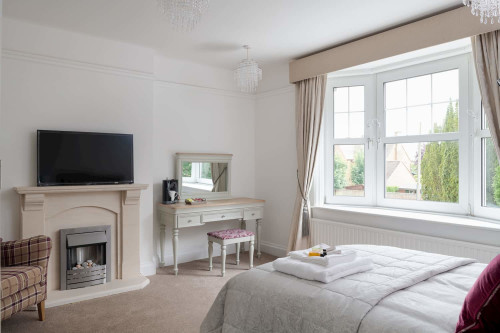
The facilities page describes twenty-two bedrooms with en-suite bathrooms, lift access to all floors, and an adapted bathroom. There are individual therapy rooms, larger group rooms, a library, shared lounges, a gym, and a garden. These details support a comfortable residential setting with space for both treatment and time alone. A person with mobility, sensory, or personal-care needs should confirm the specific bedroom and bathroom arrangements available for their dates. General accessibility features do not establish that every room is equally suitable.
Meals are prepared by an on-site chef, and the provider describes freshly cooked menus and attention to nutrition. Applicants should discuss allergies, prescribed diets, and eating-related difficulties during assessment so the team can explain what can be accommodated. The gym and garden provide options for activity, but participation should take account of health and the stage of withdrawal. A sauna and relaxation technology are also advertised; these amenities should not be treated as substitutes for medical withdrawal management, counseling, or prescribed treatment. Their availability and suitability can be discussed separately from the core program.
Published fees and payment arrangements
Asana Lodge’s payment page currently publishes indicative average prices of £9,875 for fourteen nights, £13,975 for twenty-one nights, and £17,750 for twenty-eight nights. The provider says these figures may change and asks applicants to confirm current pricing and availability. They are therefore useful planning figures, not a binding quotation. A written proposal should identify the selected length, accommodation, withdrawal care, therapies, food, and any additional services. Different program lengths should be compared by their contents as well as their total price.
For self-funded admissions, the same page states that a deposit secures a place and the balance is due on arrival; its FAQ says installment payments are not available. It describes card, bank transfer, and cash options and says it does not accept checks. Insurance or employer support may be possible depending on the arrangement, but the discussion of insurance is not proof that any particular policy covers this service. Obtain authorization from the payer before relying on it, and ask for cancellation and early-discharge terms before committing funds.
The published intake guidance says devices are not available during therapy sessions and asks residents to bring only agreed items, including current prescriptions. Anyone who must maintain an essential work or family contact should settle the communication arrangements before arriving. An en-suite room provides privacy, but it does not remove the expectation of attending the program or following the center’s medication and belongings policies.
Family involvement and aftercare
Asana Lodge describes weekly online support sessions for families and loved ones. Its About page also specifies a year of free aftercare for residents who successfully complete a twenty-eight-day program, with weekly sessions through Zoom. This eligibility detail matters for someone considering a shorter stay. The broader aftercare page discusses support after completion more generally, so applicants choosing fourteen or twenty-one nights should ask what they will receive and whether any different conditions or charges apply.
The aftercare information describes weekly groups and personalized planning that considers diagnoses, previous treatment, home circumstances, work, and other sources of stress. It also refers to in-person groups at Asana Lodge or other properties in its network. Because both online and location-based formats appear in the provider’s information, the discharge plan should state the actual meeting arrangements and how to join. Weekly group support should not be assumed to include individual psychiatric prescribing or continuous crisis response.
Before leaving, a resident should know which professional is responsible for any ongoing medication, whether a local therapy appointment is needed, and how the center will share relevant information with consent. Families can ask what practical role they are expected to play without assuming that they will receive confidential clinical details automatically. Asana Lodge’s published combination of residential treatment, structured groups, private living space, and continuing support provides a clear basis for comparison when those arrangements are specified for the individual. The current admissions number is 01908 489 421.
Information checked October 20, 2026 against the current provider pages and CQC record linked above. Fees are provider-published indicative figures. CQC’s January 2026 report is an assessment of the service, not an individual treatment guarantee.
Conditions
Levels of care
Settings
Amenities
Treatment approach
Individual and group CBT, DBT and schema approaches when indicated, trauma-informed care, daily therapeutic groups, weekly keywork/reviews, recovery fellowship and discharge planning
Fees & admissions
GBP 9,875 / program
Official indicative average prices: £9,875 for fourteen nights, £13,975 for twenty-one nights, £17,750 for twenty-eight nights. Provider says figures may change; obtain dated quote. Residential care, detox when required, treatment, accommodation and food described as included. Deposit then balance on arrival; official FAQ says installments unavailable. Insurance requires policy-specific authorization. Confirm any extras and shorter-program aftercare.
Confirm the current program, duration, accommodation and included services directly with the center.
Adults aged eighteen and over; pre-admission medical/substance-use assessment. Doctor assessment and care plan within twenty-four hours of arrival are described. Confirm psychiatric input, observation arrangements, hospital-transfer criteria, fees and aftercare eligibility.