About Betty Ford Center Naples
Betty Ford Center in Naples
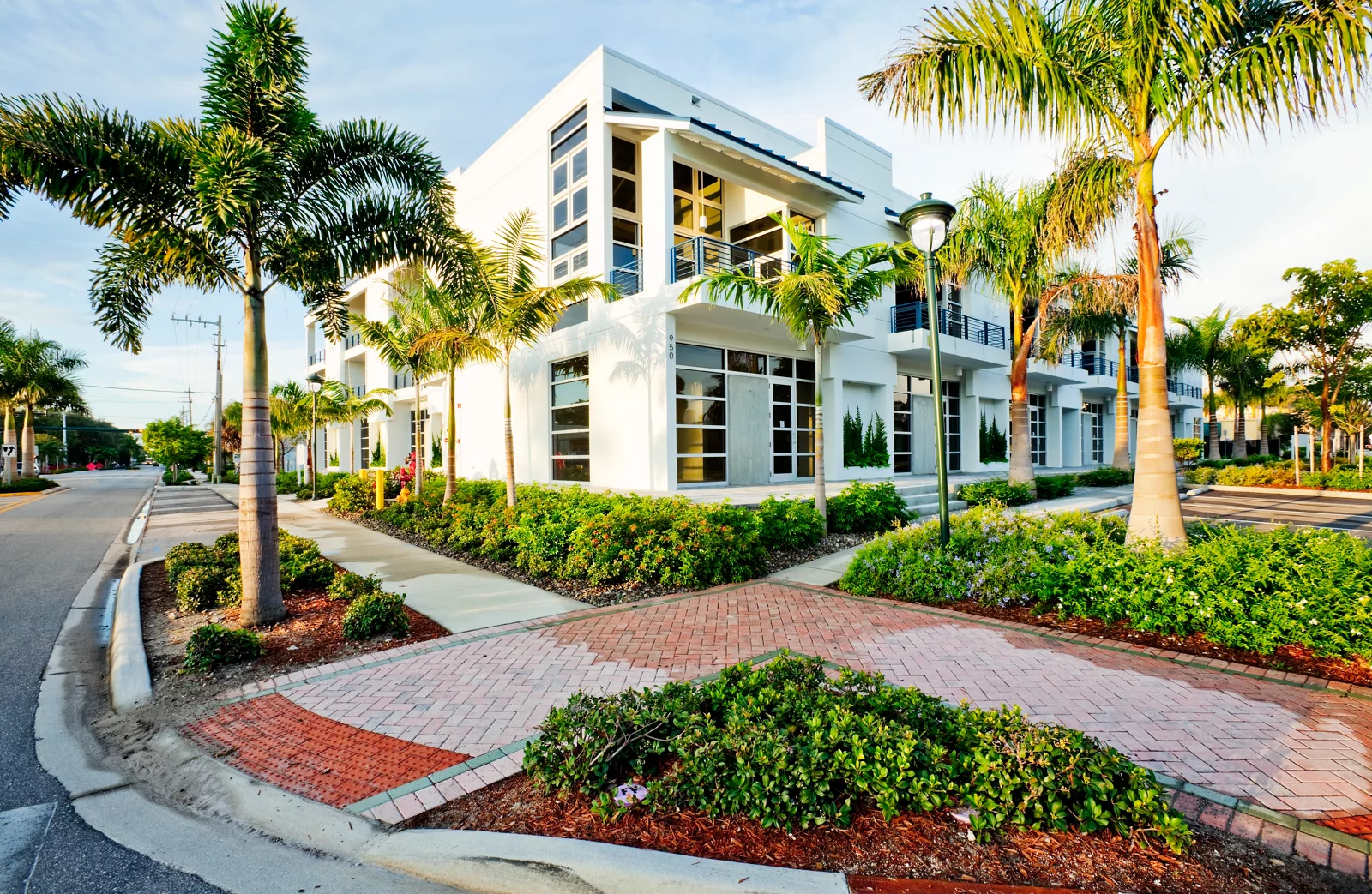
Betty Ford Center’s Naples program is located at 950 Sixth Avenue North, Naples, Florida. The current official campus page describes residential treatment, outpatient services, virtual care and optional onsite condominium housing for outpatient participants. It addresses substance use alongside mental health and other individual needs, with special-focus groups for adults fifty and older. The published general enquiry number is 866-831-5700.
This Florida location is part of Hazelden Betty Ford’s wider network in the United States. Services at one campus should not be assumed to match those at another. Naples is particularly important to assess by its actual starting-care and housing arrangements: its current page explicitly says alcohol and drug detoxification are not provided onsite, while it offers both overnight treatment and a separate housing option alongside outpatient programming.
Detoxification must be arranged separately when needed
The Naples FAQ says clinicians can recommend a local detoxification provider when that service is required. Ask whether detoxification is recommended, which facility will provide it, what medical resources are available there and how the move into Naples will be coordinated. The presence of nursing care in the later Naples program should not be treated as confirmation of an onsite detoxification service. The clinical assessment should identify the appropriate sequence for the individual.
Obtain the receiving detoxification provider’s admission and financial terms separately, including medication, tests and transport. The Naples page says staff may help arrange initial transport from detoxification or an airport through a vendor account, with the fare subsequently billed to the patient account. That is assistance arranging transport, not a promise of a free transfer. Confirm the actual destination, fare, timing and any support needed during travel before assuming the transition is fully arranged.
Residential care and outpatient treatment are different services
The primary campus page describes a structured residential schedule with therapy, wellness, medication management and support around the clock. It also uses inpatient terminology, but the reviewed information does not independently establish hospital admission. This directory describes the overnight clinical service as residential care. Ask about the actual nursing, medical and psychiatric resources available and which needs exceed the setting, rather than relying on the label alone.
Naples also offers outpatient and virtual services, including an intensive outpatient model based on assessment. Ask for the current weekly schedule, appointment format and support between sessions. A person may enter an outpatient plan directly or move to it after another level of care, depending on the recommendation. If virtual participation is proposed, confirm eligibility and practical requirements in the location where the patient will attend, rather than assuming the same option is available everywhere.
The outpatient program can be combined with optional onsite recovery-oriented housing. That arrangement should be distinguished from remaining in residential clinical treatment. Ask which agreement covers the clinical service and which covers the accommodation, whether eligibility and availability are assessed separately, and how costs or insurance authorization differ. A condo on the same campus does not mean the clinical schedule or level of independence stays unchanged.
Assessment and integrated clinical care
The current Naples description includes mental health assessment, individual and group therapy, medication management, addiction education and recovery skills. For someone with co-occurring concerns, ask how the team addresses substance use alongside current mental health symptoms. Provide information about physical health, prescriptions, previous treatment and support needs. The assessment should determine actual suitability, including any medical or psychiatric resources that must be arranged elsewhere.
The provider identifies medication-assisted treatment options for opioid use disorder and access to psychiatrists and other licensed mental health professionals. Ask what services apply to the proposed plan, who prescribes and how existing treatment is coordinated. A general program description does not establish an individual medication recommendation or identical appointment frequency for every patient. Confirm pharmacy, refill, laboratory and outside-consultation arrangements, together with any charges that sit outside the main treatment offer.
The daily schedule described by the campus includes individual work, special-topic groups, education, wellness activities, spiritual care and twelve-step facilitation. Ask for a sample timetable and how personal goals and preferences are considered. Clarify what group participation involves, how progress is reviewed and how concerns can be raised. The range of activities should be understood as a care model, not a guarantee that every resident receives every named service or achieves a particular result.
Support for adults fifty and older
Naples specifically describes groups for adults fifty and older, with discussion topics relating to work, family roles, physical health, medications, identity and meaning. This is an age-focused part of a broader program rather than evidence that the whole campus serves only older adults. Ask how the group fits the weekly schedule, whether individual clinical needs receive additional attention and how the program accommodates mobility, sensory or other practical requirements.
The campus page says group rooms have assistive listening technology for compatible hearing aids or cochlear implants and asks participants to bring their hearing aids. Confirm compatibility and any additional communication needs before admission. Similar planning is useful for medication organization, diet, travel and personal assistance. An age-specific group is one consideration; it does not by itself establish every form of specialist medical or daily-living support that an individual may need.
If a person relies on a caregiver or mobility equipment at home, explain the specific tasks and equipment involved. Ask who can assist within the condominium and during clinical programming, whether additional arrangements are possible and what they cost. Confirm these practical details before booking travel or assuming that a nursing presence covers every personal-care need.
Condominiums and actual room privacy
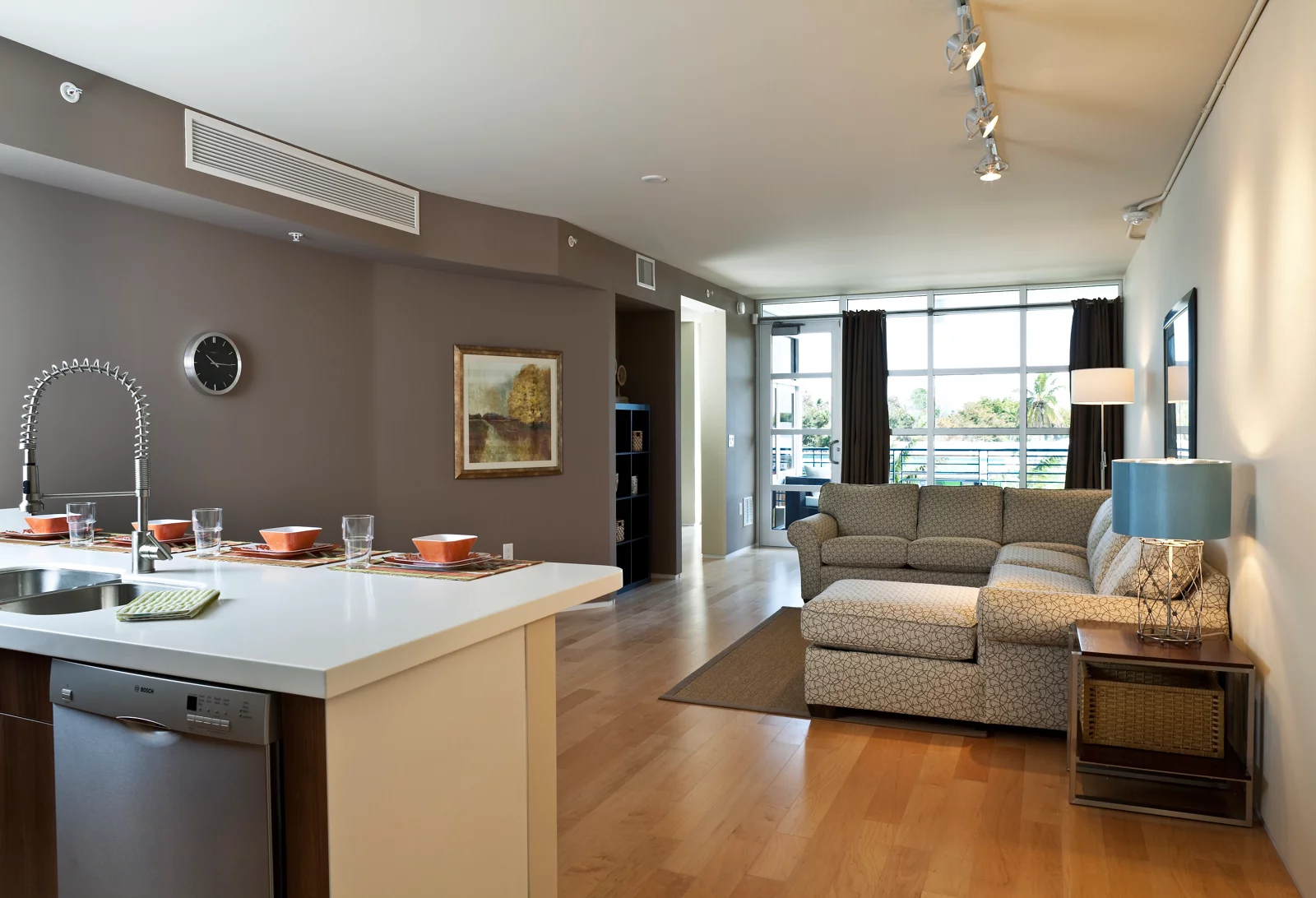
The provider describes furnished condominiums that typically accommodate four patients per unit, with a kitchen, washer and dryer, and an open-air terrace. The current secondary listing includes private-or-shared room options. Those descriptions refer to different aspects of occupancy: four people in a condo does not specify how its bedrooms are shared. Ask for the exact room and bathroom arrangement, availability and any supplement. A private bedroom should not be mistaken for exclusive use of an entire unit.
Confirm how residential treatment accommodation differs from the optional condo housing available to outpatient participants. Ask whether a move is required, how staff support changes and which house rules apply at each stage. The current source descriptions do not establish a verified total licensed residential capacity, so the number of condos or typical occupants should not be multiplied into an assumed bed count. Current admissions can explain actual placement and availability for the recommended program.
The primary page says groceries are delivered weekly according to the resident’s order, while the secondary profile describes delivery twice weekly and makes broader cost claims. Use the current primary frequency as the starting point and ask how shopping, food costs and meal preparation actually work. The presence of a supplied kitchen does not automatically mean all meals are prepared by staff. Explain dietary restrictions and any assistance needed with everyday tasks before accepting the housing arrangement.
Phones, visitors and practical preparation
Naples encourages patients to bring a phone but says phones should remain outside the treatment building. Ask how the current policy applies to the planned service and when essential family or work contact can occur. A real-life recovery approach or an internet amenity does not establish unrestricted device use during clinical programming. Arrange urgent responsibilities in advance where possible and confirm the current packing instructions, including medication and other items that require staff review.
The published visitor policy requires check-in and a visitor badge, excludes visitors from shared condos, and requires counselor approval before patients leave campus with visitors. It also asks families to confirm current visiting hours directly. Discuss the resident’s consent and communication preferences before relying on regular updates. Nearby hotels or provider-arranged discounts are separate from the treatment package, and a family member’s visit should not be assumed to include accommodation on campus.
The current price does not define a period
Recovery.com checked October 20, 2026 displays an estimated USD 45,000 amount without identifying a billing period. The listing separately describes a thirty-day program, but that does not establish that the amount purchases thirty days of treatment or housing. It is therefore unsuitable as a confirmed monthly or thirty-day tariff. Ask the provider for a current written offer specifying the actual service, length, room and inclusions instead of relying on the headline amount.
The estimate should distinguish any outside detoxification, residential care, outpatient appointments and optional housing. Ask about medication, tests, professional consultations, groceries, transport, family services and extensions. Establish deposits, cancellation, early-departure and transfer terms, including how charges change if the treatment plan changes. Different stages on the same campus may have separate financial arrangements, and an offer for accommodation does not necessarily include every clinical service.
Insurance should be reviewed against the exact program and policy, including network status, authorization and the resident’s personal costs. Ask whether optional housing, external detoxification and transport are covered or billed separately. A carrier relationship or initial benefits check does not guarantee payment for the entire recommended plan. If funding changes during treatment, clarify how the patient will be informed and what alternatives will be considered.
Continuing care and family support
The provider describes recovery coaching, monitoring, online communities and family resources after treatment. Its family services include options that may be available at no cost, but registration, eligibility and fees differ by service. Ask which resources are appropriate and distinguish coaching or education from clinical therapy. A general invitation to alumni or family support is not the same as a booked medical appointment or a continuing housing place.
Before discharge or a change in level, request named appointments, medication responsibilities, a suitable living arrangement and a clear plan for sharing records with consent. If the resident returns to another region, confirm the actual availability of local or virtual follow-up. The choice of Naples should connect an appropriate clinical service with resolved detoxification arrangements, an understood condo agreement, transparent financial terms and a practical next stage.
Sources checked October 20, 2026: Hazelden Betty Ford’s current Naples and family services pages; Recovery.com for attributed accommodation and the price amount lacking a billing period. Onsite residential care, optional outpatient housing and externally arranged detoxification are kept distinct.
Destinations
Conditions
Levels of care
Settings
Amenities
Program approach
Integrated substance use and mental health care, individual/group counseling, special-focus groups for adults fifty and older, practical daily-living responsibilities, family support and continuing-care planning
Fees & admissions
Confirm current pricing
No usable current exact-campus fee with a defined billing period was verified. Recovery.com checked October 20, 2026 displays USD 45,000 without specifying what duration that amount covers; a separate thirty-day program description does not resolve the fee period. Request the actual clinical service, duration, housing, room, medication, tests, food, transport, external detoxification and continuing care in a written offer.
Confirm the current program, duration, accommodation and included services directly with the center.
Confirm whether separate detoxification is needed and name the receiving provider, actual Naples clinical level and optional housing agreement, medical and prescribing resources, condominium/bedroom/bathroom occupancy, grocery and accessibility arrangements, device and visiting rules, individual duration, written fees and coverage, and next-stage care.