
Care at Breathe Life Recovery — Marbella
Individual recovery support in a selected villa
Breathe Life Recovery organizes private, individual recovery programs using a portfolio of villas rather than a single fixed treatment campus. The current Recovery.com listing places this service in Marbella, Spain, while Breathe’s own website describes matching accommodation and support to the person’s needs. The organization presents a model in which therapy, practical assistance, nutrition, and selected medical services are brought into the chosen residence. That arrangement should be understood through the actual team and property proposed for an admission. A villa’s privacy or appearance alone does not establish the level of clinical care available inside it.
The provider’s story emphasizes the founders’ personal experience of addiction and recovery. Its current website describes an effort to build a service around individual attention, continuity, and support for families. Those values explain the organization’s approach, but they do not substitute for the professional roles required in a clinical treatment plan. Someone comparing recovery programs in Spain can evaluate Breathe as an individually coordinated residential service. The important details are the assessed needs, the practitioners responsible, the scheduled treatment, the support available between appointments, and the precise accommodation and fees agreed before arrival.
Assessment and the scope of the program
Breathe’s official materials describe a personalized plan informed by the person’s circumstances, physical and emotional needs, and preferred environment. The website lists a broad range of substance-related and behavioral concerns, while its current secondary profile describes addiction and co-occurring mental health support. A list of conditions on an informational page does not establish automatic acceptance for every presentation. Before travel, the assessment should clarify the main reason for seeking care, current symptoms, medication, previous treatment, and any withdrawal or medical needs. It should also identify what can be managed in the villa and what requires another provider or setting.
The official contact page characterizes Breathe as a recovery setting rather than a clinic, and the partner page describes working with external specialists. This makes the division of responsibility particularly important. The admission proposal should identify the organization coordinating the stay and the legal medical or therapeutic providers delivering individual services. A client should be able to distinguish the role of a recovery support worker from that of a psychologist, prescribing clinician, or nurse. The public pages reviewed for this profile do not establish an acute inpatient hospital, universal continuous nursing, or a fixed protocol for every detoxification need.
Medical partnerships and diagnostic services
The current partner page identifies BioDrip as a provider of in-villa diagnostic and intravenous services on the Costa del Sol. Breathe describes blood testing, nutritional assessment, and selected infusions as part of its broader service menu. These are reported arrangements, not independent confirmation that every test or infusion is appropriate for every client. The relevant clinician should explain the reason for a proposed investigation, how results will affect care, and what follow-up is required. A medical partner’s involvement in one service should not be taken as proof that the same partner provides all psychiatric, withdrawal, or emergency care.
The website promotes NAD+ and other intravenous formulations with broad claims about cellular function, fatigue, and recovery. Those promotional claims are not treated here as established outcomes. If such a service is proposed, the client needs a clear account of its purpose, evidence, risks, alternatives, and cost from the responsible clinician. It should not replace an appropriate assessment or the treatment required for the person’s primary condition. The same distinction applies to biomarker testing: the existence of a laboratory result does not by itself establish a diagnosis, an individualized benefit, or a need for every intervention included in a package.
Breathe’s villa page describes round-the-clock support and access for approved medical professionals. The exact coverage still needs to be specified because practical support, an on-call clinician, scheduled nursing, and continuous registered nursing are different arrangements. A person who may need monitored withdrawal should discuss that requirement before confirming travel. The plan should identify the medical decision-maker, any preliminary treatment elsewhere, medication responsibilities, and escalation arrangements. The reviewed public pages do not publish a complete withdrawal protocol, so a general description of in-villa care should not be treated as an assurance that every medical presentation is suitable.
Psychological work and the individual schedule
The official services menu names cognitive behavioral therapy, psychotherapy, family therapy, sleep-related support, and spiritual counseling, alongside physical and complementary activities. The current team page also identifies a practitioner working with hypnotherapy and Rapid Transformational Therapy. These descriptions establish advertised approaches, rather than a standard course that every resident receives. The proposed schedule should specify the actual therapist, their role, appointment frequency, and the goals of the work. The website’s claims about rapid or lasting changes after hypnosis should not be interpreted as a guarantee or as evidence that one session will resolve a person’s difficulties.
The individual format can allow treatment discussions to focus on a person’s particular history, habits, relationships, and practical responsibilities. Breathe’s official materials emphasize tailoring the program rather than using one fixed schedule. That flexibility is useful only when it is made concrete: the written plan should show how psychological work is coordinated with medical appointments, meals, rest, and daily support. It should also explain how changes are decided and reviewed. A broad promise of personalization is less informative than knowing who will meet with the client, what the sessions are intended to address, and how continuity will be maintained.
Complementary options described on the partner page include massage, yoga, breathwork, cold-water activities, and nutrition. These should be considered individually, with attention to preference, physical limitations, and clinical suitability. They are not interchangeable with psychotherapy or medical treatment, and the provider’s physiological claims should not be taken as assured benefits. The actual program can explain which activities are included, which are optional, and whether additional charges apply. Someone who does not wish to take part in a particular activity should be able to discuss an alternative without losing clarity about the main purpose of the residential stay.
Accommodation, meals, and practical arrangements
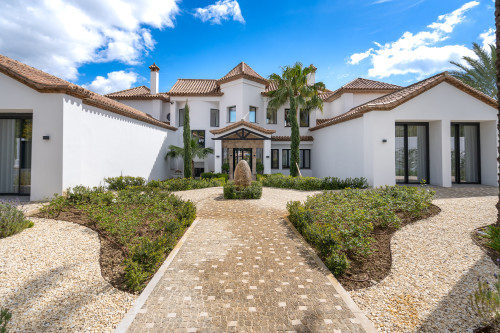
Breathe describes a portfolio of private villas, with the specific property selected around the client’s circumstances and availability. The villa page identifies private gardens, bedrooms, living areas, Wi-Fi, air conditioning, security arrangements, and spaces that can be adapted for therapy or personal activities. These descriptions do not establish that every available property has identical features, views, or accessibility. Before booking, the proposed residence should be identified and its practical details confirmed. Bedroom and bathroom arrangements, stairs, outdoor access, the presence of support staff, and any accompanying family member’s space can all affect the experience.
The provider also describes a private chef, personalized meals, and support with the domestic routine. Food preferences, allergies, and medically relevant dietary needs should be discussed before arrival so that the hospitality plan matches the clinical one. Recovery.com additionally describes daily housekeeping, but the exact included service should be confirmed in the current quotation. The villa is intended to support a program, rather than simply provide a holiday setting. A realistic daily plan should show how meals, appointments, rest, and activities fit together, and how the client can communicate practical needs without obscuring the responsibilities of the clinical team.
The official villa page offers airport pickup and individually prepared accommodation. Travel arrangements should follow clinical acceptance and confirmation of the property, particularly when a person has medication, mobility, or withdrawal-related needs. The role of a driver or travel companion should be distinguished from a medical escort. The agreement should also address the timing of arrival, the first assessment, the staff present on the first night, and any costs outside the package. Promotional promises of complete discretion do not replace a clear explanation of consent, clinical records, necessary information sharing, and the practical arrangements for a safe arrival.
Family involvement and continuing support
Breathe’s official website describes helping families understand addiction and supporting the people close to the client. Family therapy appears in the services menu, while the villa model can allow discussion of practical arrangements for relatives. Participation should reflect the client’s consent and the treatment goals. A relative staying nearby or in the same property is different from taking part in a clinical session, and those arrangements may have different costs and boundaries. The plan should identify who provides family work, how communication is managed, and how relatives can support the transition back to ordinary life without taking over the client’s treatment decisions.
The current Recovery.com profile describes aftercare involving counselor contact, recovery coaching, online follow-up, and possible family sessions. It also mentions a sober companion, additional home support, and alumni retreats with an event fee. These details are secondary-source descriptions in the material reviewed here, rather than a complete aftercare contract published by Breathe. The actual included support, professional roles, frequency, duration, and charges should therefore be confirmed directly. A retreat invitation or coaching contact is not automatically equivalent to ongoing psychiatric treatment, medication management, or an unlimited course of psychotherapy after the residential stay.
A useful transition plan connects the villa-based work with the person’s home environment. It should identify local professional care where needed, the responsibilities for prescriptions and follow-up, and the practical support available as work or family demands resume. If remote treatment will continue across borders, the relevant professional must be able to provide the proposed service where the client is located. Any communication with an existing doctor or therapist should be arranged with appropriate permission. The aim is a clear handover rather than an assumption that the same residential team can provide every form of care indefinitely in any country.
Fees, duration, and making an enquiry
As checked on October 20, 2026, Recovery.com lists an estimated price of EUR 7,860 per day and describes programs of at least 30 days. These are third-party figures, not an official tariff or a minimum stay independently confirmed on the current provider pages reviewed here. Multiplying the daily figure into a presumed monthly package would not establish the actual charge or cancellation terms. The quotation should identify the villa, clinical services, staffing, tests, optional interventions, travel, family accommodation, and aftercare. It should also explain the proposed duration, review points, deposits, and any separately billed services delivered by partner organizations.
The current official contact page offers a form for enquiries, with choices about the preferred method and timing of a response. No direct telephone number was verified on the official pages reviewed for this profile, so an unconfirmed directory number is not presented as the provider’s official line. Breathe’s distinguishing offer is individually coordinated recovery support in a selected private villa, with a mixture of therapeutic, practical, and partner-delivered medical services. Its suitability should be judged from the concrete admission plan, the professionals responsible, and the full written quotation rather than from assurances about exclusivity, privacy, or rapid recovery.
Sources checked October 20, 2026: Breathe’s official overview, team and approach, service menu and medical partner description, villa arrangements, scope of enquiries, official contact and service description, and attributed location, aftercare, duration, and fee information. No independent clinical outcome, registration, or universal admission-safety guarantee is implied.
Conditions
Levels of care
Settings
Amenities
Treatment approach
Individual psychotherapy and CBT in the advertised service menu, family and sleep-related support, hypnotherapy/RTT as offered, nutrition, movement and complementary activities; in-villa tests/IV services through an identified external partner only when appropriately assessed
Fees & admissions
EUR 7,860 / day
Recovery.com estimates EUR 7,860/day with a 30+ day program description, checked October 20, 2026. Third-party guidance, not an official tariff or confirmed minimum. Remove the linear EUR 235,800 monthly calculation. Quote the exact villa, clinical partners, staffing, tests/infusions, optional services, travel and aftercare before commitment.
Confirm the current program, duration, accommodation and included services directly with the center.
Confirm medical stability, detox needs, exact villa, staffing, inclusions, travel and continuing-care arrangements.